
Review · SZENTENDRE AND THE DANUBE BEND
Hungary: Szentendre Retro Design Center Entry Ticket
A bus, a dacha, and a hippie welcome. At Szentendre Retro Design Center in Central Hungary, the 70s vibe hits fast, with a friendly greeter and almost 1,000 square meters of everyday life recreated in objects, rooms, and vehicles.
I really like how the ticket mixes photo-friendly retro vehicles with small, human details like toys, appliances, and a furnished apartment scene. One thing to plan for: the guided tour runs in the morning, and the center sits outside Budapest, so you need to match your visit time to the day trip logistics.
In This Review
- Key Highlights to Know Before You Go
- Szentendre Retro Design Center: the 70s feeling starts at the door
- Making the Most of a 1-Hour Visit (and Why Morning Matters)
- Vehicle Heaven: Wartburg, Trabant, Ikarus, Moskvitch, and more
- Polish Market Diorama and the Camping Scene: tiny worlds with big clues
- Retro Home Life: toys, TVs, radios, appliances, and the walls of LPs
- The Furnished Apartment: living room and kitchen in 70s style
- Language Support: English, German, and Russian text guides
- Price and Value: is $11 per person worth it
- Getting There From Budapest and Parking Reality
- Who This Ticket Suits Best (and who might want to skip)
- Should You Book This Entry Ticket?
- FAQ
- Where is the Retro Design Center located?
- How long is the visit with this entry ticket?
- Is parking included?
- What languages are available during the visit?
- Are there guided tours, and when do they run?
- Is there free cancellation?
- Can I reserve without paying right away?
- What can I see inside the museum?
Key Highlights to Know Before You Go
- Hippie-style arrival welcome that sets the mood before you even reach the exhibits
- Sit-in photo time in cars and vans, including the Ikarus bus and a pink Wartburg
- Vintage dioramas like the Polish Market scene and a camping setup
- Communist-era home life displays with toys, household appliances, TVs, radios, and more
- Reading-only interpretation in multiple languages, with English, German, and Russian options
- Best experience depends on timing, since the guided tour is morning-only
Szentendre Retro Design Center: the 70s feeling starts at the door
This is the kind of museum that doesn’t ask you to squint at abstract art. You step into a recreated world, where the objects do the talking. From the moment you arrive, you get a 70s-themed greeting that makes it easier to relax and treat the visit like a walk through a time capsule, not a checklist.
The layout is built for short bursts of curiosity. You’ll bounce from vehicles to rooms to display walls without needing a lot of prior knowledge. If you’re into Eastern Europe during the 70s and 80s, it feels instantly recognizable. If you’re new to it, the setting does a good job of giving you context without getting too heavy.
And yes, you can take photos. That matters here, because the collection is designed for you to see the shape and color of things from up close, not just read about them.
Making the Most of a 1-Hour Visit (and Why Morning Matters)
Your time is tight: the visit is designed to run about 1 hour. That sounds short, but the center’s spaces are compact enough that you can still see a lot, especially if you commit to the main highlights first and then circle back for the details you like.
Here’s the key practical point: there’s a guided tour component that runs in the morning. The museum itself stays open later, but the guided part is morning-only. If you arrive after the morning session, you can still explore the exhibits, yet you may miss the extra context that a guided tour adds.
So my advice is simple:
- Pick a morning slot when you want the full story.
- If your schedule only allows later, plan to rely more on the written text guides while you move at your own pace.
This museum also works great as an add-on after lunch, especially since it’s described as a short, high-objects experience. You get a lot per hour, and you’re not stuck for a full half-day.
Further up the Bend, other trips we took
- From Budapest: Szentendre Artists’ Village Tour
★ 4.0 · 61 reviews - Szentendre, Visegrád and Esztergom Private Danube Bend Tour
★ 4.9 · 23 reviews - Private tour: Budapest>Szentendre>Visegrád>Esztergom & back
★ 4.1 · 7 reviews - Szentendre: Arts and Cafés Tour (Half-Day Private Tour)
★ 5.0 · 3 reviews
Vehicle Heaven: Wartburg, Trabant, Ikarus, Moskvitch, and more
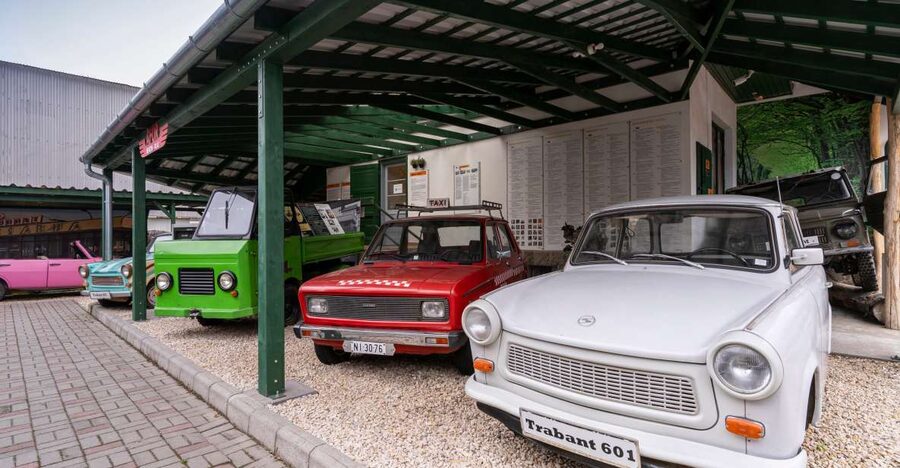
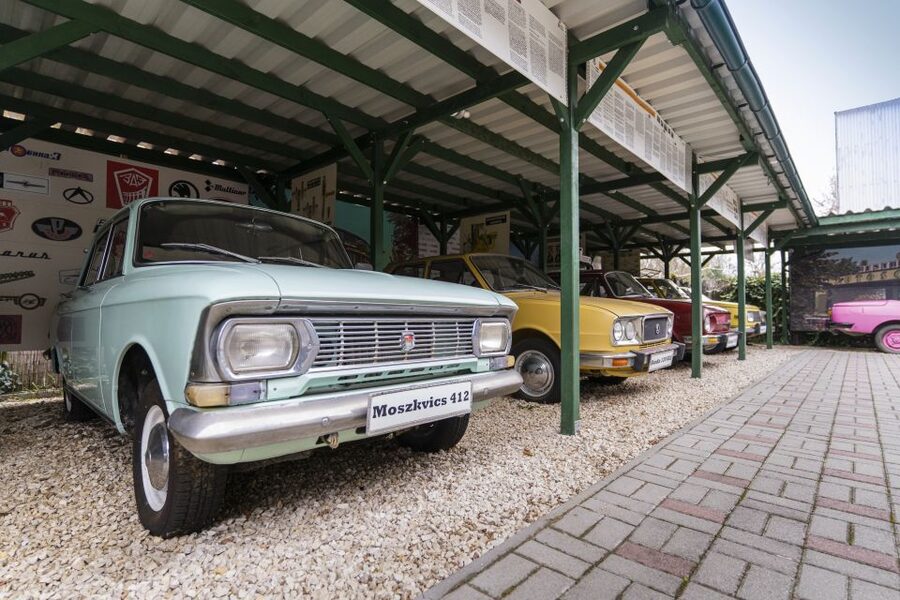
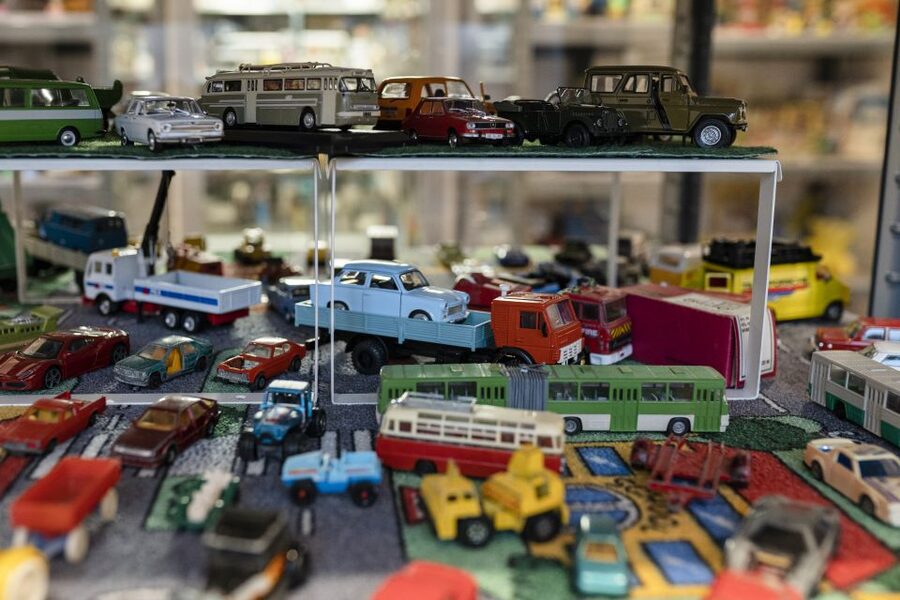
The vehicles are the headline for good reason. The collection includes about 30 vintage cars, and you’ll see names that instantly trigger nostalgia for anyone who grew up with East Bloc brands. Even if you don’t recognize every model, you’ll still appreciate the design language: boxy shapes, distinct colors, and that very era-specific look.
Some of the standout photo and sit-in options include:
- the pink Cabriolet Wartburg, made for picture-taking
- the Trabant, with its iconic silhouette
- the Ikarus bus, the most famous display and a real conversation piece
- models such as Moskvitch and Zhighuli (depending on the arrangement)
You’ll also find vans and supporting vehicles, including a Barkas Furgon van displayed in a hippie-themed way. That might sound playful, but it fits the museum’s overall tone: it doesn’t present everything as museum-gray history. It mixes retro seriousness with a wink, which helps you connect with the objects.
What’s especially good about this section is how physical it feels. You’re not just viewing glass cases. You’re sitting in the vehicles and getting close enough to notice textures and proportions. For many people, that’s the fastest route to understanding how different everyday transport used to look and feel.
Polish Market Diorama and the Camping Scene: tiny worlds with big clues
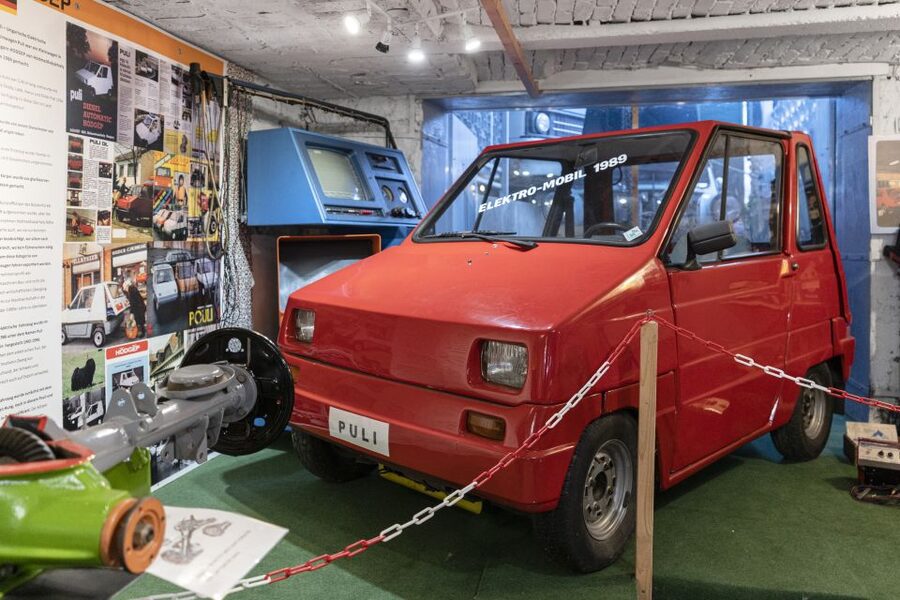
After the vehicles, the displays shift into “look closer” mode. The Polish Market diorama is one of the main attractions, and it’s the kind of scene that rewards patience. It gives you a snapshot of what a busy daily environment might have looked like in that era.
Close by, you’ll also see a camping scene. It’s not just a decorative set. These dioramas help you imagine routines: where people gathered, what spaces were like, and how leisure looked when it was built from the stuff at hand.
If you’re visiting with kids or someone who likes hands-on interpretation, this section is a win. It gives your eyes an immediate structure: find the “action” area, notice the objects, and then compare it to what you know from modern life.
The only caution is that dioramas can quietly eat time. Since you only have about an hour, don’t get stuck trying to read every label first. Take a photo, look around, then move on. You can circle back if you still have energy.
Retro Home Life: toys, TVs, radios, appliances, and the walls of LPs
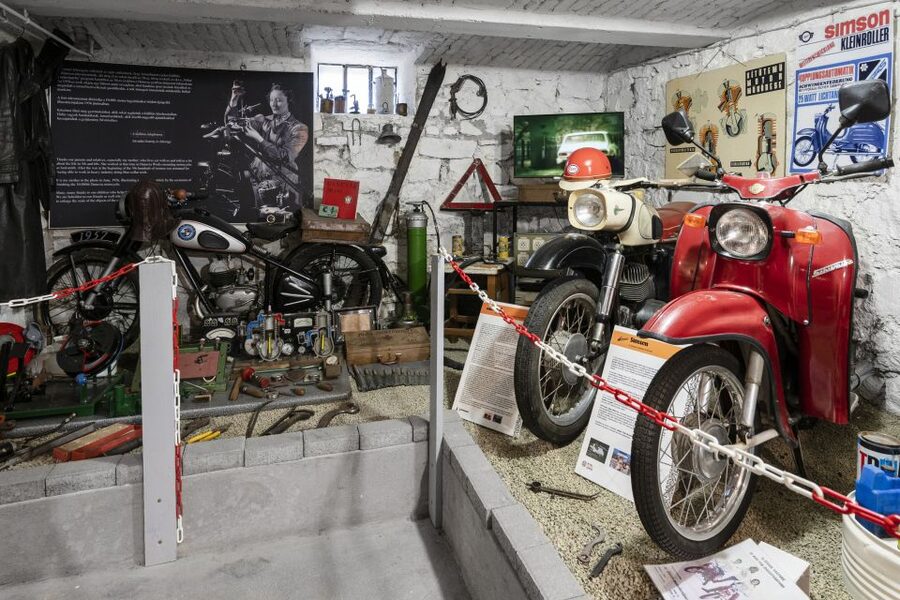
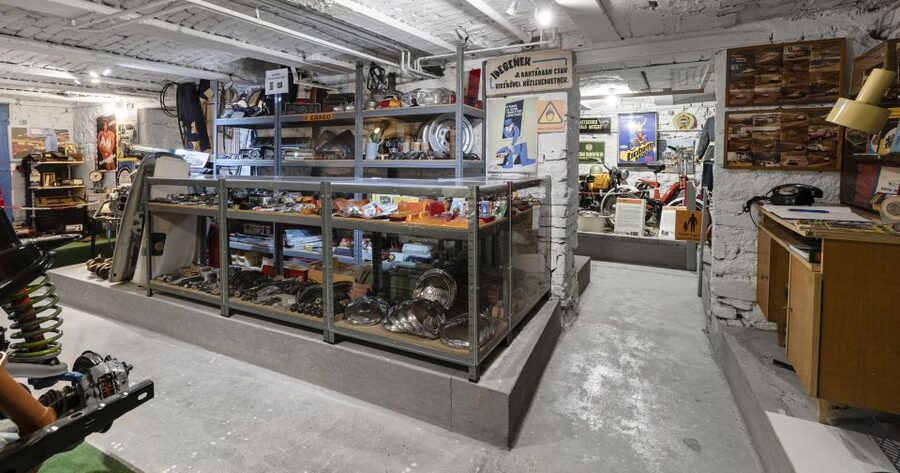
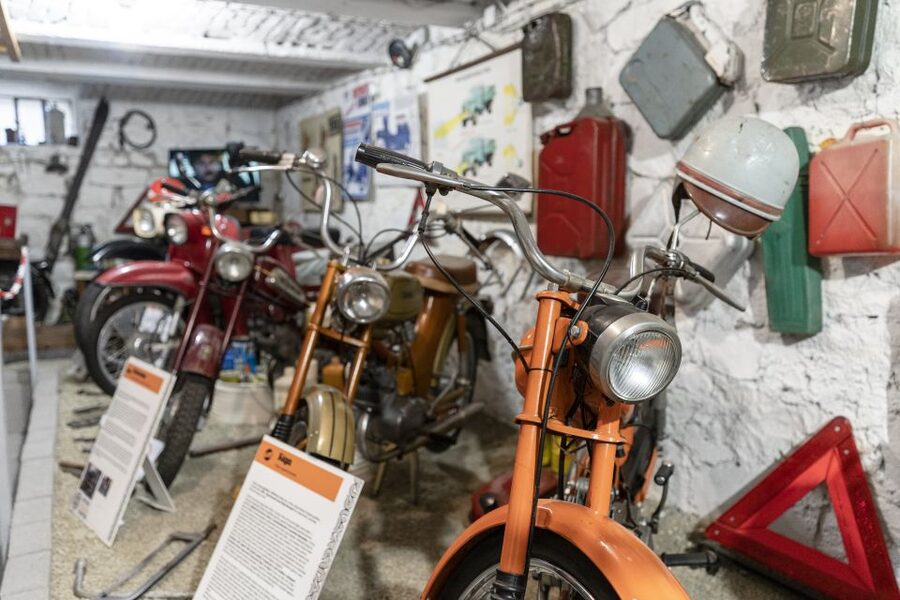
This is the section that turns car nostalgia into lived-in memory. The museum includes displays of retro toys and household items, plus television sets, radios, and appliances. It’s a strong reminder that technology and household goods were part of identity, not just background.
One detail I’d pay attention to: some TVs may show period commercials. It can feel unexpectedly real, because it plugs you into the era through the format of everyday media, not just static objects. Even if you’re not a die-hard TV person, seeing how advertising looked in that time period makes the displays feel less like props.
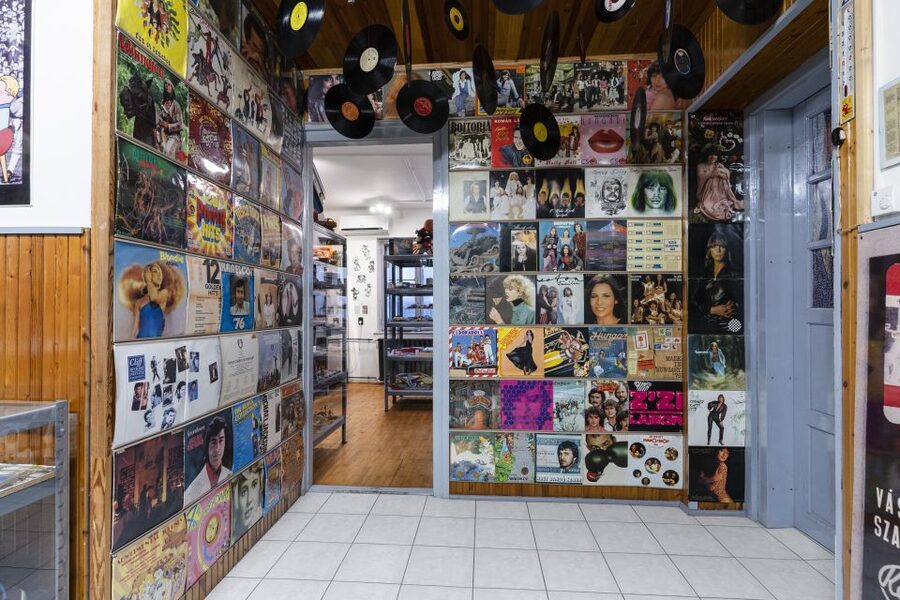
Then there’s the wall display of 70s LPs. That’s an underrated highlight. Records are personal. They also hint at what music culture meant in living rooms then, even if you never learn the exact artist list.
A smart way to experience this section is to think in categories:
- What would be used daily versus rarely?
- What feels playful versus purely functional?
- What objects signal taste, status, or family life?
That way, you get meaning from the clutter, instead of just seeing “old stuff.”
The Furnished Apartment: living room and kitchen in 70s style
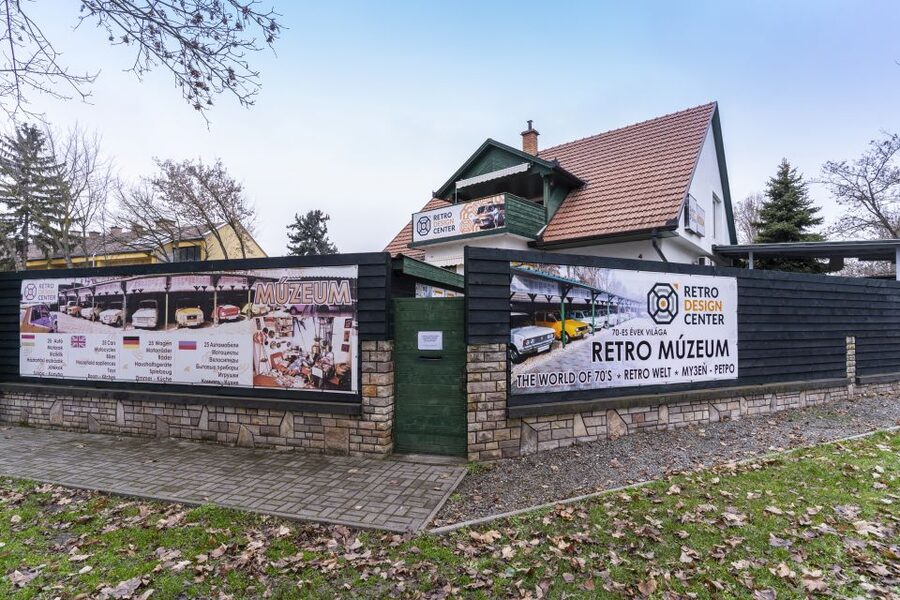
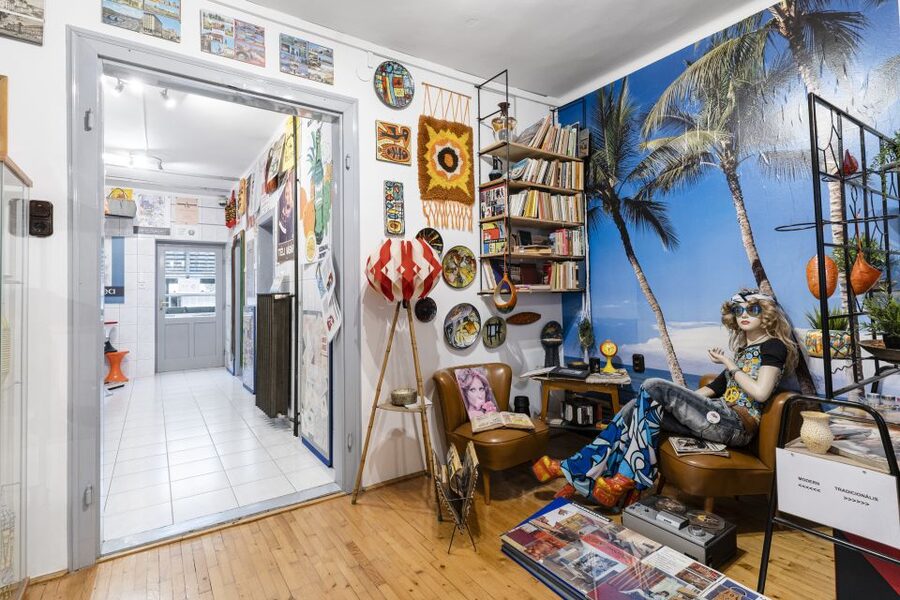
If you want one part that ties everything together, it’s the furnished apartment room settings. You’ll see a living room and kitchen presented in 70s style. The goal isn’t architectural perfection. It’s the atmosphere of how people arranged daily life.
I like these room displays because they help you “place” the objects you saw in other areas. A radio isn’t just a device anymore, it’s something you could imagine in a corner. A TV set feels more believable when you can see where it might have sat. Toys become part of family routine, not just a vintage category.
Read the text you find here too. The museum uses written interpretation, and the language options include English, German, and Russian. Even short reading segments can sharpen the experience, especially if you’re trying to connect the objects to the way Eastern European households operated during that era.

Language Support: English, German, and Russian text guides
This museum uses text interpretation rather than heavy audio narration. The written information is available in English, German, and Russian, which is a big help if you’re traveling with someone who prefers another language.
There’s also an English-speaking host or greeter at arrival. That friendly introduction is more than courtesy. It gives you a starting point for what to look for, especially when you have limited time.
My practical tip: don’t try to read everything. For the best flow in a 1-hour visit, pick one or two areas to read carefully, like the Polish Market diorama text or the notes tied to the room set. Then let the rest be visual.
Price and Value: is $11 per person worth it
At about $11 per person for a roughly 1-hour visit, this ticket is pretty good value if you like retro design, East Bloc cars, and everyday objects. You’re paying for volume and variety more than for high-tech wow-factor.
Here’s what you get for your money:
- access to almost 1,000 square meters of exhibits
- a car collection with major recognizable names like the Ikarus bus
- dioramas such as the Polish Market
- retro household displays, including TVs, radios, appliances, and toys
- a furnished apartment setting
The tradeoff is that the experience is tightly time-based. If you show up late and miss the morning guided tour window, you might feel like you got “just the exhibits” rather than the added context.
So the value equation depends on timing and your interests. If cars and everyday objects from the 70s and 80s are your thing, it’s an easy yes.
Getting There From Budapest and Parking Reality
This is outside Budapest, in a smaller town setting. That matters. The museum is an actual day-trip style stop, so you’ll want to treat it as part of a half-day or full-day outing rather than a quick add-on.
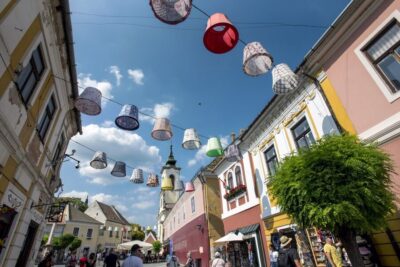
The good news is that the town itself is described as cute and historical, so you can make a pleasant day of it. Even if the museum is the main event, you’re not traveling into a barren area with nothing else nearby.
Parking is not included, so plan around that fact. Depending on how you travel, you might want to research parking or use your preferred transportation option to avoid last-minute stress.
Also, because the guided tour is morning-only, you’ll want to time your departure and arrival. If you wait until the afternoon without checking the schedule, you can still enjoy the exhibits, but you may end up skipping the guided framing.
Who This Ticket Suits Best (and who might want to skip)
This experience is a strong match if:
- you love retro cars and want photo opportunities, especially with vehicles like the Ikarus bus and Trabant
- you enjoy dioramas and themed room sets
- you’re curious about daily life in Eastern Europe during the 70s and 80s
- you like short museums where you can see a lot without a half-day commitment
It may be less satisfying if:
- you need lots of modern interpretive tech, like audio guides and interactive screens (the emphasis here is visual objects plus written text)
- you can only visit late in the day and you were hoping for the guided tour context
- you hate day trips from big cities, since the location is outside Budapest
Should You Book This Entry Ticket?
I’d book it if you want a compact, object-heavy time travel stop, with real photo moments and plenty to look at even if you only have an hour. The $11 price feels fair given the number of vehicles, the room settings, and the dioramas.
My one booking rule: check your timing for the morning guided tour. If you’re flexible, schedule for the morning. If you’re not, go anyway, but plan to lean on the written text guides and let the exhibits carry you.
If you’re already visiting Szentendre or passing through Central Hungary, this is one of those tickets that turns a travel day into a story you can talk about.
FAQ
Where is the Retro Design Center located?
It’s in Central Hungary, in a town outside Budapest.
How long is the visit with this entry ticket?
The visit is about 1 hour.
Is parking included?
No, parking is not included.
What languages are available during the visit?
The host or greeter is English, and the written text guides are available in English, German, and Russian.
Are there guided tours, and when do they run?
There is a guided tour component, and it runs in the morning.
Is there free cancellation?
Yes, you can cancel up to 24 hours in advance for a full refund.
Can I reserve without paying right away?
Yes, you can reserve now and pay later.
What can I see inside the museum?
You can expect retro vehicles like the Ikarus bus and Trabant, displays such as the Polish Market diorama and a camping scene, and retro home items including toys, television sets, household appliances, radios, and walls with 70s LPs.
More Tour Reviews in Szentendre





Further Along the Danube Bend

Reviewed recently around Szentendre
- Szentendre: Arts and Cafés Tour (Half-Day Private Tour)★ 5.0 · 3 reviews
- Private tour: Budapest>Szentendre>Visegrád>Esztergom & back★ 4.1 · 7 reviews
- Budapest by Bike – 1 Day Bike Rental (9am-6pm)★ 4.4 · 7 reviews
- Hungary: Szentendre Retro Design Center Entry Ticket★ 4.5 · 10 reviews
- Szentendre, Visegrád and Esztergom Private Danube Bend Tour★ 4.9 · 23 reviews
- From Budapest: Szentendre Artists’ Village Tour★ 4.0 · 61 reviews
Szentendre and the Danube Bend, compared.
 ★ 4.1From Budapest: Danube Bend & Szentendre Tour with LunchFrom $128824 reviews
 ★ 4.2From Budapest: Danube Bend Day Trip in EnglishFrom $91499 reviews
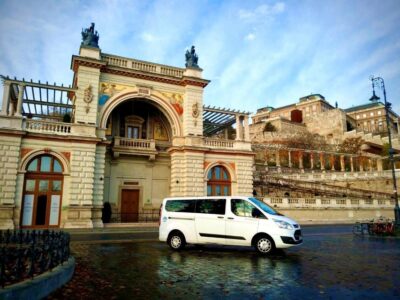 ★ 4.2From Budapest: Full-Day Danube Bend Tour with LunchFrom $122442 reviews
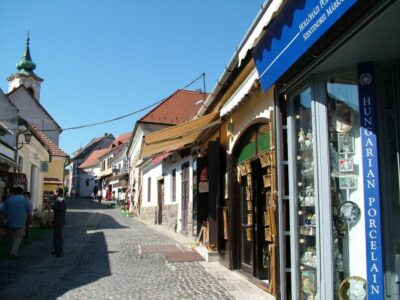 ★ 4.2From Budapest: Szentendre Half-Day TourFrom $73338 reviews
 ★ 4.0Budapest Danube Bend Full Day Tour with LunchFrom $124203 reviews
 ★ 4.5Szentendre Daytrip (Artists’ Village) small groupFrom $95151 reviews
 ★ 4.0Danube Bend: Day trip from BudapestFrom $93125 reviews
 ★ 5.0Private Guided Tour to Szentendre & Visegrád Castle (Danube Bend)From $15193 reviews
Browse the lists this tour appears in