
Review · 3-HOUR EXPERIENCES
Art Nouveau Tour in Budapest: 3-Hour Private Tour
Budapest’s Art Nouveau is hiding in plain sight. On this private 3-hour walk in Pest’s late-1890s peak years, you get the why behind the pretty facades, not just the what. It is built for people who like details, and for anyone who wants Budapest explained through the buildings.
I love how the guide turns architectural trivia into city history, and I love that you can ask questions and get clear answers, including from guide Miklos.
One thing to plan around: the tour starts with a pickup from your accommodation, so you will want to confirm the exact location and timing with the local partner to avoid stress.
In This Review
- Key Things That Make This Art Nouveau Tour Worth It
- Art Nouveau in Budapest, Why It Looks the Way It Does
- Meeting Your Guide Miklos, and How the 3 Hours Work
- Secession (Szecesszió), Hungarian Style Choices, and the Meaning of the Movement
- Facades, Ornament, and the Small Design Clues You Will Start Spotting
- Bee Hives and Symbol Stories on Public Buildings
- Why There Are No Skyscrapers, and What That Tells You
- Budapest on Foot, plus Underground and Tram Context
- What You Actually Get, and the Value at $127 Per Person
- Practical Tips Before You Go
- Should You Book This Art Nouveau Tour in Budapest?
- FAQ
- How long is the Art Nouveau tour in Budapest?
- How much does the tour cost?
- Is this tour private?
- What languages are offered?
- Where does the guide meet you?
- What is included in the tour?
- What is not included?
- What should I bring?
- Is the tour suitable for people with mobility impairments?
- What is the cancellation policy?
Key Things That Make This Art Nouveau Tour Worth It
- Secession (szecesszió) explained clearly, so you know why Budapest’s Art Nouveau took this name and attitude
- Hungarian folk motifs worked into the designs, not just copied decoration
- Beehives as a symbol on public buildings, with the meaning behind the imagery
- Why Budapest has no skyscraper feel, tied to the city’s architectural choices
- A guide who connects the style to everyday life, including the underground and tram system
Art Nouveau in Budapest, Why It Looks the Way It Does
Art Nouveau in Budapest is not just floral swirls on balconies. It is a whole way of thinking about the city at the turn of the 20th century, when Pest was expanding fast and money and pride were both in play. The tour frames everything in that late-1890s to early-1900s mood, so the buildings stop looking random and start making sense.
A big part of the experience is learning why so many late 19th-century facades are packed with ornament. You might walk past these streets and see decoration. On this tour, you learn that those facades were a kind of public resume, telling you who built, what they valued, and what style they wanted to project. You also learn why Budapest did not follow the skyscraper path many other cities did, which changes how you read the skyline and street rhythm.
Meeting Your Guide Miklos, and How the 3 Hours Work
This is a private group tour, and it runs for 3 hours. Your guide meets you at your accommodation in Budapest, then you head together to the first stop. You stay together for the whole time, which matters because it is easier to ask follow-ups when the guide is not swapping out between strangers.
I like the pace of this kind of tour because it is long enough to connect ideas, but short enough that you still feel fresh at the end. And you get practical extras: notebooks, pens, and printed material. That sounds small, but it is helpful when you want to jot down names of architects, terms like Secession, and symbolism like the beehives.
Languages are English, German, and Albanian. If you care about nuance, English usually gives you the most freedom for questions, but the tour being multilingual can also be a comfort if you prefer to listen in your stronger language.
Private guides we booked in Budapest
- Private Budapest TukTuk Tour: Custom Route, Hotel Pickup
★ 5.0 · 1,307 reviews - Budapest Essentials Private Tour Highlights and Hidden Gems
★ 5.0 · 861 reviews - Budapest Private Tuk Tuk Half-Day Tour
★ 5.0 · 606 reviews - Budapest One Way Private Transfer to or from Airport
★ 4.5 · 548 reviews
Secession (Szecesszió), Hungarian Style Choices, and the Meaning of the Movement
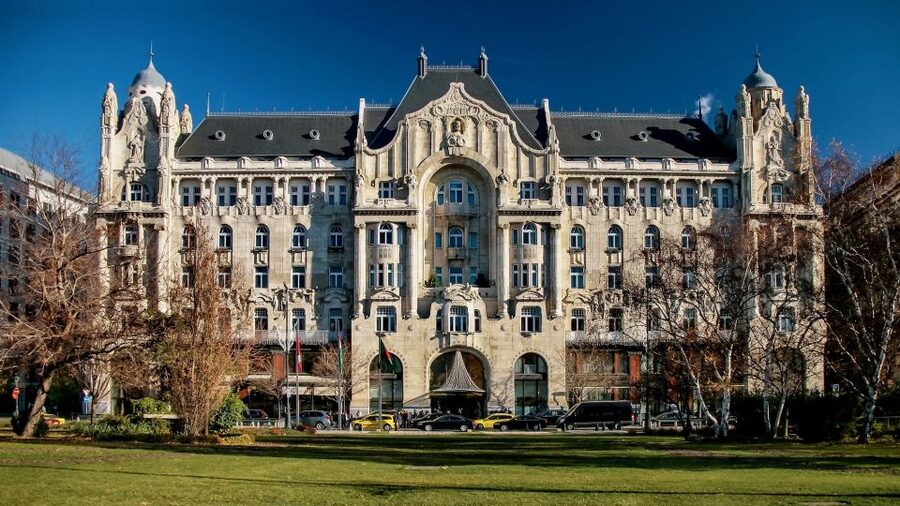
One of the tour’s best strengths is explaining why Art Nouveau is called Secession (szecesszió) in Hungarian. That name is not a side note. It is a clue to the mindset behind the architecture.
You learn that Secession connects to the idea of breaking from older habits and pushing a new look into public view. In practical terms, that helps you spot what is different about the style as you walk: the stronger sense of design on the outside, the way ornament feels planned rather than slapped on, and the mix of modern ideas with local identity.
A key detail you will hear is how Hungarian folk motifs were built into Art Nouveau designs. This is where the tour becomes more than pattern recognition. Instead of thinking of decoration as generic, you start seeing it as cultural storytelling. When you recognize folk motifs, you understand why Budapest’s Art Nouveau feels distinctly Hungarian, not like it was imported and pasted onto the street.
Facades, Ornament, and the Small Design Clues You Will Start Spotting
Even if you do not consider yourself an architecture person, you will get something out of the facade discussion. The tour focuses on late-19th-century buildings and why their surfaces are so decorative. You learn to look for specific choices, like how the design guides your eye across the whole front of a building rather than stopping at the door.
Expect the guide to point out how the ornament fits the era and the city’s growth. Pest at the time was changing fast, and builders wanted to make statements. You get a clearer sense of how fashion, economics, and identity all met at street level.
A fun part is hearing stories about the architects behind these buildings. Even when you only catch a few names, the payoff is that you begin to connect the design to the people and the ambition. It helps you remember the buildings later, instead of only remembering photos.
Bee Hives and Symbol Stories on Public Buildings
The beehives topic is worth your attention because it is specific, and it is the kind of detail you miss without guidance. The tour explains how beehives symbolize on Budapest’s public buildings, and the point is not just the symbol itself. It is about learning how cities use imagery to communicate values.
Symbols like this work like visual shorthand. When you learn what the beehives represent, you start reading the city in layers. Suddenly, the street feels less like a backdrop and more like an open-air museum where design choices have meaning.
If you like symbolism and storytelling, this is the segment where the tour’s architecture focus feels most personal. You are not just standing in front of a building thinking, pretty. You are asking, what were they trying to say?
Why There Are No Skyscrapers, and What That Tells You
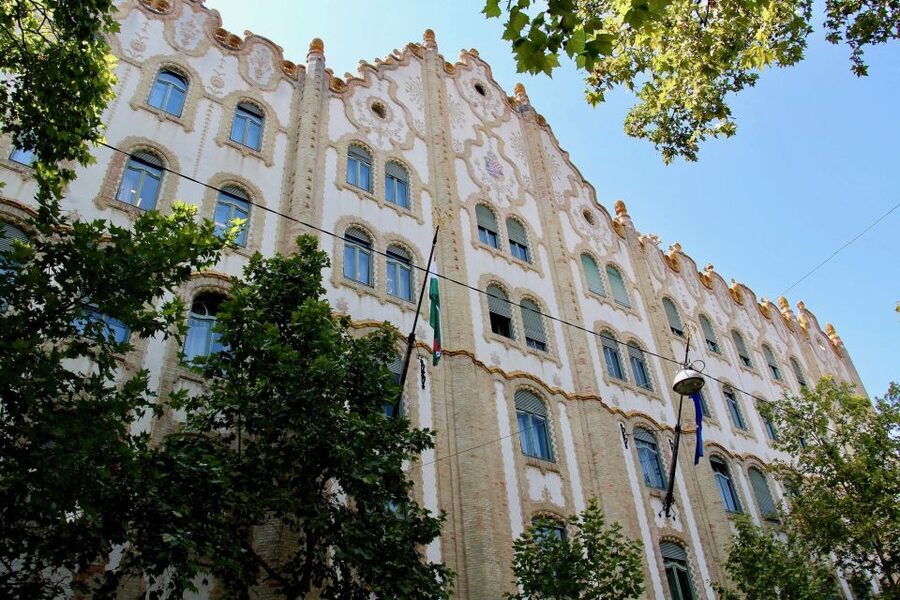
You will also hear why there are no skyscrapers in Budapest. That may sound like a geography riddle, but it is really a prompt to understand planning and style choices. The tour frames it as part of how the city developed architecturally and how different priorities shaped the skyline.
This matters for you because it changes the way you travel. If you know the city did not grow upward in the same way, you start looking sideways and upward at the details that would otherwise blend together. You stop thinking only about the big view and start appreciating the street view.
If you have ever felt like Budapest looks beautiful but a bit inconsistent, this section helps you understand why the mix looks the way it does. The goal is not to force one explanation, but to give you a lens that makes the city more readable.
Other Budapest outings our reviewers kept coming back to
Budapest on Foot, plus Underground and Tram Context
One of the more practical and satisfying touches is how the guide connects architecture to everyday movement, including the underground and the tram system. You do not have to love transit for this to help. The point is that these buildings were made for people who traveled through and around the city, not for tourists looking only at postcards.
When the guide ties the style to how people got around, you understand the logic of streets and districts better. You also get a sense of what kind of city Budapest was becoming at the time, and why Art Nouveau fit that momentum.
What You Actually Get, and the Value at $127 Per Person
At $127 per person for a 3-hour private tour, you are paying for three things: a guide, a focused theme, and time that is tailored to your interests. This is not a quick highlights walk where you get one-liners and move on.
You also get materials that support note-taking, plus a structure that guides you through the Art Nouveau story in a way that ordinary self-guided walking might not. And because it is private, the guide can answer your questions without rushing to keep a large group together.
Is it worth it? If you love architecture, history, or symbolism, yes, because the tour is built around interpretation. If you only want to admire buildings from the street with no explanations, you might find self-guided wandering cheaper. But if you want the meaning behind why Budapest’s late-19th-century facades look the way they do, you will likely feel the value quickly.
The other value kicker is that it includes pickup. That saves you time and reduces decision fatigue. For a theme this detail-heavy, starting with fewer logistical headaches is a win.
Practical Tips Before You Go
Wear comfortable shoes. This is a walking tour, and Art Nouveau details reward you for stopping and looking longer. Bring comfortable clothes too, since you will likely spend time outside in whatever weather Budapest is serving that day.
Plan your question list if you enjoy interactive tours. You can ask about Secession, why the ornament is so heavy on the facades, the folk motif influence, or how beehives and other symbols were used on public buildings. If you care about the architects, ask for names and context early so you can follow the threads as you walk.
Also, think about mobility needs. This tour is not suitable for people with mobility impairments, so if that is a factor, you should look for a different format.
Should You Book This Art Nouveau Tour in Budapest?
Book this tour if you want Budapest explained through Art Nouveau, and you care about the meaning behind details like Secession (szecesszió), folk motifs, and beehive symbols. It is a strong choice for couples, architecture lovers, and history fans who like to ask questions and get clear answers, including from guide Miklos.
Skip or reconsider if you want a low-effort sightseeing stroll, or if the walking and pickup format will be hard for you. Also, if you are picky about meeting points, take a few minutes to confirm pickup location with the local partner so the start stays smooth.
If you do book it, you will walk away with a sharper eye. You will start noticing why the decorations are there, what the city wanted to communicate at the turn of the century, and why Budapest’s look feels the way it does.
FAQ
How long is the Art Nouveau tour in Budapest?
The tour lasts 3 hours.
How much does the tour cost?
The price is $127 per person.
Is this tour private?
Yes, it is a private group tour.
What languages are offered?
The guide speaks English, German, and Albanian.
Where does the guide meet you?
Pickup is included, and the guide meets you at your accommodation in Budapest.
What is included in the tour?
Included items are notebooks, pens, and printed material.
What is not included?
Food and drink are not included, and transportation is also not included.
What should I bring?
Bring comfortable shoes and comfortable clothes.
Is the tour suitable for people with mobility impairments?
No, it is not suitable for people with mobility impairments.
What is the cancellation policy?
You can cancel up to 24 hours in advance for a full refund.
Private Guides in Budapest





More Tours in Budapest




More Tour Reviews in Budapest





Reviewed recently around Budapest
- Audio visual multi-sensory chefs journey dinner experience★ 5.0 · 3 reviews
- Tapolca Cave Lake and Tihany/ Balaton private tour from Budapest★ 4.5 · 3 reviews
- SzentEndre-SaintAndrew City Privately Shopping and Picturesque★ 4.5 · 3 reviews
- Sightseeing flight over Budapest★ 5.0 · 3 reviews
- Self Guided Tour In Budapest With 100 Captivating Audio Stories★ 5.0 · 3 reviews
- Private Danube Bend Visegrad and Szentendre Tour With Transport★ 5.0 · 3 reviews
3-Hour Experiences, compared.
 ★ 4.83-Hour Orientation Walking Tour of Buda and PestFrom $411,834 reviews
 ★ 4.33-Hour Grand City Tour and Castle WalkFrom $491,437 reviews
 ★ 4.43-Hour Live Guided Sightseeing TourFrom $351,041 reviews
 ★ 5.03 Hours Budapest Segway Grand City Tour Buda, Margaret and PestFrom $102255 reviews
 ★ 4.6Budapest 3-Hour Walking Tour in ItalianFrom $41217 reviews
 ★ 4.13-hour City Tour with Castle Walk + 1-hour CruiseFrom $60204 reviews
 ★ 4.03-Hour Live-guided Bus Tour and 1-hour River CruiseFrom $51165 reviews
 ★ 4.5Budapest 3-Hour City TourFrom $36154 reviews
Browse the lists this tour appears in