
Review · AUDIO TOURS
Self Guided Tour In Budapest With 100 Captivating Audio Stories
Budapest tells stories, if you listen. This self-guided setup turns major sights into 100 location-based audio stories, letting you roam with a phone browser and headphones instead of a fixed schedule.
I love the flexible pacing, meaning you can start, pause, and jump around when you want. I also like how the mobile access feels quick for high-demand stops. The main drawback is practical: you need your own smartphone, headphones, and enough internet to stream the audio, since offline access is not included.
In This Review
- Key Points Before You Go
- How This Budapest Audio Tour Works Without an App
- Price and Value: Is 3.62 Per Person Actually a Good Deal?
- Timing Smart: Build a 1 to 8 Hour Budapest Day
- Castle Hill and Buda Side: Buda Castle, Fisherman’s Bastion, and Library Stops
- Parliament, Heroes’ Square, and the Big Monument Stops
- Chain Bridges and Danube Walking: The Best Part to Listen While Moving
- Gellért Hill and Underground Curiosities: Views Plus the Strange Stuff
- Jewish Budapest and Music Landmarks: Synagogue, Academy, and Quiet Learning
- Market, Squares, and Everyday Budapest: Central Market Hall and Vörösmarty Ter
- Libraries, Science, and Schools: Where Stories Meet Architecture
- Stations, Shopping, and the Surprise Beauty of Transit
- Andrássy Avenue, Financial Buildings, and the Streets That Tie It Together
- Parks, Islands, Sports, and Leisure Stops: Margaret Island to City Park
- Gellért to Buda Side, One More Danube Bridge, Then Call It a Day
- Quick Checklist Before You Start Listening
- Should You Book This Budapest 100-Story Audio Tour?
- FAQ
- How do I access the audio guide?
- Do I need to download an app or audio files?
- Does it work offline?
- What language is the audio guide offered in?
- How long is the tour?
- Is there a live guide with this experience?
- Can I cancel and get a refund?
- Is it suitable for hearing-impaired travelers?
Key Points Before You Go

- 100 short, location-based audio stories: you can pick the parts of Budapest you care about most and keep the rest for later.
- Web app access, no downloads: you activate the audio through a link and use your browser with a map.
- Designed for on-the-go listening: each stop is short, so it works even when you only have an hour or two.
- Mobile ticket can save time at big attractions: people use the quick access for places like St. Stephen’s Basilica.
- Outdoor walking route with lots of major sights: good for first-timers, and you learn more just by passing landmarks.
- English audio: ideal if you want stories in a single language for smooth listening.
How This Budapest Audio Tour Works Without an App
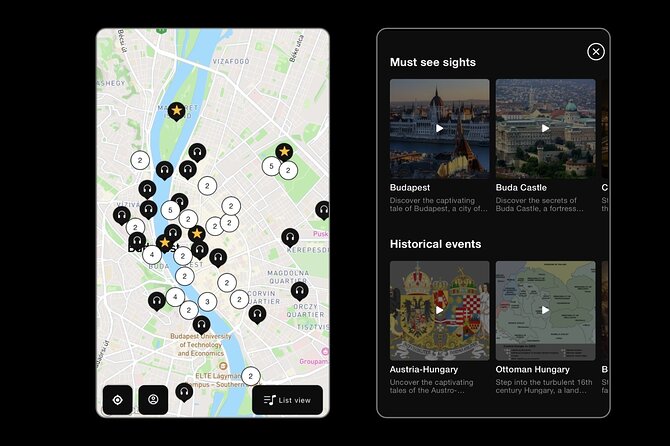
This is a self-guided audio experience built around a web app. You use a mobile ticket to activate access, then you follow a map in your browser, listening through your own headphones. No app install, no complicated setup. Just connect your phone to the internet and press play when you reach each stop.
What that means for you is speed and freedom. You can wander the streets, pause for photos, step into a church or market area if you feel like it, then continue when you’re ready. Since it’s location-based, the audio is meant to sync with where you are, so the stories act like a walking tour replacement.
One thing to plan around: the audio needs connectivity. The tour does not include offline access, so you’ll want a data plan or reliable Wi-Fi, and you should keep an eye on battery. On long walking days, bring a power bank and avoid running your phone down early.
Price and Value: Is 3.62 Per Person Actually a Good Deal?
At about $3.62 per person, this is priced like a low-cost way to “upgrade” your independent sightseeing. You’re not paying for a live guide’s time. You’re paying for a structured route, soundscapes, and narration you can trigger on demand.
That value fits a certain style of trip. If you like to explore at your own pace and you don’t want to lock yourself into a group tour time, this is a smart use of money. You also get options, since the stories can be started and stopped at any place you choose.
If you prefer deep museum time or lots of Q and A, you’ll still want other plans. This kind of audio tour shines as a walking layer over your day, not as a replacement for everything. Also, it’s marked as not recommended for travelers with hearing impairment, which matters if audio clarity and volume control are hard for you.
Guided formats we tried in Budapest
- Budapest: Parliament Building Entry Ticket and Audio Guide
★ 4.5 · 3,844 reviews - Budapest: Opera House Guided Tour
★ 4.6 · 1,533 reviews - Budapest Small-Group Guided Tour on MonsteRoller e-Scooter
★ 5.0 · 1,517 reviews - Budapest: Guided Tour of the Parliament Building in Spanish
★ 4.6 · 1,240 reviews
Timing Smart: Build a 1 to 8 Hour Budapest Day
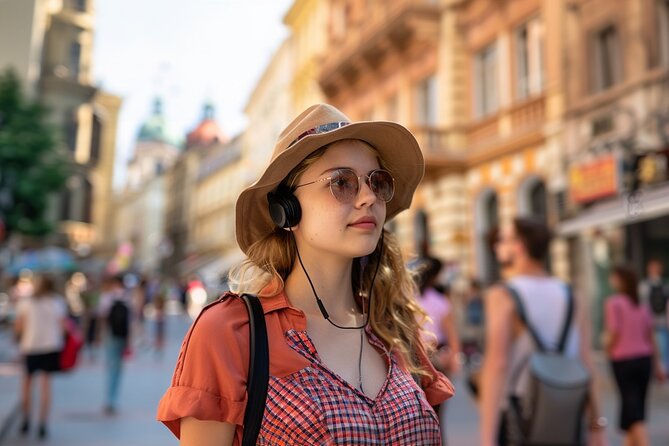
The experience is flexible from 1 to 8 hours. That’s a big deal in Budapest because you often choose between a castle-side morning and a Pest-side afternoon. With a route like this, you can build a mini loop or stretch it longer.
My practical suggestion: aim for “clusters” instead of trying to hit everything. If you only have a couple of hours, stick to one area where you can move easily on foot. If you have half a day, connect major sights by the walkable corridors you already want to see, like the river promenade and the downtown squares.
Also, remember most stops are about 10 minutes, with a couple around 20 minutes. These are not long lectures. They work best as short orientation and story hits, so you’ll get the most if you listen while you’re looking at the landmark right in front of you.
Castle Hill and Buda Side: Buda Castle, Fisherman’s Bastion, and Library Stops
Start with Buda Castle, because it sets the tone. The audio story at Buda Castle takes about 20 minutes, and it’s built around a fortress that carries centuries of battles and royalty. Even if you don’t go deep into museums, the castle area gives you drama, stone walls, and a big “Budapest from above” feeling.
Then take a shot at Fisherman’s Bastion, about 10 minutes. You’ll hear the folklore angle while you enjoy those panoramic views over the Danube. Practical note: this is a place where photos tempt you to extend your stop, so keep your listening timed so you don’t feel rushed or miss your next cluster.
For a learning-and-architecture twist, check National Széchényi Library, also about 10 minutes. It’s described as a royal journey through Hungarian culture and knowledge, and the story framing is a good match for anyone who likes buildings that look like they were designed to hold ideas.
Finally on Buda side, watch for the quiet but interesting stop at Gül Baba’s Tomb (Gul Baba Turbeje), about 10 minutes. The audio is set up around a mix of spirituality and steep-street history near Mecset Street. If you’re doing this on a warm day, it’s a nice pause from the bigger crowds and viewpoints.
If you’re building a Buda-focused day, this section gives you a strong arc: power at the castle, views at Fisherman’s Bastion, culture at the library, and a calmer spiritual stop nearby.
Parliament, Heroes’ Square, and the Big Monument Stops
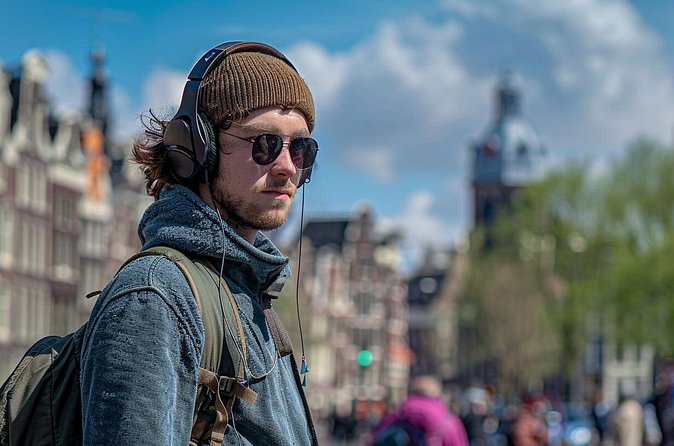
From Buda you’ll drift toward the center of power and national memory. The audio story at Budapest’s Parliament Building is about 10 minutes, framed as a symbol of Hungary’s past and present. Even without entering, the building’s mass and river-side position make it easy to understand why it’s a focal point in Budapest photos.
Next is Heroes’ Square, about 10 minutes. This is a “look up and take it in” stop, and the audio centers on the Millennium Monument and the square’s framing by the Museum of Fine Arts and the Palace of Art. It’s also a great place to listen because it’s open, so you can pause without feeling trapped in tight streets.
If you want one more landmark-heavy push in the same general mood, include Liberty Statue for about 10 minutes. The audio story treats the statue as a symbol of resilience, which gives you a better reason to slow down than just taking a quick picture.
One consideration: these major monument areas are visually intense. Ten minutes is a good match for keeping focus, but if you like to stare longer, plan extra time in your day so the audio doesn’t make you feel like you must rush.
Chain Bridges and Danube Walking: The Best Part to Listen While Moving

Budapest’s bridges are perfect for audio walking, because the views change every few steps. The route includes Chain Bridge Lion Statues for about 10 minutes. You get the setting of the Széchenyi Chain Bridge through a detail-focused lens, which is a smart way to avoid seeing the bridge as just a backdrop.
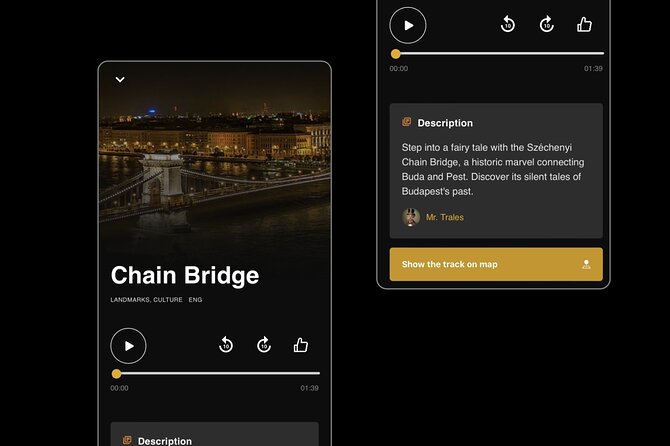
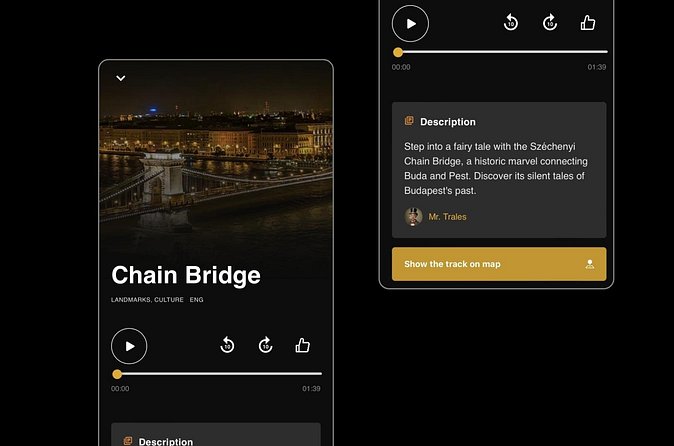
Then hit Széchenyi Chain Bridge itself, about 10 minutes. The audio frames it as a historic marvel connecting Buda and Pest, with a focus on the “silent tales” of Budapest’s past. If you only do one bridge story, this is the one to prioritize.
After that, cross into the river experience with Margaret Bridge for about 10 minutes. The audio is set up around history and myth, using the bridge’s art nouveau character as context. It’s a nice transition if you’re moving between river neighborhoods rather than just circling downtown.
For the emotional hit, don’t skip Shoes on the Danube Bank at about 10 minutes. The audio focuses on the memorial’s haunting concept and the stories behind each pair. This is also where headphones matter most, because the moment is meant to feel intimate, not like background noise.
Then keep walking along Danube River for about 10 minutes. The audio turns the promenade’s hotel-lined grandeur into a time-travel feel, which helps you notice what you normally speed past.
To close the loop on bridge variety, add Liberty Bridge (Szabadság hid) for about 10 minutes and Erzsebet Bridge for about 10 minutes. The first is presented as a charming art nouveau design with history and myth, and the second leans into tragedy and rebirth. These two give you contrast, which makes the Danube feel like more than one long straight photo line.
Go at your own speed instead
Gellért Hill and Underground Curiosities: Views Plus the Strange Stuff
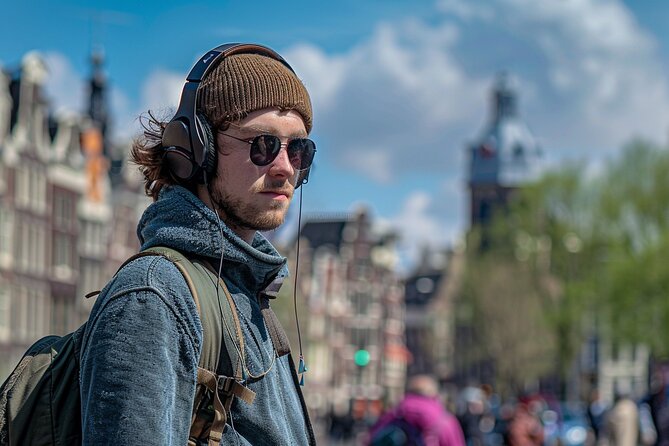
Gellért Hill is one of those places where Budapest feels like it has layers, and this route leans into that. The audio story at Gellert Hill is about 10 minutes, with a mix of folklore and stunning views. It’s a strong “pause and look around” stop because you’ll see the city spread out, then hear how people connected the hill to stories over time.
If you like the unusual, include Citadella for about 10 minutes, still tied to the hill. It’s framed as fortress history overlooking the city, which pairs well with the big views you get from that area.
For something more unexpected, add Gellert Hill Cave for about 10 minutes. The audio introduces a hidden underground world where legends intertwine with the place. Even if you can’t or don’t go inside any deeper areas, the story theme can make the site feel more intentional, like a secret chapter of the city.
Practical note: this section is made for walking, and you’ll want good shoes. Slopes are real here, and short stops become longer if you’re stopping for photos while the wind is cold.
Jewish Budapest and Music Landmarks: Synagogue, Academy, and Quiet Learning
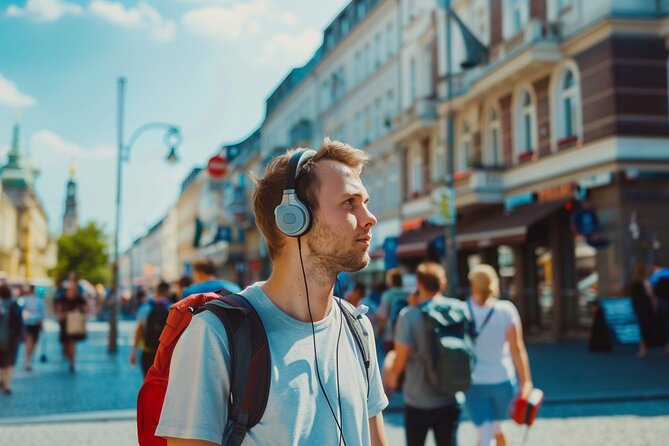
For a cultural contrast, make space for Great/Central Synagogue (Nagy Zsinagoga), about 10 minutes. The audio story highlights it as Europe’s largest synagogue, focusing on the grandeur and history around Dohány Street Synagogue. This stop is a reminder that Budapest’s “top sights” are also about identity and community, not just architecture.
Then swing to music with Franz Liszt Academy of Music for about 10 minutes. The audio frames it through musical legends, talent, and timeless melodies. If you enjoy classical music or just like buildings that feel dedicated to craft, this is a quick stop with a nice emotional tone.
If you want another learning-and-innovation layer, include Semmelweis Museum of Medical History (Orvostorteneti Muzeum) for about 10 minutes. The story mentions Semmelweis University and its founding in 1769, and it’s set up around historic breakthroughs and medical legends. This is a good stop when you want a different kind of “Budapest story” that doesn’t rely on fortresses or political buildings.
Market, Squares, and Everyday Budapest: Central Market Hall and Vörösmarty Ter
You’ll want at least one food and streetscape stop so the day feels real. Central Market Hall (Great/Central Market Hall) is about 10 minutes and is described as a vibrant hub of culture and cuisine. The audio angle is tied to visionary urban planning, which helps you look past the stalls and see the building as a city idea.
Then connect into downtown life with Vörösmarty Square (Vorosmarty ter) at about 10 minutes. The audio calls it a living flip book of heritage since 1812, which makes it a fun place to listen while you watch street life.
Add Deák Ferenc Square for about 10 minutes. The story framing is about the city’s pulse with transport lines and busy intersections, which makes sense as a listening moment if you’re using the square as a way to navigate rather than just admire.
For a more political angle, include Kossuth Lajos Square, about 10 minutes. The audio focuses on the heart of Budapest and the hidden tales that shaped the square. It’s another place where the story gives you context so you’re not just looking at a monument in passing.
And if you want a calmer nearby stop, Batthyany Square is about 10 minutes and is framed around power and legacy. These squares work best if you keep your expectations realistic: ten minutes means you’re getting meaning, not a full lecture.
Libraries, Science, and Schools: Where Stories Meet Architecture
Budapest has “thinking buildings,” and this route includes several. National Archives of Hungary is about 10 minutes and is presented as a treasure trove of secrets from the past. If you like the idea of documents and records as character in a story, this is a good fit.
Then there’s Metropolitan Ervin Szabó Library for about 10 minutes. The audio describes it as a palace turned sanctuary of knowledge. It’s a nice change of pace from politics and bridges because the story language feels designed to make you slow down and appreciate a building’s mood.
For a high-level science stop, include Hungarian Academy of Sciences, about 10 minutes. The audio says it has been a beacon of knowledge and progress since 1825, which gives the building a timeline you can feel even before you read anything.
You can also tie in a modern academic vibe with Universita Corvinus Di Budapest for about 10 minutes. The story is about history and a vibrant academic community. It’s a useful stop if you want Budapest to feel like a living city today, not only a museum.
For healthcare learning, add Semmelweis Museum as mentioned earlier, and you’ve got a neat trio: records, knowledge buildings, and medical breakthroughs.
Stations, Shopping, and the Surprise Beauty of Transit
Not every Budapest story has to be about a church or palace. If you like architecture that hides in plain sight, don’t skip the transit stops.
Nyugati Railway Station Royal Waiting Room is about 10 minutes. The audio describes surprising elegance and specifically notes it was designed by the creators of the Eiffel Tower. If you go, the waiting room is exactly the kind of “wow, someone cared” space that makes a short audio stop feel worth it.
Then include Budapest-Keleti for about 10 minutes. The story frames Keleti as a mesmerizing architectural gem tied to Hungary’s railway history. Even if you only do the outside or a quick look, listening gives you a reason to focus on details instead of rushing to your next ride.
For a shopping-era story, include Westend for about 10 minutes. The audio focuses on the rise and fall of the iconic shopping center. It’s an interesting counterpoint to heritage stops because it treats recent development as part of Budapest’s ongoing story.
If you want a slightly different neighborhood mood, include Újlipótváros for about 10 minutes. The audio is about hidden gems where history meets modern charm. Keep your expectations flexible, because neighborhood strolls reward you more if you slow down.
Andrássy Avenue, Financial Buildings, and the Streets That Tie It Together
Budapest’s elegance shows up on certain streets, and Andrássy Avenue is one of them. The audio story is listed as about 10 minutes and frames it as a Neo-Renaissance treasure trove of stories and elegance. Listening here makes your walk feel intentional, especially if you’re traveling between major sites.
The same “city design meets meaning” idea shows up at Hungarian National Bank Headquarters for about 10 minutes. The audio points to national pride and economic strength and hints at stories behind cryptic currencies and transitions. It’s not just a financial stop, it’s a reminder that money and symbolism are linked.
If you want a quick national backbone stop on the route, include Liberty Square (listed as the story tied to that area) for about 10 minutes, described with history echoes and the hidden past behind the Hungarian National Bank’s facade. That pairing makes the square feel connected rather than random.
And if your day includes transit changes, Batthyany Square and Deák Ferenc Square help you understand why these points matter in the city’s layout.
Parks, Islands, Sports, and Leisure Stops: Margaret Island to City Park
Budapest is not only monuments. It’s also breathing room, and this route includes several stops where nature and leisure fit the audio style.
Margaret Island is about 20 minutes, with a theme of history and nature together. The audio setup makes it a nice break from dense sightseeing, and it’s also a perfect place to slow your pace because the scenery gives you fewer reasons to rush.
If you like active spaces, include Millenaris for about 10 minutes. The story frames it around the velodrome and a 412-meter track. Even if you just walk through the area, the fact that it’s tied to sports history can change how you see the buildings.
For a seasonal fun angle, include Varosligeti Mujegpalya Es Csonakazoto for about 10 minutes, described as the City Park ice rink and a leisure area. It’s a good stop when you want “Budapest today” energy, not just monuments.
Then add City Park for about 10 minutes, described as historic charm across 302 acres. Listening helps you see the park as more than a green gap between attractions.
Gellért to Buda Side, One More Danube Bridge, Then Call It a Day
This audio route is flexible enough that you don’t need to force a strict order. You can repeat themes by coming back to bridges, castle viewpoints, and squares on different days if you’re staying longer than a weekend.
But if you’re working with limited time, keep it simple: do castle-side landmarks, then connect downtown and monuments, then finish with the river walk and memorial. The river is where the story pacing feels most natural because your surroundings keep changing.
Quick Checklist Before You Start Listening
You’ll have the best experience if you go in prepared.
- Bring your own headphones and a charged phone.
- Make sure you have internet access for audio streaming, since offline access is not included.
- Use the web map to decide which stops to prioritize first.
- Keep stops realistic: many are about 10 minutes, so save longer “must-see” attractions for separate ticketed time.
- Plan for walking, because it’s outside-focused and designed around passing major sights.
Also, the experience is set up so that it’s privately run for your group. There’s no physical in-person guide, so the audio is the guide.
Should You Book This Budapest 100-Story Audio Tour?
I think it’s a strong choice if you want a budget-friendly way to understand Budapest fast and flexibly. At $3.62 per person, the value is in the structure: you get a lot of famous stops turned into short, story-driven listening, with a web map you can control start to stop.
You should consider skipping it if you rely on offline audio, if your phone battery is usually a problem, or if you have hearing impairment. It’s also not the best fit if you want deep, guided museum explanations every step of the way. In that case, pair it with at least one in-person experience.
For most people doing a first or second trip to Budapest, this kind of audio walk is a great way to turn “I saw it” into “I understood it,” while still keeping your day your own.
FAQ
How do I access the audio guide?
You access it through a mobile ticket and a web app with a map. You activate the audio using a link that’s designed to be quick and easy to use in your browser.
Do I need to download an app or audio files?
No. The tour is accessed through your smartphone browser, and it does not require cumbersome downloads.
Does it work offline?
No. Offline access is not included, so you’ll need internet access on your phone.
What language is the audio guide offered in?
It’s offered in English.
How long is the tour?
It runs for about 1 to 8 hours, depending on how many stops you choose and how long you listen and look around.
Is there a live guide with this experience?
No. It’s self-guided, with audio storytelling and soundscapes. You’ll bring your own smartphone and headphones.
Can I cancel and get a refund?
No. This experience is non-refundable and cannot be changed for any reason.
Is it suitable for hearing-impaired travelers?
It is not recommended for travelers with hearing impairment.
With a Guide in Budapest





More Tours in Budapest





More Tour Reviews in Budapest





Reviewed recently around Budapest
- Audio visual multi-sensory chefs journey dinner experience★ 5.0 · 3 reviews
- Tapolca Cave Lake and Tihany/ Balaton private tour from Budapest★ 4.5 · 3 reviews
- SzentEndre-SaintAndrew City Privately Shopping and Picturesque★ 4.5 · 3 reviews
- Sightseeing flight over Budapest★ 5.0 · 3 reviews
- Self Guided Tour In Budapest With 100 Captivating Audio Stories★ 5.0 · 3 reviews
- Private Danube Bend Visegrad and Szentendre Tour With Transport★ 5.0 · 3 reviews
Audio Tours, compared.
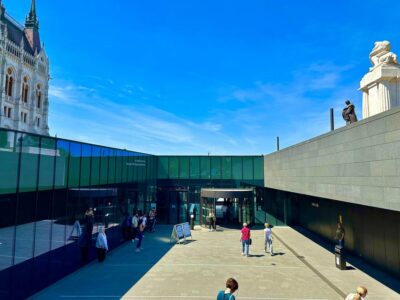 ★ 4.5Parliament Building Entry Ticket and Audio GuideFrom $453,844 reviews
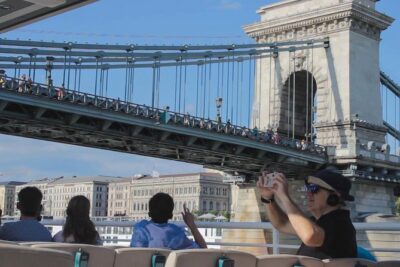 ★ 4.5Budapest Danube Cruise with Drink, Audio Guide, Margaret IslandFrom $241,036 reviews
 ★ 4.1Danube River Sightseeing Cruise with Audio GuideFrom $141,002 reviews
 ★ 4.0Parliament Tour in Budapest with Audio GuideFrom $43814 reviews
 ★ 4.5Budapest River Cruise with 1 Free Tokaj Frizzante and Audio GuideFrom $16473 reviews
 ★ 4.5Budapest Paddle Steamer Danube Cruise with Tokaj & Audio GuideFrom $16338 reviews
 ★ 3.5Budapest Audio Guide Cruise with Day, Sunset and Night OptionsFrom $14295 reviews
 ★ 3.5Sightseeing Cruise on the Danube with Audio Guide in BudapestFrom $14229 reviews
Browse the lists this tour appears in