

Review · HOP-ON HOP-OFF AND BUS TOURS
Budapest: City Sightseeing Hop-On Hop-Off Bus Tour & Extras
Budapest is easier when the city moves for you. I like this setup because it blends flexible hop-on hop-off sightseeing with a guided walking tour that fills in the lanes the bus cannot. You get the big-ticket hits like the Hungarian Parliament Building and St Stephen’s Basilica, plus the Jewish quarter on Dohány Street.
One thing to keep in mind: the day you go matters. Buses run up to a last departure at 5pm, and traffic plus occasional onboard audio issues can make timing and listening a little less smooth.
In This Review
- Key things to know before you ride
- Why Budapest fits the hop-on hop-off style so well
- Price and value: what $41 buys you in real sightseeing time
- Buses, timing, and how to plan your day without stress
- The Red Route: major stops and what each area is best for
- Pest highlights: Basilica, Chain Bridge, Andrassy Avenue, and Heroes’ Square
- Dohány Street: Jewish Synagogue, Museum, and the memorial area
- Central Pest comfort stops: Keleti, shopping, and quick breaks
- The Buda side: Castle area and Citadel viewpoints
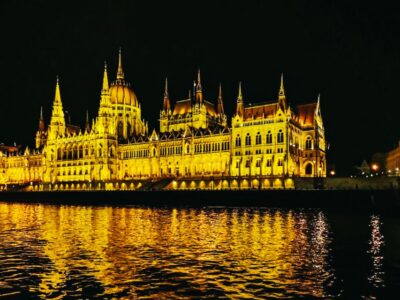
- The finish: Parliament and how to time it for photos
- A quick route note: Astoria stop closures
- The walking tour at 11am: what it covers and why it matters
- Audio guide experience: how to use it well while riding
- The Danube river cruise and discount booklet, what to expect
- What I’d do step by step: a simple, realistic Budapest plan
- Drawbacks and tradeoffs to expect (so you can plan around them)
- Should you book this Budapest hop-on hop-off pass?
Key things to know before you ride
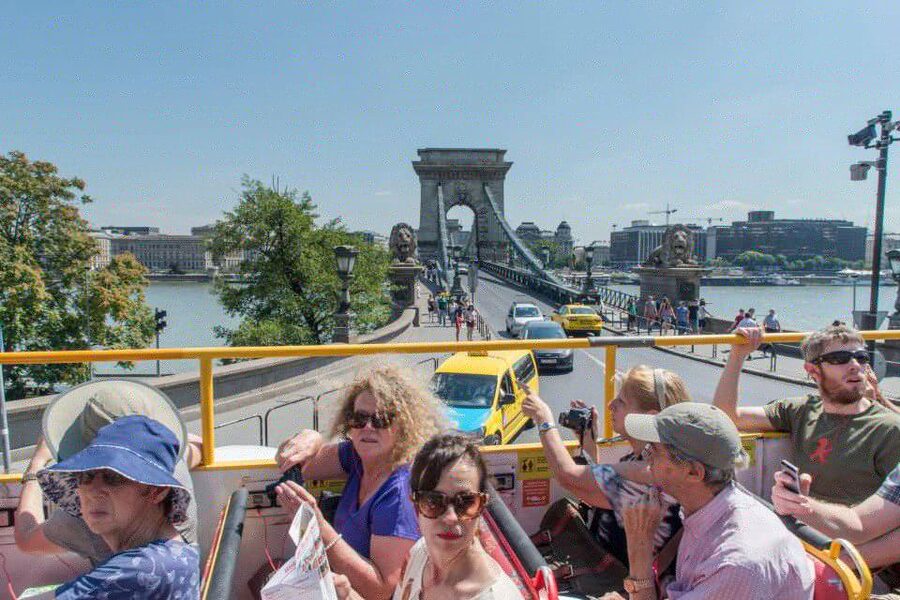
- A 24, 48, or 72-hour pass lets you plan your own loop and repeat stops when you want.
- A daily 11am walking tour tightens the story behind major sights, including Shoes on the Danube Bank and Váci Fashion Street.
- Frequent departures and a 90-minute circuit make it practical to hop on, do one area, and hop off again.
- Stops near the top sights include Parliament, St Stephen’s Basilica, Chain Bridge, Andrássy Avenue, Heroes’ Square, and the Dohány Street Synagogue.
- Audio guide in 15 languages helps you follow along without needing a live guide on the bus.
- A river cruise may be included depending on date, with a note that it stops being included from Wednesday 10th December.
Why Budapest fits the hop-on hop-off style so well
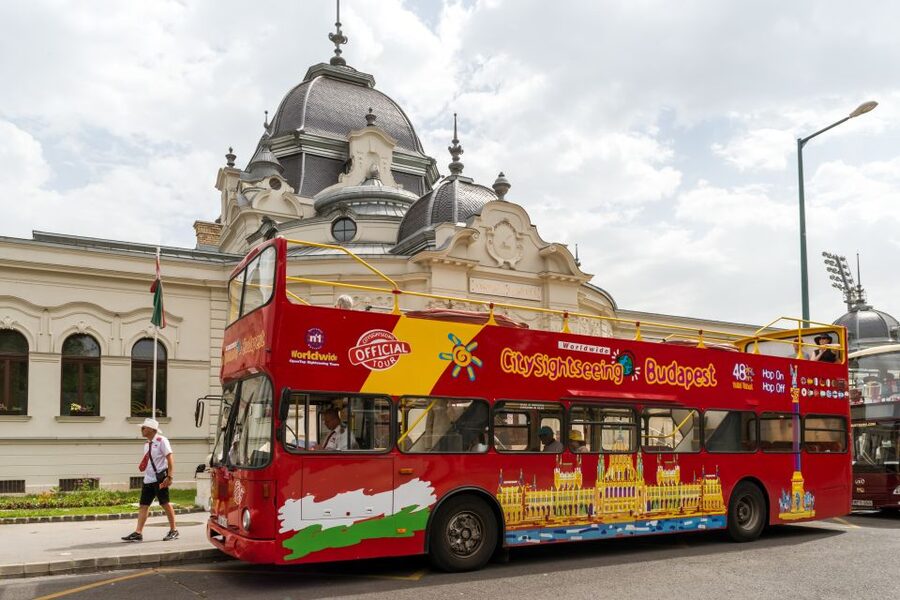
Budapest is two cities on top of each other. You’re constantly shifting between Pest on the riverfront and Buda up on the hills, and that vertical change is where a bus pass earns its keep.
I like that this doesn’t try to cram everything into one rigid schedule. You can ride the loop to get oriented, then return to the places you actually want to linger at, like Parliament for photos or St Stephen’s Basilica for a slower look at the interior.
The tour also covers a lot of ground that would feel exhausting on foot. Even when the weather is decent, hills and long stretches add up fast, especially if you plan museums and viewpoints.
Price and value: what $41 buys you in real sightseeing time
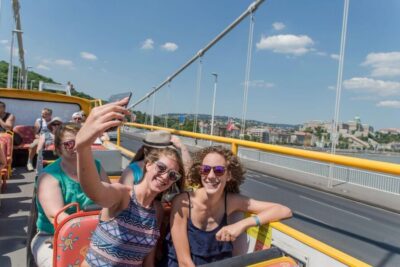
This experience is priced around $41 per person and works for 1 to 3 days depending on whether you choose 24, 48, or 72 hours. At this price, the value comes from three parts you can reuse: the hop-on hop-off bus itself, a guided walking tour, and a 15-language audio guide.
The bus is the flexible backbone. The walking tour is the quality upgrade, since it helps you understand what you’re looking at instead of just scanning buildings from the sidewalk.
If you’re only doing one day, the 24-hour pass can be enough to hit the major sights in a sensible order. If you want to take photos at different times, visit one or two museums properly, or use the bus as transport between neighborhoods, the 48-hour and 72-hour options usually feel like smarter money.
Bus routes and combo tickets, compared
- Budapest: Big Bus Hop-On Hop-Off Tour & Danube River Cruise
★ 4.2 · 3,794 reviews - Budapest: Floating Bus Tour by Land and Water
★ 4.3 · 3,342 reviews - Big Bus Budapest Hop-On Hop-Off Bus and Walking Tour
★ 3.5 · 2,206 reviews - Budapest Private Full Day City Sightseeing Tour Walking or by Car
★ 5.0 · 299 reviews
Buses, timing, and how to plan your day without stress
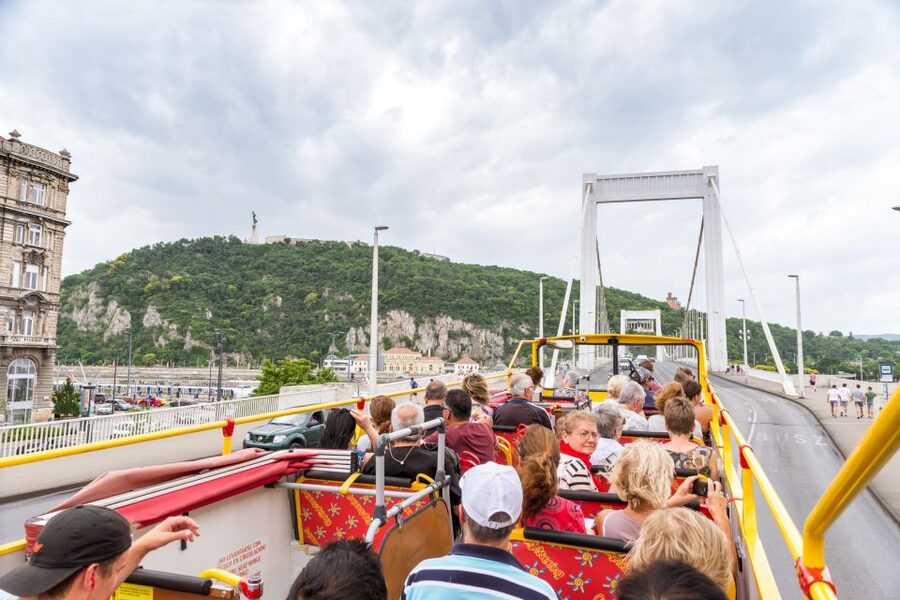
You’re working with a practical schedule. From Stop 1 (St Stephen’s Basilica), the first departure is at 9am and the last departure is at 5pm, with buses running about every 10 to 20 minutes.
The full circuit takes around 90 minutes, so you’re not stuck waiting forever if you hop off to eat, shop, or tour one attraction. In practice, that means you can do a first loop to get bearings, then build your second day around the exact stops you care about.
One planning detail to watch: the route is designed as a loop, so your stop order matters. If you want to see one hilltop viewpoint and then the Jewish quarter, do it in an order that matches how the route flows, rather than bouncing back and forth across the city.
The Red Route: major stops and what each area is best for
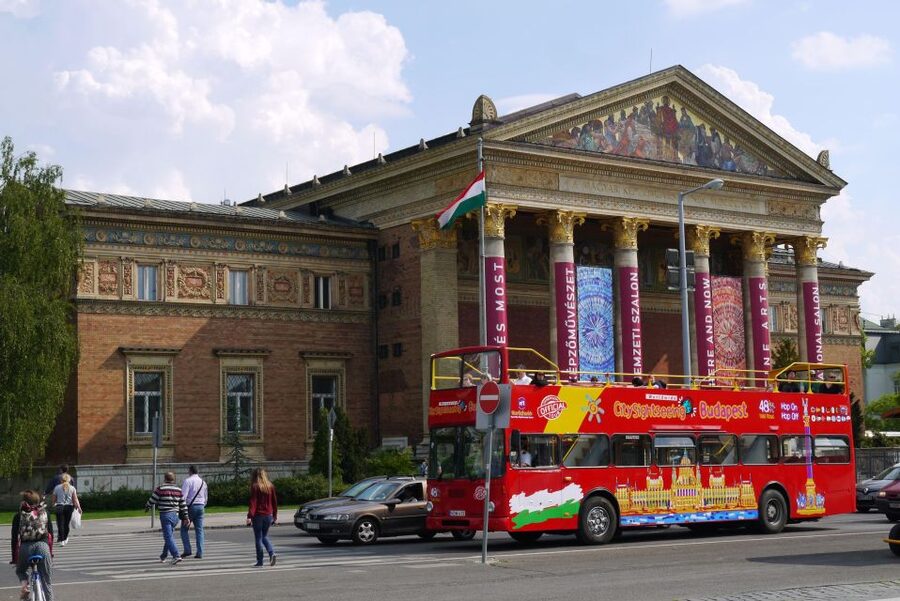
The Red Route has 20 stops and covers both sides of the river. You can hop off at any stop and rejoin later as long as you’re within your pass time.
Here’s how I’d think about the stops, grouped by vibe and usefulness.
Pest highlights: Basilica, Chain Bridge, Andrassy Avenue, and Heroes’ Square
Stop 1: St Stephen’s Basilica
Start here if you can. It’s a natural anchor point and makes the whole day easier. If you want to see the basilica with calmer timing, aim for early, then ride once to branch out.
Stop 2: Chain Bridge (Pest)
This is your classic Danube cross-river moment. Even if you don’t go far off-route, hopping off here gives you the big bridge views and a chance to see the riverfront energy.
Stop 6: Andrassy Avenue and Stop 7: Hungarian State Opera House
Andrássy Avenue is one of those streets where architecture does the talking. Getting off here is ideal for a slower walk, quick photos, and a feel for how formal and grand Pest can look.
Stop 9: Heroes’ Square
This stop is for wide-open space and iconic Budapest imagery. It’s also a good place to plan a museum break nearby, because it’s central for moving around.
Dohány Street: Jewish Synagogue, Museum, and the memorial area
Stop 4: Dohany Street Synagogue
This is a key stop, because Dohány Street is where the Jewish Museum and Synagogue area sit. It’s also one of the most important places in the whole city for understanding 20th-century history in Budapest, and it’s easy to combine with other nearby points.
Stops tied to the same district:
You’ll also be in the right general zone for the museum and memorial experience connected with Dohány Street. The bus won’t replace those visits, but it drops you close enough that you can spend your time where it counts.
Whole city overviews, compared
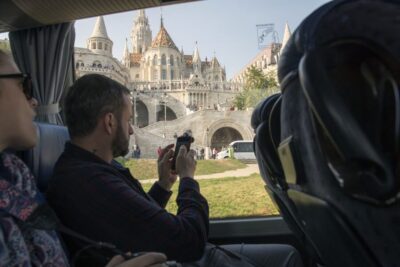
Central Pest comfort stops: Keleti, shopping, and quick breaks
Stop 10: Keleti Railway Station
Keleti is mostly about location. It’s useful if your hotel or next activity is closer to the eastern side of Pest, and it can save time when you’re trying to avoid long crossings.
Stop 11: New York Palace and Stop 13: Parisi Passage Cafe
These stops are for style and photo moments. Even if you only peek in or plan a coffee later, this part of the route helps you experience the city’s historic interior spaces.
Stop 19: WestEnd Shopping Centre
This is a practical hop-off. If you’re tired, it gives you a convenient place to reset, grab something to drink, and head back out.
The Buda side: Castle area and Citadel viewpoints
Stop 15: Castle Garden and Stop 16: Funicular
This is where Buda starts feeling like it belongs on postcards. Castle Garden is your jump-off for the Castle Hill area, and Funicular is there so you can manage the steepness without doing everything on foot.
One smart travel tip I picked up: if you’re heading up the hill area, compare funicular versus other local options. Some routes are easier if you want to save time and avoid extra walking once you’re already in the area.
Stop 14: Gellert Square
This is your best route link to the Citadel viewpoint area. When you hop off here, you’re setting yourself up for big views over both sides of the river.
Stop 17: Batthyany Square and Stop 18: Margaret Bridge (Buda)
Batthyány Square is a good transition point on the Buda side. Margaret Bridge is a calmer, scenic choice, especially if you want a breather that still feels connected to the river.
The finish: Parliament and how to time it for photos
Stop 20: Parliament
This is the showpiece stop. The Hungarian Parliament Building is the kind of place you want to see from multiple angles, and having a bus stop right there means you can return later if the light changes.
Also, the day’s pace works best if you leave a little room around Parliament. A quick stop is fine, but if you want to spend time, build it into your schedule instead of treating it like a drive-by.
A quick route note: Astoria stop closures
Stop 5 and Stop 12 (Astoria) are temporarily closed.
If you were hoping to use that stop for convenience, switch plans and use the nearest open stop instead. It’s not a dealbreaker, but it can change your walking distance.
The walking tour at 11am: what it covers and why it matters
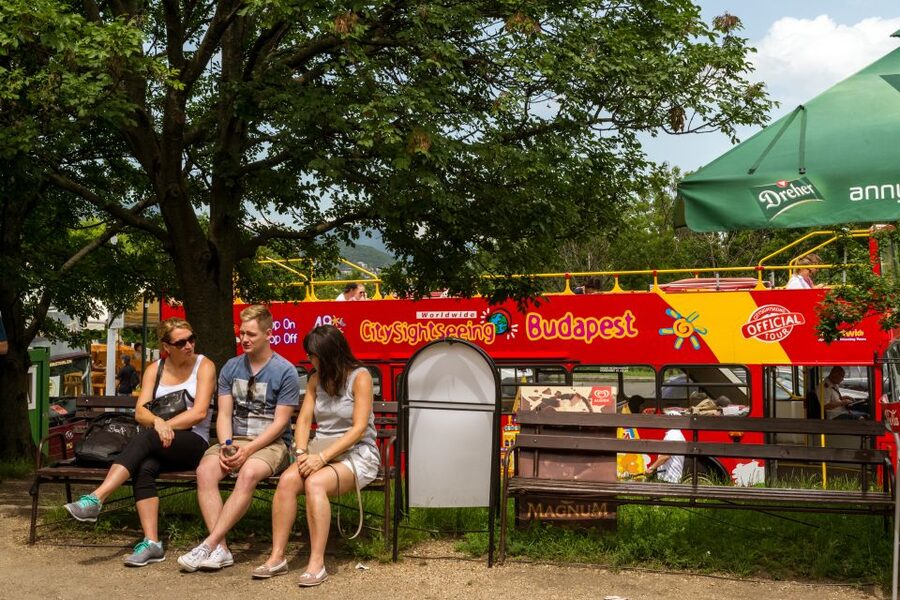
The walking tour starts every day at 11am at Szent Istvan ter 1, 1051, Hungary. It runs about 1 hour and focuses on areas the buses cannot cover efficiently.
The route includes St Stephen Basilica, the Hungarian Parliament, Shoes on the Danube Bank, Váci Fashion Street, and the Danube Promenade. That mix is powerful because it connects buildings, streets, and memorial spaces into one story, instead of leaving you with only landmarks.
The narration is English only. So if you don’t speak English well, you’ll still get the bus audio guide in many languages, but the walking piece itself is strictly English.
A name worth remembering from the walking guides: Claudia gets especially strong praise for her energy and humor, and guides like Joan, Rebecca, and Souvar are also singled out for excellent pacing and clear explanations. Even if your guide is different, the key idea stays the same: you learn why the city looks the way it does.
Practical tip: don’t show up late. The tour start point is specific, and missing the meet time can make the whole experience feel pointless because the bus will not guide you through those exact street-level details.
Audio guide experience: how to use it well while riding
The bus includes an audio guide in 15 languages: Spanish, Turkish, Chinese, English, Finnish, French, German, Greek, Hebrew, Hungarian, Italian, Japanese, Arabic, Polish, and Portuguese.
I like audio guides most when you treat them like a choose-your-own-story tool. Ride once, listen while you pass major landmarks, then hop off later where you want to go deeper.
One frustration you might face in real life: onboard microphones and noise can vary. If you find the audio hard to catch at times, use the audio as a general guide for context, then switch to a map or read plaques when you stop.
Also note the time boundaries: buses start early and end at 5pm, so if you want evening glow photos around the Danube, plan to be back on the bus early enough to reach those stops before the last departure.
The Danube river cruise and discount booklet, what to expect
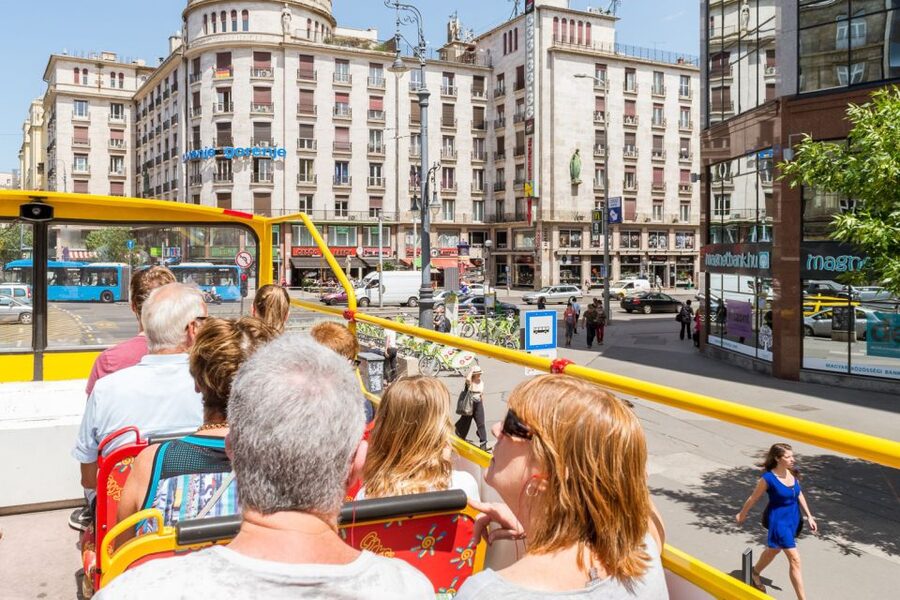
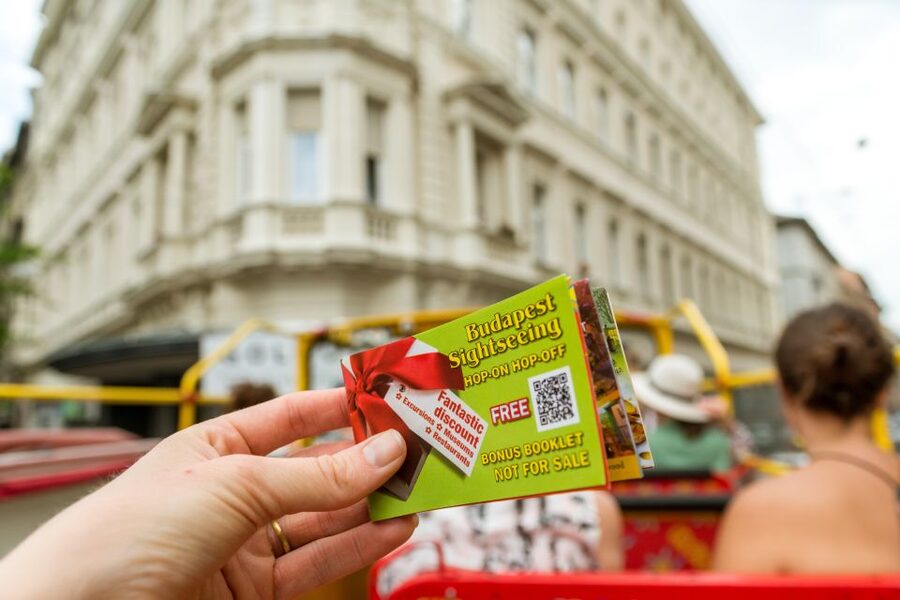
Your ticket includes a discount booklet and is described as including a river cruise extra. The operator also notes an important update: from Wednesday 10th December, the boat tour is no longer included in this ticket.
If your date falls after that, you may still be able to purchase the boat ticket at a discount by showing your bus ticket, with the note that it can be HUF 3500 instead of HUF 5000 if you show the bus ticket at the departure point.
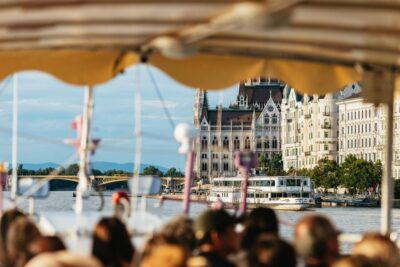
From the way people talk about the cruise, it’s a highlight when it’s available. You get a different view of the hill neighborhoods, especially from the river, and night departures are particularly popular because the Parliament and bridge areas light up.
The discount booklet is useful because it supports planning. You can line up museums and attractions you already want to do, then check whether the booklet reduces the cost for those specific stops.
What I’d do step by step: a simple, realistic Budapest plan
Here’s a way to use this pass without turning your day into a race.
Day 1, get oriented
Start at St Stephen’s Basilica, ride the full circuit once, and hop off only for short photo stops at Chain Bridge and Parliament. Use the audio guide to learn the names of places, then return later to the ones you care about.
Day 1, add the walking tour
Book the walking tour at 11am and let it handle Shoes on the Danube Bank, Váci Fashion Street, and the river promenade. When the tour ends, you’ll already know what to aim for next.
Day 2 or Day 3, go deeper on Buda
Spend more time around Castle Hill and the Gellért Square/Citadel area. This is where the views justify the time you spend moving around the hills.
Build in one reset stop
Use a convenient hop-off like WestEnd Shopping Centre if you need a break from walking and sun, or if weather turns.
This approach keeps you moving, but it also keeps the day enjoyable. It’s easy to overload Budapest if you try to do every stop every time.
Drawbacks and tradeoffs to expect (so you can plan around them)
No tour runs perfectly, and this one has a few predictable friction points.
On bus audio clarity: some people report struggling to hear guides over microphone quality. I’d treat audio as helpful, not sacred. For the important stuff, rely on the stop itself plus what you see outside.
On crowds and timing: the city is busy, and traffic can slow the bus. That’s not unusual in Budapest, so I’d avoid scheduling “must be there at 2:10pm” plans right after a hop-off.
On comfort factors: some buses can feel warm and some seats and surfaces may vary. If it’s hot or cold, having a plan for quick indoor breaks can keep the day pleasant.
Should you book this Budapest hop-on hop-off pass?
I think this pass is a good choice if you want freedom with structure. The bus helps you move between Pest and Buda without walking long distances between hilltops, and the 11am walking tour turns major sights into something you can actually understand.
I would book it if:
- You want a low-effort way to hit the biggest sights, like Parliament, Chain Bridge, and Dohány Street.
- You prefer choosing your own pace instead of being stuck on one fixed route.
- You value audio support in many languages, plus a guided on-foot add-on.
I might skip it if:
- You already know Budapest well and plan to use metro and walking only.
- You want a full guided experience for every stop, because the bus is audio-driven and the bus portion is not a live guide walking with you.
If your goal is to see Budapest efficiently, without sacrificing the time to actually look at things, this is one of the most practical ways to do it.
More Tours in Budapest




More Tour Reviews in Budapest





Ride the Loop Again


Reviewed recently around Budapest
- Audio visual multi-sensory chefs journey dinner experience★ 5.0 · 3 reviews
- Tapolca Cave Lake and Tihany/ Balaton private tour from Budapest★ 4.5 · 3 reviews
- SzentEndre-SaintAndrew City Privately Shopping and Picturesque★ 4.5 · 3 reviews
- Sightseeing flight over Budapest★ 5.0 · 3 reviews
- Self Guided Tour In Budapest With 100 Captivating Audio Stories★ 5.0 · 3 reviews
- Private Danube Bend Visegrad and Szentendre Tour With Transport★ 5.0 · 3 reviews
Hop-On Hop-Off and Bus Tours, compared.
 ★ 4.2Big Bus Hop-On Hop-Off Tour & Danube River CruiseFrom $403,794 reviews
 ★ 4.3Floating Bus Tour by Land and WaterFrom $283,342 reviews
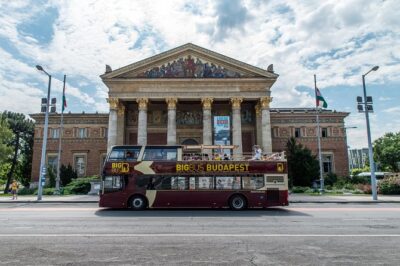 ★ 3.5Big Bus Budapest Hop-On Hop-Off Bus and Walking TourFrom $422,206 reviews
 ★ 5.0Budapest Private Full Day City Sightseeing Tour Walking or by CarFrom $181299 reviews
 ★ 4.5Budapest City Sightseeing Half-Day TourFrom $50230 reviews
 ★ 4.03-Hour Live-guided Bus Tour and 1-hour River CruiseFrom $51165 reviews
Browse the lists this tour appears in