
Review · WALKING TOURS
Budapest City Landmarks Walking Tour in 2 Hours
Budapest in two hours, plus the right context. This walk is a smart way to get a big-picture overview fast, with food and language tips folded into the stop-by-stop storytelling. One drawback: you move at a touring pace and you do not go inside the main stops, so this is for orientation, not a deep dive.
I also like that the tour is built for real strolling, not museum marathons. Many guides keep things easy to follow, and you’ll have plenty of time afterward to return on your own to what you love most.
In This Review
- Key highlights at a glance
- What $3.63 gets you, and how guide donations work
- Starting at Elisabeth Square, the pacing that keeps photos and stories in balance
- Erzsébet ter to St. Stephen’s Basilica area: from Budapest Eye views to a giant church outside
- St. Stephen’s Square to Jozsef Nador Ter: public art, Hungarian food talk, and porcelain
- Vorosmarty Square and Váci utca: people-watching, café prestige, and Christmas market instincts
- Dunakorzo and the Danube embankment: views toward Buda, trams, and UNESCO-linked sights
- The Little Princess wish, Vigadó Square music legends, and the Chain Bridge story
- Gresham Palace to the Hungarian Academy of Sciences: Art Nouveau ornaments and a Nobel clue
- Shoes on the Danube Bank and the Parliament finish: a heavier moment, then a useful city-planning wrap-up
- Who this Budapest landmarks walk is perfect for
- Should you book this tour?
- FAQ
- How long is the Budapest city landmarks walking tour?
- Where do I meet my guide?
- Where does the tour end?
- Is the Szent István Basilica included inside visits?
- What language is the tour offered in?
- Do I get a mobile ticket?
- How many people are in the group?
- Are tips included in the price?
- Is the tour dependent on weather?
- Can I cancel for a full refund?
Key highlights at a glance

- Meet by the Budapest Eye, with a small blue flag so you can find your guide quickly
- A 2-hour overview route that links major sights with smaller backstreets
- Hungarian language moments plus practical guidance on what to eat and what to skip
- Big Danube views from the riverside, plus the Castle Hill skyline
- A meaningful Holocaust memorial stop at the Shoes on the Danube Bank
- An end point at Parliament with recommendations so you can plan the rest of your day
What $3.63 gets you, and how guide donations work
At $3.63 per person, this tour is priced like a budget-friendly city starter. The tradeoff is that you’re paying for a short walking route and a guide’s time, not for entry tickets or long indoor stops. Most admission tickets at the stops listed are free, so your main cost stays low.
One detail worth knowing: there’s a booking fee, and that fee is for administration and does not go to the guide. Your guides then depend on donations at the end of the tour, and the amount is up to you. If the tour helps you a lot, I’d treat that final donation as part of the real value you’re getting.
Finally, keep expectations realistic. This is a guided loop of landmark highlights plus context, designed to help you plan the rest of your Budapest days. It won’t replace a museum visit or a full, ticketed basilica experience later.
Starting at Elisabeth Square, the pacing that keeps photos and stories in balance
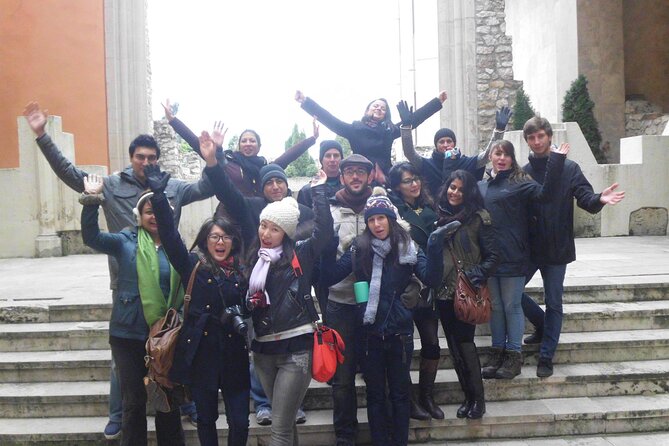
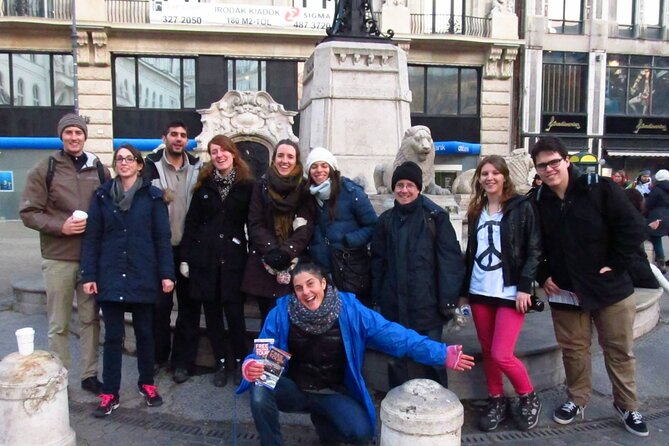
You’ll meet at Erzsébet tér near the Ferris Wheel of Budapest, about 20 meters from the Budapest Eye. Your licensed local guide carries a small blue flag, and you’ll use that visual cue to regroup if anyone in your group is late.
From the start, the guide sets the tone with a blend of history, architecture, public art, society, and even basic Hungarian. It’s the kind of narration that helps you read the city while you’re walking, not just memorize dates.
The tour runs for about 2 hours (often described as around two and a half with the pacing), and the best part is what comes after. Once you finish at Parliament, you’re free to roam the rest of the day using your new mental map.
A practical note: walking tours live or die on comfort. Bring comfortable shoes, and consider carrying water. One recurring theme from real guest feedback is that the experience stays easy to follow, including when guides use a speaker so you can hear them clearly.
Other Budapest walks at a similar pace
- Budapest: Buda Castle Walk with Saint Stephen’s Hall
★ 4.5 · 3,012 reviews - Big Bus Budapest Hop-On Hop-Off Bus and Walking Tour
★ 3.5 · 2,206 reviews - Budapest: Buda Castle District Walking Tour
★ 4.6 · 2,108 reviews - Budapest City Landmarks Walking Tour in 2 Hours
★ 5.0 · 2,048 reviews
Erzsébet ter to St. Stephen’s Basilica area: from Budapest Eye views to a giant church outside
Stop one is Erzsébet tér. Besides landmarks, your guide uses this first stretch to explain how Budapest works as a city, including what to notice in buildings and neighborhoods as you walk. It’s also where you get early “how Hungarians talk and live” context, and that matters because Budapest can feel layered and confusing if you arrive with only guidebook facts.
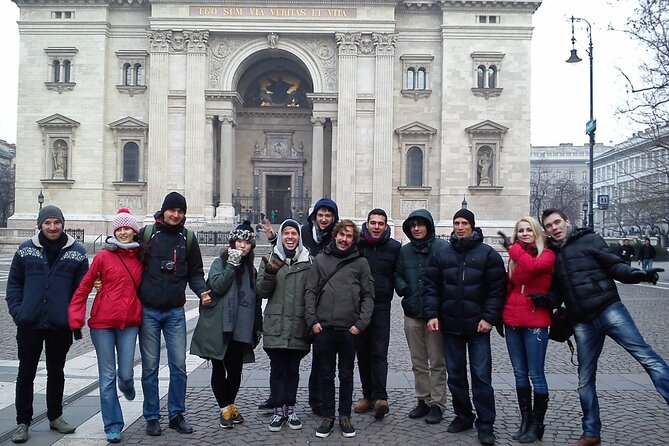
Then you head to Szent István-bazilika (St. Stephen’s Basilica). You learn about it as the largest church in Budapest, and you’ll hear how its splendor reflects different periods rather than one single style. Expect the “wow” moment of scale, but with a key limitation: the tour does not enter the basilica. If you’re hoping for an interior visit, plan that separately for your own time.
This stop is a good example of how the tour balances landmark recognition with storytelling. You don’t lose time lining up or waiting inside, and you get enough architecture context to make your later self-guided return more meaningful.
St. Stephen’s Square to Jozsef Nador Ter: public art, Hungarian food talk, and porcelain
Next comes St. Stephen’s Square, where public art gets the spotlight. The tour references a playful piece about fat policemen with shiny bellies, which is very Budapest. You’ll also shift into food culture: your guide talks about Hungarian cooking history, what to eat in Budapest, and how to avoid the tourist traps that pop up when streets get crowded.
This is one of the tour’s strengths: it doesn’t treat food like an afterthought. The practical guidance helps you turn “I’ll find food later” into an actual plan.
From there you move to József Nádor tér, where the focus becomes Hungarian material culture. You’ll see references to prestigious hand-painted Herendi porcelains and glazed colorful Zsolnay ceramics. The goal here is not just name-dropping brands. It helps you understand why these styles and makers became symbols of national pride and craftsmanship.
If you like shopping for souvenirs that feel like a real connection to a place, this part of the walk sets you up to recognize higher-quality ceramics when you see them later.
Vorosmarty Square and Váci utca: people-watching, café prestige, and Christmas market instincts
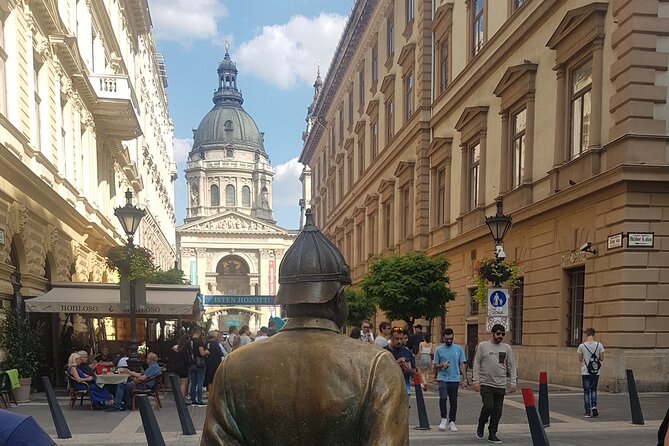
At Vorosmárty Square (Vorosmárty tér), the atmosphere changes. This is a people-watching stop at the end of the famous pedestrian street Váci utca, and it’s also where the tour points out a fun historical angle: the second oldest underground in the world built a terminal here.
You’ll also hear about the posh Gerbaud café and what it represents in Budapest’s café culture. That matters if you want the difference between a classic place and a price-inflated trap. Even without an entry, the guide’s framing helps you decide if a café stop is worth it for you.
Seasonal context is part of this stop too. Your guide covers Christmas markets and traditions, which is useful even if you’re visiting outside December. It helps you understand the “festival Budapest” mood so you don’t miss it if your dates line up.
This section is short, but it’s a strong breather. You get history, then you get a sensory snapshot of where locals actually linger.
Dunakorzo and the Danube embankment: views toward Buda, trams, and UNESCO-linked sights
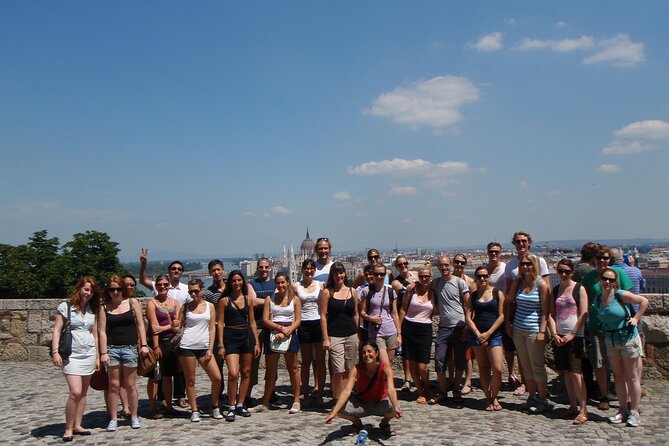
Now you hit Korzo, also known as the Danube Embankment (Dunakorzo). This is where the tour earns its title as a landmarks walk. You’ll learn about the first non-Communist statue in Budapest, and you’ll also hear why a tram line here is called the most panoramic tramline in Central Europe.
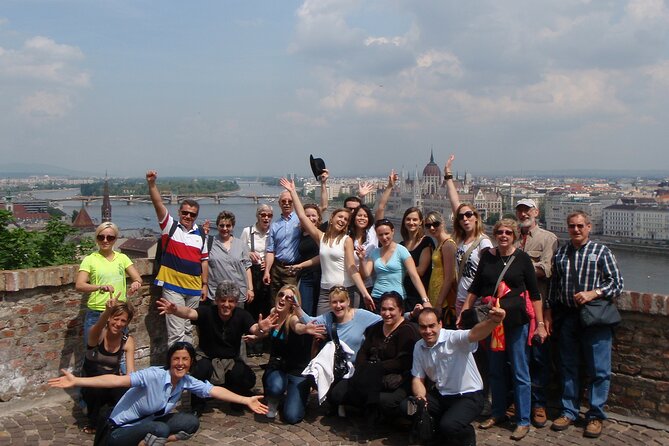
The guide then points out the riverside buildings and the big picture view: the skyline toward Castle Hill, including Matthias Church, Fisherman’s Bastion, Buda Castle, and onward to Gellért Hill with Citadel.
A useful part of this stop is the UNESCO angle. Many of the sights the guide highlights connect to UNESCO World Heritage status. That doesn’t mean you should cram UNESCO plaques into your brain. It just helps you understand that you’re looking at internationally recognized architecture and city planning, not random scenic corners.
If you’re the kind of traveler who likes to photograph first and figure out details later, this stop is a perfect mid-tour reset.
Whole city overviews, compared



The Little Princess wish, Vigadó Square music legends, and the Chain Bridge story
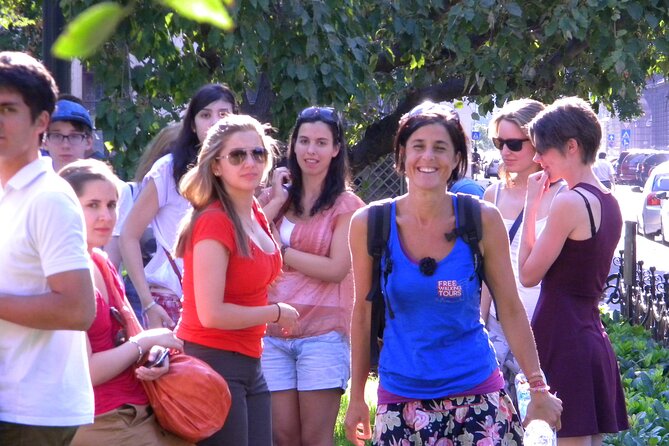
A quick stop brings you to the Little Princess Statue. You’ll make a wish while touching the shiny knees. It’s brief, but it’s also one of those Budapest moments that feels silly in the best way, and it gives your feet a moment to rest.
Next is Vigadó Square (Vigadó tér). Here the tour ties a major historical moment to music culture. The guide explains that this is where Franz Joseph and Sissy’s coronation banquette was held in the 19th century. Then you’ll hear how major Central European musicians such as Franz Liszt, Debussy, and Brahms played here.
Even if you don’t know all the names, the way it’s explained gives you a feeling for how Budapest became a stage for culture, not just politics and empire.
Finally, you reach Széchenyi Lánchíd for a short story about the Chain Bridge, described as the first permanent bridge built in the city. The tour uses the bridge as a way to explain how Pest and Buda’s story became physically connected. That context helps you later understand why the riverfront is such a natural hub for walking, night views, and planning.
Gresham Palace to the Hungarian Academy of Sciences: Art Nouveau ornaments and a Nobel clue
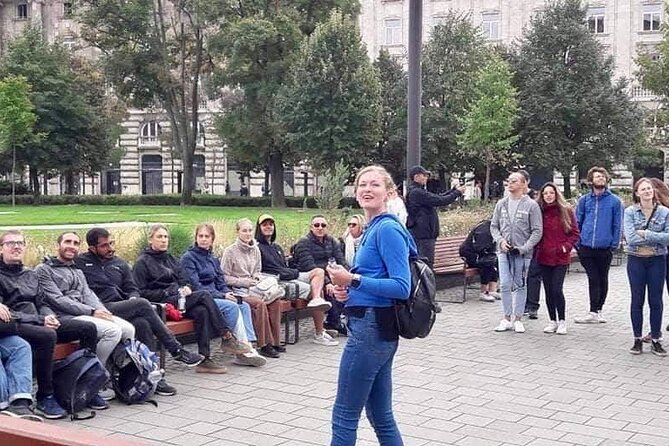
The next stretch shifts into architecture appreciation.
At Gresham Palace, you’ll learn about its Seccessionist style and why it belongs to Budapest’s golden age at the turn of the century. You’ll also hear how it represents Art Nouveau through its major ornaments. This stop is short, but it trains your eye. After this, you tend to notice decorative details sooner across the city.
Then comes the Hungarian Academy of Sciences. This is where the tour turns practical in a different way. You’ll be taught some Hungarian words and phrases meant to impress friends later. You’ll also get a surprising fact: Hungary has the largest number of Nobel Prize awards per capita. The guide also references famous people of Hungarian origin and Hungarian inventions you might miss in daily life.
This is the kind of stop that feels like a souvenir for your brain. You walk away with a couple of facts that make dinner conversations easier and give you a lens for understanding Hungary beyond “Budapest, Danube, and basilicas.”
Shoes on the Danube Bank and the Parliament finish: a heavier moment, then a useful city-planning wrap-up
At Shoes on the Danube Bank, the tone becomes serious. The tour explains that there are 60 pairs of shoes placed to commemorate the 60th anniversary of the Holocaust. The guide discusses WWII history, deportations, and the recent history of the Hungarian Jewish people.
There’s also a reflective moment built into the stop. The tour asks you to close your eyes and imagine the people who died here, ranging from synagogue goers to assimilated Jewish people, including descriptions that span generations and jobs. This is not “edutainment.” It’s a memorial, and it asks you to slow down mentally even if you only stand there briefly.
After that, the tour ends at the Hungarian Parliament Building. You’ll learn about recent history and elections, and you’ll hear how the building’s neo-gothic architecture ties together harmony and visual power. It’s a great landing point because Parliament is one of those sites where you can continue exploring on your own after the tour ends.
Your guide also provides useful recommendations at the finish: where to eat, options for nightlife, and what to do on your next days. That final orientation can save time, especially if it’s your first day in the city.
One more practical detail: group size is capped at 30 travelers, so it stays manageable. If you’re picky about hearing your guide, pay attention to how your guide delivers the narration. Many guests highlight that their guides make themselves heard clearly, sometimes using a speaker.
Who this Budapest landmarks walk is perfect for
This tour fits best if you want a fast, guided map of the city without committing to a full-day plan. It’s especially good for:
- First-time visitors who need bearings and a clear sense of what’s worth revisiting
- Travelers who like architecture and public art, not just scenic spots
- People who want practical help with food choices, including how to avoid tourist traps
- Anyone who prefers walking and stopping for stories over sitting in a vehicle for hours
It’s less ideal if you’re chasing ticketed interiors, long museum time, or a deep academic treatment of every stop. This tour is built for time-smart context.
Should you book this tour?
I’d book it if you want an efficient start that connects the major landmarks, the Danube views, and the human stories behind Budapest’s public spaces. The 2-hour timeframe makes it easy to fit on a first day, and the finish at Parliament gives you a strong launching point for your own wandering.
I’d think twice if you dislike walking or if you’re mainly interested in inside visits. Since the basilica area is described as not entered, and most stops are outside, you’ll need to plan separate ticketed attractions if interiors are your priority.
If you do book, arrive a few minutes early and look for the small blue flag near Budapest Eye. That tiny habit can prevent a lot of hassle and keeps the tour from starting in stress.
FAQ
How long is the Budapest city landmarks walking tour?
The tour lasts about 2 hours.
Where do I meet my guide?
You meet at Erzsébet tér near the Ferris Wheel of Budapest. The guide meets you about 20 meters from the Budapest Eye on Elisabeth Square, holding a small blue flag.
Where does the tour end?
The tour ends at the Hungarian Parliament Building, Kossuth Lajos tér 1-3, 1055 Hungary.
Is the Szent István Basilica included inside visits?
No. The tour does not enter the Basilica.
What language is the tour offered in?
The tour is offered in English.
Do I get a mobile ticket?
Yes, the tour includes a mobile ticket.
How many people are in the group?
The group has a maximum of 30 travelers.
Are tips included in the price?
No. Tips are not included, and guides depend on donations at the end of the tour.
Is the tour dependent on weather?
Yes. The experience requires good weather. If it’s canceled due to poor weather, you’ll be offered a different date or a full refund.
Can I cancel for a full refund?
Yes. You can cancel up to 24 hours in advance for a full refund. If you cancel less than 24 hours before the start time, the amount paid is not refunded.
Keep Walking Budapest




More Tours in Budapest




More Tour Reviews in Budapest





Reviewed recently around Budapest
- Audio visual multi-sensory chefs journey dinner experience★ 5.0 · 3 reviews
- Tapolca Cave Lake and Tihany/ Balaton private tour from Budapest★ 4.5 · 3 reviews
- SzentEndre-SaintAndrew City Privately Shopping and Picturesque★ 4.5 · 3 reviews
- Sightseeing flight over Budapest★ 5.0 · 3 reviews
- Self Guided Tour In Budapest With 100 Captivating Audio Stories★ 5.0 · 3 reviews
- Private Danube Bend Visegrad and Szentendre Tour With Transport★ 5.0 · 3 reviews
Walking Tours, compared.
 ★ 4.5Buda Castle Walk with Saint Stephen’s HallFrom $293,012 reviews
 ★ 3.5Big Bus Budapest Hop-On Hop-Off Bus and Walking TourFrom $422,206 reviews
 ★ 4.6Buda Castle District Walking TourFrom $142,108 reviews
 ★ 4.83-Hour Orientation Walking Tour of Buda and PestFrom $411,834 reviews
 ★ 4.33-Hour Grand City Tour and Castle WalkFrom $491,437 reviews
 ★ 5.0Budapest Historical Sightseeing – Free Walking TourFrom $31,302 reviews
 ★ 5.0Budapest All in One Small Group Walking Tour with Strudel StopFrom $1001,277 reviews
 ★ 4.9Buda Castle District Walking Tour with a HistorianFrom $63867 reviews
Browse the lists this tour appears in