
Review · 3-HOUR EXPERIENCES
Budapest: 3-Hour Trabant Sightseeing Tour
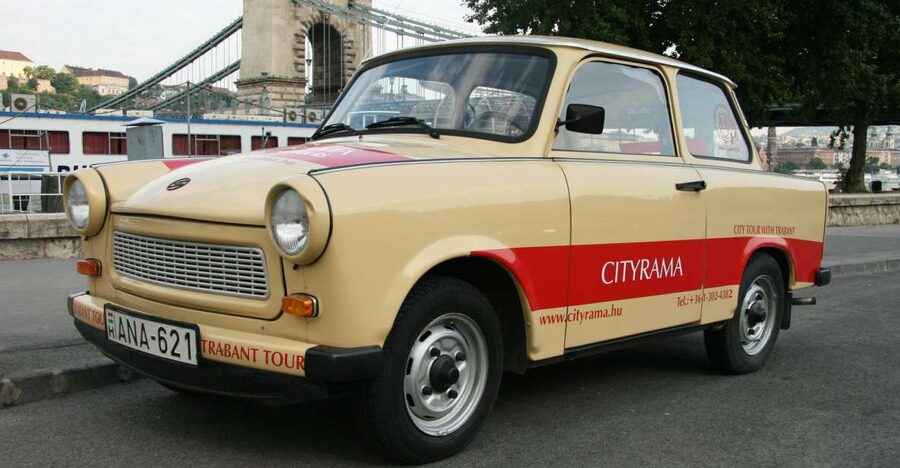
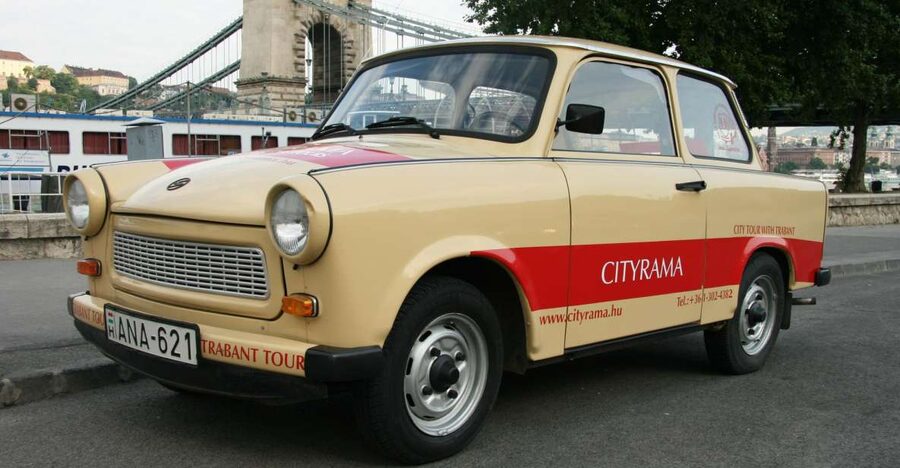
A Trabant changes how you see Budapest. This 3-hour ride mixes driving a Trabant 601 with sightseeing that echoes the city’s communist-era past. The small-group format keeps it personal, not like a bus shuffle.
Two things I really like: first, the thrill of getting behind the wheel of a car that feels like a moving museum piece. The Trabant 601 is a 2-stroke machine with a 26-horsepower engine, built for the kind of slow, steady city driving that makes the sights feel closer. Second, you get real context from a professional English-speaking guide, including how places like the Communist Statue Park and the 1970s and 1980s prefab blocks fit into Budapest’s story.
One consideration before you book: you’re in a small, older car, so seating can feel tight for taller passengers. And because it is a vintage vehicle, a mechanical issue could shorten the tour, even if the operator handles things well.
In This Review
- Key Things You’ll Notice Right Away
- A Trabant Tour Makes Budapest Feel Lived-In
- The Real Deal Behind the Wheel, and What You Must Bring
- How the 3 Hours Usually Plays Out in the City
- Communist Statue Park: Monuments You Can Read Like a Map
- Ecseri Flea Market and the 1970s and 1980s Housing Reality
- When Your Guide Names the Details, You Remember More
- What It Feels Like on the Road (Including the Tight Back Seat)
- Price and Value: When $294 Makes Sense
- Optional Airport Transfer in a Trabant
- Who Should Book This Tour (and Who Might Skip It)
- Should You Book the Budapest Trabant Sightseeing Tour?
- FAQ
- Do I need a driving license to drive the Trabant?
- How long is the tour?
- How many people are in the group?
- Is hotel pickup included?
- What language is the tour guide?
- What is included in the price?
- Can I add an airport transfer in a Trabant?
- What is the cancellation policy?
Key Things You’ll Notice Right Away
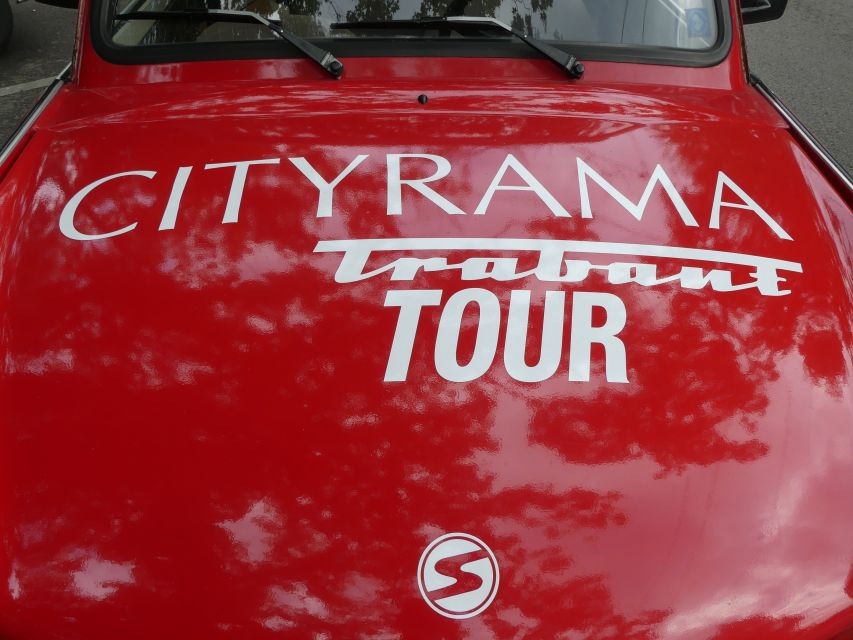
- Drive an original Trabant 601 and feel what paper-and-plastic nostalgia actually means on the road
- Communist-era sights or a more normal tour, so you can match your mood and interests
- Fuel and clutch know-how before you go, including a quick rundown of how this 2-stroke works
- Tight, small-car comfort in the back, especially if your group includes tall people
- A guide who explains with clarity, with English that makes history easy to follow
A Trabant Tour Makes Budapest Feel Lived-In
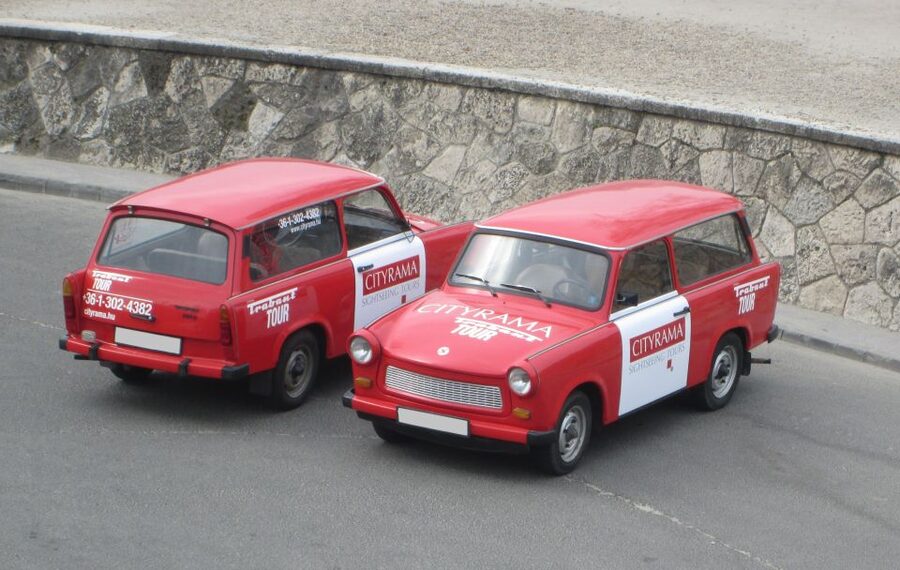
Budapest can be stunningly beautiful, but it also has a side that’s harder to see from the usual sightseeing loop. This tour leans into that other Budapest, the one connected to the communist years, using streets and landmarks as your guide.
The magic is the car itself. A Trabant is not a generic “cool vintage” prop. It is its own character, slow and quirky, and that changes your pace. When you move around the city in something that old, you notice more details, and you hear the guide’s explanations differently, like you’re catching the city mid-conversation.
The Real Deal Behind the Wheel, and What You Must Bring
This tour is designed for you to drive, as long as you have the right paperwork. You’ll need a valid driving license to drive the Trabant. That requirement matters, because some people book specifically for the chance to steer, then feel let down if it is not actively offered as an option.
So I’d treat this as a two-step checklist:
- Bring your driving license.
- If driving is your main reason for booking, confirm it clearly at the start.
Before you go, you also get a practical mini-lesson in operating the car. You’ll check the fuel dip-stick to make sure the tank is not empty, open the fuel tap, then push down the clutch pedal, shift to first gear, and go. It’s a small instruction set, but it turns the experience from passive into hands-on.
And yes, the specs are part of the fun. The Trabant 601’s 26-horsepower engine has that famously slow acceleration feel, listed at 0-60 kilometers per hour in 21 seconds. You shouldn’t expect highway performance. You should expect a smooth, city-friendly crawl that puts the sights in charge.
Other Budapest outings our reviewers kept coming back to
- 3-Hour Orientation Walking Tour of Buda and Pest
★ 4.8 · 1,834 reviews - Budapest: 3-Hour Grand City Tour and Castle Walk
★ 4.3 · 1,437 reviews - Budapest: 3-Hour Live Guided Sightseeing Tour
★ 4.4 · 1,041 reviews - 3 Hours Budapest Segway Grand City Tour Buda, Margaret and Pest
★ 5.0 · 255 reviews
How the 3 Hours Usually Plays Out in the City
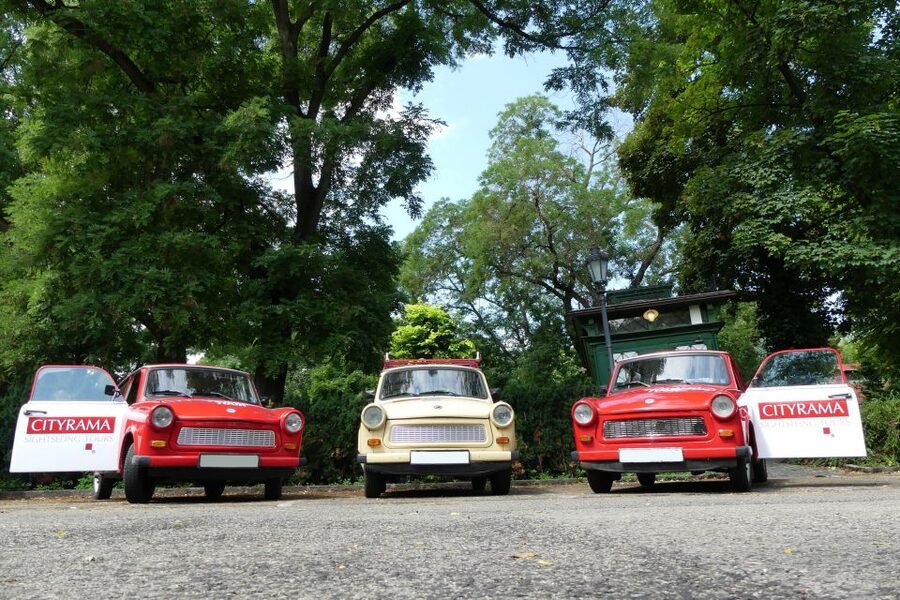
You’ll start with pickup from your accommodation anywhere within Budapest. That flexibility is genuinely useful, especially if you’re staying in a quieter neighborhood and don’t want to fight with transit or taxis right before a tour.
From there, the tour centers on communist-era Budapest, with stops chosen from a short set of standout locations. The tour can also shift toward a more standard sightseeing route if you prefer, so you’re not trapped in only one theme.
A typical flow looks like this, conceptually:
1) You ride out and get positioned for the key sights
2) You spend time at the most relevant communist landmarks
3) You move through neighborhoods that reflect life under the housing and monument styles of that era
4) You finish with the guide tying the pieces together into a clear narrative
Because the tour is only 3 hours, the pacing stays tight. You won’t get hours of deep museum time, but you will get a concentrated “see it, understand it, photograph it, move on” format that works well when you’re short on days.
Communist Statue Park: Monuments You Can Read Like a Map
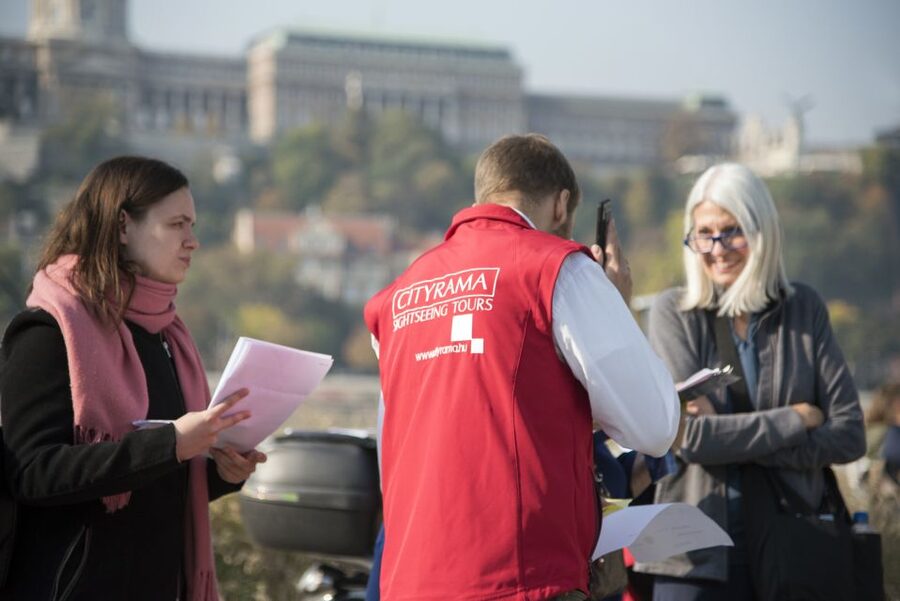
If you want to understand why Budapest still feels layered, this is one of the best places to start. The tour specifically recommends the Communist Statue Park, and that makes sense. Parks like this are not just pretty backdrops. They’re an outdoor record of what was celebrated, what was removed, and what the city decided to keep visible.
With your guide explaining what you’re looking at, the experience becomes more than sightseeing. You learn how public art can act like policy, and how the city’s political shifts show up in stone, metal, and placement.
This is also where the Trabant effect helps. When you’re surrounded by communist-era monuments while sitting in an actual communist-era vehicle, the whole thing stops feeling like a history lecture and starts feeling like Budapest in full context.
Ecseri Flea Market and the 1970s and 1980s Housing Reality
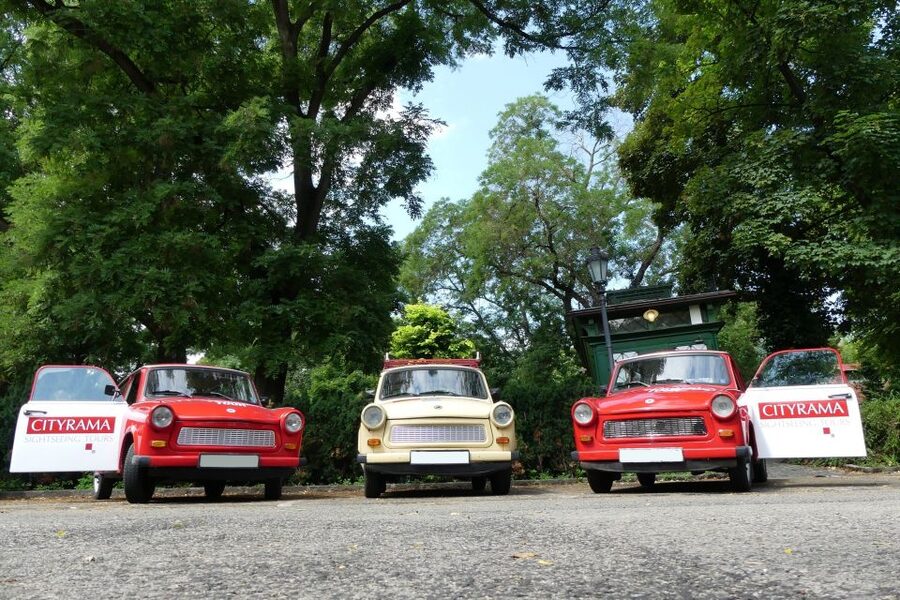
The tour includes Ecseri flea market as one of the recommended options. Flea markets are the opposite of “monument tourism.” They show how ordinary people lived, traded, reused, and kept life running. Even if you’re not shopping, you’ll get a real sense of how everyday culture shapes a city’s vibe.
The tour also points toward the typical prefabricated blocks of flats built in the 1970s and 1980s. These blocks are crucial for understanding the communist-era mindset around housing and planning. They are not just architecture. They represent a specific approach to mass living, and that shows up in how neighborhoods function.
One subtle benefit here: these places are less about single famous sights and more about patterns. The guide’s job is to connect those patterns into something you can remember. That’s why a good English-speaking guide matters so much on this type of tour. You’re not just collecting photos, you’re learning how the city was built for its times.
When Your Guide Names the Details, You Remember More
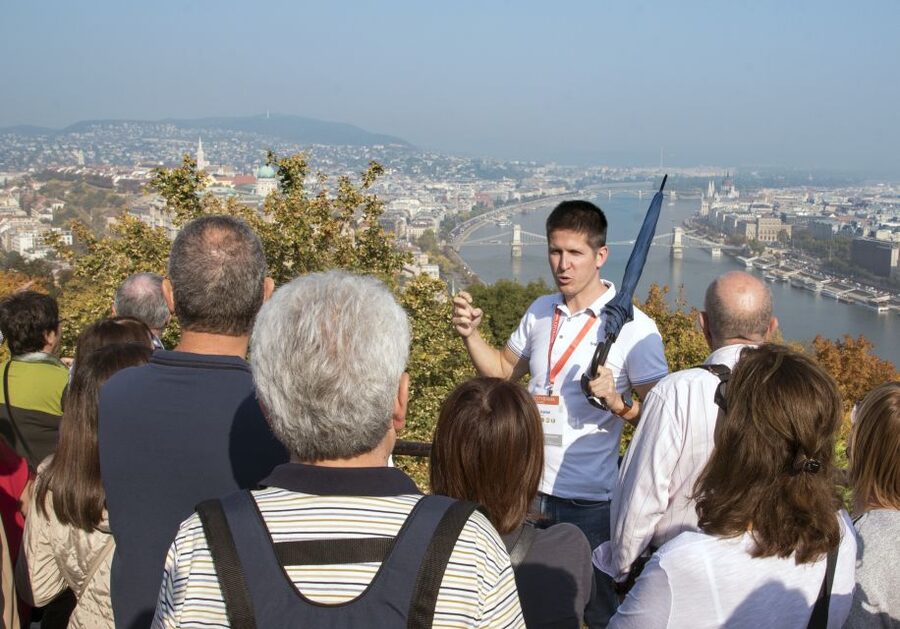
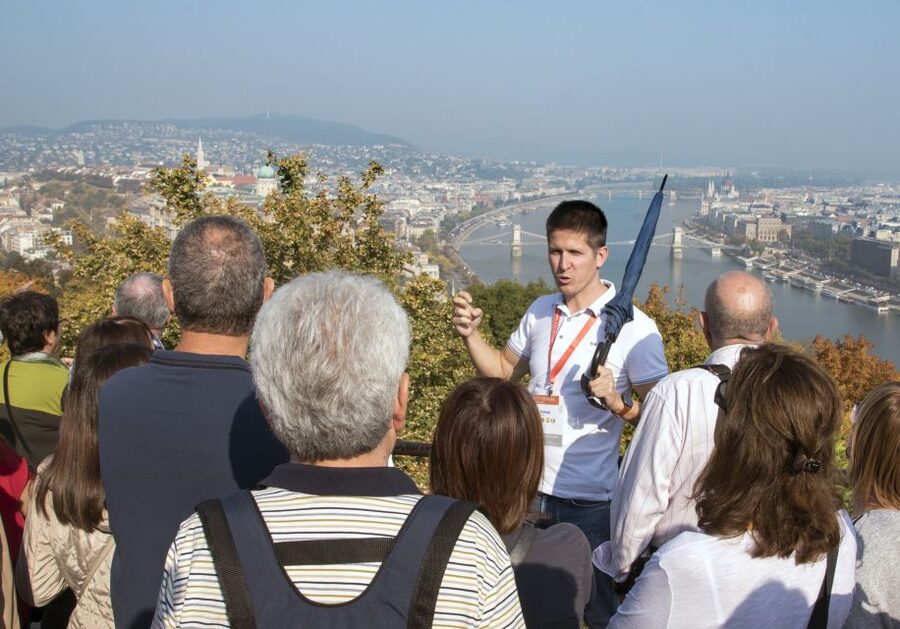
The guide experience is a standout part of this tour. You get a live English-speaking guide, and the explanations are consistently praised for being clear and well informed. One guide name you may hear is Andre, mentioned as sharing passion for Budapest and helping the experience feel personal rather than scripted.
What I like about this kind of guided approach is that it makes the Trabant more than a novelty. You’re not only thinking, wow, what a car. You’re also thinking, now I understand what I’m seeing.
You’ll also appreciate how the tour can be adjusted. If you’re not in the mood for purely communist stops, you can enjoy a more normal version of a sightseeing tour. That flexibility is important because Budapest has enough famous highlights to fill your day without forcing one theme.





What It Feels Like on the Road (Including the Tight Back Seat)
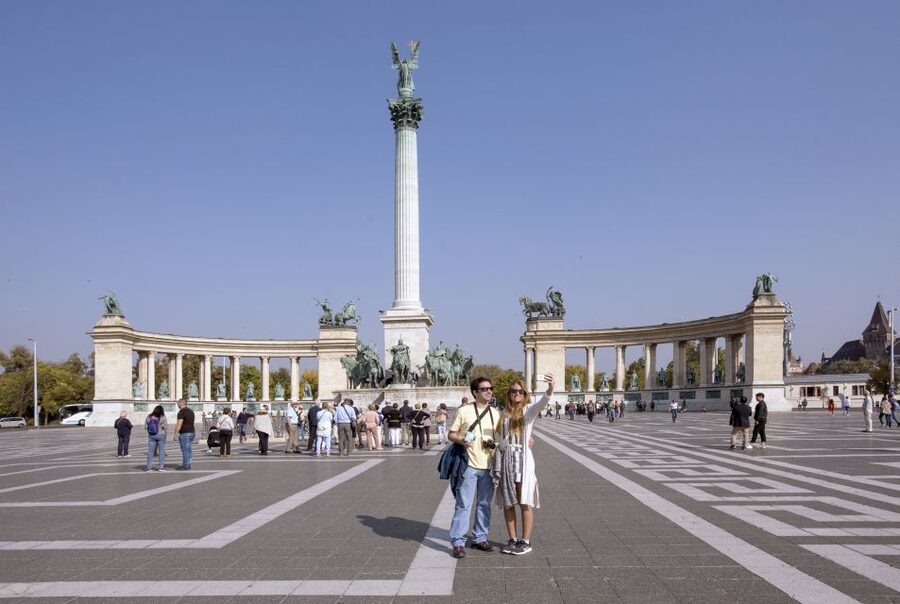
Let’s talk practical comfort, because old cars make real differences. The seating is small, and a review specifically notes that if you are a group of tall people, you can get squashed in the back. If you’re tall, choose your seat position early, and be honest with your group about comfort expectations.
You should also expect the ride to feel like old machinery. This is not a silent, modern vehicle. It’s part of the charm, but it can be uncomfortable if you expect new-car polish.
And here’s the reality check. One confirmed booking reports the car broke down and the tour had to finish a bit early. The company response was described as great. Still, you should plan your day with a little flexibility in case the vintage car needs attention.
Price and Value: When $294 Makes Sense
The price is listed as $294 per group, up to 3 participants, for the full 3-hour experience. That pricing structure can feel high at first glance if you’re traveling solo. But in a small group, the cost per person drops quickly.
If you book with 3 people, you’re effectively spreading the total across the maximum group size. That’s the main value logic here: you’re paying for a rare experience, not a seat on a big vehicle. The Trabant is the headline, but the guide and the focused 3-hour city story are what turn it into more than a photo opportunity.
So, who gets the best value?
- Two or three people traveling together
- Anyone who cares about the communist-era theme and wants a guided route
- Couples or friends who want something different from standard walking tours
If you’re flying solo and you want this exactly as described, you may decide it’s worth it for the unique driving angle alone, but you’ll feel the cost more than a small group would.
Optional Airport Transfer in a Trabant
If you want to stretch the vibe beyond the 3 hours, there’s an optional airport transfer in a Trabant. The tour highlights this possibility, so it’s not just a random add-on idea.
This can be especially fun if you arrive with time to enjoy the ride rather than rushing straight to hotels. It also means you keep the theme going, same car, same story feeling, which can be a nice way to start or end your trip.
Who Should Book This Tour (and Who Might Skip It)
This is a great fit if you want a memorable, offbeat way to see Budapest that goes beyond the usual highlights. It’s also a good choice if you like history but don’t want only museum-style explanations.
You’ll probably enjoy it most if:
- You want hands-on driving, not just sightseeing
- You like communist-era monuments and the look of prefab housing neighborhoods
- You travel in a small group and can share the cost
- You appreciate guided context in English
You might think twice if:
- You need extra comfort in seating and dislike tight spaces
- You are very schedule sensitive, because a vintage vehicle can occasionally cause delays
- You want a guaranteed, high-energy pace, because this is old-car city driving and a focused 3-hour story, not a full day
Should You Book the Budapest Trabant Sightseeing Tour?
I’d book this tour if you want a Budapest experience with character, and you like the idea of understanding the city through its communist-era sights. The combination of driving the Trabant 601, seeing places like the Communist Statue Park and the prefab housing areas from the 1970s and 1980s, and getting an English guide who can explain what matters is exactly the kind of trip that turns into real memories.
One smart move: bring your driving license and confirm that driving is part of your plan right away. If driving is what you’re paying for, you want clarity at the start, not disappointment later.
If you go with that mindset, you’re likely to leave with both things that matter most in Budapest, a set of photos you can explain, and a clearer picture of how the city’s past still shapes what you see today.
FAQ
Do I need a driving license to drive the Trabant?
Yes. A valid driving license is required in order to drive the Trabant.
How long is the tour?
The duration is 3 hours.
How many people are in the group?
The group is limited to 3 participants.
Is hotel pickup included?
Yes. Hotel pick-up is provided from any accommodation within Budapest, including hotels, apartments, Airbnbs, and private addresses, wherever you would like to begin the tour.
What language is the tour guide?
The live tour guide speaks English.
What is included in the price?
The Budapest tour in an original Trabant is included.
Can I add an airport transfer in a Trabant?
Yes. There is an optional airport transfer you can book in a Trabant.
What is the cancellation policy?
Free cancellation is available up to 24 hours in advance for a full refund.
More 3-Hour Experiences in Budapest





More Tours in Budapest





More Tour Reviews in Budapest





Reviewed recently around Budapest
- Audio visual multi-sensory chefs journey dinner experience★ 5.0 · 3 reviews
- Tapolca Cave Lake and Tihany/ Balaton private tour from Budapest★ 4.5 · 3 reviews
- SzentEndre-SaintAndrew City Privately Shopping and Picturesque★ 4.5 · 3 reviews
- Sightseeing flight over Budapest★ 5.0 · 3 reviews
- Self Guided Tour In Budapest With 100 Captivating Audio Stories★ 5.0 · 3 reviews
- Private Danube Bend Visegrad and Szentendre Tour With Transport★ 5.0 · 3 reviews
3-Hour Experiences, compared.
 ★ 4.83-Hour Orientation Walking Tour of Buda and PestFrom $411,834 reviews
 ★ 4.33-Hour Grand City Tour and Castle WalkFrom $491,437 reviews
 ★ 4.43-Hour Live Guided Sightseeing TourFrom $351,041 reviews
 ★ 5.03 Hours Budapest Segway Grand City Tour Buda, Margaret and PestFrom $102255 reviews
 ★ 4.6Budapest 3-Hour Walking Tour in ItalianFrom $41217 reviews
 ★ 4.13-hour City Tour with Castle Walk + 1-hour CruiseFrom $60204 reviews
 ★ 4.03-Hour Live-guided Bus Tour and 1-hour River CruiseFrom $51165 reviews
 ★ 4.5Budapest 3-Hour City TourFrom $36154 reviews
Browse the lists this tour appears in