
Review · GUIDED
Budapest: Guided Tour of the House of Music, Hungary
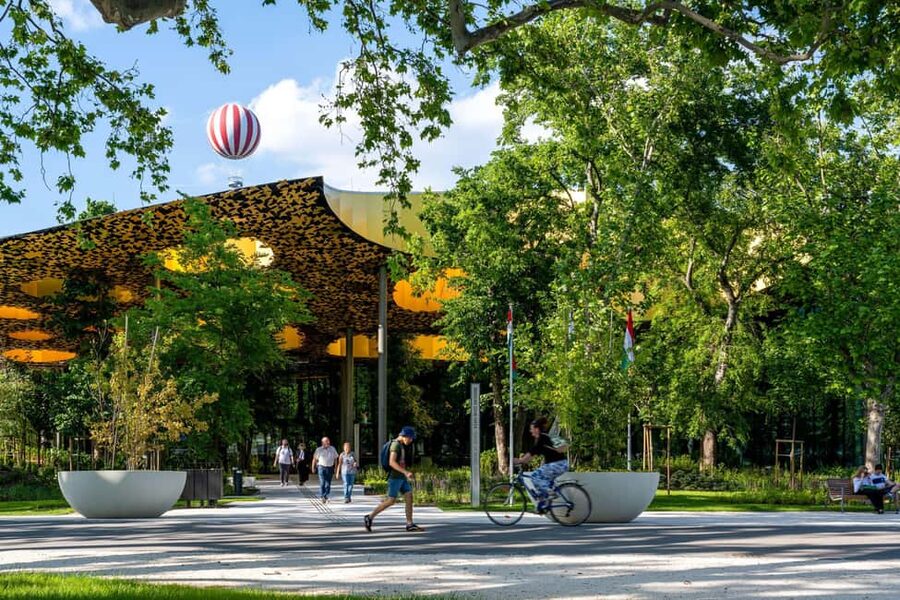
Budapest’s music building looks like a forest canopy. This House of Music Budapest tour lets you understand the floating roof and spiral design choices that make the building feel grown from City Park. You also get a real sense of the impressive interior layout, especially around the spiral staircase.
My favorite part is how the guide turns architecture into something you can follow, level by level, without needing an exhibition ticket. One thing to consider first: this is not an entry ticket to the interactive exhibitions, the Sound dome, or the Creative sound space, so your experience stays focused on the building itself.
The tour runs with a live English guide, and the best sessions tend to feel lively and question-friendly. In past groups, guides like Dora are praised for explaining details clearly and keeping the mood upbeat, which matters because the design is complex.
In This Review
- Key things to notice on this House of Music tour
- City Park First Impressions: The undulating roof you notice fast
- Entering the glass foyer: light, concrete, and warm wood
- Sou Fujimoto’s organic design: inside and outside as one story
- The spiral staircase and circular openings: the design becomes personal
- Concert hall acoustics, explained without sitting for a show
- The stops you actually get: concert hall, library, archives, and outdoors
- Views from City Park: architecture that frames Budapest
- Sustainability details, shared in plain language
- Price and time: is $13 for one hour good value?
- Who this House of Music tour fits best
- Should you book this House of Music Guided Tour?
- FAQ
- How long is the House of Music guided tour in Budapest?
- What language is the live guide?
- Where does the tour start?
- Where does the tour end?
- Is the House of Music tour wheelchair accessible?
- Is this tour suitable for children?
- What is included in the tour ticket?
- What is not included?
- Are pets allowed?
- Are there multiple starting times?
Key things to notice on this House of Music tour
- Sou Fujimoto’s organic concept, where the park and the building feel like one system
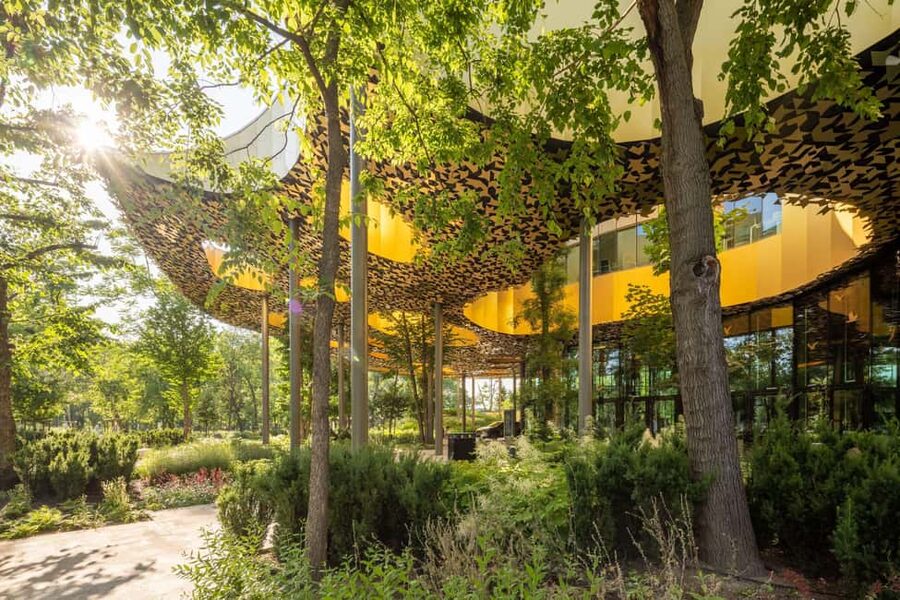
- A roof made of thousands of leaf-like metal elements, designed for both looks and how sound behaves
- Glass walls and open foyer spaces, so you constantly bounce between interior and park views
- The spiral staircase, which the tour treats like more than a route, it is a centerpiece
- Acoustics explained without a performance, so you still understand what makes it a music venue
- Sustainability features discussed clearly, including geothermal energy and rainwater harvesting
City Park First Impressions: The undulating roof you notice fast
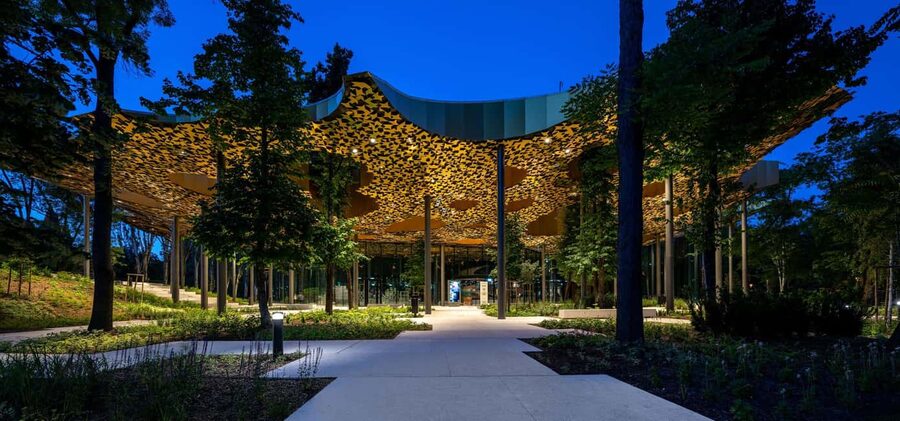
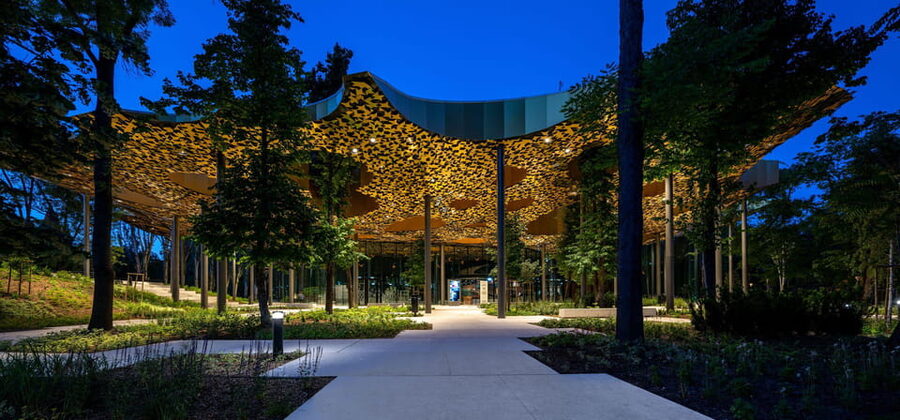
Before you even step inside, you get the whole idea. The House of Music sits in Budapest’s City Park, and the design takes cues from the landscape instead of fighting it. That undulating roof is the headline, with a canopy that looks like thousands of leaf-like metal elements.
This exterior matters because it sets expectations for what the guide will teach. You are not just seeing a building, you are seeing a building concept built around light, texture, and how people move through space.
If you enjoy architecture, this stop is satisfying right away. The roof has that floating, wave-like feel, and the tour uses that shape to explain the thinking behind the building.
Entering the glass foyer: light, concrete, and warm wood
Inside, the tour begins at the foyer and keeps steering you toward what is visible. Expect a spacious entry area and strong use of glass, which helps daylight pour in and keeps the park connected to your line of sight.
You will also notice the contrast in materials. Exposed concrete surfaces set a structural tone, while wooden elements bring warmth to the mix, so the place does not feel cold or purely technical.
The guide’s job here is to help you read the building. When you know why the glass is placed where it is, and why open spaces are left open, the whole interior stops feeling random.
Guided formats we tried in Budapest
- Budapest: Parliament Building Entry Ticket and Audio Guide
★ 4.5 · 3,844 reviews - Budapest: Opera House Guided Tour
★ 4.6 · 1,533 reviews - Budapest Small-Group Guided Tour on MonsteRoller e-Scooter
★ 5.0 · 1,517 reviews - Budapest: Guided Tour of the Parliament Building in Spanish
★ 4.6 · 1,240 reviews
Sou Fujimoto’s organic design: inside and outside as one story

One of the most interesting parts of the tour is how it frames the building as a continuation of the park. The House of Music was designed by Japanese architect Sou Fujimoto, and the concept shows up in the way the architecture blurs boundaries.
You see it in the multi-level plan and in the open spaces intended for community engagement and music education. Even without going into exhibitions, the guide points out how the layout is meant to support a cultural day, not just a ticketed event.
This is a good tour for you if you like ideas you can visualize. The guide takes what could be abstract design language and makes it physical, where you are standing.
The spiral staircase and circular openings: the design becomes personal
The spiral staircase is the kind of feature you expect to take a photo of. But the tour makes it more than a scenic moment, it becomes part of the way you understand scale and flow.
The building’s layout includes circular openings, and the guide helps you spot how those shapes connect to the overall concept. When you catch those details in motion, it feels less like walking through rooms and more like stepping through a designed rhythm.
Practical tip: plan on using stairs around the main feature zones, since the spiral staircase is a big emphasis of the visit. The tour is wheelchair accessible overall, so you are not locked out, but it is still smart to wear shoes that work well on indoor surfaces.
Concert hall acoustics, explained without sitting for a show
This is where the tour earns its name. Even though you do not experience a performance during the visit, the guide explains how the building is tuned for music.
You will hear how the building’s shape, materials, and that special roof structure were used to optimize sound quality in the performance spaces and public areas. In other words, you get the thinking behind the acoustics, not the live result.
Why this matters: most visitors only understand acoustics by listening. Here, you learn the design logic first, so when you later hear music in a venue like this, your brain has a map.
The roof structure is key in that explanation. It is not just decorative. It is part of the sound story, and the tour connects the visual roof design to the acoustic intent.
The stops you actually get: concert hall, library, archives, and outdoors
The guided route includes access to the concert hall, library, and archives areas, plus outdoor spaces around the building. It also includes time for the gift shop at the end, so you can pick up something music-themed without scrambling.
What you might appreciate most is the range of spaces the tour covers in one hour. Instead of only focusing on the exterior, you get interior context, then a return to the building’s outdoor relationship with the park.
A drawback to keep in mind: because exhibition entry is not included, you may not get the deeper, hands-on side of the institution. If you are mainly hoping for interactive sound stations or exhibition galleries, this tour will feel like the architectural primer, not the full cultural experience.
Still, if you love design and how buildings shape human behavior, the selection makes sense. It keeps the visit tight and focused on what you came to learn.



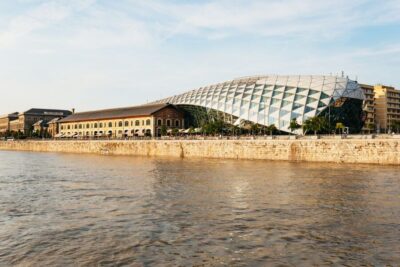

Views from City Park: architecture that frames Budapest
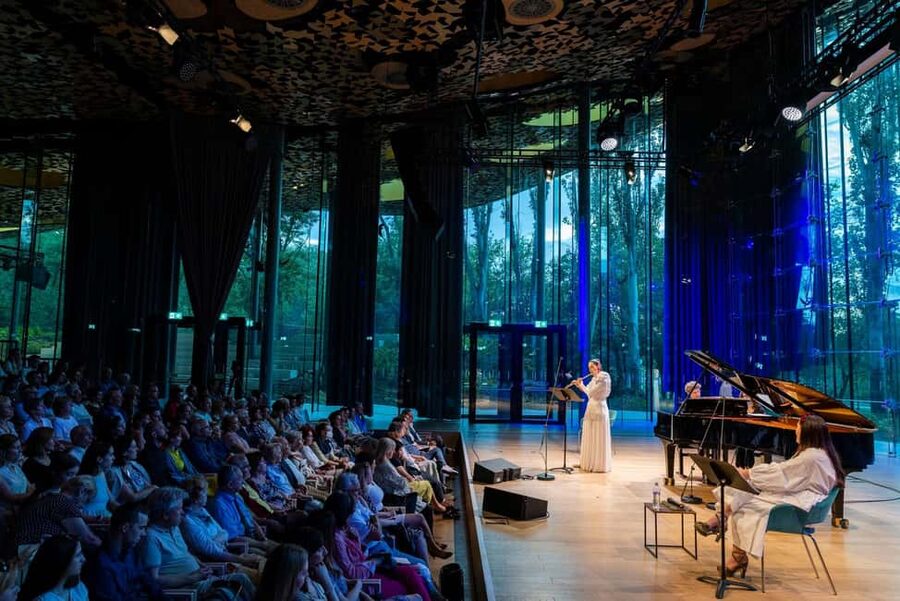
The House of Music’s location in City Park is not an afterthought. The tour repeatedly brings you back to panoramic views and the way the building uses glass and open spaces to look outward.
That connection to the park changes the mood. Even if you are indoors, you are not enclosed in a box. The city park environment keeps showing up through windows and open sightlines.
So yes, there are classic photo moments, but the bigger value is the sense of place. You leave understanding that the building was conceived as part of the public landscape, not a standalone object.
Sustainability details, shared in plain language
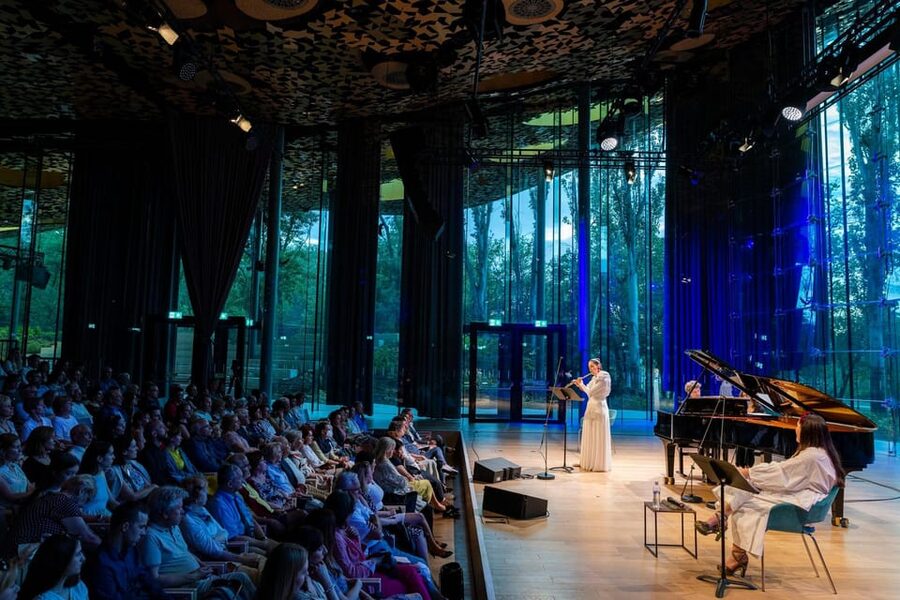
The guide also covers sustainability features, including geothermal energy and rainwater harvesting. That is not just trivia. It supports the overall design theme that the building is meant to be part of the local ecosystem, not an energy-heavy interruption.
I like when a tour mentions sustainability in context, because then it feels like a real operating choice rather than a brochure line. Here, it fits the broader idea that the architecture follows the park’s logic.
If that topic matters to you, ask questions during the tour if there is time. Since the guide tends to answer questions clearly, you can usually get follow-ups tied to what you just saw.
Price and time: is $13 for one hour good value?
At $13 per person for about one hour, this is priced like a focused add-on, not a half-day museum commitment. That makes it good value if your goal is architecture and design context without buying a longer, ticket-heavy itinerary.
It is also a smart use of time because the building design is dense with meaning. You can walk through buildings like this on your own, but you might miss the point about acoustics, the role of the roof structure, and how materials and shapes guide sound and community use.
You should consider skipping it if your priority is interactive exhibits or you specifically want to spend time in areas not included in the tour. But if you want an organized way to understand the building in a short window, this is a solid deal.
Who this House of Music tour fits best
This tour is a great match if you care about:
- Modern architecture and how it blends with public space
- Music venues as engineered spaces, not just performance stages
- Learning the logic behind acoustics, even without a show
It is also a strong choice if you like guided explanations that stay friendly and interactive. In past experiences, guides like Dora are singled out for being energetic and for answering questions while keeping the tour engaging.
One more note on fit: the tour is not suitable for children under 15, so it is better planned for teens and adults.
Should you book this House of Music Guided Tour?
Yes, I think you should book it if your trip includes City Park and you want a high-value architecture stop with guided context. The combination of the floating roof, glass-heavy interior, and the acoustics-focused explanations makes the building easier to understand than a casual self-guided visit.
Skip it if you mainly want exhibition galleries or interactive sound spaces like the Sound dome and Creative sound space. In that case, you will likely feel like you are missing the core payoff.
If you book, do yourself a favor: go in with one question you genuinely care about, like how the roof influences acoustics or how the building supports community music education. A good guide session will build your answers around what you are seeing in real time.
FAQ
How long is the House of Music guided tour in Budapest?
The tour lasts 1 hour.
What language is the live guide?
The live tour guide is English.
Where does the tour start?
You meet inside the foyer.
Where does the tour end?
The tour ends back at the meeting point.
Is the House of Music tour wheelchair accessible?
Yes, the tour is wheelchair accessible.
Is this tour suitable for children?
It is not suitable for children under 15 years.
What is included in the tour ticket?
Included are the guided look at the building’s architectural features, the concert hall, the library and archives, the outdoor spaces, and the gift shop.
What is not included?
Entry to exhibitions is not included, and the Sound dome and the Creative sound space are also not included.
Are pets allowed?
Pets are not allowed, but assistance dogs are allowed.
Are there multiple starting times?
Yes, starting times vary, so you need to check availability.
With a Guide in Budapest





More Tours in Budapest





More Tour Reviews in Budapest





Reviewed recently around Budapest
- Audio visual multi-sensory chefs journey dinner experience★ 5.0 · 3 reviews
- Tapolca Cave Lake and Tihany/ Balaton private tour from Budapest★ 4.5 · 3 reviews
- SzentEndre-SaintAndrew City Privately Shopping and Picturesque★ 4.5 · 3 reviews
- Sightseeing flight over Budapest★ 5.0 · 3 reviews
- Self Guided Tour In Budapest With 100 Captivating Audio Stories★ 5.0 · 3 reviews
- Private Danube Bend Visegrad and Szentendre Tour With Transport★ 5.0 · 3 reviews
Guided, compared.
 ★ 4.5Parliament Building Entry Ticket and Audio GuideFrom $453,844 reviews
 ★ 4.6Opera House Guided TourFrom $331,533 reviews
 ★ 5.0Budapest Small-Group Guided Tour on MonsteRoller e-ScooterFrom $721,517 reviews
 ★ 4.6Guided Tour of the Parliament Building in SpanishFrom $411,240 reviews
 ★ 4.9Bar Crawl with a Local GuideFrom $441,112 reviews
 ★ 4.43-Hour Live Guided Sightseeing TourFrom $351,041 reviews
 ★ 4.5Budapest Danube Cruise with Drink, Audio Guide, Margaret IslandFrom $241,036 reviews
 ★ 4.1Danube River Sightseeing Cruise with Audio GuideFrom $141,002 reviews