
Review · MUSEUMS
Budapest: Light Art Museum – Immersive New Media Experience
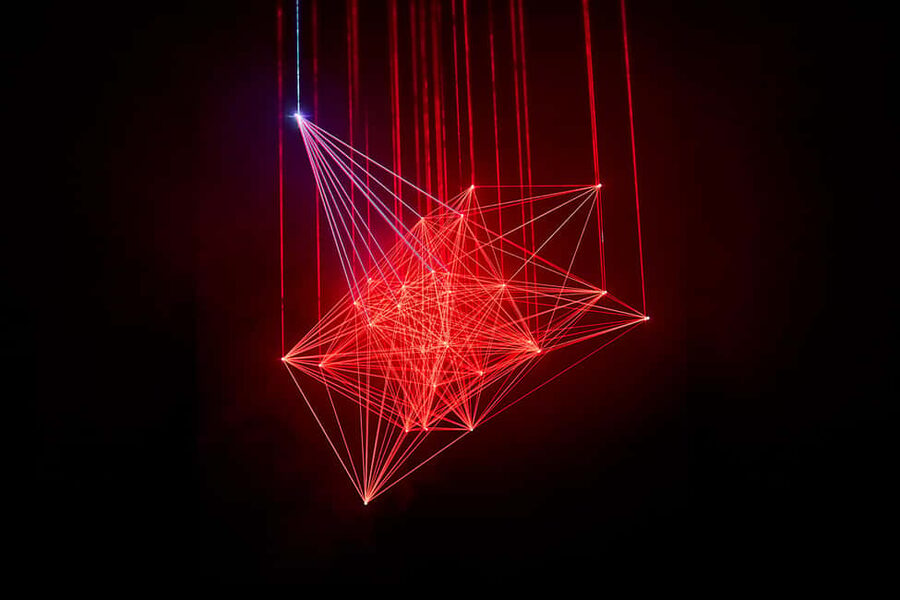
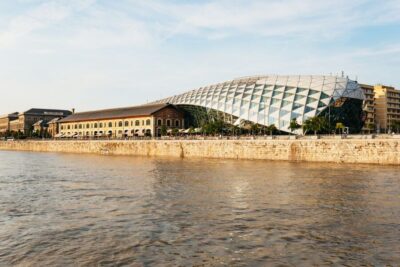
Budapest glows in unexpected ways. In a former farmers market space, the Light Art Museum turns light into art you can walk through, with optical illusions and projection mapping that feel more like a show than a typical gallery stop. You also get references to László Moholy-Nagy and Victor Vasarely, so it is not just pretty, it has art history flavor even when the experience is playful. The main thing to consider is that a few installations can be closed on the day you go, so your 2 hours might feel shorter than you expected.
I especially like two things about this visit. First, the atmosphere is built for up-close looking, with rooms that change how you see the colors and shapes around you. Second, it is hands-on in feel, and there are standout set pieces people talk about, including an air lock style dome and other big visual moments designed for photos. One drawback to plan for, if you are traveling with young kids, is that there is at least one area labeled for over 18, so you will want to keep an eye on where the doors lead.
If you want a low-pressure, weather-friendly activity that fits cleanly into a morning or afternoon, this is a strong pick. The ticket includes 2 hours inside, plus an option to use the skip-the-line entry if you tell the hosts you want it.
In This Review
- Key highlights that matter before you go
- Entering the old market hall where light becomes the main character
- Price and timing: how the $18 ticket turns into real value
- What you will see: light installations, optical tricks, and the names behind the glow
- A practical 2 hour route inside: how to pace yourself for maximum wow
- The art and science angle: when the explanations help
- Crowds, comfort, and the over-18 area you should plan around
- Family-friendly, but with smart expectations
- When exhibits are closed: how to keep your visit satisfying
- What to bring and how to act for the best light effects
- Should you book the Light Art Museum in Budapest?
- FAQ
- How long do I spend inside the Light Art Museum Budapest?
- What does the ticket include?
- Is there a tour guide?
- Can I skip the ticket line?
- What languages are available on site?
- How much does it cost?
- How do I plan the time if the experience runs on starting times?
- Is it suitable for kids?
- Where does the activity start and end?
- Is there free cancellation?
Key highlights that matter before you go
- Former marketplace setting: you are walking into a hall that used to be a farmers market, not a black box gallery.
- Light art plus new media: expect optical effects, projection work, and site-specific installations.
- Art nerd bonus: you will see big names connected to light and op art, including Moholy-Nagy and Vasarely.
- You control the pace: the visit is built for your own exploring over about two hours.
- Limited entry helps comfort: the museum limits the number of people, so it does not feel jammed.
- Some art may not land for everyone: a few pieces can feel more conceptual than interactive.
Entering the old market hall where light becomes the main character
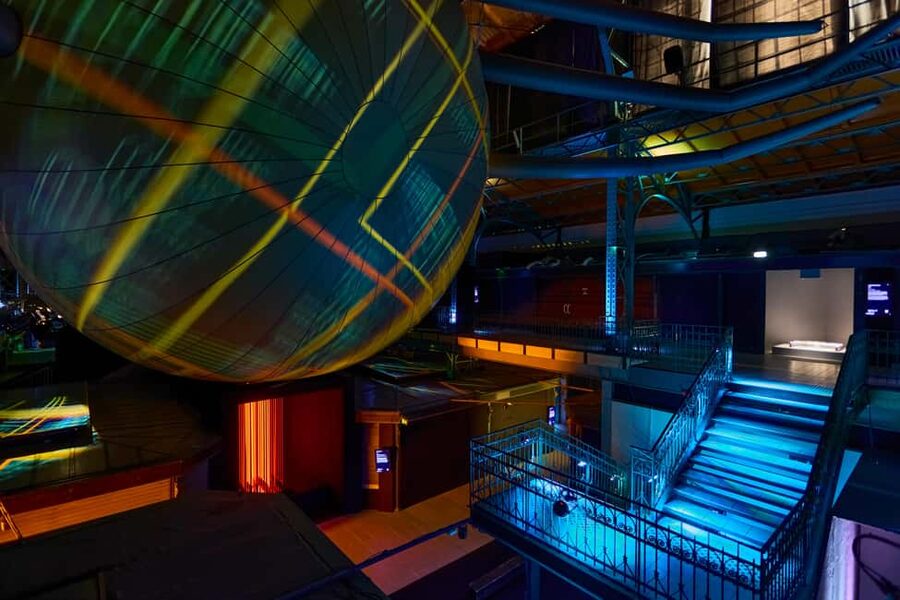
The Light Art Museum Budapest is set up like a sequence of visual environments. Instead of standing in front of framed works, you are guided by light, color, and changing surfaces, so your brain spends the visit scanning patterns and recalibrating what you think you are seeing.
I like that the museum leans into the connection between art and science. You get optical illusion style effects and new media visuals that make you pay attention to movement, angles, and how light behaves. It also helps that the space is built to support close viewing and photo taking, since many rooms are basically designed for your camera as much as your eyes.
A practical point: there is no tour guide included with the ticket. That means your experience will be shaped by the signage and your own curiosity. If you love reading short explanations and letting visuals do the rest, you will likely enjoy the flow a lot.
Price and timing: how the $18 ticket turns into real value
The price is $18 per person, with validity for 1 day and starting times that depend on availability. What makes that price feel reasonable is the structure: you get a ticket that includes about 2 hours of exploration, and the venue is designed so you can see a lot without sprinting.
The skip-the-line option is a small detail, but it matters in a city where lines can eat into your time. When you arrive, tell the hosts you want to skip the ticket line, and they will coordinate your entry. Since you do not get a guided tour, saving minutes on the front end is one of the best ways to protect your whole visit.
Also, think of the 2 hours as a flexible target, not a hard sprint. Some people will take it slowly, lingering in the rooms that click. Others will zip through and move on with the day. Either way, you are not stuck for an all-day commitment.
Museum tickets we queued for in Budapest
- Budapest: Cat Museum Budapest Entry Ticket
★ 4.4 · 2,210 reviews - Budapest: Light Art Museum – Immersive New Media Experience
★ 3.9 · 1,269 reviews - Budapest: Budapest Retro Interactive Museum Ticket
★ 4.4 · 373 reviews - Star Wars story Museum Ticket Pass
★ 5.0 · 249 reviews
What you will see: light installations, optical tricks, and the names behind the glow
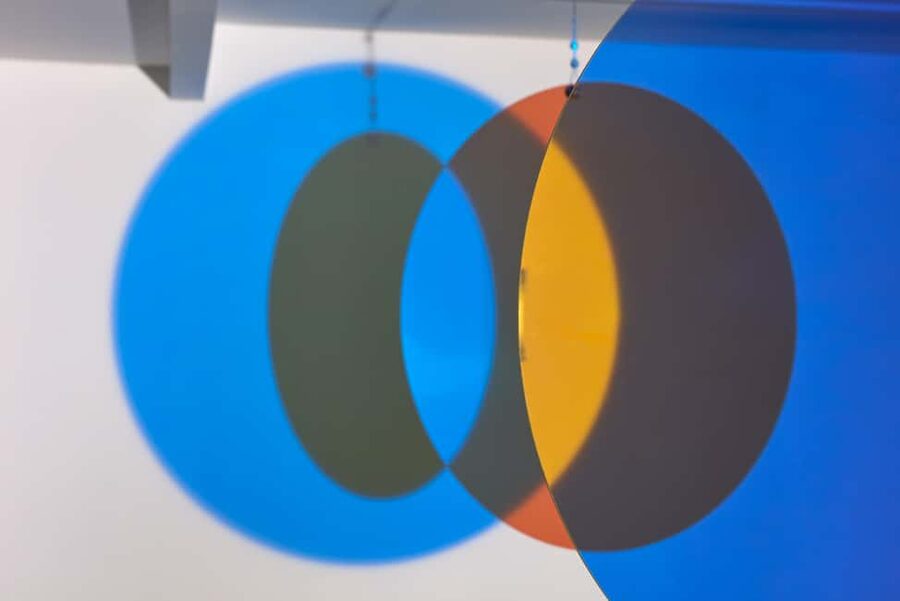
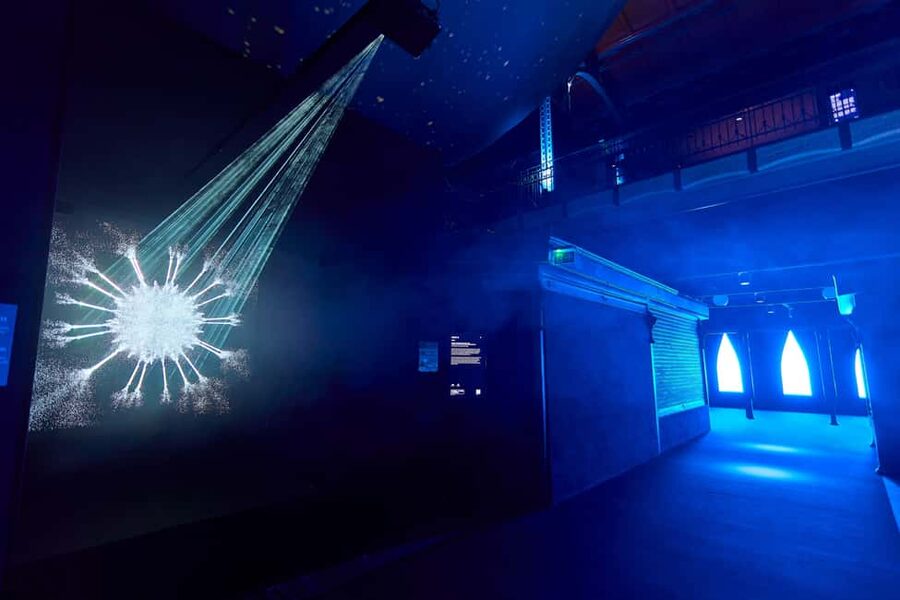
The museum experience is centered on light art and interactive new media concepts. Expect a mix of contemporary work, optical effects, and installations that use light as both the medium and the subject.
Here are the kinds of things you should keep an eye out for while you walk through:
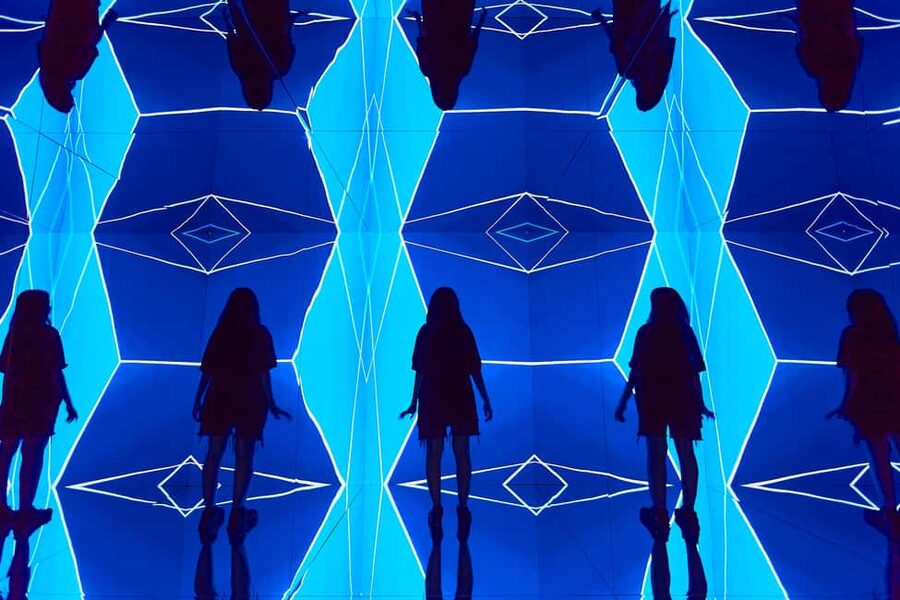
- Light and color environments that surround you, not just illuminate a wall.
- Projection mapping style visuals, where the images seem to lock to surfaces.
- Site-specific installations designed for this building, including large central features.
- Contemporary artworks by local and international artists.
Two names are especially worth noticing because they connect what you see to bigger art movements. The museum highlights work linked to pioneer light artist László Moholy-Nagy and op art icon Victor Vasarely. Even if you do not know their work ahead of time, seeing those references can help you frame what you are experiencing as more than a one-time spectacle.
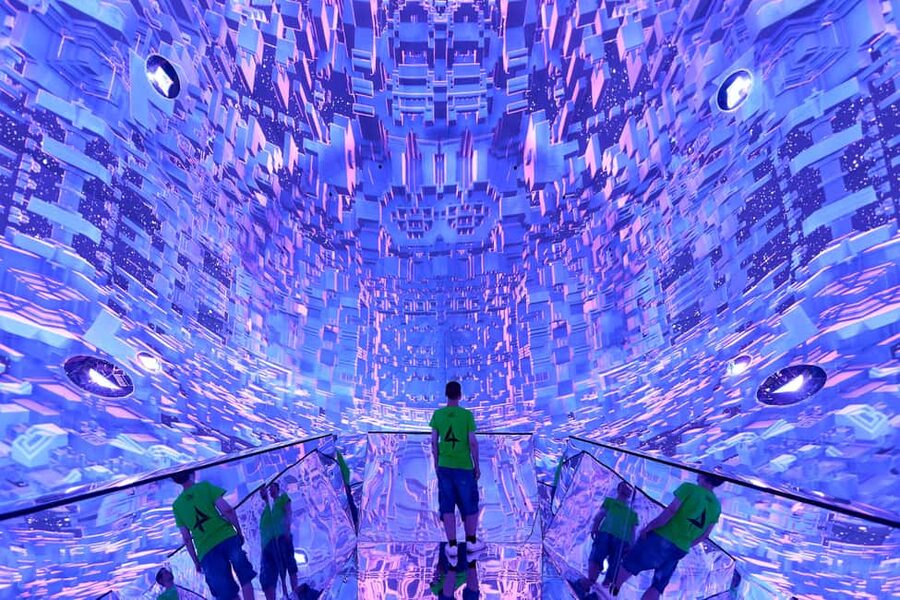
From the on-site experience people describe, the most memorable moments tend to be the big room installations, especially a central air lock dome where you get a special viewing effect. You might also run into a standout sphere-like installation and other whimsical set pieces that make the museum feel fun first, educational second, but still satisfying either way.
A practical 2 hour route inside: how to pace yourself for maximum wow
Since your ticket covers 2 hours of exploration and there is no guide, I suggest using that time like you would a self-guided walking tour: start curious, then slow down where the room begs for it.
A simple plan that works well:
- Begin with the biggest central area first. If the museum has the air lock dome at the center, start there. Many people say you get the best effect when you lie down to experience it at the best angle, so plan a few minutes for that.
- Work outward in a loop. Keep moving, but pause whenever the light effect changes dramatically. The visual tricks rely on how your eyes adapt, so short breaks help more than rushing.
- Save your photo moments for the last pass. Do quick shots early, but do your detailed photos once you have your bearings. That way you are not wasting time later trying to find the exact spot again.
- Finish with the installations that connect to names and context. Look for the pieces tied to Moholy-Nagy and Vasarely references. Even short reading can make the experience feel deeper without slowing you down too much.
One more pacing tip: do not treat every room like the same kind of exhibit. Some areas feel like a visual installation you step into, while others feel more like a light-based sculpture or display. If you adjust your expectations in the moment, the visit stays fun instead of frustrating.
The art and science angle: when the explanations help
The museum is built around the mix of art and new media, and that is why the light effects feel more convincing than basic illumination. Projection mapping and light behavior can seem like magic, but the point is to show how perception works.
Because there is no tour guide, the on-site info becomes your main tool for understanding what you are seeing. If you like reading in English, you can spend part of your visit scanning the descriptions. People who take the time often end up enjoying the museum more, since the visuals are not just random color.
That said, not every installation lands the same way for every brain. Some works can feel more conceptual, like they ask you to interpret rather than interact. If you are expecting everything to be highly hands-on and goofy, you may be a bit disappointed by the more abstract pieces. Still, the overall value comes from how many different visual styles you get in one sitting.
Crowds, comfort, and the over-18 area you should plan around
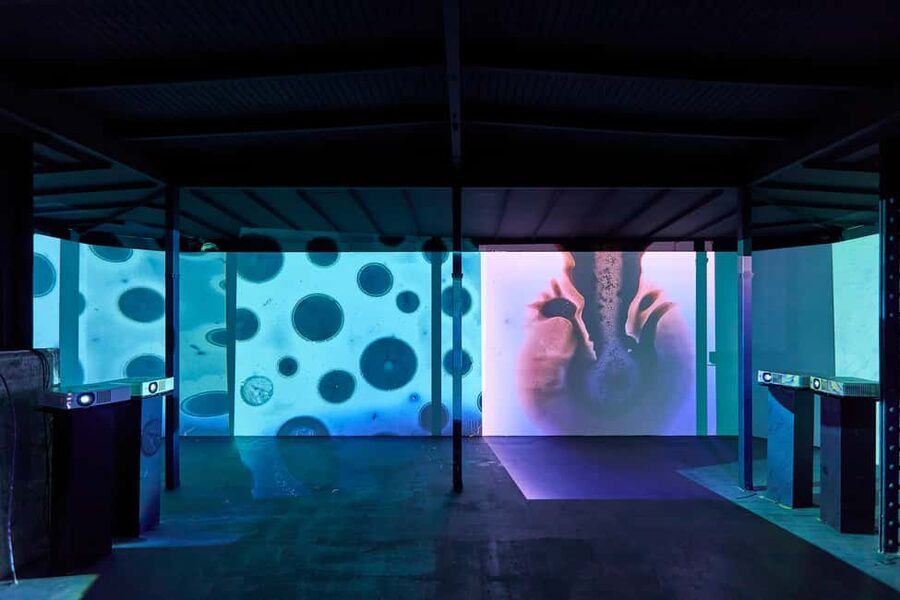
One of the big practical wins is that entry is limited, so the museum does not become a squeeze-fest. That matters because light effects look best when you can control your viewing distance and angle. When people are packed in tightly, those angles disappear, and the illusion gets weaker.
Still, timing helps. If you can choose a start time that is less busy for you, do it. Arriving early in the day or picking a quieter slot can make a big difference in how freely you can explore.
Two more things to note:
- There is a section specifically for over 18, so it is not an across-the-board museum for small kids. If you are traveling as a family, you can still have a great time, but keep an eye out for signage and door restrictions.
- If you are sensitive to sensory environments, expect bright lighting and strong visual effects. This is not a subdued museum. It is meant to grab your attention.




Family-friendly, but with smart expectations
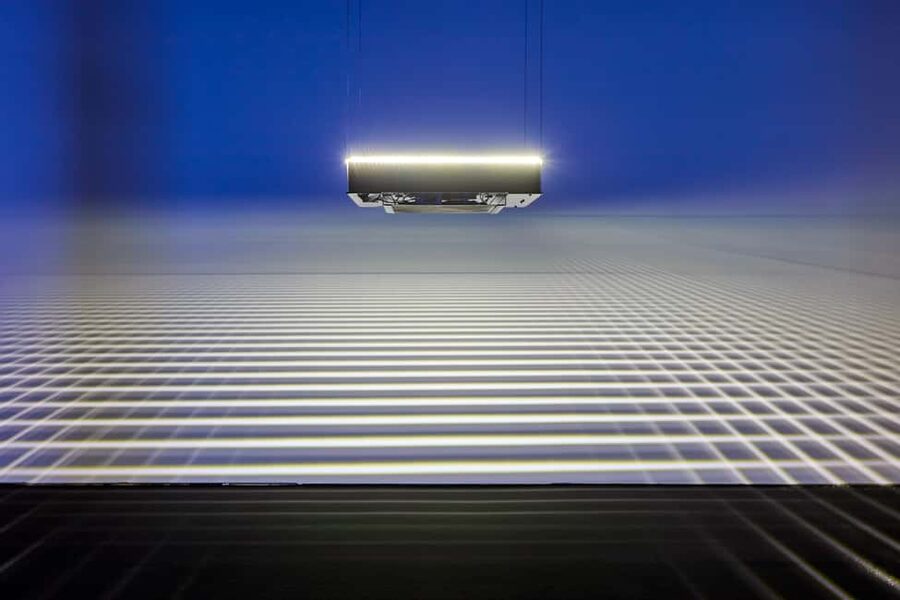
The museum strongly encourages families, and kids can have a blast with the bigger visual set pieces. People describe it as kid-friendly, and there is enough interactivity in the design that even very young visitors can enjoy the spectacle.
My practical advice is to treat it like a short attention-friendly show, not like a long sit-down museum. With 2 hours, you can pace breaks and let kids reset if they get overwhelmed by the light intensity.
Do watch for the over-18 section. That is the main constraint for family planning. If you are traveling with little kids, build in the time to go where they can go, then spend any extra minutes on the most kid-appealing rooms like the air lock dome effect and other large installations described as unbelievable or amazing.
When exhibits are closed: how to keep your visit satisfying
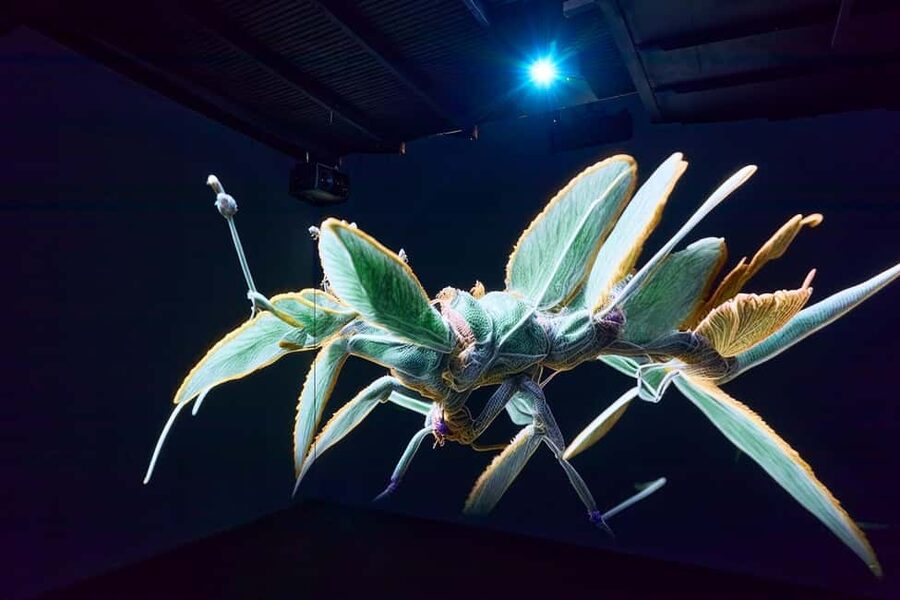
On some days, not everything may be open. Some people have reported that a lot of artworks were closed, which can shorten the walk-through. That does not mean the museum is not worth visiting, but it does change how you should approach your expectations.
If you arrive and notice fewer rooms than you expected, switch your goal. Instead of trying to see everything, focus on the strongest open installations. The air lock dome type of centerpiece and the big light environments tend to carry the visit even when some smaller pieces are missing.
Another mindset shift: enjoy the variety you do get. When the museum is fully functioning, the experience can feel like a sequence of very different rooms. If closures reduce that variety, you can still get a satisfying hour-plus by giving full attention to each open environment.
What to bring and how to act for the best light effects
This is a low-stress activity, but a few choices can improve your time.
Bring:
- A camera or phone you are comfortable using indoors (many installations are photo-friendly).
- Comfortable shoes, because you are walking through a designed path and spending time in a few key spots.
Act like:
- Expect changing light conditions. Stand in different spots when the visuals shift, even if it feels silly. That is part of how the effects work.
- Be ready to lie down or adjust your position in the air lock dome type area, if that is on your route.
If you want to maximize the art references, read the English signage at least briefly near the pieces tied to Moholy-Nagy and Vasarely. Even a little context makes the visuals feel more intentional.
Should you book the Light Art Museum in Budapest?
Book it if you want a playful, weather-proof activity that turns light, color, and projection effects into a self-guided experience. The value is strong because the $18 ticket buys about 2 hours of attention-grabbing rooms, and the limited entry helps you enjoy it without fighting crowds.
Consider skipping or adjusting expectations if you are the type of museum visitor who needs everything to feel interactive and hands-on. Some pieces can be more conceptual, and if a lot of installations happen to be closed on your date, you may end up wishing for more variety.
My bottom line: if your Budapest itinerary includes time for something different and you like optical effects, this is a smart use of a half-day. It is short enough to fit, and weird enough to feel memorable.
FAQ
How long do I spend inside the Light Art Museum Budapest?
Your ticket includes 2 hours of exploration in the world of light, art, science, and new media.
What does the ticket include?
It includes admission to the Light Art Museum, with an option for skip-the-line entry, plus 2 hours of exploration. A tour guide is not included.
Is there a tour guide?
No. The ticket includes admission, and there is no tour guide listed.
Can I skip the ticket line?
Yes. There is a skip-the-line option. When you arrive, tell the hosts that you want to use it.
What languages are available on site?
The hosts or greeters are listed as English and Hungarian. The experience materials and information are presented in English and Hungarian.
How much does it cost?
The price is listed as $18 per person.
How do I plan the time if the experience runs on starting times?
It is valid for 1 day, and starting times depend on availability, so you should check the available entry times when you book.
Is it suitable for kids?
It is described as a family-friendly activity, and families can enjoy it. However, there is also a section specifically for over 18s, so it is worth planning around that.
Where does the activity start and end?
You start at the meeting point, and it ends back at the same meeting point.
Is there free cancellation?
Yes. Free cancellation is available up to 24 hours in advance for a full refund.
Rooms Worth Queueing For




More Tour Reviews in Budapest





Reviewed recently around Budapest
- Audio visual multi-sensory chefs journey dinner experience★ 5.0 · 3 reviews
- Tapolca Cave Lake and Tihany/ Balaton private tour from Budapest★ 4.5 · 3 reviews
- SzentEndre-SaintAndrew City Privately Shopping and Picturesque★ 4.5 · 3 reviews
- Sightseeing flight over Budapest★ 5.0 · 3 reviews
- Self Guided Tour In Budapest With 100 Captivating Audio Stories★ 5.0 · 3 reviews
- Private Danube Bend Visegrad and Szentendre Tour With Transport★ 5.0 · 3 reviews
Museums, compared.
 ★ 4.4Cat Museum Budapest Entry TicketFrom $142,210 reviews
 ★ 4.4Budapest Retro Interactive Museum TicketFrom $15373 reviews
 ★ 5.0Star Wars story Museum Ticket PassFrom $15249 reviews
 ★ 3.5Budapest Card: Free Public Transport, Spa & Museums with DeliveryFrom $114241 reviews
 ★ 4.5Adult Ticket in 3D Gallery BudapestFrom $130229 reviews
 ★ 4.5Budapest Dohany Synagogue & Hungarian Jewish Museum & free extrasFrom $44218 reviews
 ★ 4.6Travelling Galaxy Star Wars Interactive ExhibitionFrom $15198 reviews
 ★ 5.0Skip the Line: Budapest Pinball Museum Admission TicketFrom $16166 reviews
Browse the lists this tour appears in