
Review · MUSEUMS
Budapest: Mika Tivadar Secret Museum Entry Ticket
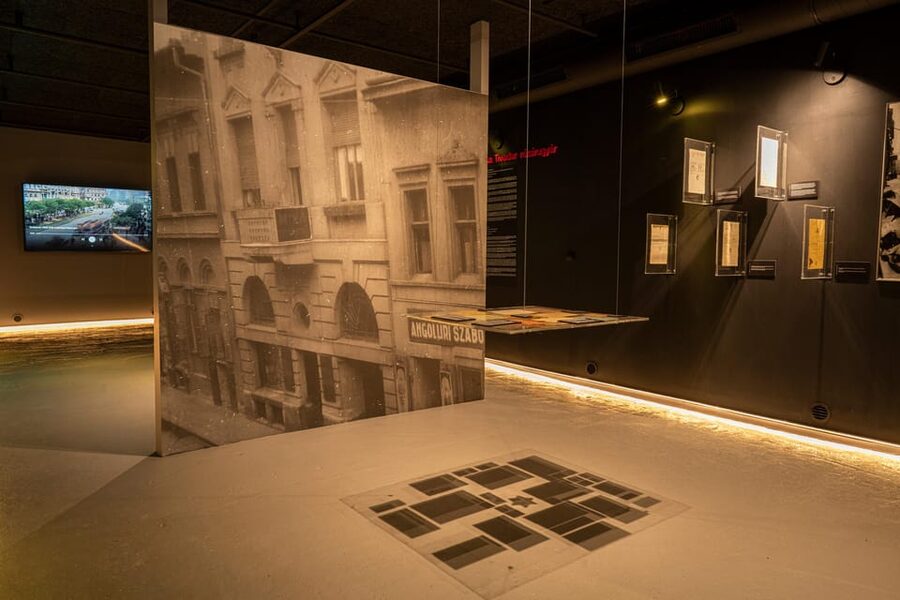
A secret museum with a loud past. The Mika Tivadar Secret Museum turns a tiny ticket into a fast, story-packed walk through Budapest’s Kazinczy Street era, with chapters you listen to on your phone and a real mood-setter of a cocktail bar on site. I like how it links the building itself to the bigger street around it, so you get context instead of just artifacts.
I especially love the 140 sqm scale. It feels intimate, and you’re not stuck in a maze, yet the content covers the late 1800s through the years between the world wars, plus the property’s later layers. Second, I really appreciate the 8 languages via voiceovers and voice effects, all accessible right from your smartphone.
The one drawback to plan around: this isn’t wheelchair-friendly, and there’s no museum guide, so you’ll rely on the short greeting plus the audio chapters. If you hate self-guided museums, this might feel like more “press play and read” than a coached experience.
In This Review
- Key things to know before you go
- Checking in at Hotel Mika Downtown, then letting your phone run the show
- How the museum time travel works in 30 minutes (and beyond)
- What you’ll hear, what you’ll see, and why it feels different
- The big names and the smaller surprises you’ll find inside
- Budapest’s party district stories, told with a human scale
- World War II layers you can actually picture
- Using the audio guide well: how to get it right the first time
- The onsite cocktail bar and restaurant, and why you’ll want it
- Price and value: $5 for 8-language audio and a lot of scenes
- Who this works best for
- So should you book the Mika Tivadar Secret Museum?
- FAQ
- Where is the meeting point for the Mika Tivadar Secret Museum ticket?
- How long is the museum visit?
- What does the ticket cost?
- Is there a museum guide or tour guide included?
- Do I need a smartphone for the audio?
- Is the audioguide available in multiple languages?
- Is Wi-Fi available on site?
- Is an onsite bar or restaurant available during the visit?
- Is the museum suitable for wheelchair users?
- Can I cancel, and can I reschedule?
Key things to know before you go
- Small space, big themes in about 140 sqm on Kazinczy Street
- 8 languages with voiceovers and voice effects on your own phone
- No live guide, just a brief welcome and a printed flyer to orient you
- First Hungarian hotel museum inside the story of the house
- Onsite cocktail bar and restaurant for a drink break during the visit
- Not wheelchair accessible, so plan accordingly if you need mobility support
Checking in at Hotel Mika Downtown, then letting your phone run the show
Your visit starts at the Hotel Mika Downtown reception, where you’re greeted and handed a museum flyer with a quick explanation of what you’ll find. From there, you don’t follow a guide or a timed group. You explore at your own pace while the audio chapters guide you through the exhibits.
This matters because the museum is designed to work like a self-guided story. You’re meant to read, look closely at installations, photos, and written narratives, then match those visuals with the voiceovers on your device. If you arrive ready to use your smartphone, you’ll get a lot more out of the visit.
Tip that saves time: bring a charged phone. The audio is on your mobile, and free Wi-Fi is available, but you still want enough battery to scan and play comfortably.
How the museum time travel works in 30 minutes (and beyond)
The ticket is set for about 30 minutes, so you should think in terms of a quick, focused circuit. The exhibits are compact, and you won’t need to “commute” between distant rooms. That’s part of the charm: you move from one era to the next without losing your energy.
Even with a short official duration, you can take longer if the stories grab you. The layout supports lingering, especially when you want to re-listen to a chapter or stare longer at the photo details and antique objects.
Straight entry tickets around Budapest
- Budapest: Széchenyi Spa Day Ticket with Optional Upgrades
★ 4.3 · 23,911 reviews - Budapest: Parliament Building Entry Ticket and Audio Guide
★ 4.5 · 3,844 reviews - Budapest: Full-Day Gellért Spa Ticket
★ 4.2 · 3,340 reviews - Budapest: Cinema Mystica Entry Ticket
★ 4.3 · 3,103 reviews
What you’ll hear, what you’ll see, and why it feels different
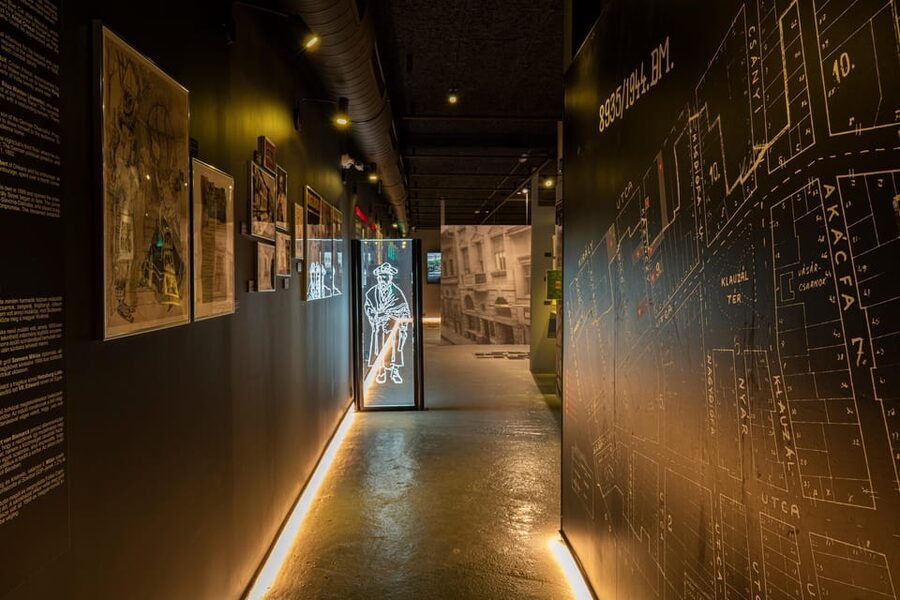
This museum doesn’t just describe a building. It uses the house to tell the story of Kazinczy Street and the surrounding area, covering the late 19th century through the interwar years. The curatorial approach also puts attention on the role of multiple ethnic communities living in Hungary. That’s a practical reason it works well for international visitors: the narrative isn’t only one group’s version of the past.
As you move through the space, the museum leans on three main ingredients:
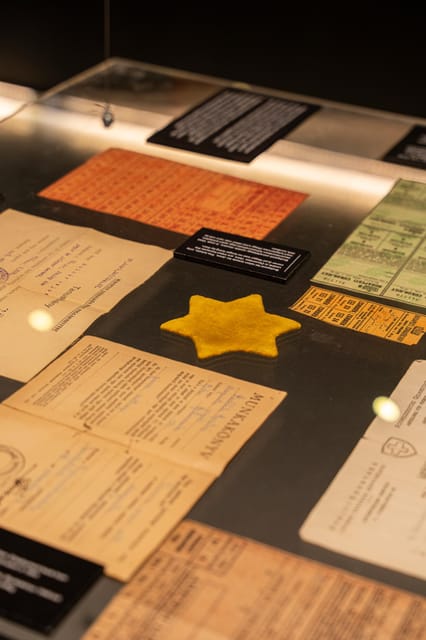
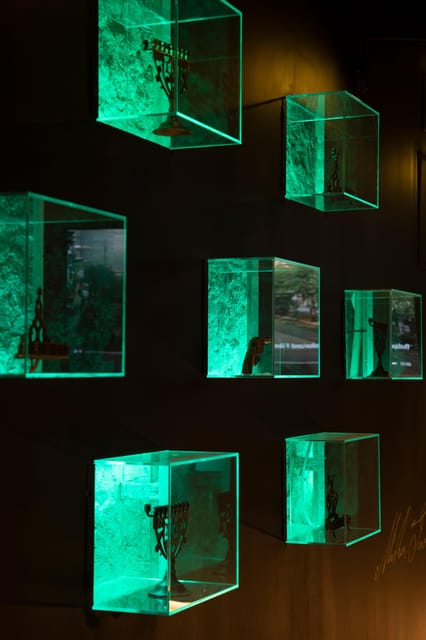
- Authentic installations and antique objects that anchor the stories in real stuff
- Photographs and written narratives that give you the names, places, and events
- Voiceovers with voice effects that add atmosphere without needing a guide
I like that balance. You get facts, but you also get a sense of how people lived and socialized on that street.
The big names and the smaller surprises you’ll find inside
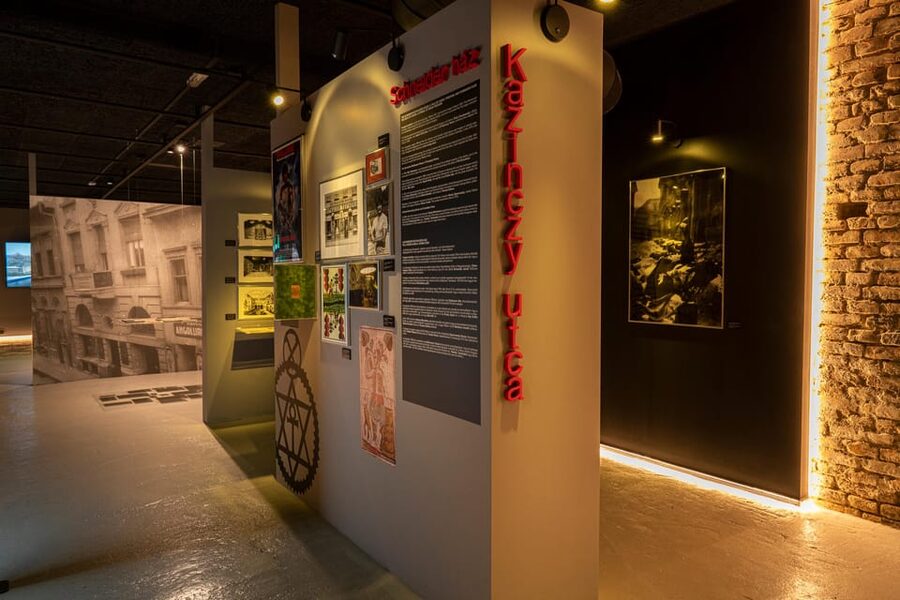
One of the most fun parts is how many notable figures show up in the story, especially because they connect local Budapest settings to European power politics. In the museum’s exhibits, you’ll encounter references tied to legendary guests such as King Edward VII, Otto von Bismarck, and Milan I of Serbia.
You’ll also see how entertainment and media show up in the building’s timeline. The museum highlights that Europe’s most famous cabaret, the Blue Cat, once operated here. It also points to a major early-media milestone: Hungary’s first cinema opened at this spot, and it’s connected to Michael Curtiz, the Oscar-winning director of Casablanca.
Then the museum takes a left turn in the best way, with unexpected connections that feel like Budapest trivia with a purpose. You’ll learn about a surprising connection between Sylvester Stallone and Arnold Schwarzenegger and a tiny house on Kazinczy Street. You’ll also hear a story about how veterans of the 1848-49 Hungarian Revolution played a role in the Mexican Civil War. These aren’t random facts. They’re used to show how people, ideas, and histories crossed borders.
Budapest’s party district stories, told with a human scale
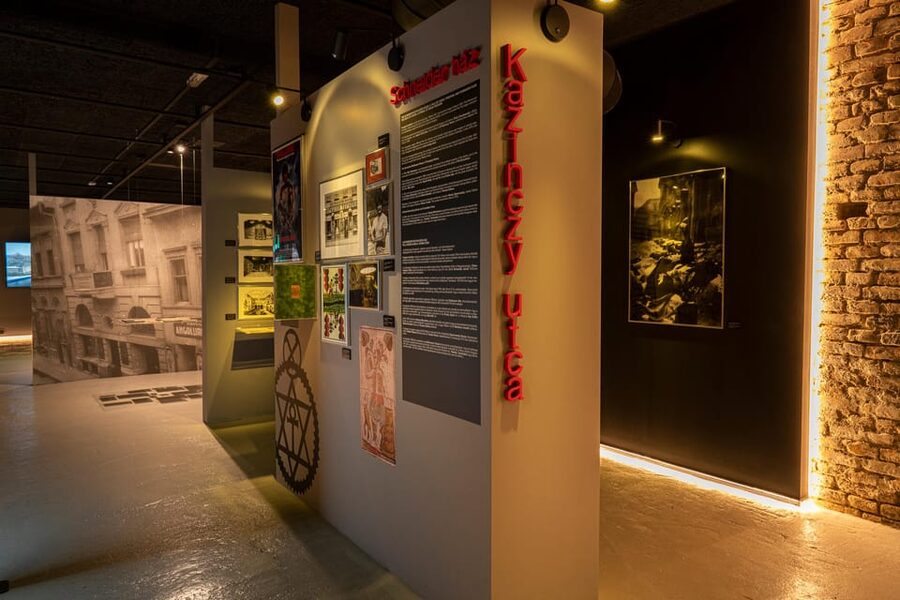
Kazinczy Street is famous for nightlife now. What the museum does well is explain how the street’s identity formed over time, especially through the world of hotels, nightlife venues, and the darker sides of society.
Expect exhibits that connect the property to the Budapest ghetto, plus the brothel story that people often associate with the area. There’s also coverage of daily-life landmarks tied to the neighborhood. For instance, you’ll learn about the Hungarian first steam bath that used to be right in front of the museum and what happened to it later, including its transformation into a hotel.
If you like your history grounded in places you can still walk by today, this is a strong format. You’re not asked to imagine an era in total isolation. You’re shown how the street’s functions shifted, from social spaces to historical layers, and how those changes leave traces.
World War II layers you can actually picture
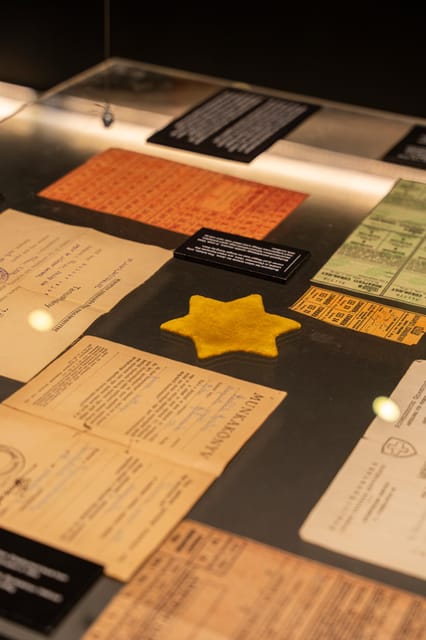
The museum doesn’t only cover the “glamour” side of stories. It also covers what happened during World War II at the property level, including how the space was used and how the building’s character changed.
This is where I found the museum’s physical details especially useful. The exhibits connect the earlier character of the site to later uses, and the onsite bar helps you keep the story anchored. One thing you’ll notice is the way the museum experience blends a historical narrative with the fact that you’re standing in a living part of Budapest today.
Museum tickets we queued for in Budapest
Using the audio guide well: how to get it right the first time
There are a few practical things that make or break audio-based museums, and this one is mostly easy if you follow the obvious steps.
- Scan the QR code to start the free audio guide on your phone.
- Choose your language from the 8 options.
- Listen while you read the visuals, not after.
That last line sounds simple, but it’s the difference between “I visited a museum” and “I understood what I was looking at.” The voiceovers are organized as chapters, and the museum is designed so the audio matches what you’re seeing.
Good news: free Wi-Fi is available, and the audio is accessible on your mobile. So if your phone is acting up, you have a safety net.
The onsite cocktail bar and restaurant, and why you’ll want it
The museum includes an onsite cocktail bar and restaurant. This isn’t just a random add-on. It fits the theme of Kazinczy Street, where entertainment and social life have always been part of the story.
Reviews and on-the-ground experience notes point to the practical benefit: you can grab a drink during or after, without hunting for another place nearby. If you’re visiting in the district and you want to keep the momentum going, this convenience is real value. You also get a visual payoff, because the bar’s setting connects to the museum’s past story of what the space used to be.
Plan on this being a place to buy drinks and food, not something included in your ticket price. But it can turn your 30-minute museum stop into an easy half-hour plus, with a relaxed end.
Price and value: $5 for 8-language audio and a lot of scenes
At about $5 per person, the ticket price is hard to argue with, especially because the museum packages multiple things together: you get the compact museum space, voiceovers with voice effects, 8 languages, and an onsite bar setting tied to the story.
Where the value shows up most is how much content fits into a short visit. You’re not paying for time in a building with minimal interpretation. Instead, you’re paying for a dense sequence of scenes, names, and connections tied to Kazinczy Street and Budapest’s changing identity from the late 1800s through the interwar years.
Also, you can skip the ticket line, which matters in central Budapest when you’re trying to keep your schedule tight.
Who this works best for
I think this museum is a great match if you:
- Like self-guided experiences where you set your own pace
- Want a history stop that also feels like a slice of Budapest nightlife culture
- Enjoy audio in multiple languages and appreciate a plan that doesn’t require a live guide
- Prefer a small footprint museum that still packs in big references, from European statesmen to film history
It’s less ideal if:
- You need wheelchair access, since it’s not suitable for wheelchair users
- You dislike reading plus listening at your own pace
- You’re looking for a traditional guided tour with a person leading the discussion
So should you book the Mika Tivadar Secret Museum?
If you want a low-cost, high-impact stop near the Kazinczy Street area, I’d book it. The mix of 8-language audio, a compact 140 sqm layout, and onsite drinks makes it easy to fit into a busy day without it feeling like a time tax.
My decision rule is simple: if you’re the type who enjoys connecting the dots in a place while you walk through it, this will click. If you strongly prefer a guided experience with a tour leader, you may find the self-guided setup a little too independent.
FAQ
Where is the meeting point for the Mika Tivadar Secret Museum ticket?
You meet at Hotel Mika Dowtown reception.
How long is the museum visit?
The experience is listed for about 30 minutes.
What does the ticket cost?
The price is listed as $5 per person.
Is there a museum guide or tour guide included?
No. You are greeted and handed a museum flyer, with a brief explanation of what you can discover. The chapters are handled through audio on your mobile device.
Do I need a smartphone for the audio?
Yes. Bring a charged smartphone, since the audioguide is accessed on your mobile.
Is the audioguide available in multiple languages?
Yes. Audio is available in 8 languages.
Is Wi-Fi available on site?
Yes. Free Wi-Fi is available.
Is an onsite bar or restaurant available during the visit?
Yes. There is an onsite cocktail bar and restaurant.
Is the museum suitable for wheelchair users?
No. It is not suitable for wheelchair users.
Can I cancel, and can I reschedule?
Free cancellation is available up to 24 hours in advance for a full refund.
Rooms Worth Queueing For



Just the Ticket in Budapest



More Tour Reviews in Budapest




Reviewed recently around Budapest
- Audio visual multi-sensory chefs journey dinner experience★ 5.0 · 3 reviews
- Tapolca Cave Lake and Tihany/ Balaton private tour from Budapest★ 4.5 · 3 reviews
- SzentEndre-SaintAndrew City Privately Shopping and Picturesque★ 4.5 · 3 reviews
- Sightseeing flight over Budapest★ 5.0 · 3 reviews
- Self Guided Tour In Budapest With 100 Captivating Audio Stories★ 5.0 · 3 reviews
- Private Danube Bend Visegrad and Szentendre Tour With Transport★ 5.0 · 3 reviews
Museums, compared.
 ★ 4.4Cat Museum Budapest Entry TicketFrom $142,210 reviews
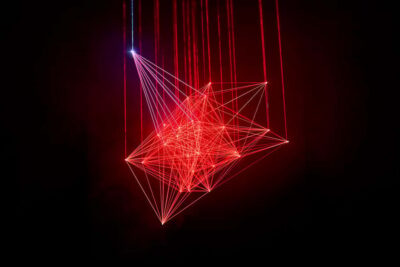 ★ 3.9Light Art Museum – Immersive New Media ExperienceFrom $181,269 reviews
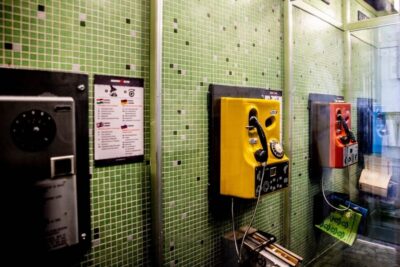 ★ 4.4Budapest Retro Interactive Museum TicketFrom $15373 reviews
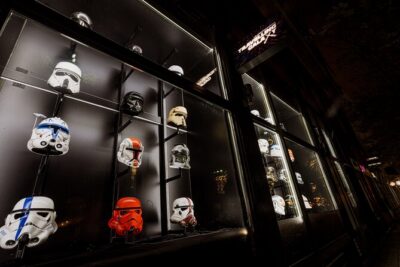 ★ 5.0Star Wars story Museum Ticket PassFrom $15249 reviews
 ★ 3.5Budapest Card: Free Public Transport, Spa & Museums with DeliveryFrom $114241 reviews
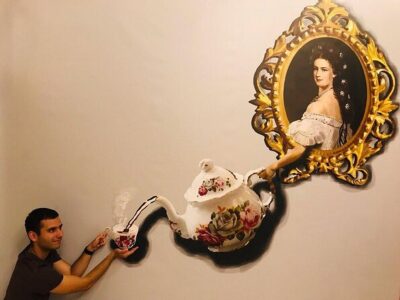 ★ 4.5Adult Ticket in 3D Gallery BudapestFrom $130229 reviews
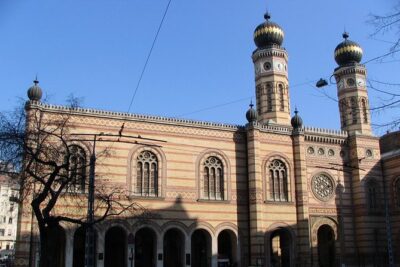 ★ 4.5Budapest Dohany Synagogue & Hungarian Jewish Museum & free extrasFrom $44218 reviews
 ★ 4.6Travelling Galaxy Star Wars Interactive ExhibitionFrom $15198 reviews
Browse the lists this tour appears in