
Review · MUSEUMS
Budapest: Museum of Ethnography Entry Ticket
Budapest looks good from up high. This ticket gives you a culture fix inside Néprajzi Múzeum, then pays off with a rooftop garden view over the city. It also helps you step into one of Europe’s oldest ethnographic museums, founded in 1872.
I like the way the museum turns big ideas into walkable galleries. You get 7,000 square meters of exhibition space that covers cultures from 5 continents, and the displays are set up to be easy to enjoy indoors, protected from natural light. One catch to consider: depending on which entry option you pick, you might only get access to the ZOOM permanent exhibition, meaning you could need extra admission for the rest.
In This Review
- Key highlights
- Price and value at a glance
- Meeting Néprajzi Múzeum and getting your bearings fast
- The rooftop garden view you will actually remember
- 7,000 square meters across 5 continents, in real-world museum form
- Permanent and temporary exhibitions: how to plan your route
- Intangible cultural heritage and why it matters here
- Audio guide tips: ZOOM and the Ceramics space
- Temporary exhibitions to watch for, like Herman Ottó
- Photography rules and small habits that help
- Timing, last entry, and the Monday shutdown
- Ethnoshop discount and what to look for after the galleries
- Should you book this museum entry ticket?
- FAQ
- Where is the meeting point for this museum entry?
- How much does the Museum of Ethnography ticket cost?
- How long should I plan for my visit?
- What are the opening-time rules I should know?
- Are photography and video allowed inside?
- What exhibitions are included with the ticket?
- Is an audio guide available, and in what languages?
- Is the museum wheelchair accessible?
- Is there ever free entry?
Key highlights
- Rooftop garden view: Budapest scenes after you finish the galleries
- 7,000 m2 exhibition space: built for a full circuit, not a quick glance
- 5-continents storytelling: Hungarian and global community connections in one visit
- Oldest ethnographic roots: the museum traces back to 1872
- ZOOM – A Change in Perspectives: a themed look that may be sold as an option on its own
Price and value at a glance
For about $8 per person, this is a solid value if you want more than one museum stop. The ticket is designed for a full day, and it typically stacks well with a general sightseeing plan around Budapest’s parks and central sights.
What pushes the value up is what you’re allowed to do inside. If you select the option that includes all exhibitions, you get permanent and temporary galleries plus an audioguide. If you choose the ZOOM-only option, expect a smaller scope, because you would not automatically have access to everything else.
Meeting Néprajzi Múzeum and getting your bearings fast
You meet at Néprajzi Múzeum, which is also the museum’s name. That matters because the ticket is an entry ticket, not a guided walk-through, so you’re free to start where you want and set your own pace.
The museum sits at the gateway to one of Budapest’s most beautiful parks. That location is practical: you can pair your visit with time outdoors before or after, instead of feeling stuck indoors all day.
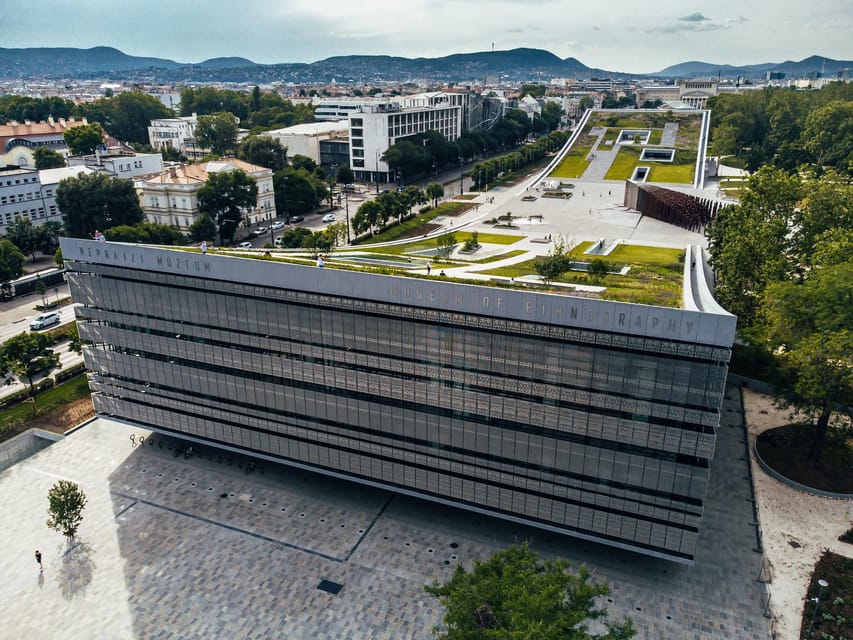
The building itself is part of the experience. It’s described as a new museum building and one of the newest in Europe, so you get a modern layout to pair with collections and museum traditions that go back to 1872.
Straight entry tickets around Budapest
- Budapest: Széchenyi Spa Day Ticket with Optional Upgrades
★ 4.3 · 23,911 reviews - Budapest: Parliament Building Entry Ticket and Audio Guide
★ 4.5 · 3,844 reviews - Budapest: Full-Day Gellért Spa Ticket
★ 4.2 · 3,340 reviews - Budapest: Cinema Mystica Entry Ticket
★ 4.3 · 3,103 reviews
The rooftop garden view you will actually remember
The rooftop garden is one of the clearest reasons to book this museum. It’s designed as a reward at the end of the day, when your eyes need a break from glass cases and text.
I like that the view is built into the museum visit, not added as a separate activity you have to hunt down. If you time it right, you can walk through the exhibitions first, then head up when you’re ready for a slower moment.
If you’re photo-friendly, plan for the rooftop moment. Photography is allowed without flash, which is useful in the indoor galleries too, but it’s especially relevant when you’re shooting city views.
7,000 square meters across 5 continents, in real-world museum form
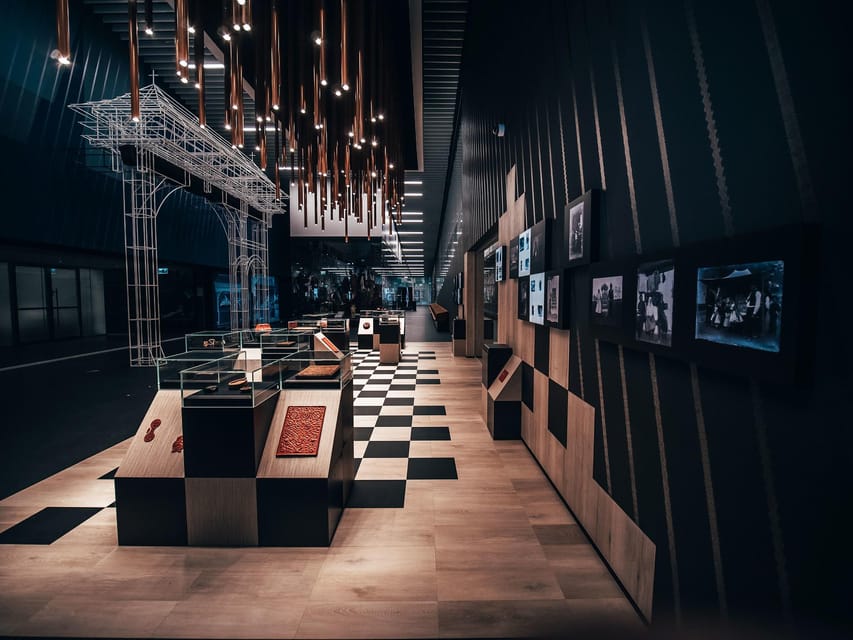
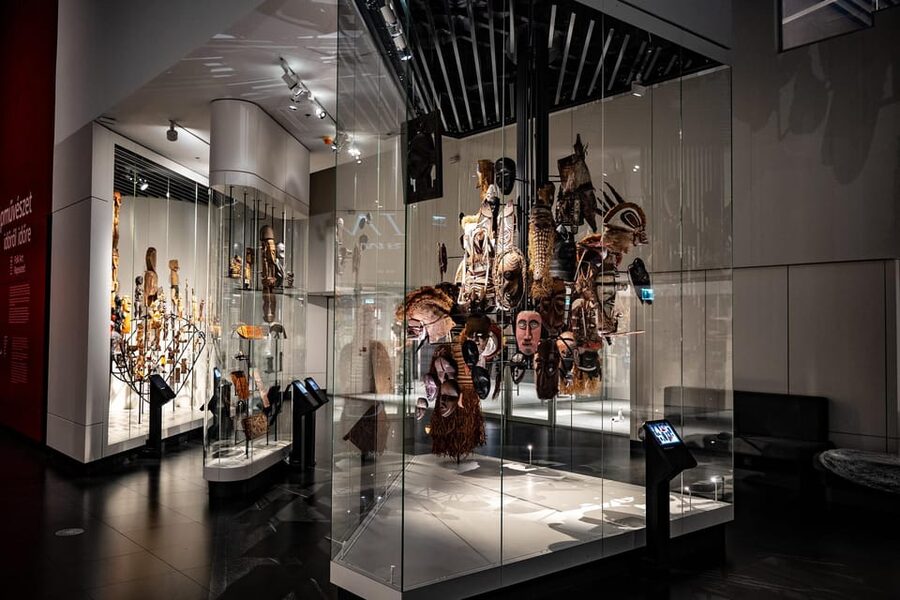
This is not a tiny display. You’re looking at 7,000 square meters of exhibition space, which gives you room to slow down and compare sections without feeling rushed.
The museum’s setup focuses on comfort for visitors, with exhibitions protected from natural light. That’s a big deal for ethnographic collections and artifacts, because it usually means you can read and look longer without harsh glare.
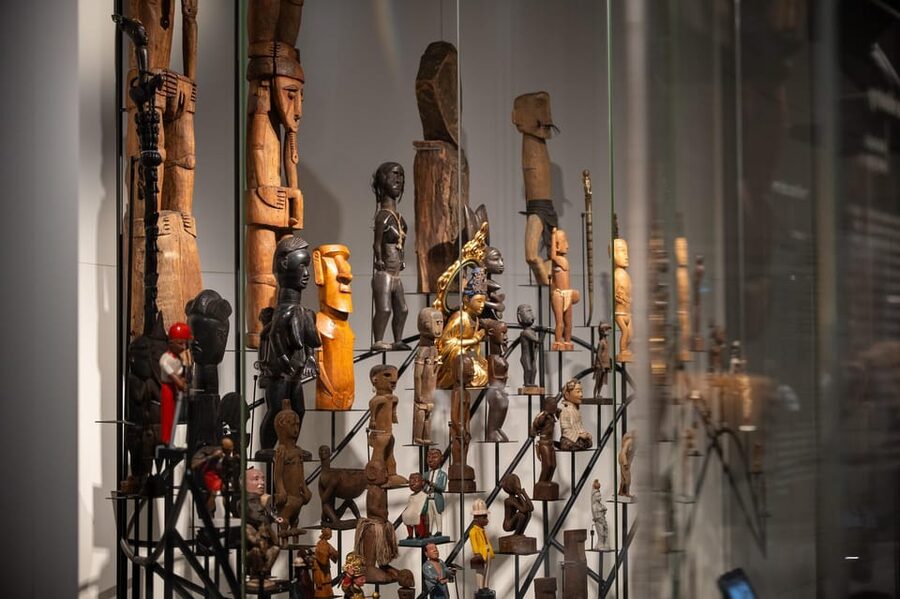
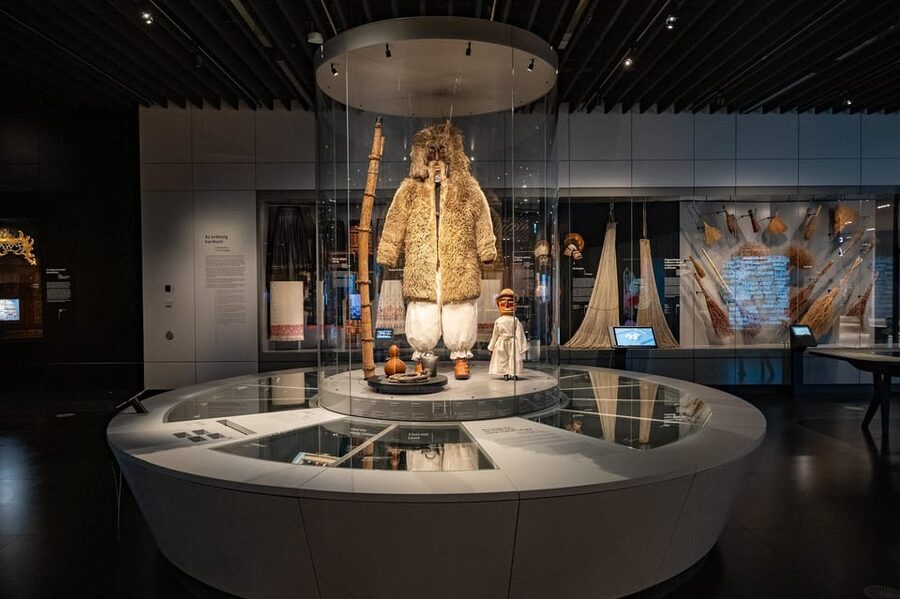
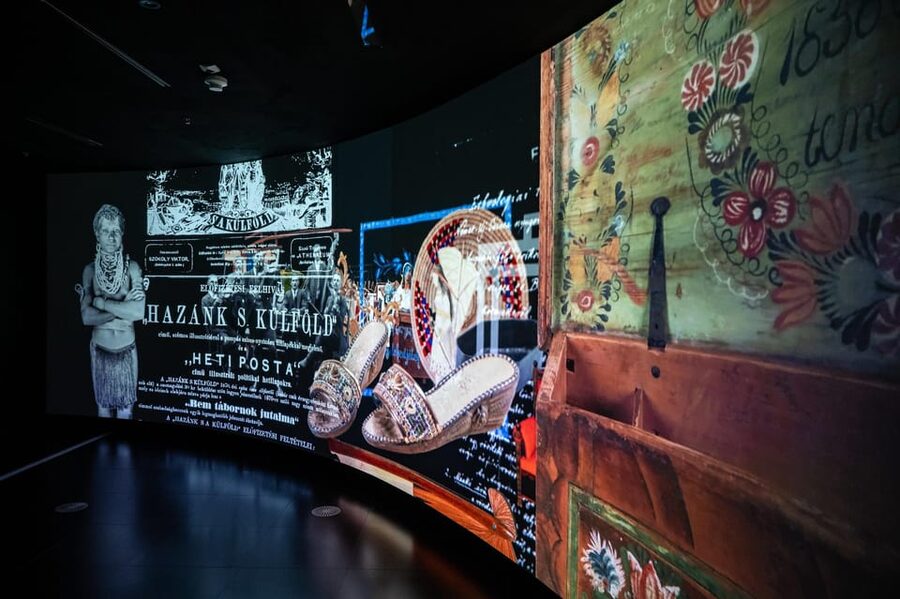
You’ll also see how the museum connects local and global stories. The exhibitions cover cultures from 5 continents, including Hungarian and European themes alongside world communities, with attention to how cultures share patterns even when daily life looks different.
Permanent and temporary exhibitions: how to plan your route
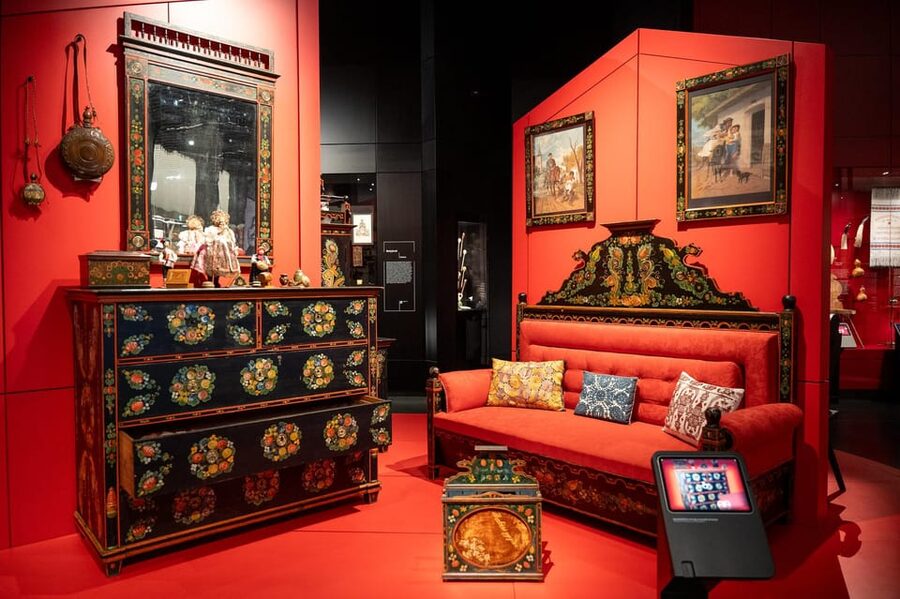
The ticket is meant for a full circuit of permanent and temporary exhibitions, depending on the entry option you choose. Permanent displays give you the museum’s baseline story, while temporary exhibitions are where you often get fresh angles.
I recommend you do a simple, practical route plan:
First, start with the permanent sections so you understand the big themes. Then, add temporary exhibitions and end with anything you want to revisit.
This approach matters because the museum can feel conceptual, especially when you’re comparing how people preserve skills, traditions, and community practices. If you start with the theme and then add details, you’ll walk out with a clearer idea of what the museum is trying to say.
Intangible cultural heritage and why it matters here
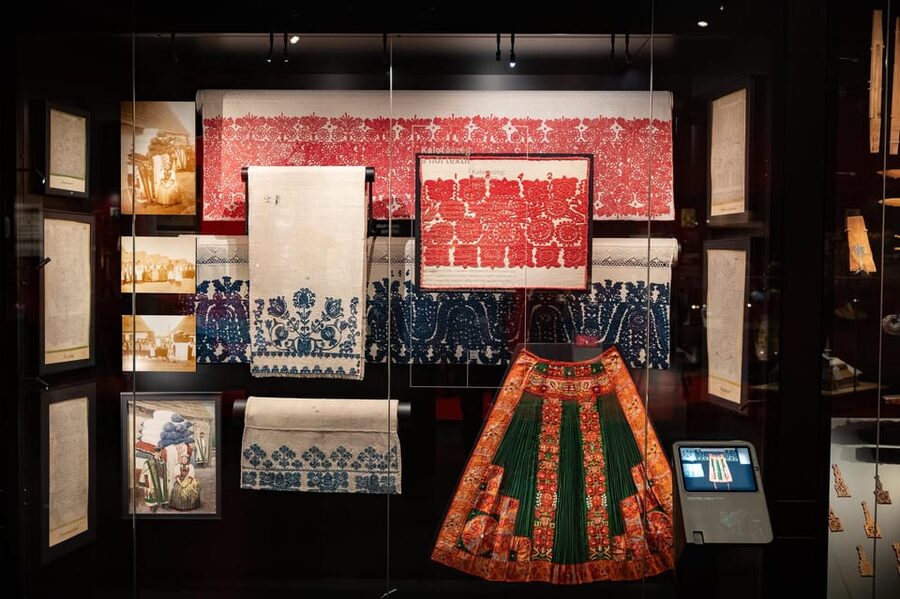
One thing I appreciate is the museum’s focus on intangible cultural heritage, not only objects. It aims to collect and preserve cultural practices tied to ethnographic research, which is a different lens than museums that mostly display physical artifacts.
That focus also connects to the museum’s role in Hungary for museological research and the renewal of ethnographic museum practice. In plain terms, you’re not just looking at things from the past. You’re also seeing how a museum thinks about culture and how it decides what to protect and how to explain it.
When you connect that mission to the exhibitions across multiple continents, the museum’s message gets clearer: culture is lived, shared, and transmitted. You’ll likely notice how the displays connect community identity to daily practices and long-term memory.
Museum tickets we queued for in Budapest
Audio guide tips: ZOOM and the Ceramics space
An audioguide is included, and it’s described as available in ZOOM and the Ceramics space. That tells you the museum is built around more than just reading labels, it expects you to use extra context in at least some key areas.
If you want to get the most out of the audioguide, I’d plan for it like this. Pick a couple of rooms where you’ll listen for the core explanations, then keep your pace for the rest. That prevents the classic problem of listening to everything and losing track of your own flow.
Also check language options. The optional audio guide is available in English and Hungarian, so you can match your comfort level without forcing yourself through a language you barely read.
Temporary exhibitions to watch for, like Herman Ottó
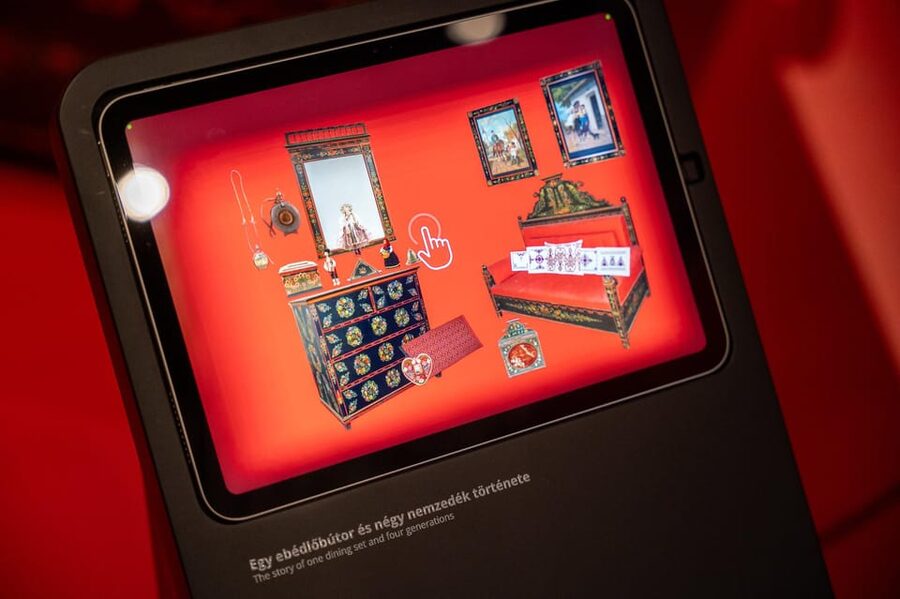
Temporary shows can be a highlight, because they bring a sharper story into the museum. One example from a visit experience mentioned an exhibition devoted to Herman Ottó, a Hungarian figure associated with ornithology and broader cultural interests.
What’s useful for your planning is this: if a Herman Ottó-style exhibition is on during your visit, you can expect a mix of ideas, including how people studied nature and how that connects to wider Hungarian knowledge and collecting traditions. The name and context are especially interesting if you like natural history adjacent topics, even if you came mainly for ethnography.
Because temporary exhibitions change, keep your eyes open when you arrive. I’d treat the temporary areas as optional, but high-ROI if the theme hits what you like.
Photography rules and small habits that help
Photography is allowed without flash. That’s a friendly policy for both indoor and outdoor views, as long as you keep things respectful and do not block other visitors.
I also suggest you use photos as bookmarks, not just souvenirs. Take a quick shot of sections you want to compare later, then return to any area that sparks a question. With a museum that spans multiple continents, a “save it for later” photo habit can help you connect themes.
One more practical note: the museum’s exhibitions are protected from natural light, so you might not get dramatic shadows indoors. That can make photos more consistent, but it also means you should rely on composition, not hoping for sunset lighting inside.
Timing, last entry, and the Monday shutdown
The museum is closed on Mondays, so plan around it. If your Budapest schedule includes Monday, pick a different museum day so you don’t waste time lining up for a door that won’t open.
Last admission is one hour before closing. I treat that as a hard deadline, not a suggestion, because it affects how much of the temporary and permanent galleries you can realistically see.
Given the scope, you’ll want a real chunk of time, not a rushed stop. Even if you move quickly, a place with 7,000 square meters and multiple exhibition types takes longer than you expect.
Ethnoshop discount and what to look for after the galleries
If your entry option includes all exhibitions, you also get a 10 percent discount at the museum’s Ethnoshop. That’s a small perk, but it can turn into real value if you plan to buy a book or a gift anyway.
I like ending with a shop visit because it often clarifies what you just saw. After you walk through culture-themed exhibits, you can browse items with more context, and you’re more likely to buy something that actually matches your interests.
Should you book this museum entry ticket?
If you want a first-rate ethnography museum in Budapest that feels both historical and modern, I’d book it. The rooftop garden view and the scale of the exhibition space give you two kinds of payoff, city views and cultural storytelling, without needing extra guided add-ons.
Book especially if you care about how museums explain culture, not just what they display. The focus on intangible cultural heritage and the long institutional roots since 1872 make this more than a standard “look at artifacts” visit.
The one reason to pause is ticket scope. If you see an option that centers on ZOOM – A Change in Perspectives only, confirm that you will get access to the rest of the permanent and temporary exhibitions you want. If you pick the all-exhibitions option, this is the kind of ticket that turns into a full, satisfying day.
FAQ
Where is the meeting point for this museum entry?
Meet at Néprajzi Múzeum.
How much does the Museum of Ethnography ticket cost?
The price is listed as $8 per person.
How long should I plan for my visit?
The experience is listed as 1 day.
What are the opening-time rules I should know?
The museum is closed on Mondays, and last admission is one hour before closing time.
Are photography and video allowed inside?
Photography is allowed without flash.
What exhibitions are included with the ticket?
The included options are described as access to all permanent and temporary exhibitions plus an audioguide (available in the ZOOM and Ceramics space). There is also a ZOOM-only option described as access only to the ZOOM permanent exhibition.
Is an audio guide available, and in what languages?
An audioguide is optional and is available in English and Hungarian.
Is the museum wheelchair accessible?
Yes, the museum is listed as wheelchair accessible.
Is there ever free entry?
Yes, on the 3rd Saturday of each month, permanent exhibitions are free for Hungarian and other EEA nationals who meet the listed age and accompaniment conditions.
Rooms Worth Queueing For


Just the Ticket in Budapest


More Tour Reviews in Budapest



Reviewed recently around Budapest
- Audio visual multi-sensory chefs journey dinner experience★ 5.0 · 3 reviews
- Tapolca Cave Lake and Tihany/ Balaton private tour from Budapest★ 4.5 · 3 reviews
- SzentEndre-SaintAndrew City Privately Shopping and Picturesque★ 4.5 · 3 reviews
- Sightseeing flight over Budapest★ 5.0 · 3 reviews
- Self Guided Tour In Budapest With 100 Captivating Audio Stories★ 5.0 · 3 reviews
- Private Danube Bend Visegrad and Szentendre Tour With Transport★ 5.0 · 3 reviews
Museums, compared.
 ★ 4.4Cat Museum Budapest Entry TicketFrom $142,210 reviews
 ★ 3.9Light Art Museum – Immersive New Media ExperienceFrom $181,269 reviews
 ★ 4.4Budapest Retro Interactive Museum TicketFrom $15373 reviews
 ★ 5.0Star Wars story Museum Ticket PassFrom $15249 reviews
 ★ 3.5Budapest Card: Free Public Transport, Spa & Museums with DeliveryFrom $114241 reviews
 ★ 4.5Adult Ticket in 3D Gallery BudapestFrom $130229 reviews
 ★ 4.5Budapest Dohany Synagogue & Hungarian Jewish Museum & free extrasFrom $44218 reviews
 ★ 4.6Travelling Galaxy Star Wars Interactive ExhibitionFrom $15198 reviews
Browse the lists this tour appears in