
Review · BUDAPEST PHOTO SHOOTS
Budapest Photo Walks
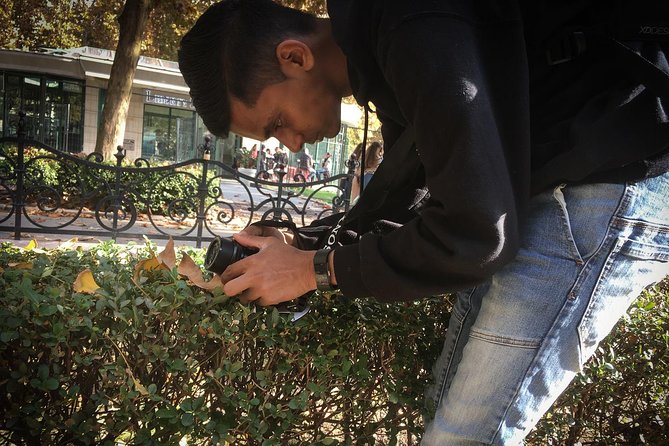
Budapest glows when you slow down. This customizable photo walk is built around smart shooting spots and flexible timing, from Gellért Hill views to classic river angles. You can go in daylight or at night, and the plan shifts with weather and your comfort level.
I like that it is small scale, with a maximum of 2 travelers, so you get real time to ask questions and adjust on the fly. I also like the practical focus: composition and camera settings are covered if you want a beginner friendly primer.
One thing to keep in mind, the itinerary and exact stops can change based on your fitness and the weather, so you should treat it as a plan you can shape, not a fixed checklist.
In This Review
- Key highlights I think matter
- A Photo Walk Built Around Daylight and Night Lights
- Meeting at Batthyány tér and How Your Route Gets Tailored
- Gear and Help: Tripod Included, Camera Settings If You Need Them
- Gellért Hill Viewpoints: Where Framing Becomes a Skill
- Castell de Buda Night Angles and the Chain Bridge View
- Liberty Bridge and the Danube Line You Should Try
- Batthyány Square for the Parliament Classic Shot
- The Photography Lessons That Actually Improve Your Shots
- Why the Price Makes Sense for This Format
- Who Should Book Budapest Photo Walks
- Should You Book This Photo Walk?
- FAQ
- How long is the Budapest Photo Walk?
- Is this tour offered in English?
- Do I get a tripod?
- Where does the tour start?
- Where does the tour end?
- What are the main stops on the route?
- Does the route change during the tour?
- Is there a private transportation option included?
- How many people are on the tour?
- What is the cancellation policy?
Key highlights I think matter
- Tripod included so you can stabilize low light shots and slow down for composition
- Day or nighttime routes with flexible start times, so you can match your energy and light
- Beginner help available with composition and camera settings, not just sightseeing
- Off-the-beaten-track viewpoints meant to keep you away from the widest crowds
- Route tailored to you with 4 to 5 view points often covered around Gellért Hill
- English speaking guide working with the group size cap for smoother attention
A Photo Walk Built Around Daylight and Night Lights
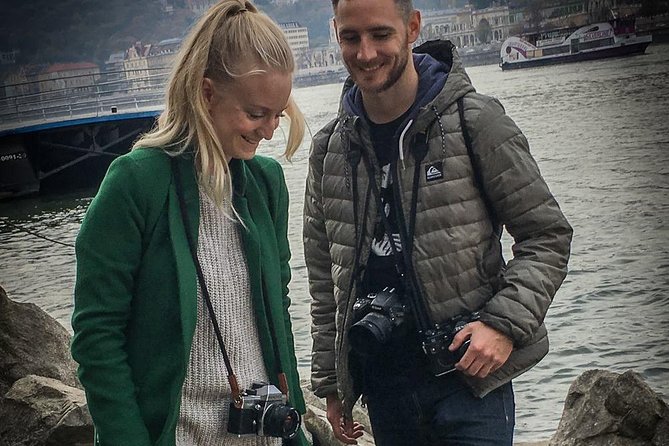
Budapest has two faces, and this tour helps you shoot both. You can choose a daytime itinerary or a nighttime one, and that choice changes what you prioritize: clarity and color in the day, mood and contrast after dark.
The day route leans into river structure and skyline lines, including bridge perspectives and the classic Parliament view area at Batthyány Square. The night route tends to focus more on dramatic angles and illuminated architecture, including places that work especially well when the city turns into a light show.
This is also a “choose your pace” kind of walk. The tour description notes that the exact itinerary depends on what you need and how your fitness holds up. That matters because good photos are often slower than you think. If you rush, you miss the best framing moment.
Meeting at Batthyány tér and How Your Route Gets Tailored
The tour starts at Batthyány tér (HBudapest, 1011 Hungary), in front of the metro M2 station. The meeting point is set, but the end point is agreed with you at the beginning of the tour.
That sounds minor, but it is useful. You can align the finish with what you want next, like dinner direction or where you plan to move afterward. It also fits the way the itinerary works, with flexibility built around your requests and the weather.
Duration is listed as about 2 to 3 hours, and most of that time is meant to be spent actually shooting and adjusting, not just walking. The key stop around Gellért Hill is described as covering about 4 to 5 main view points, depending on your needs and fitness. Translation: you will likely get multiple angles from one high vantage, so you can compare compositions instead of picking one and moving on.
Group size is capped at 2 travelers, which usually means you will have time for hands-on help. It is also easier to coordinate tripod setup without turning the walk into a traffic jam.
Other photographers we booked in Budapest
- Private photography photo session at Fisherman Bastion
★ 5.0 · 269 reviews - Budapest photoshoot&sightseeing
★ 5.0 · 107 reviews - Budapest: Walking Tour and Photoshoot with Digital Photos
★ 4.7 · 82 reviews - Budapest: Vacation Photographer to collect great memories
★ 5.0 · 49 reviews
Gear and Help: Tripod Included, Camera Settings If You Need Them
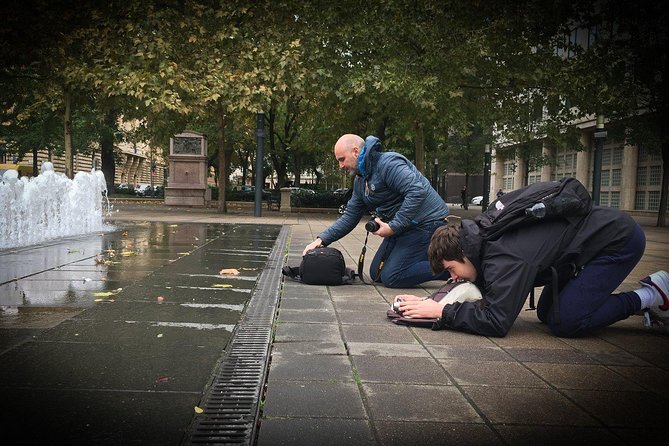
If you have a camera that struggles in low light, you will appreciate the tripod included detail. Night photography is often about steadiness, not magic. A tripod lets you spend less time fighting blur and more time thinking about framing.
The tour also signals beginner support. It is described as covering composition and camera settings if needed, which is a big deal if you do not want a purely visual walk. You should expect guidance that helps you translate what you see into something your camera can capture, especially in changing light.
You should also plan around the tripod. Bring a strap or bag you can manage while moving. If you are using heavier gear, think about how you will carry it between vantage points. The stops are spread out enough that you will feel the weight if you are not used to it.
Finally, transportation is not included. You are meeting at a metro station, so you will likely arrive under your own steam and then walk between viewpoints. That is normal for this kind of photo walk, but it is worth planning so you can concentrate once you start.
Gellért Hill Viewpoints: Where Framing Becomes a Skill
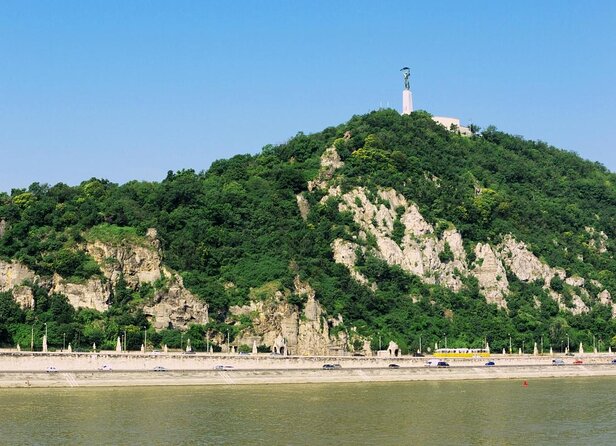
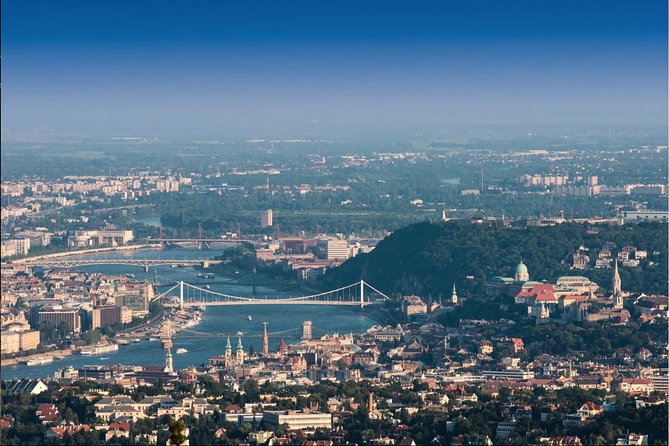
Gellért Hill is the anchor of the tour, and it appears in both day and night itineraries. That makes sense because it is a natural photo advantage point, with sweeping views over the river bend and the city.
In practice, the tour aims to hit 4 to 5 main view points around the hill, with the exact number based on your request and fitness. Each viewpoint is a chance to refine one idea at a time. Instead of grabbing a single postcard shot, you can test different compositions: higher or lower horizon, tighter framing versus including more city context, and changes in the direction your lens points.
For daytime, Gellért Hill is often where you can emphasize clean lines and the relationship between rooftops and the river. For nighttime, the hill helps you control the mood. With the tripod, you can slow down the shutter to capture the city glow while keeping architecture sharper.
One practical note is that weather drives the plan. If it is clear, you get more options. If it is hazy or windy, you may want to focus on steadier setups and shorter tripod times. The tour’s flexibility is actually a benefit here because it can adjust rather than forcing you through a rigid script.
The good part: Gellért Hill is where you learn the most transferable skill on this tour. You are not just learning where to stand. You are learning how to look, then how to set up.
Castell de Buda Night Angles and the Chain Bridge View
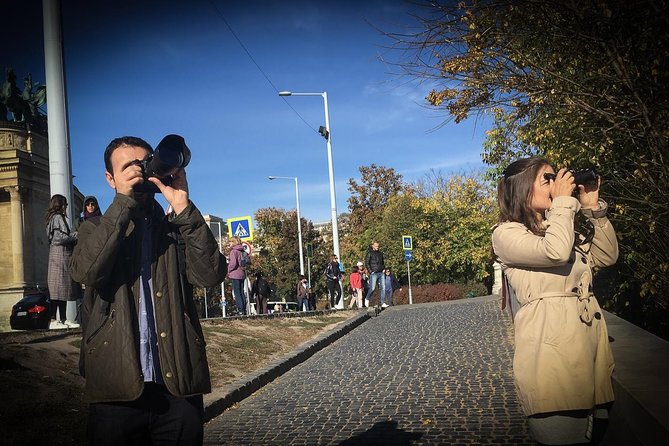
For the night tour, Castell de Buda enters the route. The listed focus includes a roundabout and a Chain Bridge view, which is a strong combination for night photography. Bridges are great after dark because lights give you leading lines and a sense of depth.
This stop is described as taking about 15 minutes, so you should treat it like a focused shooting window. That is enough time to set up, take a few frames, and adjust. It also fits a small group format. You do not have to wait while others decide. You can work quickly while still getting the important variations.
The potential drawback is also tied to the time slot. If you are new to tripod work, 15 minutes can feel short. The fix is simple: get your tripod ready before you start shooting, and bring a plan for what you want to capture. If you want crisp bridge lights, you will likely need steady settings and patience.
This stop is also a place where you can experiment with composition because you have a clear “subject” (the bridge) and a recognizable skyline pattern. Even if your first frames are not perfect, the viewpoint helps you understand what changes when you shift your angle.
Liberty Bridge and the Danube Line You Should Try
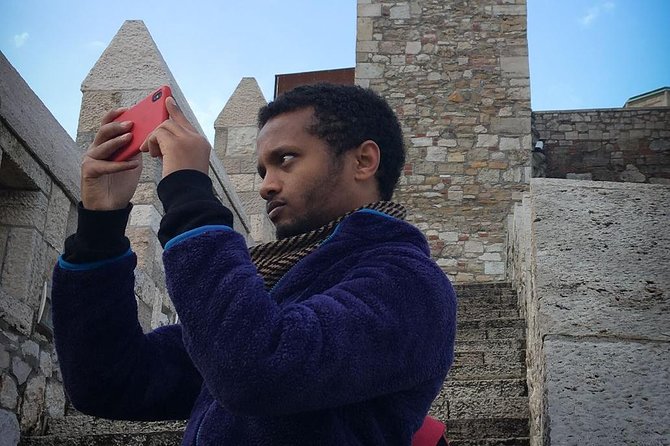
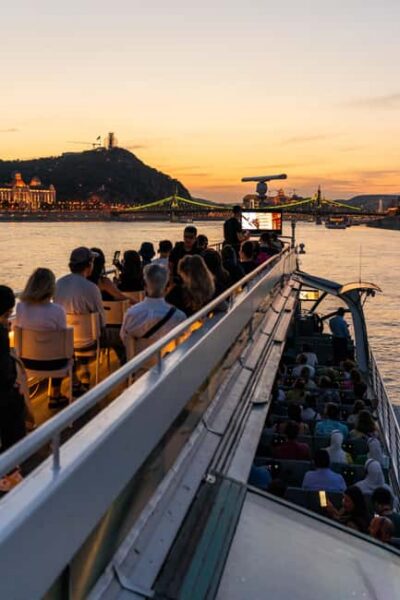
Liberty Bridge (Szabadság hid) is included in both day and night options. It also pairs well with Gellért Hill because you can use the hill as a background layer while the bridge provides structure in the foreground or midground.
The tour lists this as about 20 minutes, which is usually the sweet spot for bridge photography. You can set up for a steady shot, then move a step or two to change the angle. That is how you turn one view into several usable photos.
In daylight, this stop is a chance to capture bridge geometry and the way the river guides the eye. In night, it becomes about light patterns. Bridges at night often produce reflective highlights, and the tripod helps you manage sharpness and exposure.
A practical consideration is crowd movement. Even when a tour steers you away from the heaviest areas, bridge zones can still be busy. That is why the tour’s emphasis on off-the-beaten-track vantage points is important. You want a place where you can set up without constant interruptions.

Batthyány Square for the Parliament Classic Shot
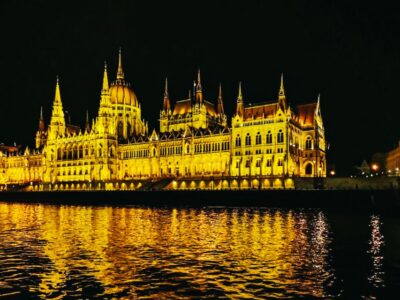
Batthyány Square shows the classic Parliament view and appears in both day and night itineraries. It is listed for about 15 minutes, which means this is likely another focused setup stop rather than a long linger.
This is one of those places where timing changes everything. In the day, you can shoot for clean architectural lines and a balanced skyline. At night, you often aim for illuminated detail with the river and bridges supporting context in the frame.
Because the tour starts at Batthyány tér and later returns to areas near it, this stop can work as both a “destination” shot and a “finish strong” moment. If you have been walking and adjusting gear all morning or evening, that 15 minute window is a good opportunity to focus on your best composition idea rather than starting from scratch.
The main trade-off with a classic skyline spot is that it can be visually tempting in every direction. You might find yourself wanting too many photos at once. The tripod helps, but you still need to pick one or two compositions you care about most.
The Photography Lessons That Actually Improve Your Shots
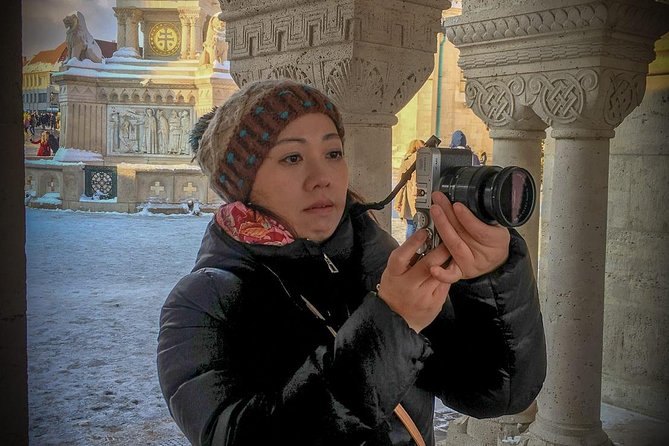
What makes this photo walk more useful than a simple sightseeing loop is the instruction layer. The tour is positioned as a primer for beginners, with composition and camera settings covered if you need them.
Even if you are not brand new, this kind of help pays off because Budapest lighting changes quickly as you move between high points and river angles. A guide can help you choose settings that match the scene, instead of letting you guess.
The reviews highlight a guide named Zoltan, praised for being patient and explaining photography in a way that is easy to follow. That is exactly the style that helps on a short tour. If someone can translate camera basics into quick decisions, your time on location gets far more productive.
Zoltan is also noted for knowing good night spots and having a strong background in the city’s history. That matters because a little context changes how you frame. If you understand what you are looking at and why the location matters, you spend less time photographing randomly and more time building a coherent set of images.
Why the Price Makes Sense for This Format
The price is listed at $179.74 per person for a 2 to 3 hour experience. That sounds specific, and it is. For this kind of tour, value usually comes from three places: your guide time, small group attention, and included gear.
Here, you get a tripod included, and the group size cap of 2 travelers suggests you are not competing for the guide’s attention. That is a real value multiplier if you want hands-on help with settings and composition. If you are paying for a private-ish experience, the tripod inclusion saves money and reduces friction at night.
Another value point is flexibility. Day or night options, adjustable routes based on fitness, and weather-aware changes all mean you are not stuck in an inflexible schedule. That matters in Budapest, where conditions can shift fast at higher viewpoints.
The only clear pricing mismatch possibility is if you already know your camera inside out and you do not need composition coaching. In that case, you might feel the instruction part is less central. But if you want better photos with less trial and error, this format is designed for exactly that.
Who Should Book Budapest Photo Walks
This tour fits best if you want a photo-focused plan rather than a casual walk. You will enjoy it if you:
- are a beginner who wants guidance on composition and settings
- want a tripod-supported approach to night photography
- like shooting from viewpoints with multiple angles, especially around Gellért Hill
- prefer small group pacing, with time for questions
It may be less ideal if you want a strict hour-by-hour itinerary with no changes. Because the plan can adapt based on weather and fitness, you should be comfortable with a little flexibility.
It also suits travelers who like practical help. The tour description emphasizes that it is customizable, and the reviews point to clear explanations and patience. If you do not want photography jargon and you want straight answers, you are in the right place.
Should You Book This Photo Walk?
I would book it if your goal is to leave Budapest with stronger, more intentional photos, and you want help that fits real conditions. The mix of day and night options, tripod included, and small group size is exactly how you get more usable images in a short time.
I would skip it if you only want a casual stroll for a few snapshots, and you already have the tripod workflow and settings dialed in. For that style, you could do a self-guided photo route.
If you do book, pick your itinerary based on your photography mood. Day is great for clean structure. Night is better for lights and mood, but it demands steadiness, which the tripod supports.
The best decision trick: choose the time that matches the city vibe you want on your memory cards, then bring your camera and a willingness to adjust. This tour is built to make that effort pay off.
FAQ
How long is the Budapest Photo Walk?
The tour is listed as about 2 to 3 hours.
Is this tour offered in English?
Yes, it is offered in English.
Do I get a tripod?
Yes, a tripod is included.
Where does the tour start?
The meeting point is at Batthyány tér, in front of the metro M2 station.
Where does the tour end?
The end point is agreed with you at the beginning of the tour, though it is always near Batthyány tér.
What are the main stops on the route?
You may visit Gellért Hill, Castell de Buda, Liberty Bridge, and Batthyány Square, depending on your itinerary and conditions.
Does the route change during the tour?
Yes, the itinerary can vary depending on your requests, your fitness, and the weather.
Is there a private transportation option included?
No, private transportation is not included.
How many people are on the tour?
There is a maximum of 2 travelers.
What is the cancellation policy?
Free cancellation is available up to 24 hours in advance for a full refund. Changes within 24 hours of the start time are not accepted.
More Tour Reviews in Budapest

More Shoots Around Budapest
Reviewed recently around Budapest
- Audio visual multi-sensory chefs journey dinner experience★ 5.0 · 3 reviews
- Tapolca Cave Lake and Tihany/ Balaton private tour from Budapest★ 4.5 · 3 reviews
- SzentEndre-SaintAndrew City Privately Shopping and Picturesque★ 4.5 · 3 reviews
- Sightseeing flight over Budapest★ 5.0 · 3 reviews
- Self Guided Tour In Budapest With 100 Captivating Audio Stories★ 5.0 · 3 reviews
- Private Danube Bend Visegrad and Szentendre Tour With Transport★ 5.0 · 3 reviews
Budapest Photo Shoots, compared.
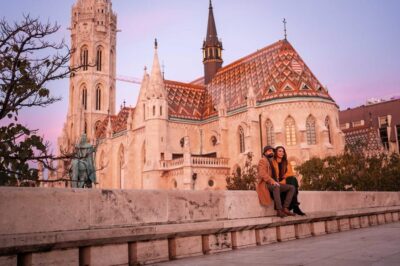 ★ 5.0Private photography photo session at Fisherman BastionFrom $45269 reviews
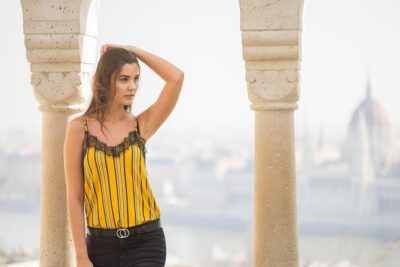 ★ 5.0Budapest photoshoot&sightseeingFrom $114107 reviews
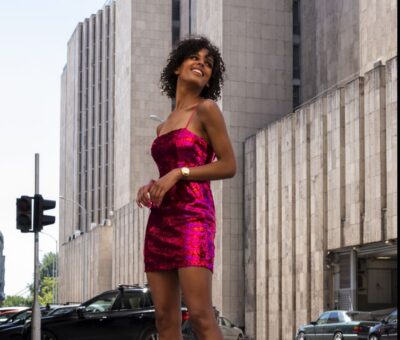 ★ 4.7Walking Tour and Photoshoot with Digital PhotosFrom $7782 reviews
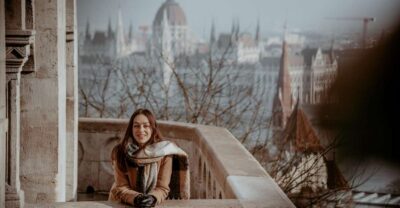 ★ 5.0Vacation Photographer to collect great memoriesFrom $11849 reviews
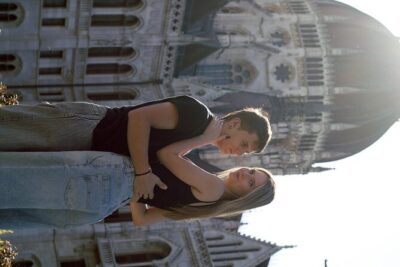 ★ 5.0Budapest Private Guided Tour with Photoshoot – Big(3hrs)From $12633 reviews
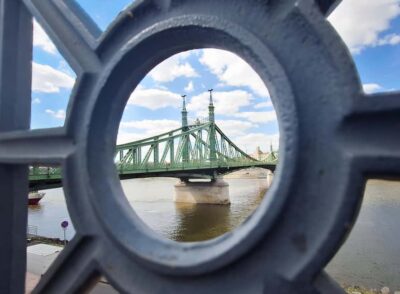 ★ 5.0Street photography with your smartphone, tour of BudapestFrom $1626 reviews
 ★ 5.0Vacation Photographer in Budapest at Fisherman’s BastionFrom $11122 reviews
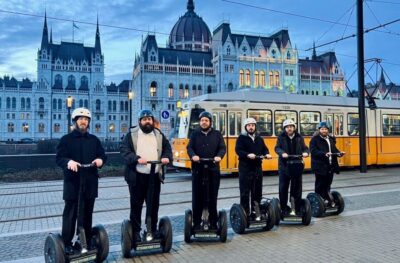 ★ 5.01 Hour Instagram Segway TourFrom $5216 reviews
Browse the lists this tour appears in