
Review · TUK-TUKS
Budapest: Sightseeing Tour by Electric Tuktuk
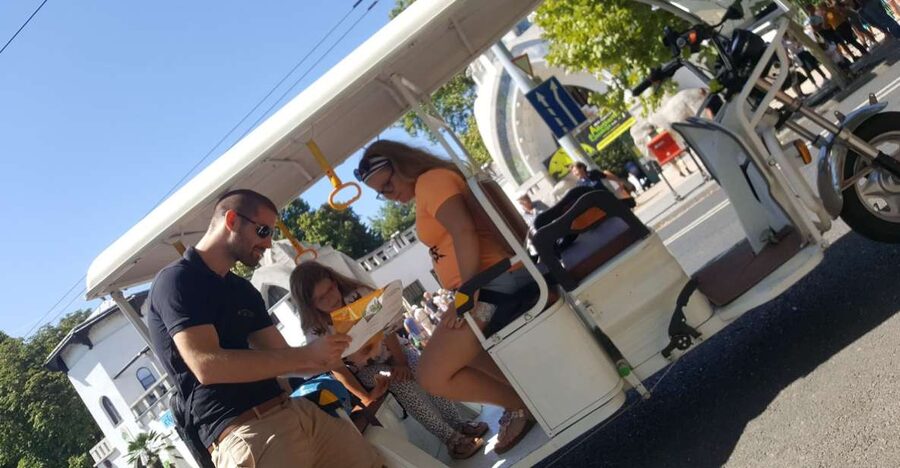
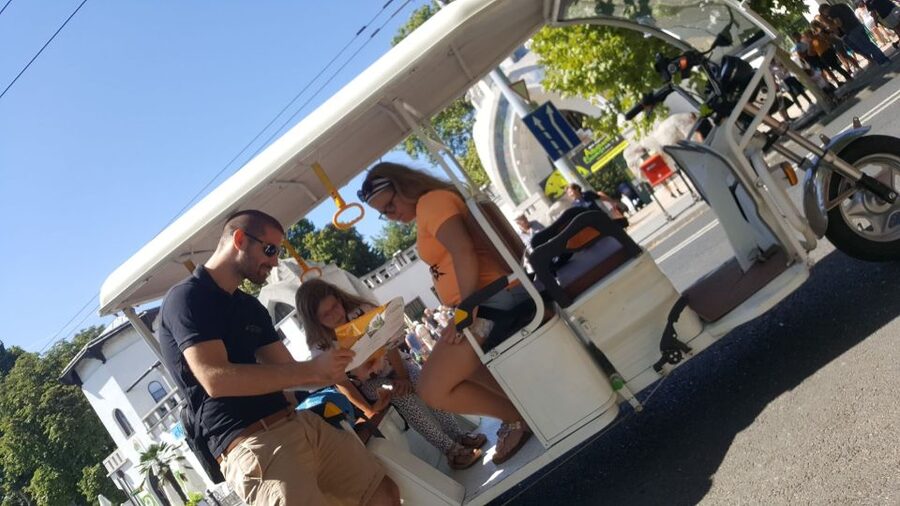
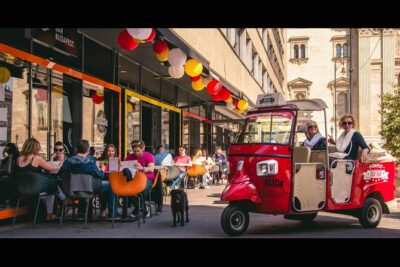
Silent tuktuk time makes Budapest click fast. This 2-hour private ride on a silent electric tuktuk helps you hear the guide clearly while you jump between Pest and Buda highlights.
I especially like the tight route that still covers Heroes’ Square, the Parliament, and Castle Hill without turning it into a sprint. I also like the photo-friendly pace, with planned chances to get out, look around, and snap great views.
One possible drawback: because it is only two hours, each landmark gets a short visit window. If you want long museum time or extended walks, you’ll likely need to add extra hours later.
In This Review
- Key Things I’d Put on Your Short List
- Why a Silent Electric Tuktuk Works So Well in Budapest
- Getting Started at Oktogon 2 and What the 2-Hour Plan Includes
- Heroes’ Square, Museum Zone, and Vajdahunyad Castle: The Grand Welcome to Pest
- Andrássy Avenue and the Opera House, With the House of Terror as a Reality Check
- St. Stephen’s Basilica and Parliament: Two Big Icons, Two Different Kinds of Meaning
- The Jewish Quarter Circle and Dohány Street Synagogue: Getting the Neighborhood Feeling
- Rudas Thermal Bath Area and the Buda Side Change of Tempo
- Castle Hill: Chain Bridge, Buda Castle, Matthias Church, and Fisherman’s Bastion
- Daniel Herczeg: The Real Reason People Keep Recommending This Tour
- Pacing, Photo Stops, and When You Might Still Want to Walk
- Who This Tour Is Best For (And Who Might Want Something Else)
- Price and Value: What $108 Buys You in 2 Hours
- Should You Book This Budapest Electric Tuktuk Tour?
- FAQ
- How long is the Budapest Sightseeing Tour by Electric Tuktuk?
- Where do we meet for the tour?
- What language is the tour guide?
- Is this a private tour?
- What happens if it rains?
- Is a bottle of water included?
Key Things I’d Put on Your Short List
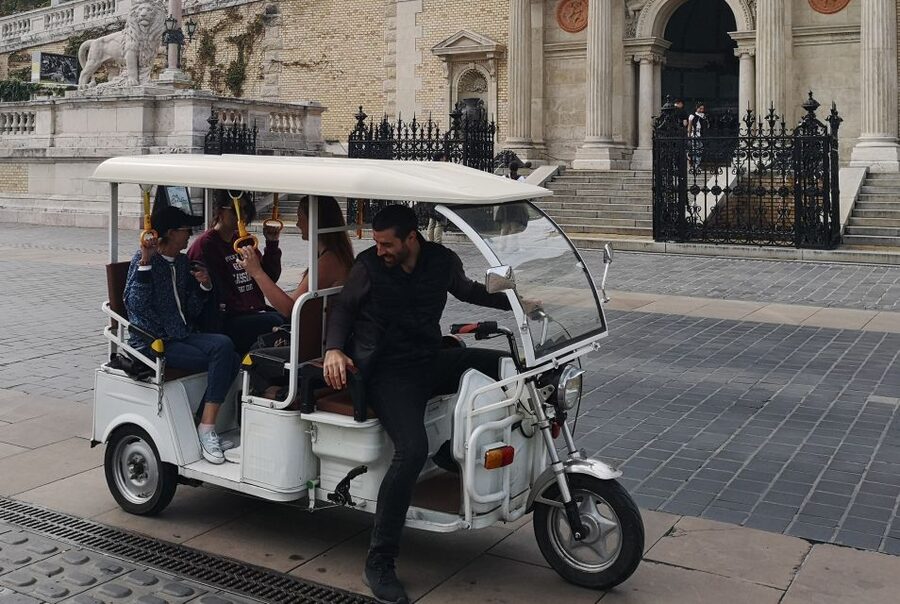
- Silent electric ride means narration stays easy to hear, even in busy streets.
- Daniel Herczeg drives and guides, and he’s known for adjusting the route to your interests.
- Pest plus Buda in one sweep, from St. Stephen’s Basilica and the Opera area to Matthias Church.
- Photo stops built into the plan, so you get the big shots without running the whole city on foot.
- Weather flexibility in practice, with smart help like blankets or postponing in rainy conditions.
Why a Silent Electric Tuktuk Works So Well in Budapest
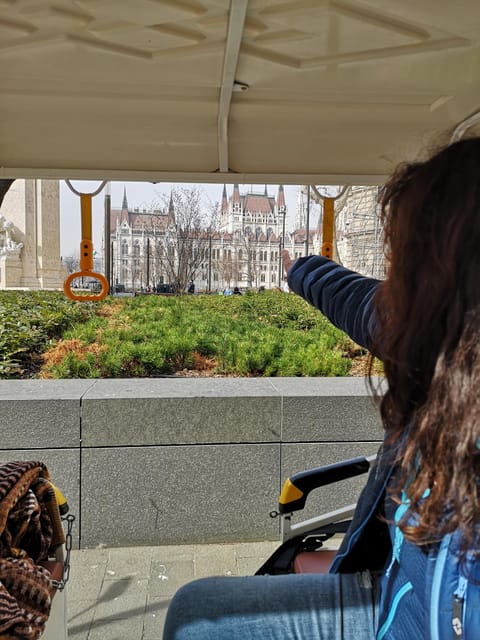
Budapest is two cities stuck together. Pest has the grand boulevards and major landmarks, while Buda climbs up toward Castle Hill and viewpoints over the Danube. A small vehicle like this is a smart way to cover distance without your feet taking the whole hit.
The big win is the quiet electric motor. When you can hear the guide clearly, the tour stops being a drive-by. You get the story behind what you’re seeing, whether it’s the symbolism of Parliament or the charged history around the House of Terror area.
And because it’s a narrower vehicle, it can slide through routes other vehicles struggle with. In other words, you spend less time stuck in the worst gridlock and more time looking at real Budapest details.
Getting Started at Oktogon 2 and What the 2-Hour Plan Includes
You meet near Oktogon 2, with the guide standing by the tuktuk at the parking spots in front of the K&H Bank. It’s an easy landmark to find, and the whole setup is built for a smooth start.
This is a private group format, so it is not a chaotic cattle-car situation. That matters in a city like Budapest, where routes can feel spread out and waiting around can eat your time.
In two hours, the goal is not to see everything deeply. The goal is to help you get your bearings fast. You’ll cover the headline sights across both sides of the river, plus a few mood-setting streets that help you understand how Budapest feels beyond the postcards.
Still weighing options? Here is what else pulls a crowd in Budapest.
- Budapest: City Highlights Cruise with Welcome Drink
★ 4.6 · 35,610 reviews - Budapest: Unlimited Prosecco, Beer and Aperol Spritz Cruise
★ 4.8 · 25,310 reviews - Budapest: Széchenyi Spa Day Ticket with Optional Upgrades
★ 4.3 · 23,911 reviews - Budapest: Nighttime or Daytime Sightseeing Cruise
★ 4.2 · 21,062 reviews
Heroes’ Square, Museum Zone, and Vajdahunyad Castle: The Grand Welcome to Pest

The tour kicks off toward Heroes’ Square. This is where Budapest shows off its scale and self-confidence. The square is designed to impress, and seeing it from the tuktuk gives you a clean overview before you decide what to revisit later.
From there, you’ll head through the museum and castle-grounds area, including stops tied to Fine Art Museum and Vajdahunyad Castle. Even if you do not go inside, the setting tells you a lot about how Budapest likes to frame its identity. It blends history, myth, and architecture in a way that feels very Hungarian.
A practical note: the tuktuk lets you keep momentum while still getting “photo-now” moments. You can look, shoot, and move on, which is key when you only have a limited time window.
Andrássy Avenue and the Opera House, With the House of Terror as a Reality Check
Next comes Andrássy Avenue, one of Pest’s signature corridors. This is the stretch where you see Budapest as elegant and formal. The buildings along the avenue make more sense once you also understand the country’s ups and downs, which is where the guide’s storytelling helps.
You’ll also pass by or stop around the Hungarian State Opera House. Even from outside, it gives you that “how could this be real life?” feeling. It’s a great stop if you love architecture and want a quick hit without buying tickets.
Then the route includes the House of Terror area. This is not a light, funny stop. It’s heavy history tied to the 20th century, and the tour’s value here is context. You’ll get a sense of why certain buildings and symbols in Budapest carry weight, not just beauty.
St. Stephen’s Basilica and Parliament: Two Big Icons, Two Different Kinds of Meaning
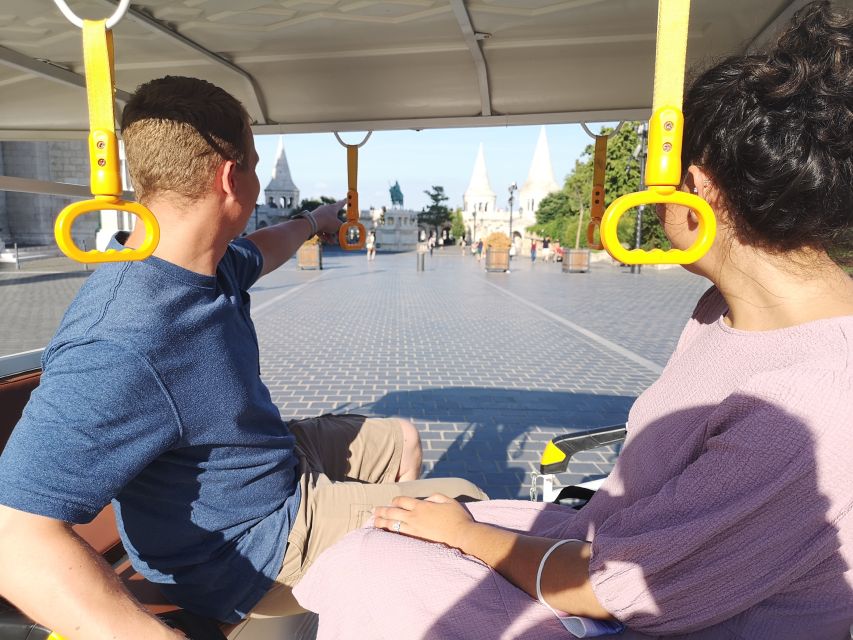
St. Stephen’s Basilica is the kind of landmark you notice even when you think you are just passing through. From the tuktuk, you get angles that help you understand how it towers over the surrounding streets.
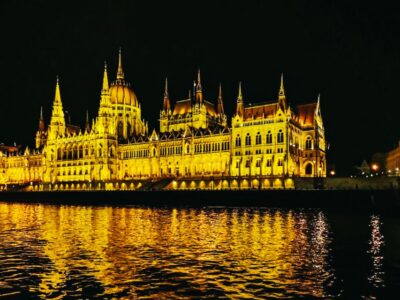
The Hungarian Parliament Building stop is similarly high-impact. Parliament is dramatic in scale and in symbolism, and seeing it during a quick but focused stop gives you a sense of why it is one of Europe’s famous civic landmarks. You’ll get a chance to take photos during the allotted time, and you’ll also hear the stories that connect the building to Hungary’s modern identity.
A small reality check: you won’t spend long enough to become an architecture student. But you will leave with enough context that your own walking later feels smarter and more intentional.
The Jewish Quarter Circle and Dohány Street Synagogue: Getting the Neighborhood Feeling
After the major monuments, the tour shifts into a different mode. You’ll take a circle around the Jewish Quarter, cruising through narrow streets where the city feels more intimate.
This is where Budapest stops looking like a list of buildings and starts looking like lived-in streets. The maze-like blocks help you feel the rhythm of the neighborhood, and it’s an easy mental shift after seeing large civic squares.
You’ll also see the Dohány Street Synagogue. Even if you’ve seen photos online, seeing it in person hits differently. The tour approach is helpful here because you can look up at the structure, then understand its place in Budapest’s larger story.
If you like street-level atmosphere, this portion is one of the more rewarding parts of the route.

Rudas Thermal Bath Area and the Buda Side Change of Tempo
Crossing over toward the Buda side changes the experience immediately. The city starts to feel more vertical, more panoramic. The air and the viewpoints do more work here.
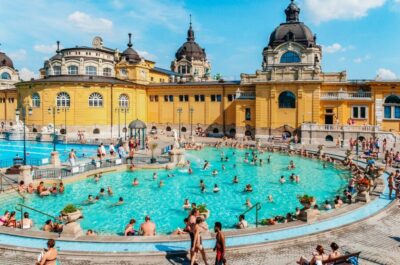
On the Buda side, the tour includes the Rudas Thermal Bath area. Thermal baths are one of Budapest’s signature cultural experiences, and even if you do not go inside on this tour, the stop helps you understand where to plan a future soak.
This part also sets up a key idea for your trip: Budapest is not only sightseeing. It is daily life, relaxation culture, and old-world routines that locals treat as normal.
Castle Hill: Chain Bridge, Buda Castle, Matthias Church, and Fisherman’s Bastion
The tour includes Chain Bridge. That bridge is a classic reason to come to Budapest, but the bigger value is perspective. You see how the city is arranged around the river, and you start to grasp what “two sides of the same city” really means.
Then you head toward Buda Castle area. This is the part with the highest concentration of must-see sights, and the tuktuk is a practical way to reach them without spending your whole day climbing.
You’ll see:
- Buda Castle
- Matthias Church
- Fisherman’s Bastion
Fisherman’s Bastion in particular is one of those places where even the view feels like a photograph before you even take it. You’ll get time for photos, and you’ll understand why people queue for these angles.
A helpful thing from real-world touring experience: using a small vehicle here can mean you arrive with less hassle than the foot-only crowd. You still do some walking time, but you avoid the most exhausting part of the journey.
Daniel Herczeg: The Real Reason People Keep Recommending This Tour
This tour works because of the guide. Daniel Herczeg is the operator and guide, and his style is personal, flexible, and story-driven. He’s known for being friendly and easy to talk to, and he answers questions as you go instead of lecturing at you.
A consistent theme is how he makes the tour feel tailored. He listens to what you care about, then adjusts stops if you want more photos or if you want to avoid repeats. That is a big deal on a two-hour itinerary.
I also like how he sets you up for what happens after the tour. He provides recommendations for restaurants, pubs, and bars, and some guests even got a follow-up email with ideas they did not want to lose track of. That kind of practical help often matters more than extra trivia.
One more practical bonus from the colder days: Daniel can bring comfort like blankets and hot tea, and he has even used heat patches in harsh weather. That turns the ride from “I hope I survive this” into a relaxing sightseeing window.
And because the tuktuk is electric and quiet, narration stays clear. You are not stuck straining over engine noise, which makes the stories land better.
Pacing, Photo Stops, and When You Might Still Want to Walk
The route is built around short “look and shoot” moments. You should expect quick visits at major landmarks and some time to step out and get your own bearings. The itinerary is not designed for long museum entrances.
That pacing is a plus if you want variety without fatigue. Budapest landmarks are spread out, and walking them all in one shot can be draining. With the tuktuk, you conserve energy for the parts you care about most.
Still, you should plan to do some walking after. For example, once you see Parliament and then see Castle Hill viewpoints, you’ll probably want to return to favorite spots when the lighting is right.
A small drawback is that traffic and weather can shift timing. The good news is that the tour is adjusted based on those realities, so you are not left standing around. In rainy weather, the plan can be postponed to another time or day.
Who This Tour Is Best For (And Who Might Want Something Else)
This tour is a great fit if you are:
- In Budapest for a short time and want the big highlights across both sides
- Someone who dislikes long walking days, especially in heat or cold
- Traveling as a couple, family, or small group and want a private guide experience
- Interested in history and architecture but also want a fun, low-stress way to get between sites
It’s also a good choice if you like photo opportunities. The plan includes breaks at the major sights, and the route is wide enough that you’ll see different angles rather than repeating the same view.
You might consider a different format if you want:
- Long museum time or guided entry inside major sites
- A slow, neighborhood-by-neighborhood day with extended walking
- A deep focus on one theme, like Jewish history, thermal baths, or medieval architecture
Here, the strength is breadth plus context, not depth at every stop.
Price and Value: What $108 Buys You in 2 Hours
At about $108 per person for a two-hour private tour, the price can look steep if you compare it to a group bus. But you are not buying just transport. You are buying:
- A private guide who narrates and answers questions
- A quiet electric tuktuk ride that saves time and effort
- Photo stops across the city, not just one neighborhood
- A route that covers major Pest and Buda landmarks in one outing
- A bottle of water provided during the tour
In practical travel math, it can be good value when you would otherwise spend a full half-day paying for multiple taxis or buses and still missing context. This kind of tour also helps you avoid wrong-turn days. Once you get your bearings, you can spend your remaining time more efficiently.
If you travel as a family or small group, the private format can also feel like a bargain compared with booking separate sightseeing plans.
Should You Book This Budapest Electric Tuktuk Tour?
If you want a fast, story-led introduction to Budapest, I think this is an easy yes. The silent electric tuktuk makes the ride more comfortable and keeps the guide’s commentary clear. Daniel Herczeg’s personality and flexibility turn it from a checklist into an actual experience.
Book it if you are first-timers, short on time, or trying to avoid turning your trip into a shoe-ruining walking day. Consider skipping it only if you want long museum visits and full-on, slow wandering for hours at a time.
FAQ
How long is the Budapest Sightseeing Tour by Electric Tuktuk?
The tour lasts about 2 hours.
Where do we meet for the tour?
You meet next to the tuktuk by the parking spots in front of K&H Bank at Oktogon 2.
What language is the tour guide?
The live tour guide speaks English.
Is this a private tour?
Yes, it is a private group tour.
What happens if it rains?
In rainy weather, the tour can be postponed to another time or day.
Is a bottle of water included?
Yes, a bottle of water is provided.
More Tours in Budapest




More Tour Reviews in Budapest





Reviewed recently around Budapest
- Audio visual multi-sensory chefs journey dinner experience★ 5.0 · 3 reviews
- Tapolca Cave Lake and Tihany/ Balaton private tour from Budapest★ 4.5 · 3 reviews
- SzentEndre-SaintAndrew City Privately Shopping and Picturesque★ 4.5 · 3 reviews
- Sightseeing flight over Budapest★ 5.0 · 3 reviews
- Self Guided Tour In Budapest With 100 Captivating Audio Stories★ 5.0 · 3 reviews
- Private Danube Bend Visegrad and Szentendre Tour With Transport★ 5.0 · 3 reviews
Tuk-Tuks, compared.
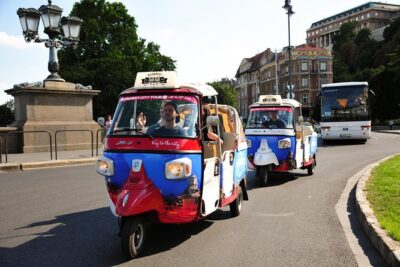 ★ 5.0Private Budapest TukTuk Tour: Custom Route, Hotel PickupFrom $991,307 reviews
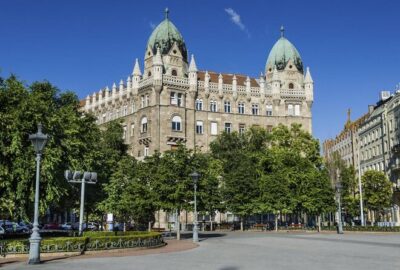 ★ 5.0Budapest Private Tuk Tuk Half-Day TourFrom $178606 reviews
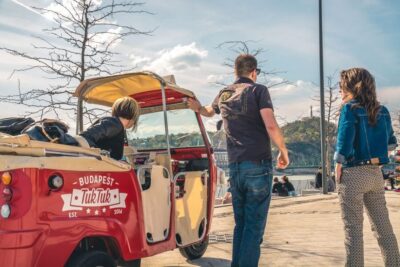 ★ 4.9Scenic Tuk Tuk TourFrom $115143 reviews
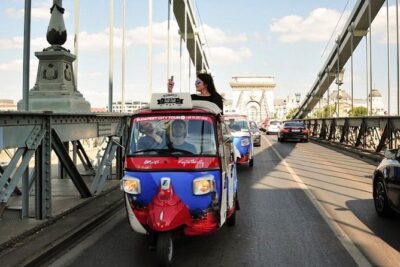 ★ 5.0Budapest Romantic Private Tuk Tuk TourFrom $118142 reviews
 ★ 4.92-Hour Private TukTuk TourFrom $115103 reviews
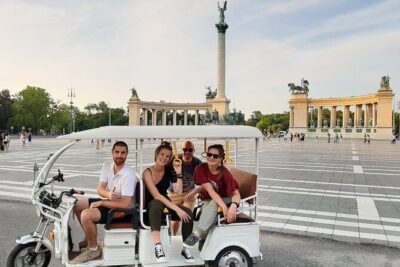 ★ 5.0Private Sightseeing Tour using Electric Tuk Tuk Ride in BudapestFrom $102103 reviews
 ★ 5.0Budapest TukTuk Private Tour with Goulash Soup in the DowntownFrom $14635 reviews
 ★ 4.5Budapest Private Tuk Tuk Tour with Wine Tasting and Cheese PlatterFrom $16535 reviews
Browse the lists this tour appears in