
Review · BUDA CASTLE DISTRICT
Budapest: The WWII Siege of Buda Castle & Bomb Shelter Tour
A siege you can almost feel in your lungs. This tour takes you from Castle Hill streets down into the Buda Castle caves and an original bomb shelter tied to Budapest’s WWII ordeal.
I love the mix of street-level context and underground survival details. The guide links what you see above ground in the Palace District with what happened during the 52-day siege, so the story lands in your head instead of staying abstract.
One thing to consider: this is not an easy walk. Expect steep stairs, narrow corridors, and tight spaces, plus a steady cave temperature around 12 C year-round, so pack layers and think about claustrophobia up front.
In This Review
- Key things you’ll notice on this tour
- WWII Buda Castle in 90 Minutes: Why the Story Feels Personal
- Meeting Point at Dísz Square, Then Into Castle Hill Streets
- Úri Street and Lovas Way: Where Geography Shapes the War
- The Budai Vár-barlang Stop: 12 C Caves and a WWII Story in Motion
- Visiting an Original WWII Bomb Shelter: The Part That Lands
- Why the Walking Route Works: Above Ground Clues, Under Ground Reality
- What to Bring, What to Wear, and How to Survive the Stairs
- Who This Tour Fits Best (and Who Should Skip It)
- Price and Value at Around $24 for 90 Minutes
- A Realistic Expectation: This Is History With Physical Limits
- Should You Book This WWII Buda Castle Bomb Shelter Tour?
- FAQ
- How long is the WWII Buda Castle and bomb shelter tour?
- Where do I meet the guide?
- Where does the tour finish?
- Is the tour mostly indoors or outdoors?
- What language is the tour in?
- What should I bring?
- Is this tour suitable for children?
- Can I join if I have mobility issues or claustrophobia?
- Does the tour run in bad weather?
Key things you’ll notice on this tour
- Buda Castle caves and a WWII bomb shelter, not just a quick stop, but a real underground route
- Siege of Budapest explained with survivor accounts, using diaries and memoirs to put faces to the fear
- Castle District walking segments, including Castle Hill streets between underground stops
- A 12 C cave temperature all year, so dress like you are going to winter, even in summer
- Hard surfaces and some wet spots, so comfortable shoes matter more than you think
- English-guided with audio support, including personal headphones in at least some sessions
WWII Buda Castle in 90 Minutes: Why the Story Feels Personal
The siege of Budapest is famous in a broad, big-picture way, but most visits keep it general. This one works differently. You start on Castle Hill with enough orientation to understand where the front lines and the sheltering choices were, then you go underground where the conditions match the historical suffering: cold, darkness, overcrowding, and the constant pressure of not knowing what comes next.
You learn that on Christmas Eve 1944, the Soviet Red Army encircled German-occupied Budapest. The city endured a 52-day siege. That timing matters, because it helps you understand why the sheltering in the Buda Castle area became routine for so many people, including soldiers, the wounded, and civilians.
What I like is that the tour does not treat the caves like a spooky backdrop. It frames them as lifesaving infrastructure, and then confronts the human side: people trying to survive while also clinging to possessions and palace treasures, even as water ran short and disease spread.
Meeting Point at Dísz Square, Then Into Castle Hill Streets
The tour begins at De la Motte, B.-Palace, Dísz tér 15, right by the Posta building at the big green gate. Look for a guide with a turquoise umbrella and the Buda Castle Walks logo.
Why that matters: this part of Budapest can be under construction or temporarily redirected at street level, so getting your bearings early saves stress. The provider also offers an on-site visit planner with real-time information about traffic conditions and closures in the palace district. It is worth checking that map before you head out.
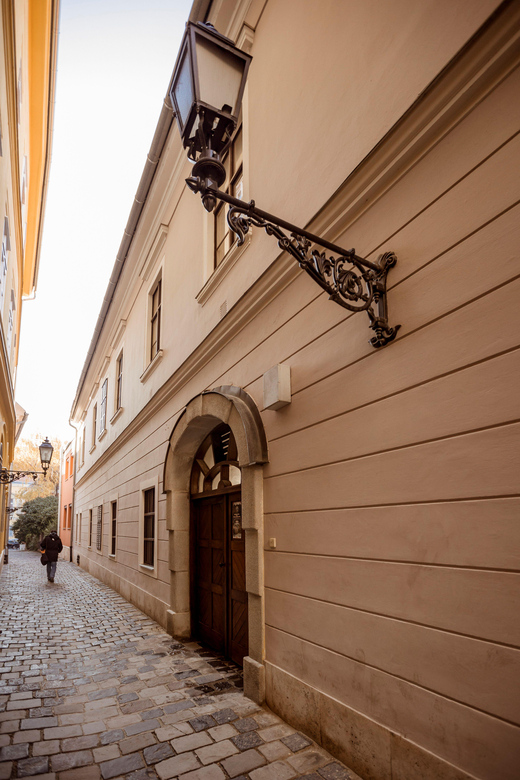
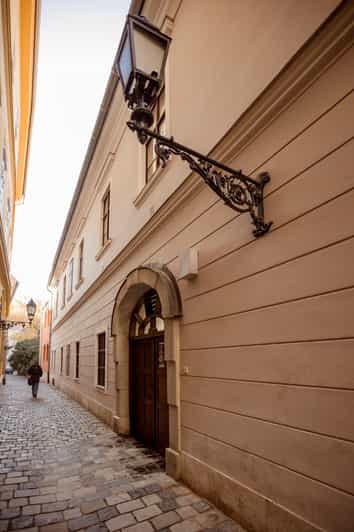
Once you meet, you start walking with the guide through the Castle District streets, including Úri Street. You are not just sightseeing. The guide uses what you pass to paint a physical map of the siege era, then you connect those visual cues to what people experienced below ground.
Up on Castle Hill, a few other ways to do it
- Budapest: Buda Castle District Vampires and Myths Night Tour
★ 4.6 · 3,830 reviews - Budapest: Buda Castle Walk with Saint Stephen’s Hall
★ 4.5 · 3,012 reviews - Budapest: Buda Castle District Walking Tour
★ 4.6 · 2,108 reviews - Budapest: 3-Hour Grand City Tour and Castle Walk
★ 4.3 · 1,437 reviews
Úri Street and Lovas Way: Where Geography Shapes the War
The surface walk is more than a warm-up. Úri Street and later Lovas Way help you understand the layout of the Buda Castle neighborhood and why it could serve as shelter. The guide’s job here is to make sure you know what direction you are moving, how Castle Hill funnels movement, and why the underground network mattered.
A good walking pace helps, and the overall length stays manageable. The full tour runs about 90 minutes, which is short enough that you will not feel trapped, but long enough that the guide can build a coherent story from above ground to inside the caves.
The Budai Vár-barlang Stop: 12 C Caves and a WWII Story in Motion
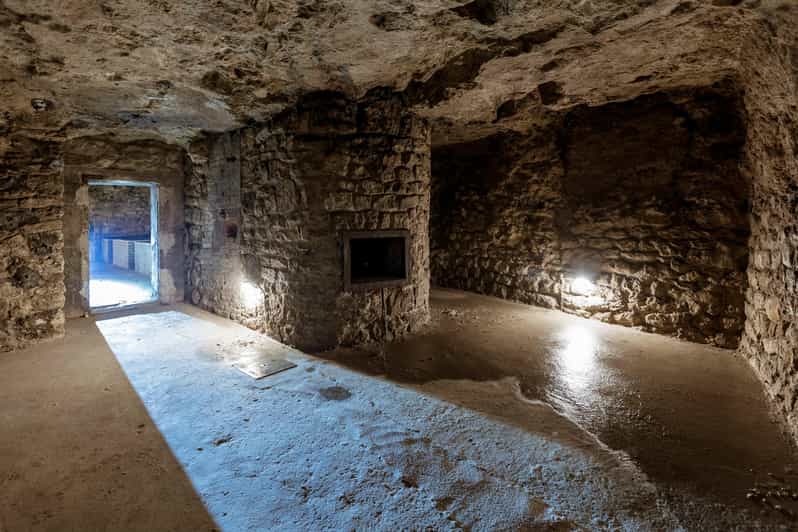
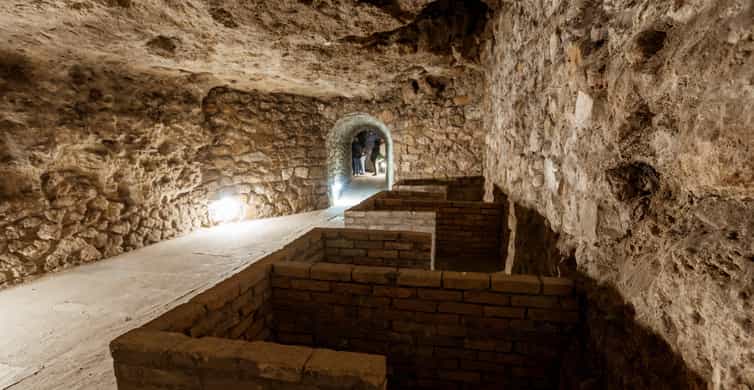
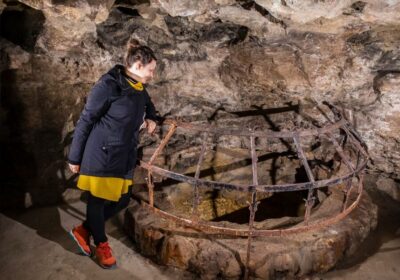
Your key underground visit is the Buda Castle cave area, listed as Vár-barlangi séták (Budai Vár-barlang), with about 35 minutes focused there. Right away, you feel the temperature shift. The cave and shelter spaces sit around 12 C (54 F) all year.
That matters for your comfort and your attention. If you show up in summer clothes, you’ll spend half the tour fighting cold instead of listening. Layers keep you calm enough to actually take in the details.
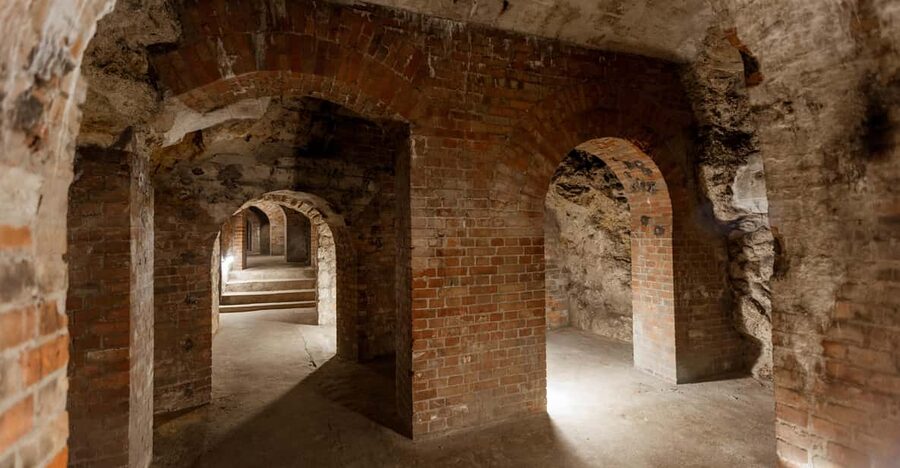
Inside, the guide follows a path through the underground labyrinth. You also see how the spaces were used for refuge when the city was encircled. The siege included extreme shortages. People faced cold, darkness, lack of water and food, overcrowding, and diseases. The tour connects those conditions to the built environment you are walking through.
A side note from real experience: one review warned that tunnels can feel claustrophobic for some people. If you know you struggle in tight spaces, treat that as a serious caution, not a minor note.
Visiting an Original WWII Bomb Shelter: The Part That Lands
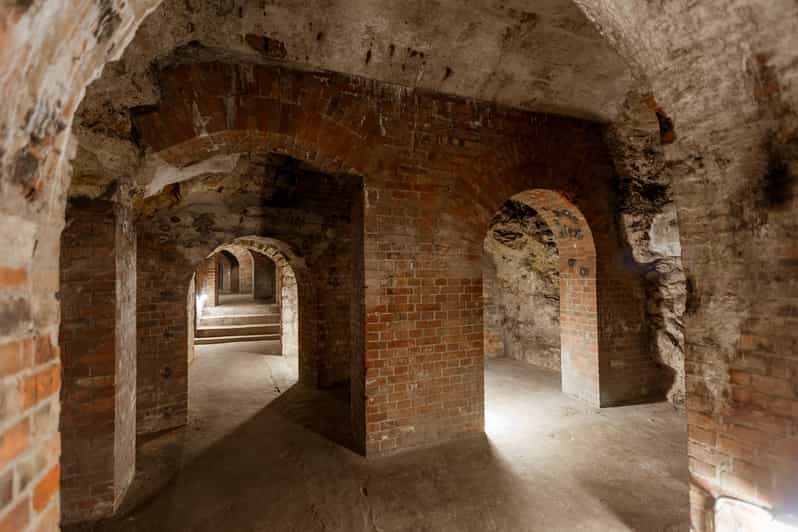
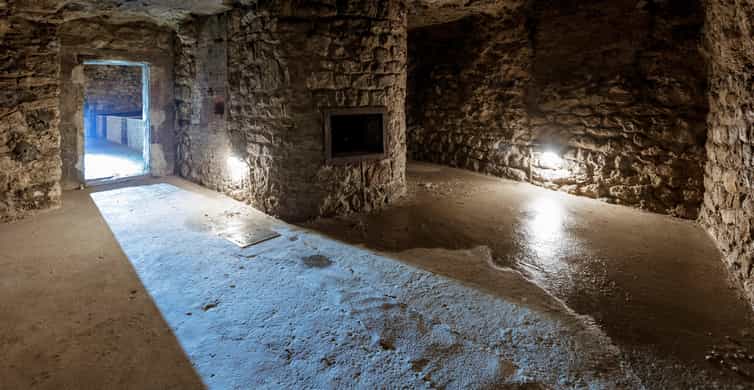
The most memorable part is the bomb shelter visit within the cave system. You do not just hear facts. You move through an authentic-like WWII shelter environment and the guide explains how people used these spaces for protection during bombardment and uncertainty.
The emotional impact can be heavy. The siege of Budapest gets compared to Stalingrad for a reason: brutal encirclement warfare and civilian suffering on a major scale. When the guide describes tens of thousands seeking shelter in Buda Castle and Royal Palace underground areas, it stops being a number. You start imagining people packed into dark rooms, listening for danger, conserving hope, and trying to hang on to what they could.
If you like history that is grounded in lived experience, this is your moment. The tour says the narrative draws on diaries and memoirs, which helps the siege feel like a chain of choices and consequences rather than a distant timeline.
Why the Walking Route Works: Above Ground Clues, Under Ground Reality
A lot of tours pick one dimension. This one layers them.
Above ground, you get orientation in the Palace District. The guide points out traces connected to the siege era, including things like ventilation shafts and remnants visible from the surface. Even when you do not catch every detail, the walk gives your brain a map.
Below ground, the story becomes physical. The cold is real. Narrow corridors are real. Overcrowding is implied by the space and the guide’s descriptions. That shift is what makes the comparison to Stalingrad make sense. You understand the scale and brutality not only as history, but as a lived environment.
This is where good guides matter. In the reviews, I saw guide names like Rita and Jonas, with people praising them for keeping the story clear and engaging. Even when one reviewer mentioned English pronunciation could be a bit difficult at times, the consistent theme was that the guides brought structure and detail, not just dates.





What to Bring, What to Wear, and How to Survive the Stairs
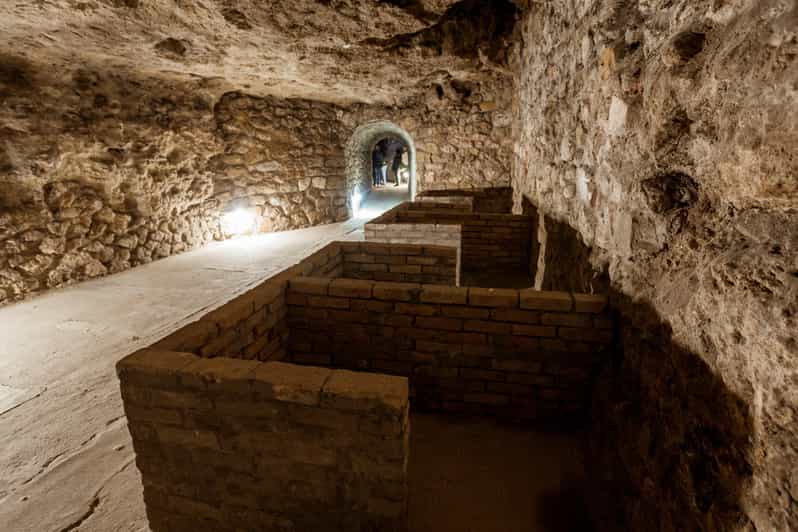
This is an outdoor and indoor tour, and it runs in all weather conditions, even rain. The route also includes cobbled streets and illuminated dark areas, plus steep stairs and narrow corridors.
For comfort and practicality, bring:
- Comfortable shoes with good grip
- Warm clothing and layers for the 12 C cave spaces
- Water and snacks, since you are underground and moving for about 90 minutes
- A mindset that you will be on your feet the whole time
One practical thing: the surfaces can be solid and sometimes wet. If your shoes are delicate or slippery, you will feel it fast. Good footwear is an easy way to turn a potentially stressful situation into a manageable one.
Who This Tour Fits Best (and Who Should Skip It)
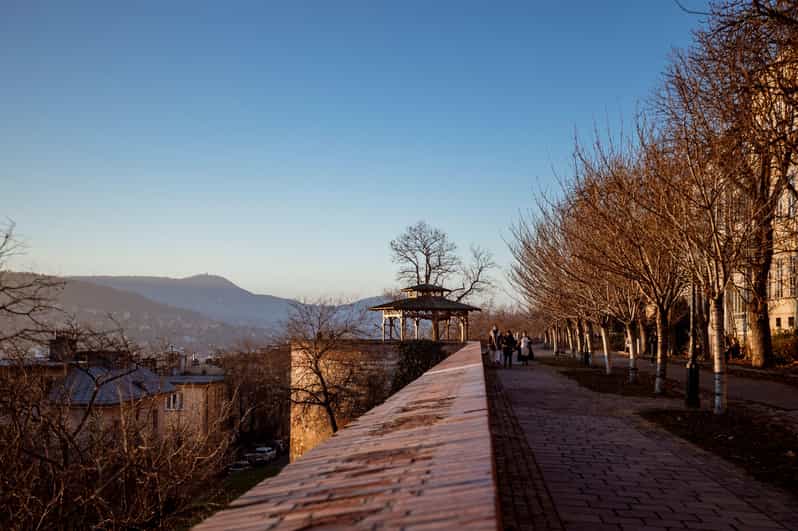
This tour is recommended for ages 14 and upwards. It is not suitable for:
- children under 14
- people with mobility impairments
- wheelchair users
- people with claustrophobia
If you are visiting Budapest and want one WWII-focused experience that goes beyond museums and posters, this fits very well. It is also a strong choice if you like political, social, and survival stories, not just architectural sightseeing.
If you prefer light, upbeat content, this may feel emotionally intense. One review described it as sad and difficult emotionally, which makes sense given the topic. If you can handle serious history, you’ll likely leave with a sharper understanding of what happened to civilians in the Castle District during the siege.
Price and Value at Around $24 for 90 Minutes
At $24 per person for a 90-minute English-guided experience, the value looks solid because you get three things most tours struggle to combine:
- A guided walk through the Palace District that sets the scene
- A major underground cave experience with enough time to make it meaningful
- An authentic WWII bomb shelter visit, which is inherently more specific than generic history narration
You are paying for access and interpretation. The time is compact, and the guide work seems to do the heavy lifting in terms of clarity. Several reviews mention the tour pace being manageable and the guides keeping people engaged, including sessions where personal headphones helped you stay locked into the narration.
A Realistic Expectation: This Is History With Physical Limits
Let’s set expectations clearly. This is not a sit-down talk. It is walking, plus stair climbing, plus narrow corridors and dim spaces.
The upside is that the physical experience reinforces the story. The downside is that it limits who can go comfortably. If you are unsure, take the suitability notes seriously, especially for claustrophobia and mobility needs.
If you go in prepared, you’ll understand why the siege of Budapest is often likened to Stalingrad, and you’ll also see how the Royal Palace and surrounding residential quarter could become a refuge system. You will leave with the kind of understanding that sticks, because you walked the path where people tried to survive.
Should You Book This WWII Buda Castle Bomb Shelter Tour?
Book it if you:
- want WWII history tied to a specific place, not just a generic overview
- like guided storytelling with clear pacing and strong scene-setting
- are comfortable with stairs, caves, and cool temperatures
Skip or choose something else if you:
- have claustrophobia
- need wheelchair accessibility or mobility-friendly routes
- prefer easy walking and bright, open spaces
If you are the kind of traveler who likes Budapest beyond postcard views, this tour is a strong bet. You trade comfort for authenticity, and the payoff is a vivid, grounded picture of what siege survival looked like under Castle Hill.
FAQ
How long is the WWII Buda Castle and bomb shelter tour?
The duration is 90 minutes, which is about 1.5 hours.
Where do I meet the guide?
Meet at De la Motte, B.-Palace, 1014 Budapest, Dísz tér 15, next to the Posta building at the big green gate. Look for the guide with the turquoise umbrella and the Buda Castle Walks logo.
Where does the tour finish?
The tour finishes at Szentháromság tér.
Is the tour mostly indoors or outdoors?
It is both outdoor and indoor. You start above ground in the Palace District and then move into the caves and bomb shelter areas.
What language is the tour in?
The tour is guided in English.
What should I bring?
Bring comfortable shoes, warm clothing, snacks, and water.
Is this tour suitable for children?
It is recommended for ages 14 and upwards, and it is not suitable for children under 14.
Can I join if I have mobility issues or claustrophobia?
No. The tour is not suitable for people with mobility impairments or wheelchair users, and it is not suitable for people with claustrophobia.
Does the tour run in bad weather?
Yes. The tour is held in all weather conditions, including rain.
More Tours in Budapest




More Tour Reviews in Budapest





Still on Castle Hill



Reviewed recently around Budapest
- Audio visual multi-sensory chefs journey dinner experience★ 5.0 · 3 reviews
- Tapolca Cave Lake and Tihany/ Balaton private tour from Budapest★ 4.5 · 3 reviews
- SzentEndre-SaintAndrew City Privately Shopping and Picturesque★ 4.5 · 3 reviews
- Sightseeing flight over Budapest★ 5.0 · 3 reviews
- Self Guided Tour In Budapest With 100 Captivating Audio Stories★ 5.0 · 3 reviews
- Private Danube Bend Visegrad and Szentendre Tour With Transport★ 5.0 · 3 reviews
Buda Castle District, compared.
 ★ 4.7Buda Castle Cave TourFrom $195,677 reviews
 ★ 4.6Buda Castle District Vampires and Myths Night TourFrom $233,830 reviews
 ★ 4.5Buda Castle Walk with Saint Stephen’s HallFrom $293,012 reviews
 ★ 4.6Buda Castle District Walking TourFrom $142,108 reviews
 ★ 4.33-Hour Grand City Tour and Castle WalkFrom $491,437 reviews
 ★ 4.5Buda Castle District Dark History, Legends and Vampire Night TourFrom $211,240 reviews
 ★ 4.9Buda Castle District Walking Tour with a HistorianFrom $63867 reviews
 ★ 5.0Budapest Castle District Walking TourFrom $3630 reviews
Browse the lists this tour appears in