
Review · COFFEE HOUSES AND CAFE TOURS
Café Wandering: An Excursion through Budapest’s Belle Epoque
Café culture as architecture class, but tasty. This 3-hour walk turns Budapest’s Belle Epoque streets into a living lesson in Hungarian design and café house history. I like how the route mixes famous interiors with real context, so you’re not just staring at pretty rooms, you’re learning why they look the way they do. I also like the small-group feel, limited to 8 participants, so your guide can answer questions without rushing.
One thing to plan for: refreshments are not included, so if you want coffee or cake at each stop, your total spend can climb.
In This Review
- Key highlights worth circling on your map
- Why this Budapest café walk feels different from a basic city tour
- Meeting at Café Gerbeaud, then stepping into Imperial Budapest
- Gerbeaud to the Danube by tram: a smart break in pace
- Central Cafe and Restaurant 1887, where café culture feels dignified
- Café Astoria: classic European grandeur, tuned to Budapest
- The design lesson in the Museum Café: Asian motifs you can learn to spot
- Művész Coffee House and the artist café vibe
- Central Cafe, then New York Palace, with a guided feel inside
- Urania Café on Rakoczi street: café, cinema, and public lectures
- Ending at Kazinczy Street Synagogue, an art nouveau orthodox finish
- Price, time, and value: what you really pay for
- Small group size and guide style: why it matters for your questions
- Who this tour is ideal for, and who might want something else
- Should you book Café Wandering in Budapest?
- FAQ
- FAQ
- How long is Café Wandering?
- What is the meeting point?
- Is this tour in English?
- How big is the group?
- What is included in the price?
- Are refreshments included?
- How much does it cost?
- Can I cancel for a refund?
- Is there an option to reserve without paying right away?
- What major places are visited on the route?
Key highlights worth circling on your map
- Gerbeaud Cafe inside Vörösmarty tér gives you the Imperial Budapest vibe fast
- Tram ride along the Danube connects the architecture without turning this into a long slog
- Central Cafe and Restaurant 1887 feels like peak Habsburg-era café culture
- Café Astoria and other grand rooms show how design signals status
- Asian motifs and decorative design details are part of what you’ll be taught to notice
- Kazinczy Street Synagogue closes the route with a surprising Belle Epoque style moment
Why this Budapest café walk feels different from a basic city tour
Budapest has plenty of walking tours. This one earns its place because it treats cafés like cultural landmarks, not just places to refuel. You start in a prime Belle Epoque zone and move through a series of interiors and streetscape moments that help you read the city like a timeline.
The format also matters. It’s a 3-hour guided walk led by an art historian, and the guide profile is serious, with people such as professors, doctoral students, historians, journalists, art critics, and published authors in the mix. In one small group, I heard praise specifically for a guide named Kota, which lines up with the overall emphasis on interpretation, not memorized facts.
You’ll also get built-in pacing. The route includes walking plus a tram segment along the Danube, which keeps the experience from feeling like endless sidewalk time.
Meeting at Café Gerbeaud, then stepping into Imperial Budapest
Your tour begins at Café Gerbeaud, right on Vörösmarty tér (Budapest, Vörösmarty tér 7-8, 1051). It’s a strong starting point because this square is already part of the Belle Epoque story, so you’re grounded in the setting before you enter any café.
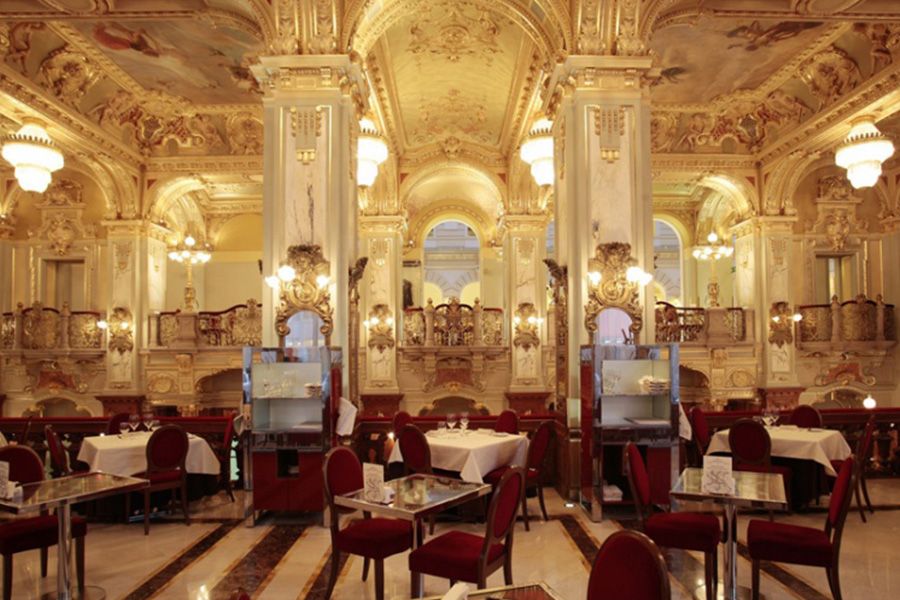
Gerbeaud is more than a stop for a photo. The interior is described as exquisite and tied to more than a century of history, when cafés acted as central social hubs for both locals and visitors. That single idea changes how you look at the place. Instead of seeing chairs and tables, you start noticing the café as a stage where people gathered for conversation, art talk, and public life.
Practical tip: if you’re the kind of person who likes to order something but doesn’t want to overspend, start by browsing the menu and prices. You can still choose a coffee or cake later, after you’ve seen how the tour uses each room for context.
Cafe crawls and cake stops we sat through
- Budapest: Summer Brunch & Cruise with Prosecco or Cake
★ 4.2 · 193 reviews - Grand Segway Tour of Budapest – Private Tour with Coffee Stop
★ 5.0 · 163 reviews - Summer Danube Brunch Cruise in Budapest
★ 4.0 · 116 reviews - Bottomless Brunch and Cruise with Prosecco in Budapest
★ 5.0 · 41 reviews
Gerbeaud to the Danube by tram: a smart break in pace
From Gerbeaud, you take the tram along the Danube to reach Central Cafe and Restaurant 1887. This matters because it gives you a breather between interiors and also links architecture to geography. The Danube is not just scenery here, it’s part of how the city grew powerful and cosmopolitan.
A tram ride also makes a city tour feel like local life instead of a walking marathon. For a 3-hour experience, that pacing choice keeps your energy for the café interiors that need your attention.
Central Cafe and Restaurant 1887, where café culture feels dignified
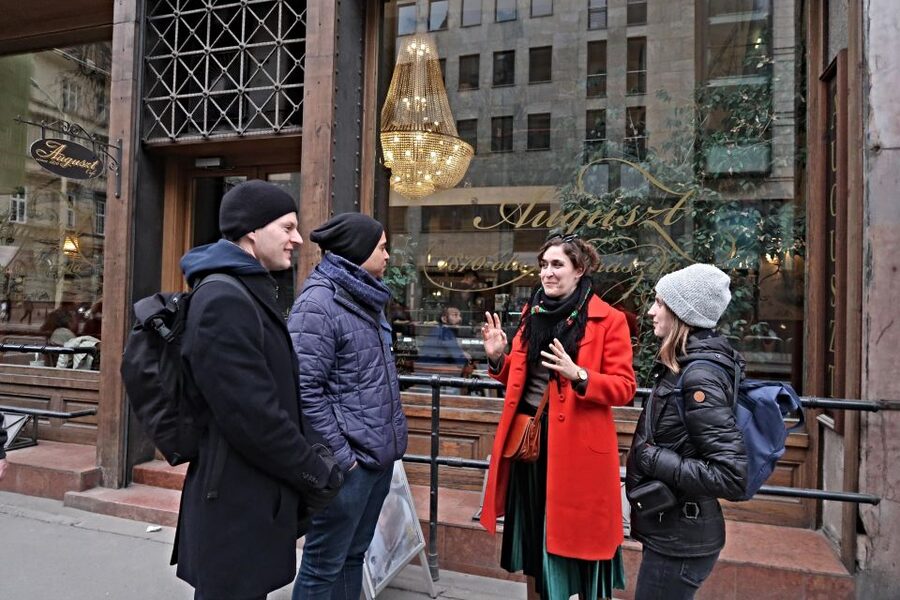
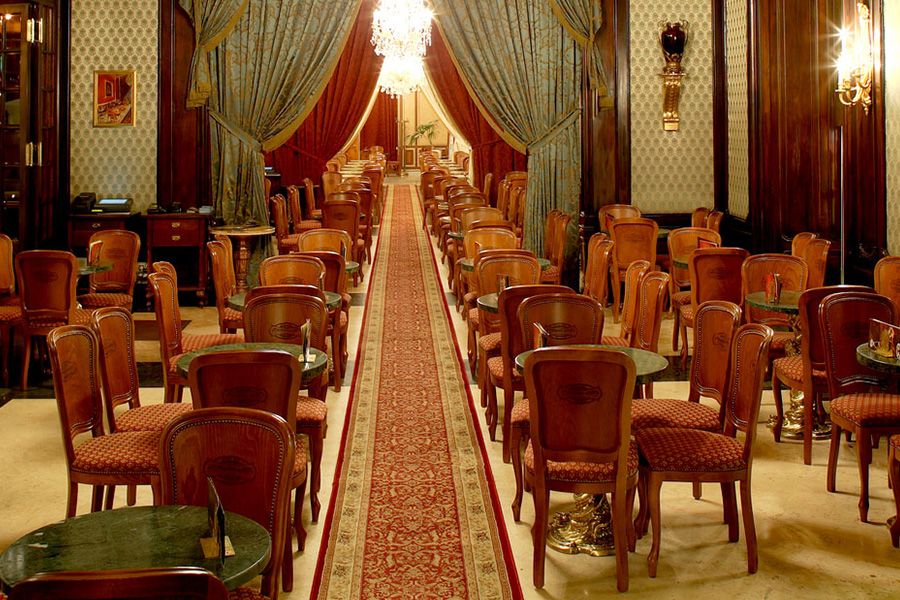
At Central Cafe and Restaurant 1887, the focus shifts from an iconic name to the mood of the Habsburg-era café. This stop is framed as a dignified space that epitomizes café house culture at the height of the empire’s economic and cultural power in the 19th century.
What you get from that framing is a lesson in how cafés functioned. In your mind, the decor, meals, desserts, and drinks become part of the performance of status. Even if you do not order much, the room itself teaches you the social idea: cafés were where people went to belong to a modern public world.
This is also where you’ll likely start doing the most useful thing during the tour: noticing how interior design guides behavior. Big rooms tend to encourage lingering. Polished surfaces and ornate details signal that this is not a quick stop, it is a destination.
Café Astoria: classic European grandeur, tuned to Budapest
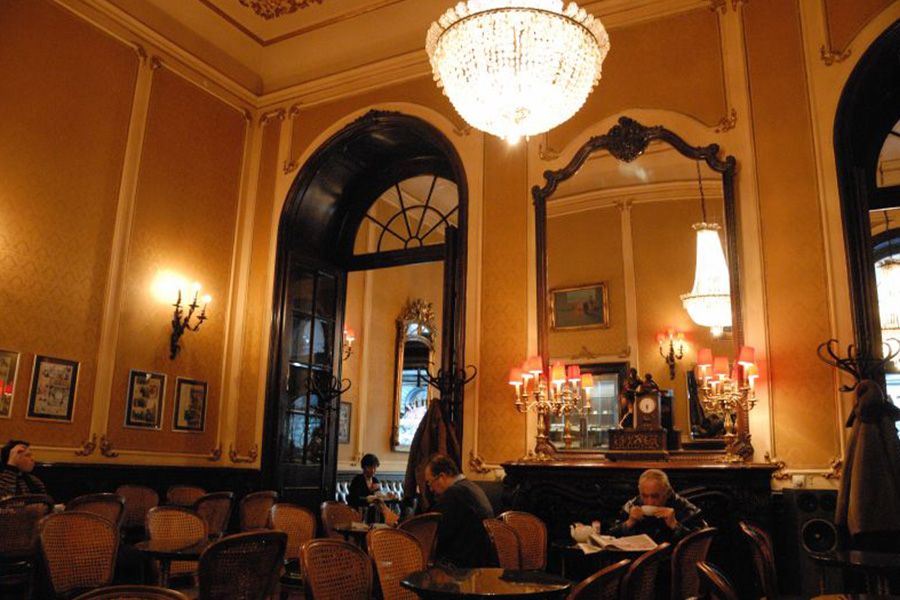
Next comes Café Astoria, another famous, more than century old coffee house. Here the emphasis is on grandeur, the kind of luxury that doesn’t feel modern or minimal. Think classic European coffee house style, but with Budapest’s own Belle Epoque character.
I like this stop because it helps you avoid a common mistake. Many visitors see ornate interiors and only think decoration. The guide’s art historian lens pushes you to connect those visuals to purpose: status, leisure, and culture all reinforced each other in the café scene.
If you want to make the most of Astoria without overspending, treat any drink or dessert purchase as a choice, not a requirement. You’re paying for the guidance and the interpretation, and your money can go toward one or two bites you’ll actually enjoy.
The design lesson in the Museum Café: Asian motifs you can learn to spot
One of the most intriguing parts of the tour is how it trains your eyes to notice design references that don’t always feel obvious at first glance. The route includes time at Museum Café, described as having lavish, more than century old walls, plus a closer look at Asian motifs and elements used by designers.
This is not a random trivia stop. When a guide points out motif borrowing and decorative choices, you start understanding Budapest as part of a larger European conversation. People in the 19th and early 20th centuries consumed art and design ideas across borders, and those influences show up in interiors the same way styles show up in architecture.
Practical tip: if you enjoy visual analysis, take a photo slowly. Stand back for a full-wall view, then step closer to check details. That simple rhythm helps you understand what the room is doing at different scales.

Művész Coffee House and the artist café vibe
Later you visit Művész Coffee House, also called the Artist Cafe. This stop is useful because it shifts the story from high society grandeur to a creative, arts-facing atmosphere.
Even without ordering anything, the idea helps you connect Budapest’s Belle Epoque to the kinds of people who made culture. You’re meant to hear about poets, artists, and writers who frequented cafés, and the Artist Cafe label supports that theme. The décor and mood become clues that the café was a meeting place for people who shaped culture, not just a place to kill time.
If you’re someone who likes music, art, or literature, keep your attention here. The guide’s explanations are often strongest when they tie physical spaces to the type of conversations that happened inside them.
Central Cafe, then New York Palace, with a guided feel inside
The tour includes New York Palace Café, and this one is identified as having a guided tour. That’s a helpful detail because it implies you’ll get more than a quick look. You’ll have time to understand what you’re seeing, which is especially valuable in a place that feels like a showpiece.
New York Palace can be the kind of interior that overwhelms you if you simply rush. A guided approach helps you pick out the design logic: what the room wants you to notice first, how it creates drama, and what that drama signals about the era.
For your budget: treat this as another moment where a small purchase is optional. The tour value is the historian’s explanations, so you decide if you want a drink or cake at this stop or you prefer to save your appetite for a later meal.
Urania Café on Rakoczi street: café, cinema, and public lectures
After another short walk, you reach Urania Café on Rakoczi street. This is a standout stop because the building houses the oldest film theater in Budapest. That alone gives you a nice time jump, from café culture to modern entertainment, without leaving the same Belle Epoque storyline.
The guide also frames Urania as known for lectures given by prominent intellectuals before large audiences. That detail is gold. It reinforces a pattern you’ve been seeing all along: cafés and cultural buildings were where ideas circulated in public.
If you’re the type who likes to understand the city’s rhythms, this is where Budapest feels most like a living system. You get the sense that the same social energy that filled cafés also supported film culture and public talks.
Ending at Kazinczy Street Synagogue, an art nouveau orthodox finish
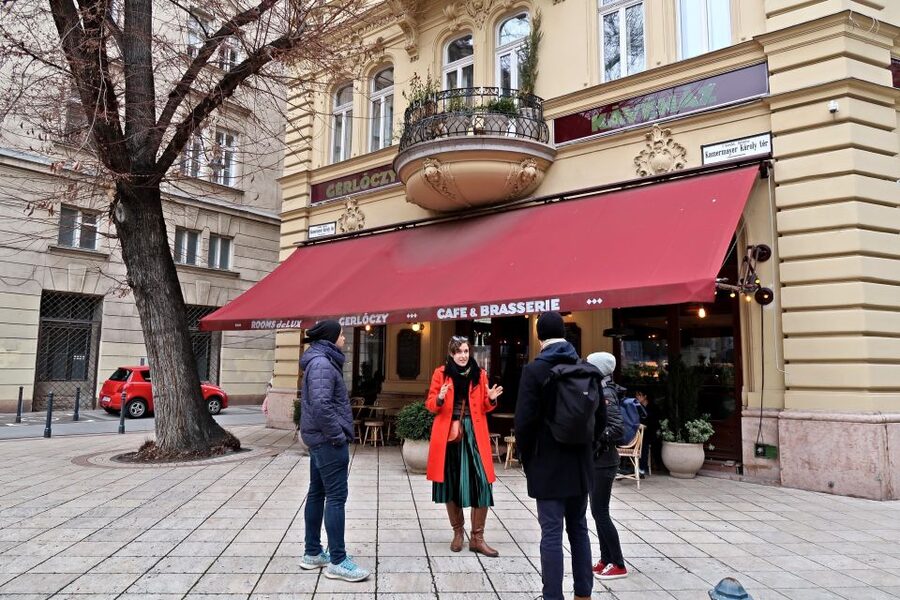
The tour concludes at the Kazinczy Street Synagogue, described as art nouveau and orthodox. Ending here works because it widens your sense of what Belle Epoque aesthetics can mean. You’re not only seeing café rooms or imperial interiors now, you’re seeing how style and community expression can intersect.
It also gives you a memorable visual punctuation mark. After learning to look at ornate details in cafés, you arrive at another highly designed space and can transfer that skill: observe, compare, and ask what the architecture is communicating.
Practical note: if you plan to take photos, be mindful that religious spaces can have rules. The tour context helps, but it’s still smart to follow what the guide suggests.
Price, time, and value: what you really pay for
At $123 per person for a 3-hour small-group walk, you’re not buying food. You’re buying a guided interpretation of Budapest’s 19th and early 20th century architecture through its café culture.
That changes how to judge value. You get:
- multiple major stops with famous interiors
- an art historian guide with serious credentials
- a route that blends walking with tram travel along the Danube
- concluding at a notable architectural landmark on Kazinczy Street
Refreshments are not included, so if you order everywhere, you pay extra. But you do not have to. Even one drink or dessert across the tour can feel meaningful, because the main entertainment is the way the guide turns rooms into stories.
For most people, the best value comes from pairing this tour with one good meal afterward. You’ll be full of ideas and ready to taste Budapest food, but you won’t be forced into café spending for every hour.
Small group size and guide style: why it matters for your questions
The group is limited to 8 participants, which is an underrated detail. With fewer people, your guide can slow down when you’re curious. And because the guide background includes professors and published authors, the explanations tend to be more structured than the usual quick overview.
A small group also means you can better manage pacing. You’re in and out of cafés, and there’s a lot to look at visually. Being stuck behind a large crowd makes it harder to see ceiling lines, wall motifs, and the kinds of details the tour is explicitly teaching you to notice.
If you care about design, you’ll appreciate that the guide is more than just a storyteller. It sounds like the team is trained to point out specific artistic and architectural features, including those Asian motifs that you might otherwise miss.
Who this tour is ideal for, and who might want something else
You’ll likely love this tour if you:
- enjoy architecture and interior design
- like art, literature, and public intellectual culture
- want more than a photo walk
- want a guided experience that still lets you stop for your own preferences
You might want a different option if you’re only looking for a quick list of sights and do not care about interpretation. This is not a simple checklist route. The value is the explanation and the way it connects cafés to Budapest’s cultural life.
It also fits best for couples, small friend groups, and solo travelers who like guided structure. The English live guide helps too, especially if you want to understand the details without translating on your own.
Should you book Café Wandering in Budapest?
I’d book it if your goal is to understand Budapest beyond the big exterior landmarks. This tour gives you a clever way in: café interiors as classrooms. You learn how social life, art, and architecture fed each other in the Belle Epoque, and you practice noticing details like motif choices and decorative symbolism.
If you are budget-conscious, this still works because refreshments are optional. Plan for a single treat, not a purchase marathon, and you’ll likely feel the value is fair.
One more reason to lean yes: the tour is only 3 hours, so you get a focused hit of context without eating your whole day. That makes it an easy add-on if you’re already planning museums and river walks.
FAQ
FAQ
How long is Café Wandering?
It lasts 3 hours.
What is the meeting point?
The meeting point is Café Gerbeaud, Budapest Vörösmarty tér 7-8 1051.
Is this tour in English?
Yes. The live tour guide speaks English.
How big is the group?
It is a small group limited to 8 participants.
What is included in the price?
The price includes a 3-hour guided walk and an art historian guide.
Are refreshments included?
No. The cost of refreshments, cakes, and coffees selected at the cafés visited is not included.
How much does it cost?
The price is $123 per person.
Can I cancel for a refund?
Yes, you can cancel up to 24 hours in advance for a full refund.
Is there an option to reserve without paying right away?
Yes. It offers reserve now & pay later, so you can keep plans flexible.
What major places are visited on the route?
You visit cafés including Café Gerbeaud, Central Cafe and Restaurant 1887, Café Astoria Restaurant, Művész Coffee House, and New York Palace Café, and you conclude at the Kazinczy Street Synagogue.
More Tours in Budapest



More Tour Reviews in Budapest





Coffee, Cake and Another Cafe




Reviewed recently around Budapest
- Audio visual multi-sensory chefs journey dinner experience★ 5.0 · 3 reviews
- Tapolca Cave Lake and Tihany/ Balaton private tour from Budapest★ 4.5 · 3 reviews
- SzentEndre-SaintAndrew City Privately Shopping and Picturesque★ 4.5 · 3 reviews
- Sightseeing flight over Budapest★ 5.0 · 3 reviews
- Self Guided Tour In Budapest With 100 Captivating Audio Stories★ 5.0 · 3 reviews
- Private Danube Bend Visegrad and Szentendre Tour With Transport★ 5.0 · 3 reviews
Coffee Houses and Cafe Tours, compared.
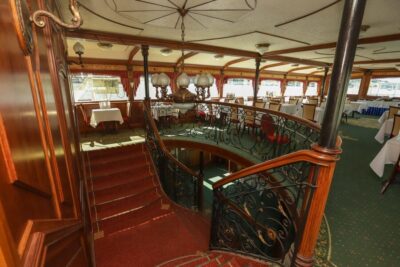 ★ 4.2Summer Brunch & Cruise with Prosecco or CakeFrom $34193 reviews
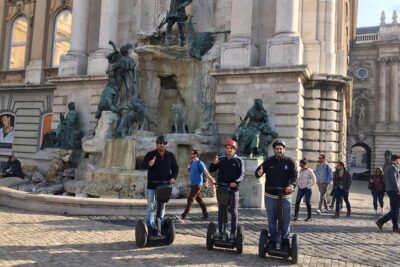 ★ 5.0Grand Segway Tour of Budapest – Private Tour with Coffee StopFrom $107163 reviews
 ★ 4.0Summer Danube Brunch Cruise in BudapestFrom $64116 reviews
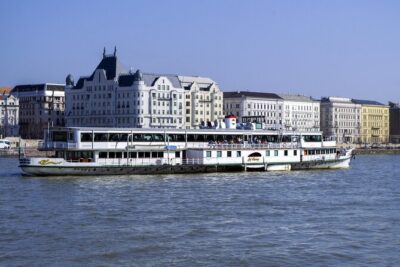 ★ 5.0Bottomless Brunch and Cruise with Prosecco in BudapestFrom $3441 reviews
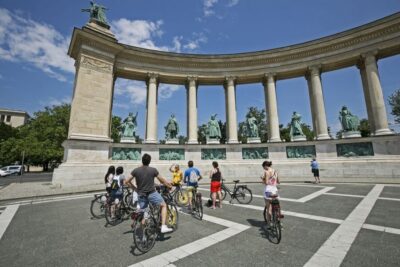 ★ 5.0City Bike Tour with Coffee StopFrom $4537 reviews
 ★ 5.0Castle District tour with Matthias Church Ticket & Cake & CoffeeFrom $12631 reviews
 ★ 4.0Rudas Bistro Extra BrunchFrom $8428 reviews
 ★ 4.5Buda Castle Walking Tour with Matthias church entry, Cake&CoffeeFrom $9921 reviews
Browse the lists this tour appears in