
Review · HUNGARIAN FOOD TOURS AND TASTINGS
Hungarian Wine Tasting (with Cheese and Charcuterie) in Budapest
A vaulted Budapest wine cellar is a great classroom. This 90-minute tasting is all about Hungarian wine culture, paired with local cheeses and cured meats, led by a sommelier who explains the why behind each pour. I especially like the five generous wine tastings and the fact that you get a practical map and tasting sheets you can actually use after the last glass.
The only watch-out is pacing. A few people felt the experience could feel a bit rushed when the next group was ready, and the charcuterie portion can feel tight for the price if you’re expecting a big plate.
In This Review
- Key Things That Make This Tasting Worth Your Time
- Entering The 19th-Century Cellar, Where Hungarian Wine Feels Real
- The Included Line-Up: Five Hungarian Wines with Cheese and Charcuterie
- What you may taste (and why it’s fun)
- Stop 1, Taste Hungary: How the 90 Minutes Are Structured
- The cheese and charcuterie story you’ll hear
- The wine story you’ll leave with
- Grapes and Regions: The Practical Map You Actually Get to Keep
- Indigenous grapes, explained in plain language
- Pairing Reality: What Works, and One Thing to Watch
- A fair heads-up on quantity
- Meet the Sommelier, Ask Real Questions, Learn the Local Way
- Practicalities for Your Budapest Afternoon: Timing, Language, and Group Format
- Who it’s best for
- If you’re traveling with dietary needs
- Legal age and pacing expectations
- Should You Book This Hungarian Wine and Cheese Tasting?
- FAQ
- How long is the Hungarian Wine Tasting in Budapest?
- What’s included in the ticket price?
- Is the tasting offered in English?
- What time does the tour start and where do I meet?
- Can vegetarians join?
- Are communal tables used, and what’s the group size?
Key Things That Make This Tasting Worth Your Time
- 19th-century cellar setting: vaulted ceilings and a real, atmospheric wine room in the city.
- 5 wine glasses: focused tasting, not a token sip, with attention to indigenous grapes.
- Food pairings that teach: cheeses and cured meats that are meant to match the wine.
- Tasting sheets plus a Hungary wine map: you leave with notes and regional context.
- Communal table setup: easy to chat with your group while you taste and learn.
- Vegetarian option with notice: they can swap in alternatives if you tell them ahead of time.
Entering The 19th-Century Cellar, Where Hungarian Wine Feels Real
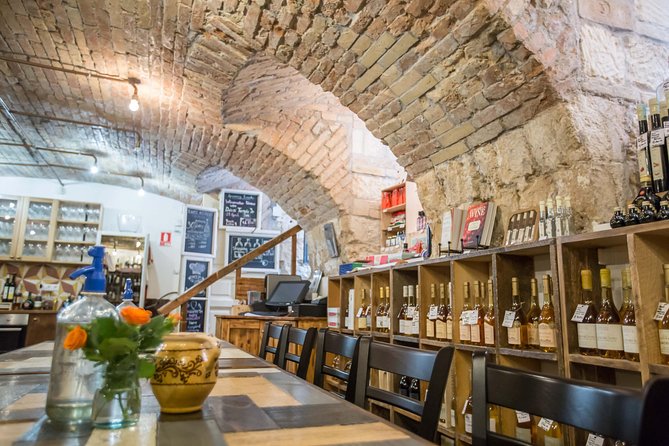
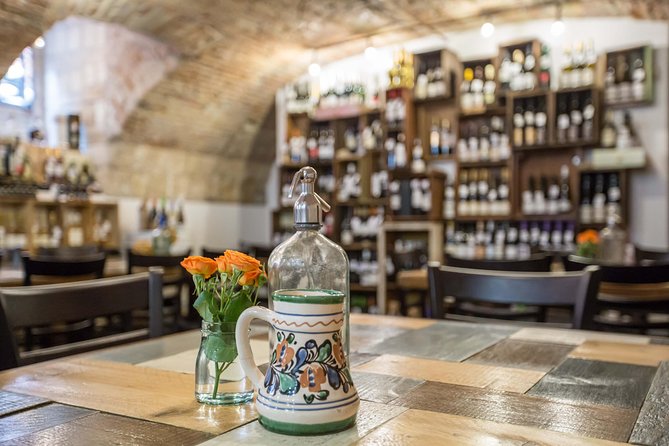
Budapest does a lot right for wine lovers, and this experience uses the city’s best party trick: atmosphere. You meet at Tasting Table Cellar (by Taste Hungary) at Bródy Sándor u. 9, inside a 19th-century wine cellar with vaulted ceilings. It feels removed from the street noise, even though you’re still in the heart of the city.
I like that the setting supports the main goal. This isn’t a wine lecture in a generic room. It is a tasting with a sense of place, so the history of Hungarian winemaking doesn’t stay stuck in theory.
Another reason it works is the group size. It caps at 24 people, and seating is at communal tables. That keeps it social and lively, but still intimate enough for questions.
The Included Line-Up: Five Hungarian Wines with Cheese and Charcuterie
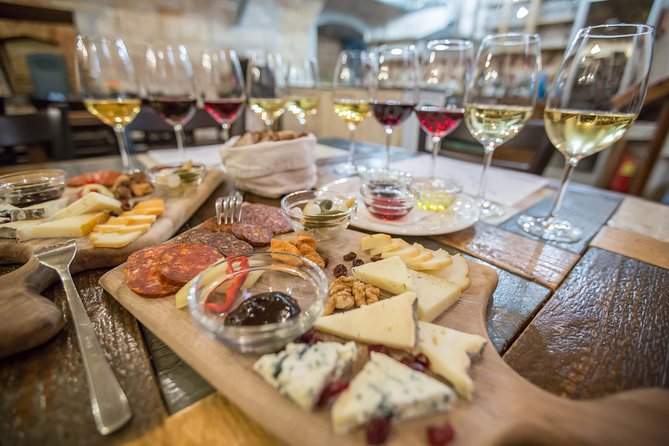
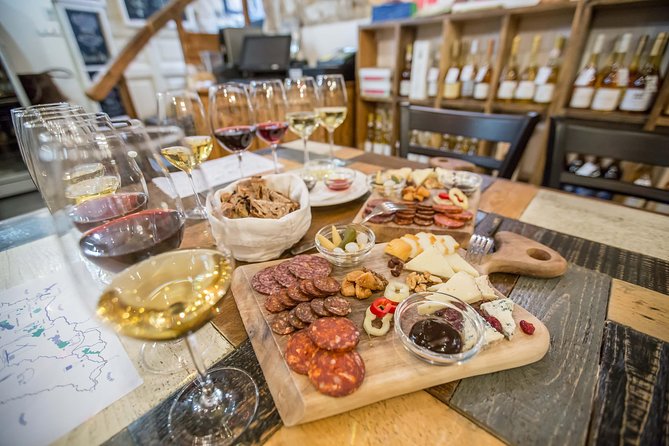
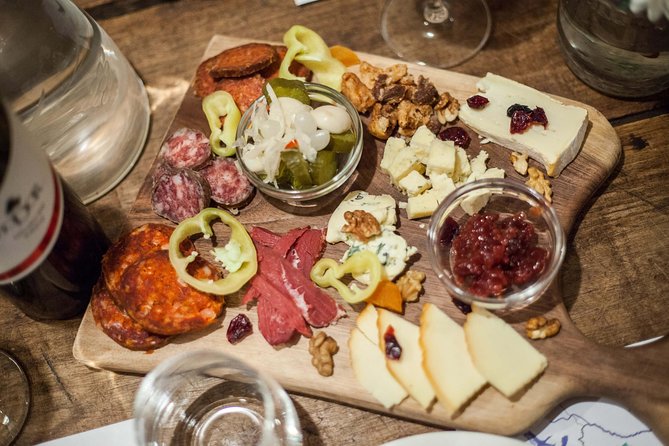
For $50, what you’re really paying for is a guided tasting that includes food, water, and structured wine learning. The package comes with 4 kinds of cheeses, 4 kinds of cured meats, 5 glasses of wine, plus fresh artisan bread and mineral water.
This mix matters because Hungarian wine is not usually what you already know from the usual global labels. When the wines get paired correctly, it helps your brain sort out what’s happening in the glass, not just what you like. And the bread and water make the whole thing easier to enjoy without turning it into a slog.
Keep eating. More Budapest tastings on our list
- Countryside Half-day Gastro-Wine Tour from Budapest Meal & pickup
★ 5.0 · 1,450 reviews - Budapest All in One Small Group Walking Tour with Strudel Stop
★ 5.0 · 1,277 reviews - Budapest: Hungarian Chimney Cake Workshop in the City Center
★ 4.8 · 885 reviews - Budapest: Wine, Cheese, and Charcuterie Tasting
★ 4.9 · 647 reviews
What you may taste (and why it’s fun)
The tasting is built around indigenous Hungarian grape varietals and regional context. In the food, you may see choices like beef sausage, smoked duck breast, free-range water buffalo salami, and Mangalica pork sausages. Those names sound exotic, but the key value is that they reflect local traditions, not imported-style charcuterie.
One practical upside: you are not expected to order anything extra to get a full experience. If you want to keep the afternoon simple, you can.
Stop 1, Taste Hungary: How the 90 Minutes Are Structured
Everything happens during one main tasting session. You will spend about 1.5 hours with your sommelier guide in the cellar, working through the food and wine at an easy, paced rhythm.
The flow is built around short explanations, then time to taste and connect. You learn about Hungarian winemaking regions and grape character, then you get paired bites. It is not “one person talks, everyone waits.” It is more like: learn a point, taste it, then move on.
The cheese and charcuterie story you’ll hear
A big theme is the revival of artisanal cheese and cured meats in Hungary after the end of the Communist era. That history gives the food more meaning than just flavor. You’re tasting products shaped by people rebuilding local traditions, and your sommelier ties that background to how the wines are expected to perform.
That “why” is the difference between liking the food and understanding why the pairing works.
The wine story you’ll leave with
You get five generous glasses of Hungarian wine, with focus on indigenous grapes. The sommelier also covers which regions these grapes come from and how soil and growing conditions affect flavor. If you’ve ever wondered why Hungarian wines can taste so different from what you expect, this is where the answer starts to make sense.
In a few sessions, you may notice a familiar “gateway” style like Tokaji mentioned as a highlight. The important part for you is not the brand name, it’s that the tasting helps you connect sweetness, acidity, and texture to the grape and region.
Another glass? Hungarian wine and palinka, reviewed
Grapes and Regions: The Practical Map You Actually Get to Keep
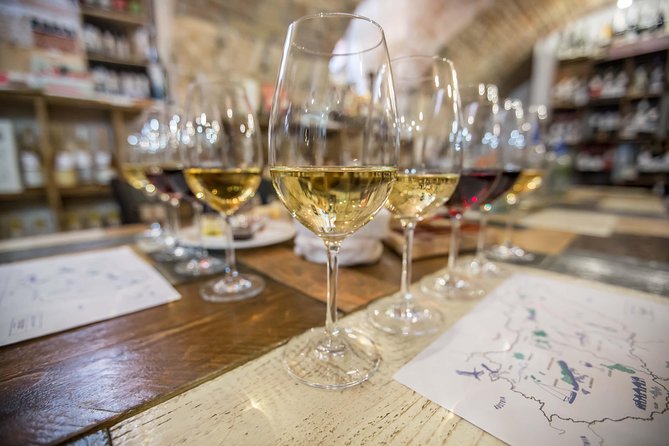
Most tastings give you a glass and a shrug. This one gives you something more useful: tasting sheets and a map of Hungarian wine regions. That sounds small, but it changes how you remember the experience.
As you taste, you can jot down notes on:
- how each wine tastes before the food
- how the cheese or cured meat changes the wine
- which flavors you can name, even if you are not a wine expert
If you plan to do anything wine-related later in Budapest, these notes become your shortcut. You can use them to ask better questions when you browse bottles in shops or restaurants.
Indigenous grapes, explained in plain language
The tastings focus on indigenous Hungarian grape varietals, including some wines that can be harder to find outside the country. For you, that means you’re not just sampling what’s easy. You’re learning what makes Hungarian wine distinct.
And if you have only a basic wine vocabulary, don’t worry. This format is designed so you can still follow along and ask questions without feeling out of place.
Pairing Reality: What Works, and One Thing to Watch
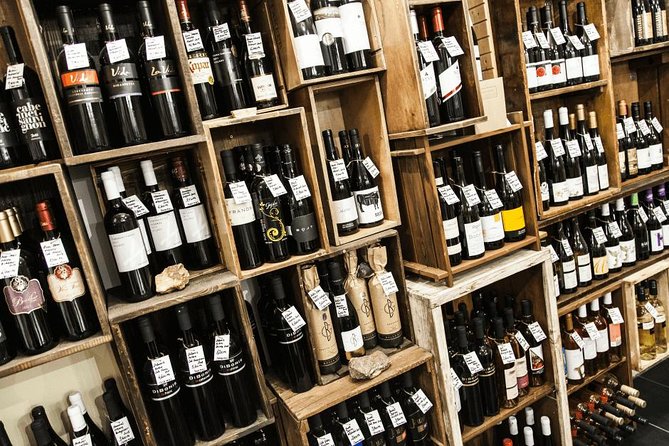
The pairing is the heart of the experience. The cheeses and cured meats are selected to match the wines you’re tasting, and the bread and mineral water help you reset between pours.
Most guests praise that the pairings are spot on, and that the sommelier takes time to explain what you’re tasting before giving you a bit of breathing room. Several accounts also mention hosts who spent time talking about wine regions and then gave around 15 minutes to enjoy the food and wine at a comfortable pace.
A fair heads-up on quantity
Here’s the one drawback I’d plan for: the charcuterie board can feel light if you expect a huge platter for the price. One common complaint is that quality is strong, but quantity may not match the cost.
If that would annoy you, you can handle it by planning a light appetite rather than a full meal plan. You will likely leave with the feeling of having tasted enough to get educated, not enough to be stuffed.
Meet the Sommelier, Ask Real Questions, Learn the Local Way
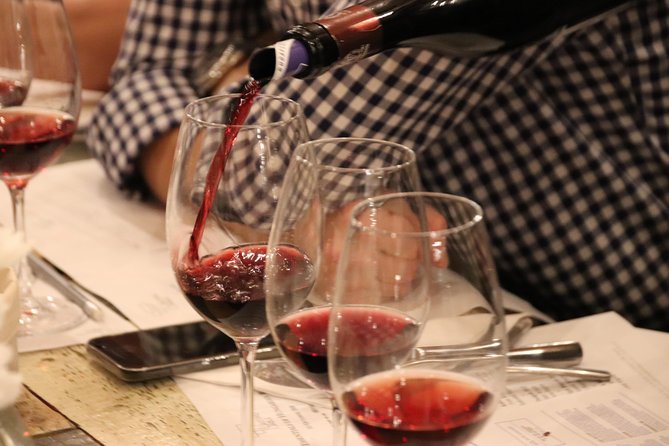
A major reason this tasting scores so well is the delivery. People repeatedly mention that the sommelier knows the wines and the regions, and that explanations land in a way you can actually understand. You may meet guides referenced in past sessions as Sam, Thomas, Tomasz, or Mathew, depending on the date.
What matters for you is the structure: you can ask questions about wine-making regions and the wines themselves. That turns the tasting from passive drinking into an active learning experience.
There’s also a nice social element. With communal tables, it’s easier to meet people from different countries while you compare notes about what you like and why.
Practicalities for Your Budapest Afternoon: Timing, Language, and Group Format
This tasting starts at 3:00 pm and runs about 1 hour 30 minutes. It is offered in English, and the event uses a mobile ticket. If you’re planning the rest of your day, build in some buffer before or after, especially if you have a dinner reservation.
Who it’s best for
This is ideal if you:
- want a high-value intro to Hungarian wines
- like food pairings more than stand-alone drinking
- enjoy being taught something you can remember later
It’s also a solid option if you’re not a wine expert. The format is explained step by step, with tasting sheets to keep you grounded.
If you’re traveling with dietary needs
Vegetarians are welcome, but you should let them know in advance so alternatives can be prepared. If you have allergies, you’ll want to clarify directly when you book.
Legal age and pacing expectations
The legal drinking age is 18 in Hungary, so plan accordingly. As for pacing, do expect a schedule that moves between groups. If you need a very slow, never-rushed dinner-style pace, this format might feel a bit structured.
Should You Book This Hungarian Wine and Cheese Tasting?
If you want a fun, focused way to learn Hungarian wine, I’d book it. For $50, you get more than “a taste,” you get five wines plus a full pairing board, and you leave with notes and a region map that make the experience usable later.
Skip it only if you strongly prefer a quiet, private tasting, or if you expect the board to be large enough to replace a meal. Otherwise, it’s a strong, practical afternoon plan in Budapest.
One last booking tip from how this experience tends to run: plan for the session you select and treat it like a fixed slot. The experience is listed as non-refundable and not changeable once booked, so pick the day that truly works for you.
FAQ
How long is the Hungarian Wine Tasting in Budapest?
The tasting lasts about 1.5 hours.
What’s included in the ticket price?
You get a sommelier-led tasting, tasting sheets and a map of Hungarian wine regions, fresh artisan bread, mineral water, and a board with 4 kinds of cheeses and 4 kinds of cured meats, plus 5 glasses of wine.
Is the tasting offered in English?
Yes, the experience is offered in English.
What time does the tour start and where do I meet?
It starts at 3:00 pm. You meet at Tasting Table Cellar (by Taste Hungary), Bródy Sándor u. 9, 1088 Hungary.
Can vegetarians join?
Vegetarians are welcome, but you should let the team know in advance so they can prepare alternatives.
Are communal tables used, and what’s the group size?
Seating is at communal tables, and the event has a maximum of 24 travelers.
More Tour Reviews in Budapest





Budapest by the Glass
Room for One More Plate in Budapest


Reviewed recently around Budapest
- Audio visual multi-sensory chefs journey dinner experience★ 5.0 · 3 reviews
- Tapolca Cave Lake and Tihany/ Balaton private tour from Budapest★ 4.5 · 3 reviews
- SzentEndre-SaintAndrew City Privately Shopping and Picturesque★ 4.5 · 3 reviews
- Sightseeing flight over Budapest★ 5.0 · 3 reviews
- Self Guided Tour In Budapest With 100 Captivating Audio Stories★ 5.0 · 3 reviews
- Private Danube Bend Visegrad and Szentendre Tour With Transport★ 5.0 · 3 reviews
Hungarian Food Tours and Tastings, compared.
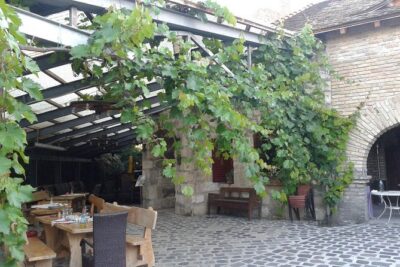 ★ 5.0Countryside Half-day Gastro-Wine Tour from Budapest Meal & pickupFrom $991,450 reviews
 ★ 5.0Budapest All in One Small Group Walking Tour with Strudel StopFrom $1001,277 reviews
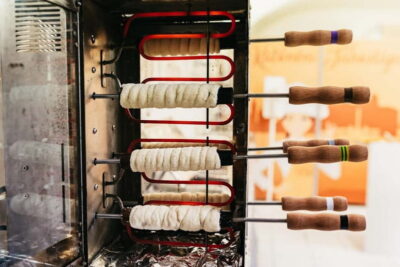 ★ 4.8Hungarian Chimney Cake Workshop in the City CenterFrom $40885 reviews
 ★ 4.9Wine, Cheese, and Charcuterie TastingFrom $50647 reviews
 ★ 4.8From Budapest: Etyek Wine Tasting Tour with 3-Course MealFrom $102557 reviews
 ★ 5.0Budapest Cooking Class & Market Tour with Local Guide & WinesFrom $99553 reviews
 ★ 4.9Guided Foodie Walking Tour with Food and DrinksFrom $70453 reviews
 ★ 5.0Budapest Food Tour: Market to Tavern with 14+ Tasters & WinesFrom $76434 reviews
Browse the lists this tour appears in