
Review · COFFEE HOUSES AND CAFE TOURS
Private Café Wandering: Excursion through Budapest’s Belle Epoque
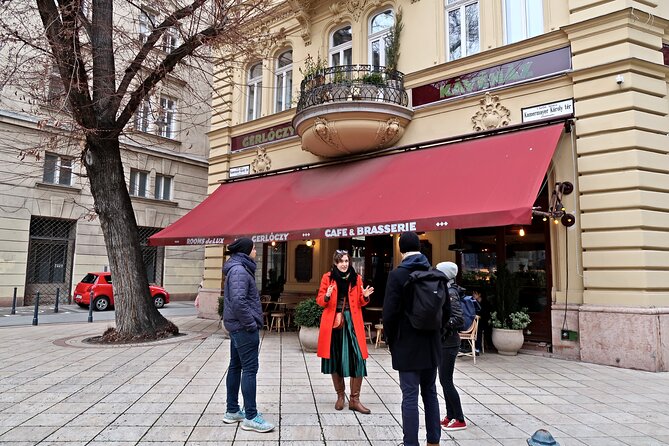
Budapest in cafe form is hard to beat. This private 3-hour walk through Belle Epoque coffeehouses turns famous interiors into context, with an art historian-style guide in English. The standout for me is the chance to get history explained right where it happened, at places like Café Gerbeaud and Central Café.
You also get a smart mix of stops, not just pretty rooms. You’ll see five classic cafes that shaped writers, artists, and thinkers, and you’ll move between them by tram and on foot in a way that feels like how people actually traveled across the city in its heyday. One thing to factor in: refreshments are not included, so plan to budget for coffee and cake at the places you sit down.
In This Review
- Key Points You Should Know Before You Go
- Vörösmarty tér Start: where the Belle Epoque begins
- Café Gerbeaud: Imperial Budapest’s social center
- Tram by the Danube to Central Café: dignified, not just fancy
- Museum Café since 1885: the guest book is the real souvenir
- Urania Café on Rakoczi Street: oldest film theatre energy
- Toward Blaha Lujza tér and New York Café: the grand room payoff
- Muvesz Café near the Opera: coffee and cake as a calm finale
- Price and what you truly get for $449.51 per group
- Who should book, and who might prefer something else
- Should you book Private Café Wandering through Budapest’s Belle Epoque?
Key Points You Should Know Before You Go
- Private, English-guided, art-historian approach: you’re not in a crowd, and the commentary aims at culture and meaning, not just names.
- Five iconic café houses in one 3-hour route: you get variety, from ornate interiors to a lecture-minded stop on Rakoczi Street.
- Café Gerbeaud is the right first stop: you start at the classic meeting point and step straight into Imperial Budapest atmosphere.
- A tram ride by the Danube adds story and flow: it breaks up the walking and ties the route to the river city feel.
- Museum Café details are real eye-candy: think Zsolnay porcelain tiles and a Venetian mirror, plus a guest book with historic signatures.
- End with coffee and cake near the Opera: Muvesz Café is a gentle finale, and the location puts you near theatre-world people.
Vörösmarty tér Start: where the Belle Epoque begins
Your tour kicks off at Vörösmarty tér, with the guide meeting you around Café Gerbeaud (Vörösmarty tér 7-8). It’s a strong choice. This square sits right in the heart of central Budapest, easy to reach on public transport, and it sets a confident tone before you even step inside the first café.
The session runs about 3 hours, and it’s a walking route, with at least one tram segment. That matters because Budapest’s cafe culture is not just about interiors. It is also about movement, timing, and the sense that people crossed the city to meet, read, debate, and linger.
If you’re the type who wants more than photos, you’ll appreciate the format. You’re not doing a stop-and-go checklist. You’re learning what each café symbolized in its era, then seeing those ideas reflected in décor and design choices.
Café Gerbeaud: Imperial Budapest’s social center
Café Gerbeaud is the obvious anchor, and the guide starts you here on purpose. The café is tied to the period when Budapest carried the confidence of the late 19th century, when the city looked toward the Habsburg Empire’s bigger economic and cultural story.
In practical terms, you’ll get a guided look at the space as a social machine. Gerbeaud served as a central meeting point for locals and visitors, which explains why these kinds of coffeehouses mattered: they were public rooms for private conversations. People went not just for caffeine, but for belonging.
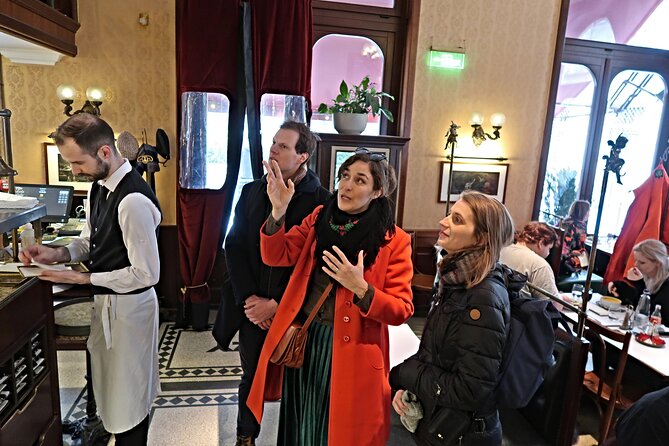
And yes, the interior is part of the lesson. When the guide points out period details, you start to see the café as more than architecture. It becomes a stage for everyday culture, where writers, artists, and thinkers could drop into the same atmosphere and swap ideas.
In one positive highlight shared with the experience team, the guide Kata was praised for being very informative and generous with time. That lines up with what you want on a tour like this: enough patience for questions and enough pacing to actually absorb the atmosphere.
Cafe crawls and cake stops we sat through
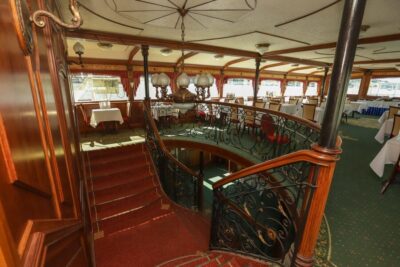
- Budapest: Summer Brunch & Cruise with Prosecco or Cake
★ 4.2 · 193 reviews - Grand Segway Tour of Budapest – Private Tour with Coffee Stop
★ 5.0 · 163 reviews - Summer Danube Brunch Cruise in Budapest
★ 4.0 · 116 reviews - Bottomless Brunch and Cruise with Prosecco in Budapest
★ 5.0 · 41 reviews
Tram by the Danube to Central Café: dignified, not just fancy
From Gerbeaud, you take a tram along the Danube area to Central Café. This is a smart move for two reasons. First, it helps the route feel efficient. Second, it turns “Budapest by water” into a lived part of the experience, not a distant postcard.
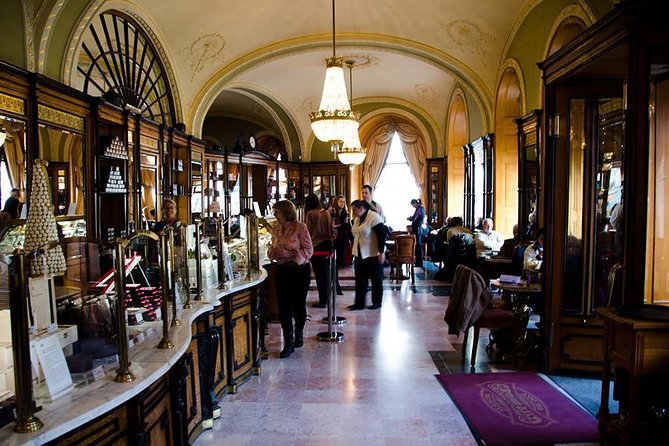
Central Café is described as dignified, with décor and room design that reflect what the café house meant at the peak of the Habsburg Empire’s power. That is not a throwaway line. It is the key to understanding the café culture of the 19th century. These weren’t casual back rooms. The best cafés operated like civic living rooms for people who had places to be socially and politically, and who wanted a shared setting that felt respectable.
Expect time to sit with the atmosphere. You’ll be looking at delicate decor while the guide explains the cultural significance behind the grandeur. It’s also a reminder that food and drink were part of the ritual. You’ll likely have a chance to enjoy something on-site, but remember the tour does not include refreshments in the price. You’re paying for the guide and the context, and then choosing your treats café-by-café.
Museum Café since 1885: the guest book is the real souvenir
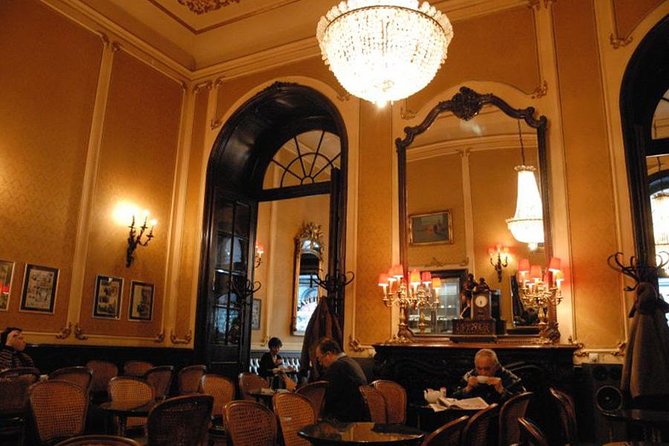
Next comes Museum Café, with operations dating back to 1885. That date isn’t just trivia. When a café has stayed open across political eras and changing tastes, it gives you a living connection between the 19th century and today.
Museum Café has several standout features the guide will likely spotlight:
- The lavish walls covered in tiles from Zsolnay porcelain works
- A grand 19th-century Venetian mirror
- A historic guest book that previously recorded prominent visitors, including Members of Parliament, writers, and actors
That guest book detail is especially useful. It’s the kind of tangible artifact that turns a “pretty café stop” into a real culture lesson. You start to understand who came and why, and that makes the place feel less like a museum and more like an ongoing social institution.
One small drawback to plan around: these cafés can be busy, and you may be asked to stand, look, and listen while others move around you. That’s normal for central Budapest. The private format helps, though. Your guide can adjust pacing to your group so you don’t feel rushed through the best rooms.
Urania Café on Rakoczi Street: oldest film theatre energy
Urania Café sits on Rakoczi Street and ties cafe culture to Budapest’s wider intellectual life. A key detail here is that it houses the city’s oldest film theatre. That means you are not just stepping into a coffeehouse. You’re stepping into a venue where entertainment and ideas overlap.
Even better, the guide connects this stop to the lecture culture that took place in the past. Urania is famous for lectures given by prominent intellectuals to large audiences of Budapest cosmopolitans. That context changes how you view the space. You start thinking of cafés as part of a bigger ecosystem: media, public talk, and social networking, all feeding each other.
This is a great stop if you like learning how culture spreads through everyday gathering places. It’s also a useful palate cleanser. After ornate interiors and classic café elegance, Urania adds a different flavor, more “public mind” than “private elegance.”
Also, Rakoczi Street is a practical location in a walking route sense. You’re still in central Budapest, close enough to the city’s main boulevards that the route keeps moving without feeling like a long slog.
Toward Blaha Lujza tér and New York Café: the grand room payoff
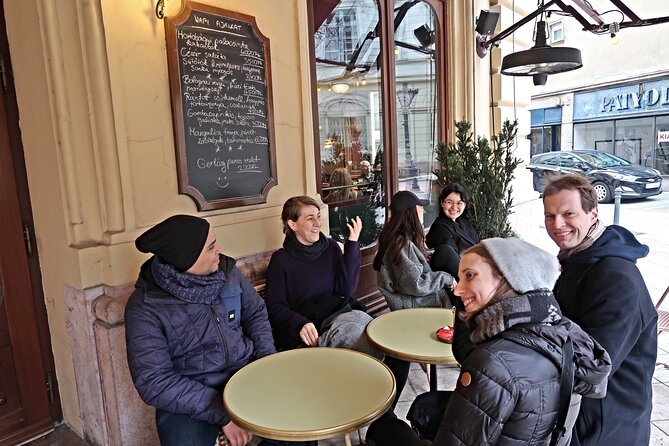
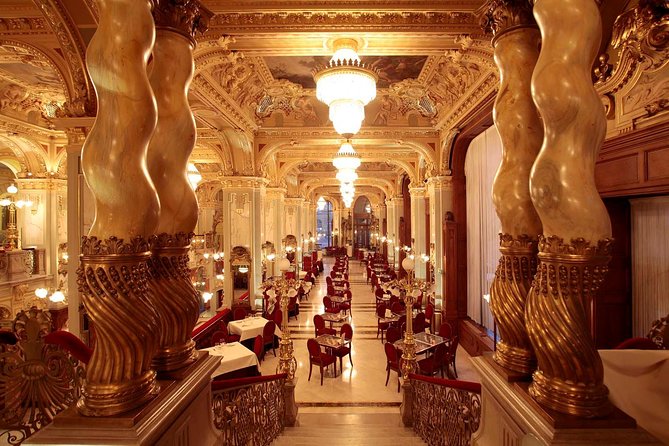
From Urania, you head toward Blaha Lujza tér along the big boulevard, then reach New York Café, often cited as one of the most beautiful cafe houses in the world. For you, that matters because this is the stop where the visual payoff tends to be biggest.
New York Café feels like a story in stone, gold, and detail. The guide’s job here is not just to say it’s beautiful, but to explain what that beauty signaled. In the late 1800s and early 1900s, a café that looks like a public salon sent a message. It said you were welcome, that the city had status, and that spending time here was a kind of social literacy.
This is also a good place for photos, but don’t get stuck only on your camera. The best moments come when you step back and let the guide point out design cues that connect to the café house culture of the time.
A quick consideration: if you have trouble walking during busy boulevard sections, plan to take it slow. You’re still with a private guide, so you can pace yourself. But it is an outdoor route for stretches, and that can matter in hot weather or rain.
Private guides we booked in Budapest
Muvesz Café near the Opera: coffee and cake as a calm finale
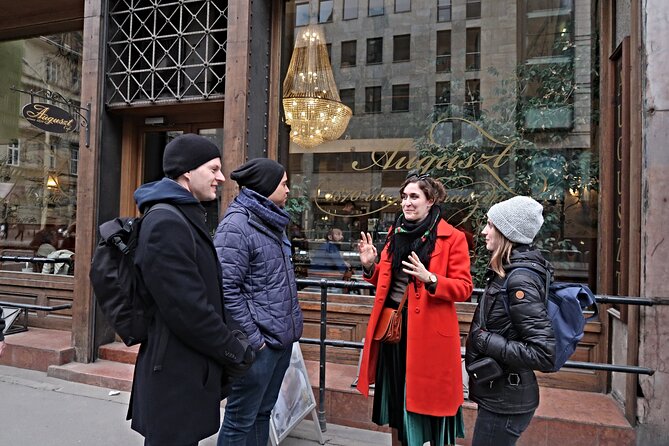
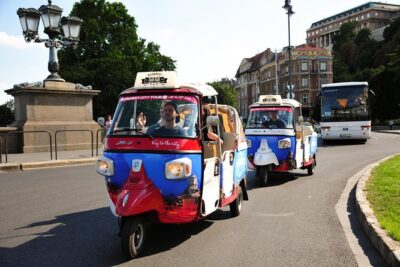
Your tour wraps up sitting down for coffee and cake at Muvesz Café on Andrassy Boulevard near the Opera House. The timing works well. You’ve seen five major café interiors and heard the history behind them, so the final stop feels like a natural landing place rather than another quick hit.
Muvesz Café also brings a touch of theatre-world energy. The setting is close enough to rehearsal culture that you might catch a glimpse of actors and actresses taking breaks from nearby productions. Just keep expectations grounded. Even if you don’t spot anyone famous, the area still gives you that “Budapest as a stage” mood.
This ending choice is smart for another reason. By the time you sit here, you’ve learned how to read these places. You can enjoy what you ordered while noticing the décor and the social vibe, instead of rushing through to the next destination.
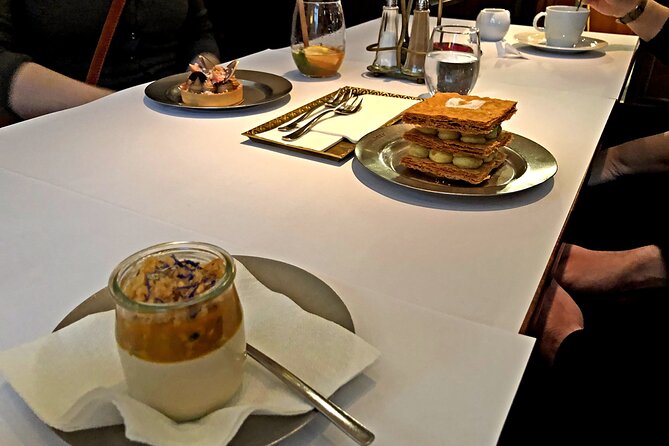
Remember: refreshments are not included. So yes, this is where you pay for your coffee and cake. The upside is that you get to choose, and you sit in a place picked for the experience, not just for convenience.
Price and what you truly get for $449.51 per group
The price is $449.51 per group, up to 10 people. On paper, it can look steep if you’re picturing a per-person ticket. But it works differently because it’s private.
At full group size, the effective cost is roughly $45 per person. With fewer people sharing, it rises, but you’re paying for a guide and the flexibility of a private pacing. That is what you’re really buying: time with an art historian style guide and an itinerary shaped around meaningful stops rather than squeezing you into a larger group schedule.
The value also comes from the specificity of the café choices. Many Budapest walks cover a lot of sights. This one focuses on cafés and makes the café house culture understandable through details like Zsolnay porcelain and historic guest book entries. That kind of interpretive guiding is hard to replicate on your own unless you already know what to look for.
The only real “watch out” on value is budget for food. Since refreshments are not included, your final spend depends on what you order at the sit-down moments. If you want minimal extras, plan for one coffee and one cake stop, and let the rest of your spending stay simple.
Who should book, and who might prefer something else
This is best for you if you like:
- learning culture through real places, not just facts on paper
- architectural interiors, especially coffeehouses and their social role
- a private tour where your questions have room
- a short, focused walk that still feels like more than a stroll
It’s also a good choice if you’re traveling with friends or family and want a shared “story tour” that doesn’t depend on the whole group sharing the same interests. Everyone can enjoy the cafés, and the guide ties the stops together.
You might want a different tour if:
- you hate walking segments outdoors, even short ones
- you want a tour where food and drinks are fully included in the price
- you prefer museums or viewpoints over atmosphere and interior details
Still, for most people, the format is approachable. The experience states that most travelers can participate, and it stays within a tight 3-hour window.
Should you book Private Café Wandering through Budapest’s Belle Epoque?
I’d book it if you want a Budapest experience that feels distinctly local and historical, without being stiff. The combination of five landmark cafés, a private guide with in-depth commentary, and a route that uses tram and walking makes it easy to enjoy while still feeling like you learned something real.
The biggest reason to say yes is the focus. Instead of scattering across unrelated sights, the tour builds meaning cafe by cafe, then ends with coffee and cake near the Opera, where you can naturally carry the mood forward on your own.
If your group is comfortable budgeting separately for drinks and you like the idea of learning from an art historian style guide, this is a strong, high-satisfaction choice for Budapest.
More Tours in Budapest


More Tour Reviews in Budapest




Coffee, Cake and Another Cafe



Reviewed recently around Budapest
- Audio visual multi-sensory chefs journey dinner experience★ 5.0 · 3 reviews
- Tapolca Cave Lake and Tihany/ Balaton private tour from Budapest★ 4.5 · 3 reviews
- SzentEndre-SaintAndrew City Privately Shopping and Picturesque★ 4.5 · 3 reviews
- Sightseeing flight over Budapest★ 5.0 · 3 reviews
- Self Guided Tour In Budapest With 100 Captivating Audio Stories★ 5.0 · 3 reviews
- Private Danube Bend Visegrad and Szentendre Tour With Transport★ 5.0 · 3 reviews
Coffee Houses and Cafe Tours, compared.
 ★ 4.2Summer Brunch & Cruise with Prosecco or CakeFrom $34193 reviews
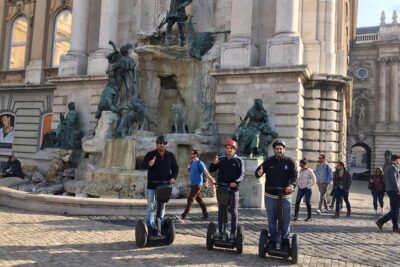 ★ 5.0Grand Segway Tour of Budapest – Private Tour with Coffee StopFrom $107163 reviews
 ★ 4.0Summer Danube Brunch Cruise in BudapestFrom $64116 reviews
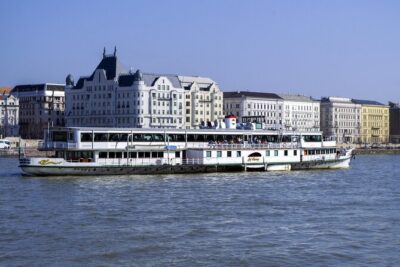 ★ 5.0Bottomless Brunch and Cruise with Prosecco in BudapestFrom $3441 reviews
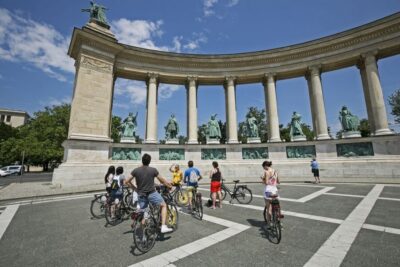 ★ 5.0City Bike Tour with Coffee StopFrom $4537 reviews
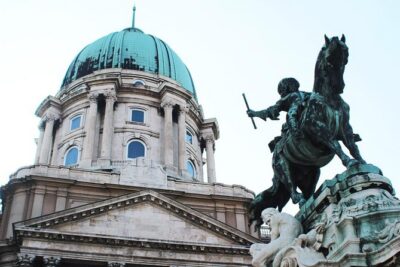 ★ 5.0Castle District tour with Matthias Church Ticket & Cake & CoffeeFrom $12631 reviews
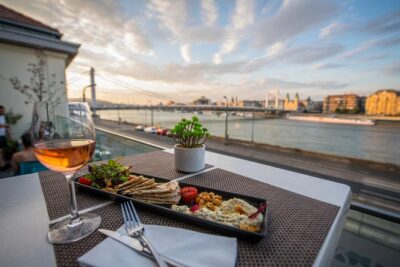 ★ 4.0Rudas Bistro Extra BrunchFrom $8428 reviews
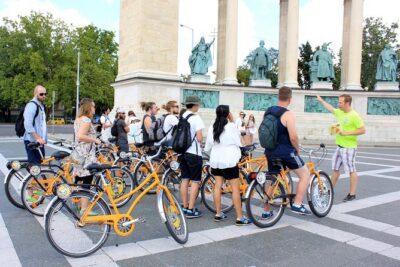 ★ 5.0Private Budapest Bike Tour with Cafe StopFrom $11421 reviews
Browse the lists this tour appears in