
Review · BUDA CASTLE DISTRICT
2 Hours Buda Castle Walking Tour – Walk with a Historian
Buda Castle covers centuries fast, and this historian-led route makes it make sense. I like the focus on field expert guidance and I like the mix of major sights with quieter street-level stories. One thing to consider, it packs a lot into 2 hours, so if you want slow, linger-long stops, plan to spend extra time on your own after the tour.
Kálmán Dániel, a historian guide often called Daniel, leads the walk through the castle district from the civilian quarter up to the old royal seat. You’ll see the famous stops people expect, but you’ll also get the kind of details that turn stone and street names into a timeline you can actually follow.
In This Review
- Why this Buda Castle walk is worth your time
- Key highlights and what they mean on the ground
- Price and the value you actually get for $49
- Meeting point at the Lutheran Church, and why that start helps
- From the civilian quarter to the royal seat, how the route tells time
- The small Jewish Synagogue-Museum stop, and why it hits harder than you’d expect
- Mary Magdalene Church remains, where you see the past as fragments
- Entering Matthias Church, where the grandeur becomes a story
- Buda Castle itself, the “ending point” that ties the whole walk together
- What the street stories add to your Budapest visit
- Guide quality: Kálmán Dániel brings structure and clarity
- What is included, and what you’ll handle on your own
- How long it takes, and who this suits best
- A few practical tips for a smoother castle walk
- Should you book this Buda Castle historian walk?
Why this Buda Castle walk is worth your time
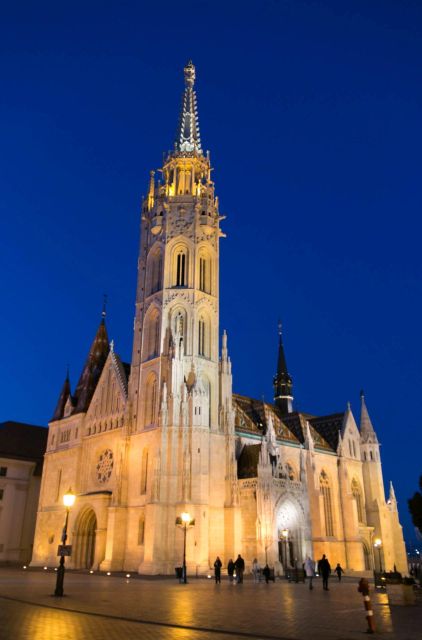
This is the kind of tour that helps you read a place. You’re not just ticking off monuments, you’re learning how the district changed from medieval power to later eras, including Ottoman era influences and the modern layer of the castle area. You also get entry included for Matthias Church and the Jewish Synagogue-Museum, which saves time and keeps the visit anchored in real context.
If you’re coming to Budapest for the big landmarks, this is one of the more practical ways to connect them into a clear story, without turning the castle area into a blur.
Key highlights and what they mean on the ground
- Historian-led, field expert approach: Kálmán Dániel helps you connect what you see to what changed over time.
- Matthias Church entry included: You can focus on the building, not just the exterior photo.
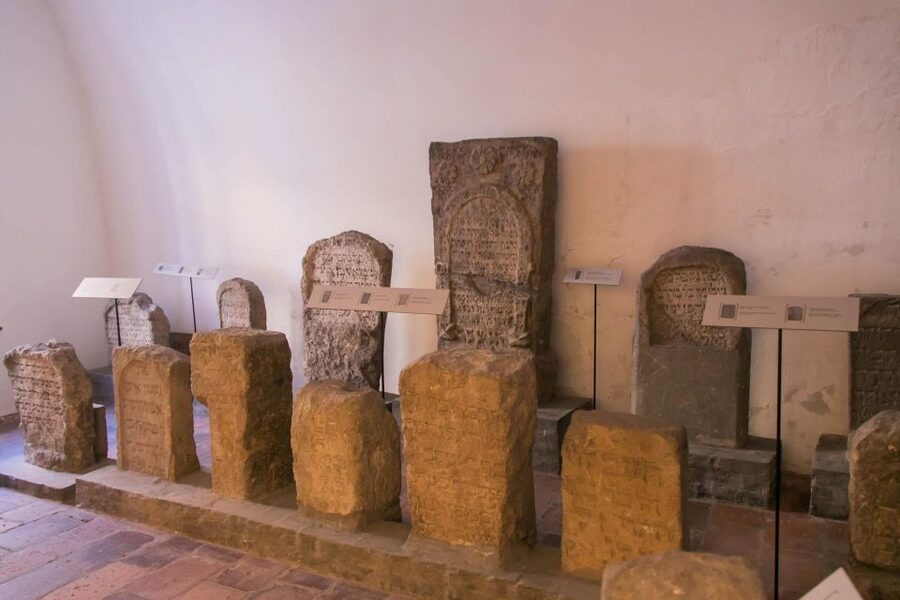
- Jewish Synagogue-Museum visit: A smaller site with a story that connects to a larger presence that once existed nearby.
- Mary Magdalene Church remains: You’ll see how earlier layers of worship fit into the later castle landscape.
- Street stories in the Buda Castle district: The walking part matters because the streets themselves carry clues.
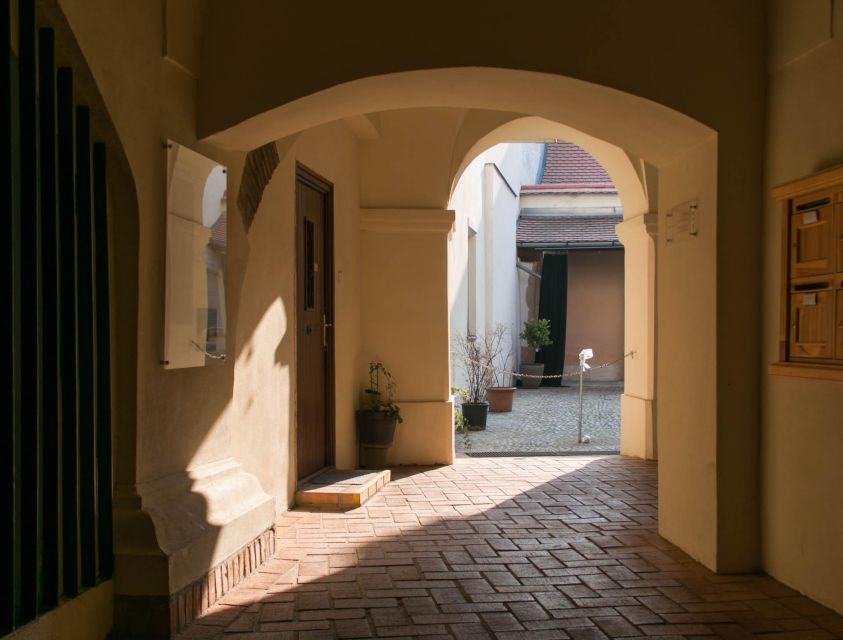
- Bécsi kapu Square start point: Beginning in the civilian quarter helps you understand the castle as part of a wider community.
Price and the value you actually get for $49
At $49 per person for a 2 hour Buda Castle walking tour, the price is fair when you look at what’s included. You get a field expert historian guide plus paid entry to two key sites: Matthias Church and the Jewish Synagogue-Museum. Those entries alone are often what make or break the value of a short tour in Budapest.
The tour also doesn’t just stand at one place. It moves from the civilian quarter, starting around Bécsi kapu Square, up through the castle district, ending at the Buda Castle area. For your time, that matters. Two hours is long enough to cover multiple stops, but short enough that you still have energy left to explore further on your own afterward.
If you’re traveling with limited time in the castle district, paying for a guided route is usually cheaper than losing time figuring out what each stop means.
Up on Castle Hill, a few other ways to do it
- Budapest: Buda Castle District Vampires and Myths Night Tour
★ 4.6 · 3,830 reviews - Budapest: Buda Castle Walk with Saint Stephen’s Hall
★ 4.5 · 3,012 reviews - Budapest: Buda Castle District Walking Tour
★ 4.6 · 2,108 reviews - Budapest: 3-Hour Grand City Tour and Castle Walk
★ 4.3 · 1,437 reviews
Meeting point at the Lutheran Church, and why that start helps
You’ll meet in front of the Lutheran Church of Buda Castle, the white church near the Castle Gate. This is a smart meeting point because it’s easy to spot, and it’s positioned right where the civilian and castle areas begin to blur.
Starting near the Castle Gate also sets you up for the tour’s biggest theme: the castle district is not only about kings and palaces. It’s also about everyday life in the civilian quarter, the religious history in the area, and the way later centuries built over older layers.
Tip: Arrive a few minutes early so you can settle in and get your bearings before the walking starts.
From the civilian quarter to the royal seat, how the route tells time
The tour is designed to walk you through shifting eras in a way that feels chronological without being stiff. You start around the Bécsi kapu Square area in the civilian quarter, which helps you avoid the common mistake of thinking of the castle district as just one “big royal zone.” Instead, you’re introduced to the district as a lived-in place that changed as Hungary’s story changed.
During the walk, you’ll learn how medieval and later Ottoman era influences, and then modern periods, all left their mark. You’ll hear the story of Hungary along the route, not as a separate history lesson, but tied to monuments and street-level clues.
That approach is practical. Once you understand the logic of where you are, you can keep reading the place even after the tour ends.
The small Jewish Synagogue-Museum stop, and why it hits harder than you’d expect
One of the most interesting parts of this walk is the stop at the Jewish Synagogue-Museum. The tour frames it as a unique small museum, and it gives you the story of a bigger synagogue that once stood nearby.
Even if you’ve visited other Jewish history sites in Europe, I like how this one works. It doesn’t just ask you to respect history in general. It gives you a specific local connection, then helps you understand what survived and what changed in the space you’re standing in.
You’ll also learn how this fits into the broader district history, including how different communities existed alongside each other over time. That makes your later castle views feel more complete, because you’re not only seeing rulers and fortifications, you’re seeing how a district functioned.
If you care about layered cultural history, this is a highlight.
Mary Magdalene Church remains, where you see the past as fragments
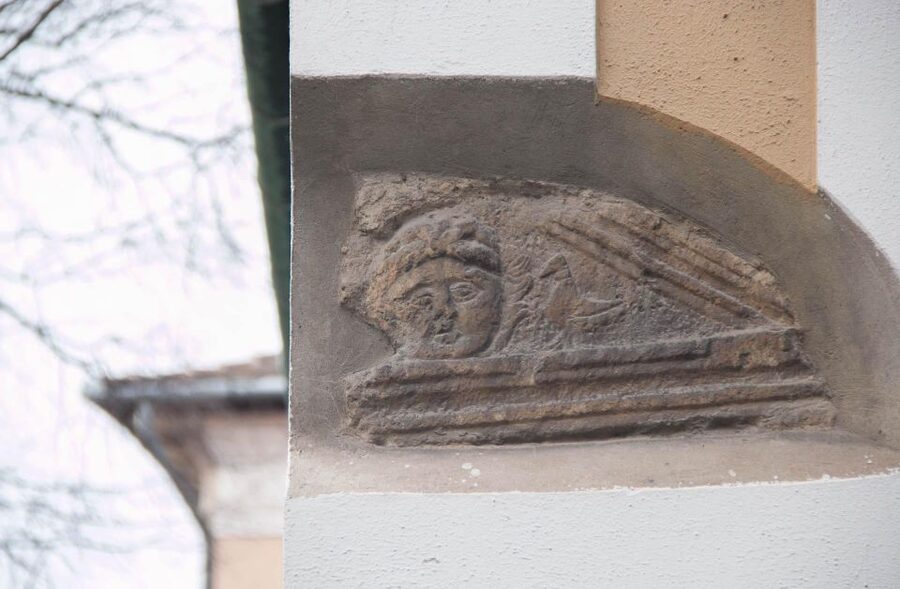
After the synagogue stop, you’ll visit the remains of the Mary Magdalene Church. Remains can feel anticlimactic when you rush, but this kind of visit works well on a short historian-led walk because you’re given context for what those stones represent.
Instead of treating it as a random ruin, you learn to interpret it as part of the castle district’s evolution. This is one of those moments where you stop thinking of Budapest as a “collection of pretty buildings” and start seeing it as a place that has repeatedly rebuilt, repurposed, and redefined itself.
If you like architecture and want to understand why certain locations feel sacred even when the building is gone, you’ll appreciate this stop.
Other Budapest walks at a similar pace

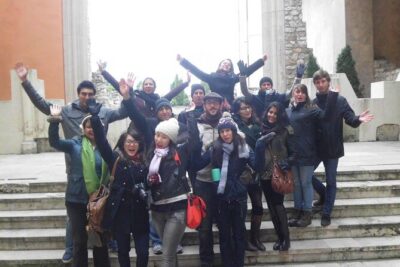
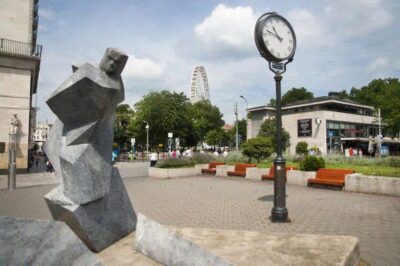
Entering Matthias Church, where the grandeur becomes a story

The tour includes entry to Matthias Church, and that’s a big deal for value. Seeing it from the outside is nice, but entry lets you connect the exterior with what’s going on inside, and it keeps the visit grounded in the tour’s larger timeline.
This is also a high-recognition stop, so the guide’s job is to make it more than a famous name. The way the tour is set up, Matthias Church lands naturally after the synagogue and church remains. You’re primed to notice how religion, power, and identity show up in the same district across different periods.
When you walk out afterward, you should feel like you understand why it matters, not only that it’s impressive.
Buda Castle itself, the “ending point” that ties the whole walk together
The tour ends with the visit to Buda Castle, once the seat of Hungarian kings. That “ending point” framing matters. You don’t just wander into the castle area as a standalone attraction. You arrive with the history behind you, including the district’s civilian roots and the way different centuries shaped what you see.
From a practical standpoint, ending near the castle area is also helpful. You can continue exploring right away, whether that means taking your own detour for photos or extending your time in the district beyond the two-hour mark.
What the street stories add to your Budapest visit
A lot of tours focus on buildings and ignore the streets. This one doesn’t. You’ll learn tales connected to the streets of the Buda Castle district, and you’ll explore some less-known sights.
I like this part because it’s where the castle district becomes less touristy in your head. Street stories help you imagine what it would have felt like to walk these same routes through different periods of history. You start noticing names and alignments as clues, not random facts.
Also, less-known stops are where a short tour can feel special. If you only hit the most obvious icons, you often leave thinking you’ve seen the postcard. With street-level stories, you leave thinking you understand the place.
Guide quality: Kálmán Dániel brings structure and clarity
The tour is led by Kálmán Dániel, and the reviews highlight that he covers many interesting topics with strong information and clarity. You’re not just getting a list of facts. You’re getting a structured walk where each stop explains the next.
In a place like Buda Castle, a good historian guide is what prevents overwhelm. Without that structure, it’s easy to stand in front of impressive buildings and still feel like you don’t know what you just saw.
This tour’s guide is a big reason it has a top rating, with a 5 out of 5 score across five verified bookings.
What is included, and what you’ll handle on your own
Here’s what’s included in the experience:
- Field expert historian guide
- Entry to Matthias Church
- Entry to the Jewish Synagogue-Museum
- Walking tour
Not included:
- Food and drink at a local café (optional)
This matters because the tour is focused on sights and interpretation, not meals. If you want to add a snack or coffee break, you’ll need to plan it around your own preferences and timing.
If you’re scheduling, think of the two hours as a concentrated history walk. After that, you’re free to choose where to eat based on your style, not based on a tour-defined schedule.
How long it takes, and who this suits best
The duration is 2 hours, and that’s a key fit question.
This tour suits you if:
- you want a guided route that makes Budapest’s castle district feel understandable
- you care about history, but want it tied to exact places you can see
- you want included entry to Matthias Church and the Jewish Synagogue-Museum
This may not be perfect if:
- you prefer long stays inside each monument and lots of downtime
- you want a purely photo-based walk with minimal talking
For most visitors who want strong context without blowing half a day, it’s a good match.
A few practical tips for a smoother castle walk
- Wear comfortable shoes. The castle district involves walking on streets and paths.
- Plan to arrive early so you don’t feel rushed at the start near the Lutheran Church.
- Bring water if you’re visiting on a warm day, since the tour itself doesn’t include refreshments.
None of these are unique to this tour, but in the Buda Castle area, they make a real difference.
Should you book this Buda Castle historian walk?
I’d book it if you want a short, guided way to connect Matthias Church, the Jewish Synagogue-Museum, the remains of the Mary Magdalene Church, and the broader Buda Castle story into one clear walk. The included entries and historian-led focus are what make the $49 price feel justified for a two-hour format.
Skip it if you’re the type who only wants to do the biggest exterior sights and doesn’t care about explanations, because the whole value here is interpretation.
If you’re aiming to understand Budapest’s castle district instead of just passing through it, this is a solid choice.
More Tours in Budapest




More Tour Reviews in Budapest





Still on Castle Hill



Reviewed recently around Budapest
- Audio visual multi-sensory chefs journey dinner experience★ 5.0 · 3 reviews
- Tapolca Cave Lake and Tihany/ Balaton private tour from Budapest★ 4.5 · 3 reviews
- SzentEndre-SaintAndrew City Privately Shopping and Picturesque★ 4.5 · 3 reviews
- Sightseeing flight over Budapest★ 5.0 · 3 reviews
- Self Guided Tour In Budapest With 100 Captivating Audio Stories★ 5.0 · 3 reviews
- Private Danube Bend Visegrad and Szentendre Tour With Transport★ 5.0 · 3 reviews
Buda Castle District, compared.
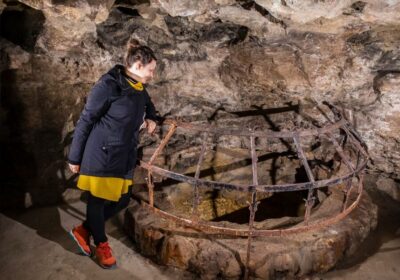 ★ 4.7Buda Castle Cave TourFrom $195,677 reviews
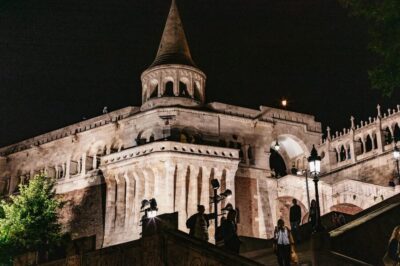 ★ 4.6Buda Castle District Vampires and Myths Night TourFrom $233,830 reviews
 ★ 4.5Buda Castle Walk with Saint Stephen’s HallFrom $293,012 reviews
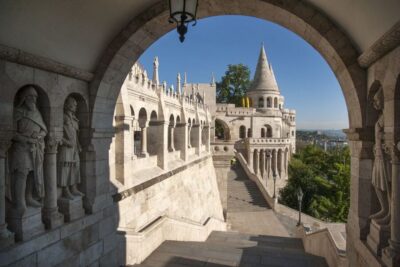 ★ 4.6Buda Castle District Walking TourFrom $142,108 reviews
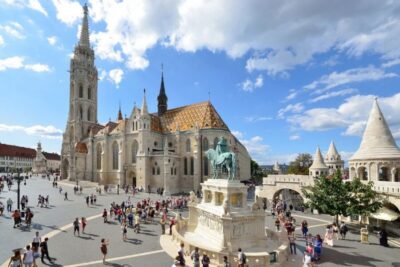 ★ 4.33-Hour Grand City Tour and Castle WalkFrom $491,437 reviews
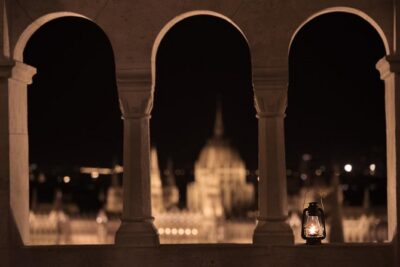 ★ 4.5Buda Castle District Dark History, Legends and Vampire Night TourFrom $211,240 reviews
 ★ 4.9Buda Castle District Walking Tour with a HistorianFrom $63867 reviews
 ★ 5.0Budapest Castle District Walking TourFrom $3630 reviews
Browse the lists this tour appears in