
Review · BUDA CASTLE DISTRICT
Budapest: Buda Castle Walking Tour & Folk Music Performance
Castle Hill tells its story in motion.
This 2 to 2.5 hour guided stroll through the Buda Castle District pairs classic monuments with a very personal finishing show.
I love two things most: the way the guide ties sites like Matthias Church and Fisherman’s Bastion to the people who lived there, and the fact that the tour ends with a live Hungarian folk performance.
One thing to consider, though, is that it’s a walking tour with outdoor stops, so you’ll want comfortable shoes and weather-smart clothing.
In This Review
- Key things to know before you go
- Holy Trinity Square start, then Castle Hill clicks into place
- Matthias Church and Fisherman’s Bastion, where the details matter
- Tárnok Street: the old-city time machine without the museum feeling
- Government buildings and the Pest panorama, including that funicular clue
- Royal Buda Palace: King Matthias, Renaissance culture, and the wine fountain story
- Budapest’s oldest confectioner and Sisi details you can actually use
- Tóth Árpád sétány, a scenic finish before the performance
- The Hungarian folk music performance is the real differentiator
- Price and value: what $58 buys you in a 2 to 2.5 hour format
- Who should book this tour, and who might skip it
- Should you book this Budapest Buda Castle walking tour with folk music?
- FAQ
- Where is the meeting point, and how can I recognize the guide?
- How long is the tour?
- What language is the tour in?
- Are entry tickets to monuments included?
- Does the tour run in bad weather?
- What should I bring or wear?
- Is the folk music performance included?
- What is the cancellation policy?
Key things to know before you go
- Licensed, English guide who explains the area in a story-first way, not just dates and names
- No monument entries included, so expect exterior viewing and plan on paying for tickets if you want inside visits
- Big Pest panoramas from Castle Hill viewpoints, with a funicular detail worked into the story
- Tárnok Street architectural mix, including building parts that trace back to around 500 years ago
- End-of-tour folk singing and dance, where you get both music and a bit of movement to follow
- Small-group or private options, which usually means you get more Q and A time
Holy Trinity Square start, then Castle Hill clicks into place
Most Buda Castle experiences start with a climb. This one starts with orientation.
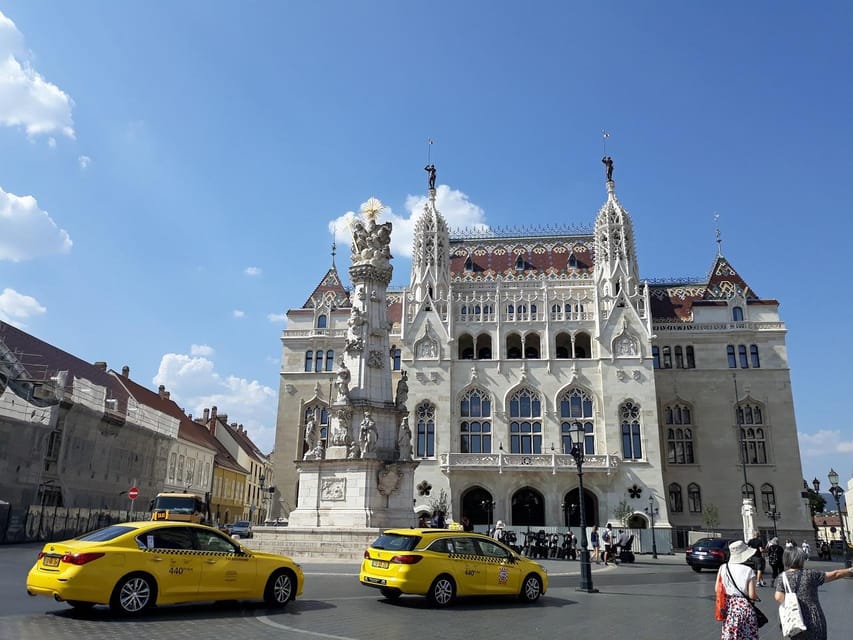
You meet in front of the Holy Trinity Statue at Szentháromság tér. The guide holds a board with the Maggino logo, a dark blue stork with an orange musical note in its beak, and the word MAGGINO underneath, so you can actually spot them quickly. If you like being ready from minute one, this meeting point setup is a plus.
From there, the guide builds the route as a story of power, faith, and everyday life on Castle Hill. You’ll feel the area go from a cluster of famous buildings into one connected place. That’s the real value here: you don’t just look at the sights, you learn how they relate.
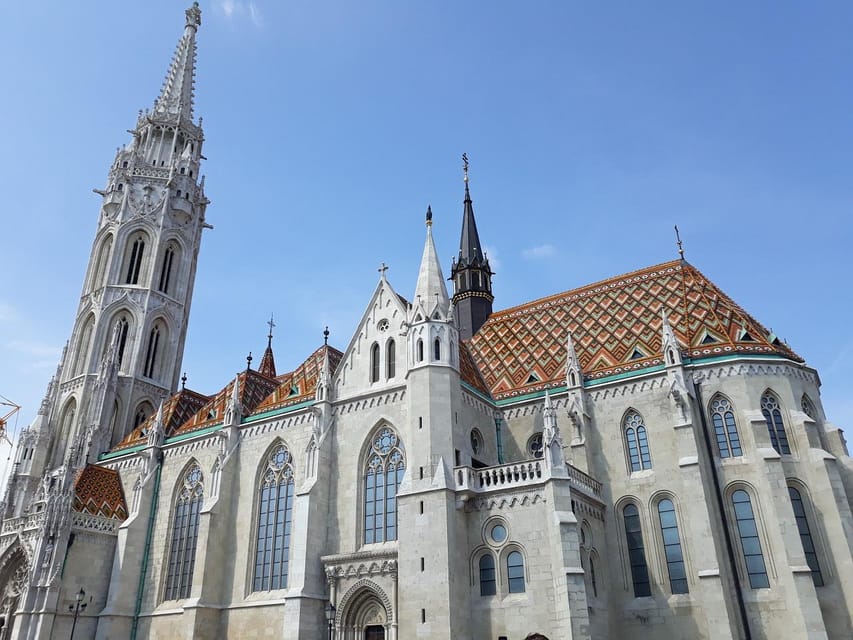
Matthias Church and Fisherman’s Bastion, where the details matter
Matthias Church is often photographed, but the guide’s job is to make it make sense. You’ll spend time there early, before the district gets busier and before your brain fully switches into sightseeing mode.
What I like about this first segment is that you get both the visual impact and the human context. The guide frames the church as part of a larger chapter of Hungarian history, and you’ll also hear the King Matthias connection later in the route, so the story gains momentum as you walk.
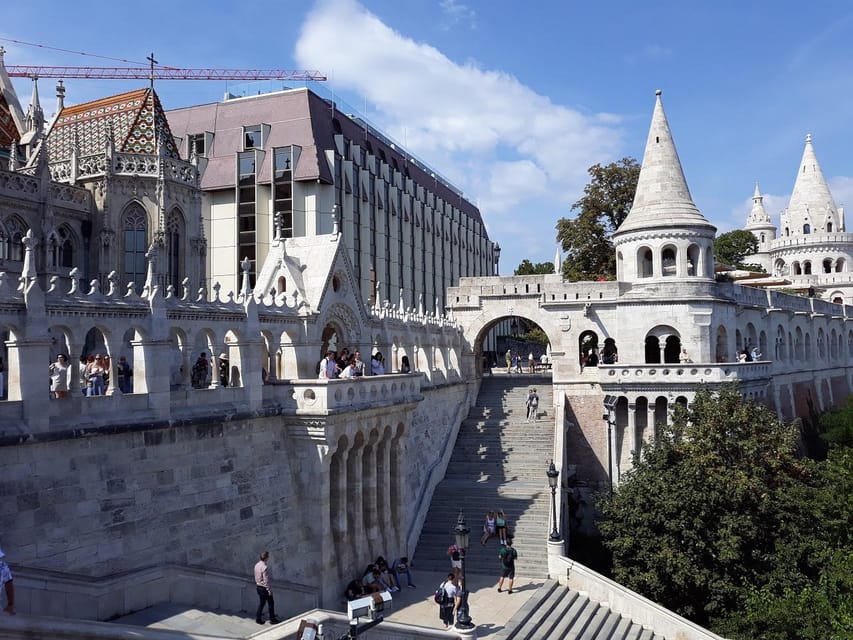
Next comes Fisherman’s Bastion, which can feel like a viewpoint first and a monument second. Here, it’s treated as both. The guide points out what makes it memorable visually, then returns to the theme of who shaped the castle district over centuries. If you enjoy architecture but also want the “why,” this pairing works well.
A possible drawback: both stops can be crowded at peak times. Nothing about the tour changes that, but a good guide can still keep the experience calm by pacing your walking and choosing where to stand for views.
Up on Castle Hill, a few other ways to do it
- Budapest: Buda Castle District Vampires and Myths Night Tour
★ 4.6 · 3,830 reviews - Budapest: Buda Castle Walk with Saint Stephen’s Hall
★ 4.5 · 3,012 reviews - Budapest: Buda Castle District Walking Tour
★ 4.6 · 2,108 reviews - Budapest: 3-Hour Grand City Tour and Castle Walk
★ 4.3 · 1,437 reviews
Tárnok Street: the old-city time machine without the museum feeling
After the big icons, you shift to something more atmospheric: Tárnok Street. This part of the walk is where the tour starts to feel less like a checklist and more like wandering with purpose.
You’ll pass through a street where you can spot multiple architectural styles that represent historical Hungary up to the end of the 19th century. The guide also calls out how some building parts date back nearly five hundred years, which is a neat way to understand that the castle district isn’t frozen in one era.
This is a good moment in the tour to ask questions, if you like doing that. One of the strongest themes from the guide style here is hospitality and interaction, so you’re not stuck listening the whole time. It also makes the later palace area easier to read, since you’ve already trained your eyes on what changed over time.
Practical tip: if you’re sensitive to uneven sidewalks or frequent transitions between open and enclosed spaces, this stretch is still manageable, but take your time and keep your footing. Comfortable shoes really do matter.
Government buildings and the Pest panorama, including that funicular clue
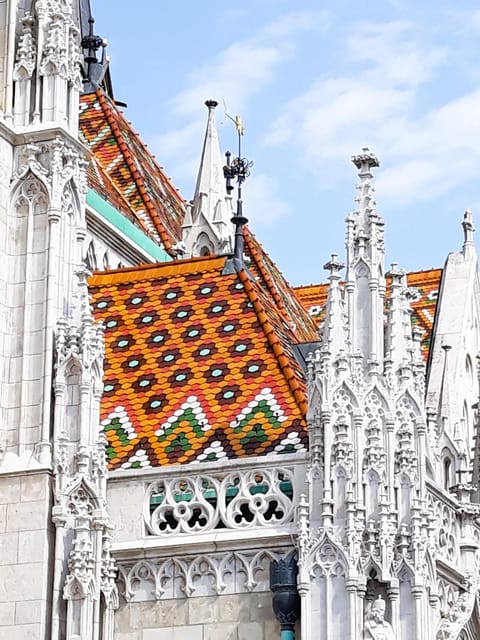
One of the best payoffs of this tour is the moment you get to step into a viewpoint where Pest suddenly feels close. You’ll visit spots that offer breathtaking views across the city, and you’ll also learn about the second funicular built in Europe.
The route includes a look at two major governmental buildings of Hungary. Since entry tickets aren’t part of the tour, you’re focused on exterior context and on how these institutions connect to the power story of the castle district. The guide’s spoken explanations are what turns “two buildings from the outside” into something you’ll remember.
If you’re the type who loves city views, this segment is for you. It’s also a good pacing reset between the heavy monuments and the Royal Buda Palace area.
Weather note: if visibility is poor, you might not get the same wow-factor from the Pest side. The tour runs in all weather conditions, so bring clothing you can handle outdoors, and you’ll still get the historical storytelling and the music at the end.
Royal Buda Palace: King Matthias, Renaissance culture, and the wine fountain story
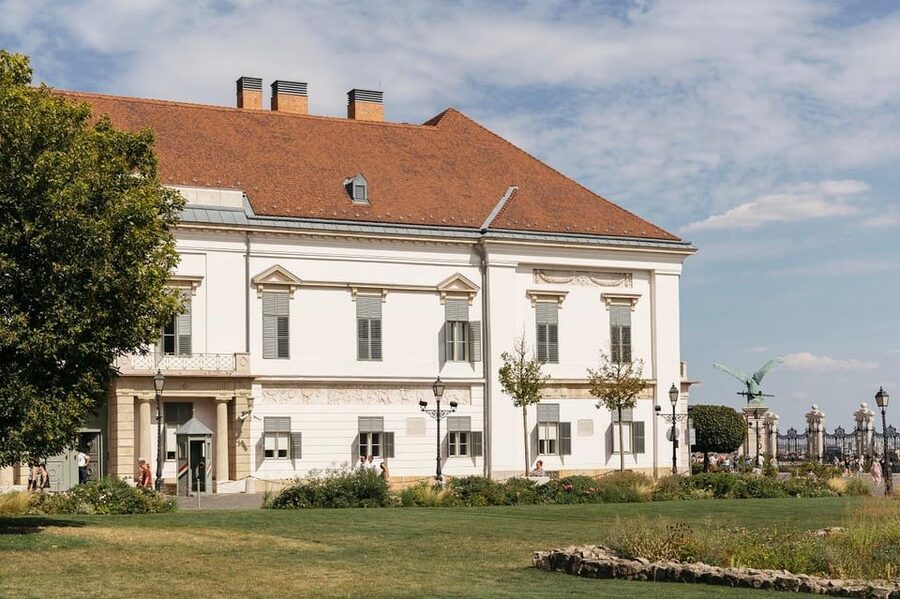
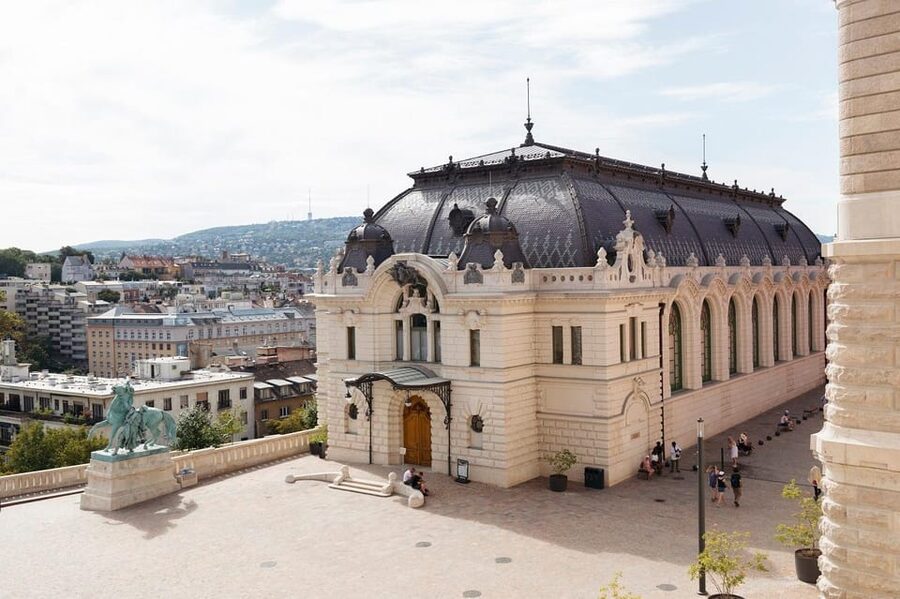
Then you reach the Royal Buda Palace, also known as Buda Castle. This is the part where the district’s name stops being a label and starts acting like a narrative center.
You’ll learn how the palace served as the royal seat of Hungarian rulers through the centuries. The guide doesn’t treat it as a single “old building,” but as a place shaped by changing rulers and changing tastes.
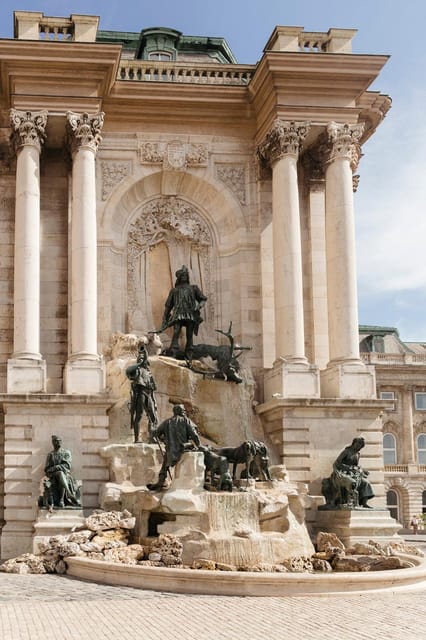
The King Matthias stories are a highlight. You’ll hear how Matthias helped turn Buda Palace into one of the Renaissance culture centers in Europe. That idea lands better when you’re standing in the space, not reading it in a guidebook.
One very specific detail you’re likely to hear is about granite fountains that bubbled with wine. Even if you take it as a vivid anecdote rather than a literal daily event, it helps you picture court life and celebration, not just architecture.
No entry tickets are included, so this is exterior-only viewing. Still, the guide’s framing makes the outside feel alive. If you want inside rooms, you’ll need to add those tickets separately.
Budapest’s oldest confectioner and Sisi details you can actually use

Here’s the part that makes the tour feel human. Along the way, you’ll hear about Budapest’s oldest confectioner and the pastries associated with it.
The guide connects the pastries to Queen Elisabeth, known as Sisi, Empress of Austria, Queen of Hungary. That link matters because it gives you a “so what” to the site: this wasn’t just food for locals, it had court-level appeal.
I like including food history because it helps you remember. After the serious palace and church chapters, you get a softer, everyday anchor. If you plan to snack after the tour, this section gives you something to look forward to.
One caution: the tour does not include alcohol, and alcohol is not allowed during the experience. So if you’re hoping to taste something during the walk, plan on doing that on your own after, when you’re not in the group and not dealing with tour rules.
Evenings with music, a few more we sat through



Tóth Árpád sétány, a scenic finish before the performance
As the walk moves toward the end, you’ll pass through Tóth Árpád sétány for scenic views on the way. This is a shorter section, but it plays an important role: it gives you a last look before the finale.
Think of it like the tour’s “cool-down.” You’ve done major monuments and palace storytelling. Now you get time to breathe and absorb the views while the guide pulls the threads together.
Then you head back to your starting area at Szentháromság tér. If you’re someone who likes a clean wrap-up, ending close to where you started makes it easy to continue exploring on your own afterward.
The Hungarian folk music performance is the real differentiator
This is where the tour becomes more than a walking tour.
At the end, your guide delivers a special Hungarian folk music performance with singing and traditional dance steps. The guide explains the songs and also physically shows dance moves, so you’re not just watching from a distance.
Why does this matter for your trip? Because music and movement change how you store memories. After you’ve walked through a district shaped by kings and churches, the folk performance reframes the region as something living and human, not just historic stone.
The guide style also seems consistent: friendly, expressive, and willing to bring personal stories into the explanation. In particular, one guide named Kristóf (Kristóf Kovács) has been praised for using family stories, including memories tied to a grandmother, to bring Hungarian culture to life. That personal layer is often what makes the performance feel heartfelt rather than rehearsed.
If you prefer hands-on experiences, the dance element is fun even if you’re not confident. You’ll get a chance to try a few simple steps or at least watch closely and learn what to focus on.
Price and value: what $58 buys you in a 2 to 2.5 hour format
At about $58 per person, you’re paying for more than sightseeing time. You’re buying a licensed, English-speaking guide plus an included live folk performance.
You should also factor in what’s not included. Monument entry tickets are not part of the tour, so this is not a “see inside everything” deal. You’re paying for context and for a guided route that uses the outdoors as a classroom.
Where the value feels strongest is the pacing and the end show. Many walking tours stop at the last monument and call it done. Here, you get a final cultural payoff that makes the ticket feel more complete.
If you’re traveling in a small group or privately, it can be even better value because you’ll likely have more room for questions. Reviews tied to this guide style repeatedly mention engaging interaction and how easy it is to feel included.
My practical takeaway: if you want a straightforward Castle Hill overview plus something cultural at the end, this price feels fair. If you want lots of inside museum time, you’ll need to add ticketed attractions separately.
Who should book this tour, and who might skip it
This tour fits you well if:
- You want an efficient way to understand the Buda Castle district without reading for hours
- You care about story connections, not just photo stops
- You like cultural additions like music and dance, especially when they’re explained as you go
- You prefer small groups or you want a more personal guide experience
You might skip it if:
- You hate walking and tight outdoor pacing, even with frequent stops
- You strongly prefer entry tickets and indoor time over exterior viewing
- You’re looking for a purely silent, self-paced photography walk
One more practical detail: the tour runs in all weather conditions. That’s good if you like steady plans. It does mean you should prepare for rain or wind, not just sunshine.
Should you book this Budapest Buda Castle walking tour with folk music?
I’d book it if your dream day in Budapest is part history walk, part city-view moment, and part culture performance that you feel in your body, not just your phone.
This experience is especially worth it when you want more than the usual Castle Hill circuit. The combination of Matthias Church and Fisherman’s Bastion, then the architectural texture of Tárnok Street, then King Matthias and palace stories, and finally a live Hungarian folk set gives you a full arc from past to culture.
If you’re deciding between doing only monument photos or doing a guided story walk, choose the guide. The included singing and dance are the kind of travel memory that doesn’t fade after you download your pictures.
FAQ
Where is the meeting point, and how can I recognize the guide?
You meet in front of the Holy Trinity Statue at Holy Trinity Square (Szentháromság tér). The guide holds a board with the Maggino logo, featuring a dark blue stork with an orange musical note in its beak, with MAGGINO written below.
How long is the tour?
The duration is listed as 2 to 2.5 hours.
What language is the tour in?
The tour is offered in English with a live guide.
Are entry tickets to monuments included?
No. The tour includes exterior visits only, and entry tickets for monuments are not included.
Does the tour run in bad weather?
Yes. The tour operates in all weather conditions, so plan for appropriate clothing.
What should I bring or wear?
Wear comfortable shoes for walking and bring weather-appropriate clothing. Water is recommended to stay hydrated.
Is the folk music performance included?
Yes. The tour includes a unique Hungarian folk music performance made by your guide, including singing and traditional dance steps.
What is the cancellation policy?
Free cancellation is available up to 24 hours in advance for a full refund.
More Tour Reviews in Budapest





Music Nights in Budapest




Still on Castle Hill




Reviewed recently around Budapest
- Audio visual multi-sensory chefs journey dinner experience★ 5.0 · 3 reviews
- Tapolca Cave Lake and Tihany/ Balaton private tour from Budapest★ 4.5 · 3 reviews
- SzentEndre-SaintAndrew City Privately Shopping and Picturesque★ 4.5 · 3 reviews
- Sightseeing flight over Budapest★ 5.0 · 3 reviews
- Self Guided Tour In Budapest With 100 Captivating Audio Stories★ 5.0 · 3 reviews
- Private Danube Bend Visegrad and Szentendre Tour With Transport★ 5.0 · 3 reviews
Buda Castle District, compared.
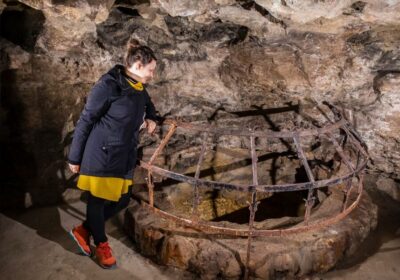 ★ 4.7Buda Castle Cave TourFrom $195,677 reviews
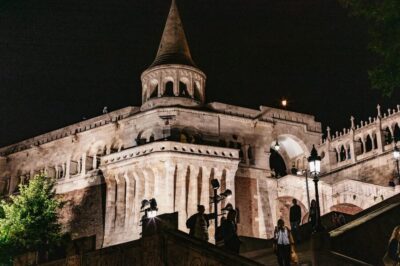 ★ 4.6Buda Castle District Vampires and Myths Night TourFrom $233,830 reviews
 ★ 4.5Buda Castle Walk with Saint Stephen’s HallFrom $293,012 reviews
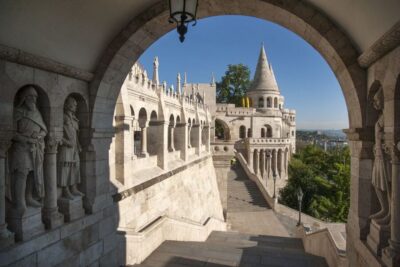 ★ 4.6Buda Castle District Walking TourFrom $142,108 reviews
 ★ 4.33-Hour Grand City Tour and Castle WalkFrom $491,437 reviews
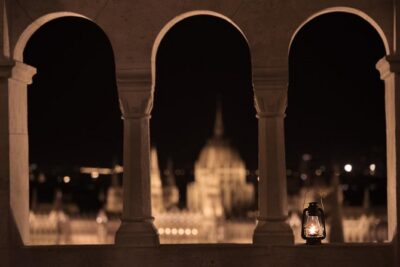 ★ 4.5Buda Castle District Dark History, Legends and Vampire Night TourFrom $211,240 reviews
 ★ 4.9Buda Castle District Walking Tour with a HistorianFrom $63867 reviews
 ★ 5.0Budapest Castle District Walking TourFrom $3630 reviews
Browse the lists this tour appears in