
Review · ST STEPHENS BASILICA
Budapest: Classical Music Concerts in St Stephen’s Basilica
A classical concert inside a Budapest landmark.
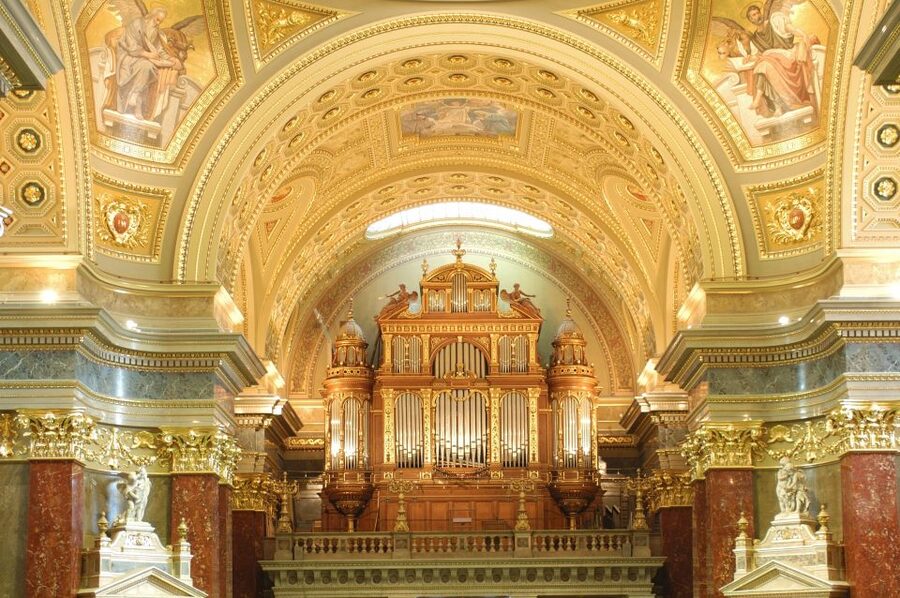
St. Stephen’s Basilica gives you that rare combo of world-famous setting plus live chamber-level performances, with programs built around major works like Mozart’s Requiem, plus organ-focused nights.
I particularly love the variety of concert programs and how you can match the music to your taste. I also like that the ticket is built for a one-evening plan, about 60 to 70 minutes, so you’re not sacrificing your whole day in Budapest.
One consideration: the basilica experience can be physically mixed. Expect strong reverberation (beautiful, but sometimes echo-heavy) and basic seating, including benches that may feel uncomfortable for some people.
In This Review
- Key things to know before you go
- Why St. Stephen’s Basilica makes the music feel bigger
- The 3 concert programs, what you’ll actually hear, and who they fit
- Option 1: Mozart’s Requiem (the heavy-hitter night)
- Option 2: Organ concert with Bach, Handel, Vivaldi, and guest singers
- Option 3: Ave Maria Air and Alleluja-style nights (with date variations)
- Quick decision guide
- Price and value: is $70 per person worth it?
- Where the night starts: entering the Basilica without stress
- Seating classes, VIP reality, and the truth about assignments
- What you’ll see and do during the 70-minute concert
- Sound, comfort, and the small physical realities people forget
- The sound is usually excellent, with one trade-off
- Temperature and seating comfort
- Restrooms: know the timing
- December 30 venue change: how to avoid the classic disappointment
- Who should book this, and who might prefer something else
- Should you book?
- FAQ
- How long is the concert?
- Where is the meeting point?
- What programs can I choose from?
- Will the concert always be at St. Stephen’s Basilica?
- Are the seats assigned?
- Is wheelchair access available?
- Is there free cancellation, and can I pay later?
Key things to know before you go
- Three concert choices centered on big names like Mozart, Bach, Handel, Vivaldi, and classic Ave Maria favorites
- Four seating classes, with VIP often working as first-come positioning rather than assigned seats
- Basilica atmosphere counts, and several pieces are designed to feel made for this space
- Timing is tight (about 60 to 70 minutes), so arrive early for the best seat and an easy entry
- Sound is part of the trade-off, since reverberation can be strong in such a large stone room
- Venue can change on December 30, when the concert is at Matthias Church instead of the Basilica
Why St. Stephen’s Basilica makes the music feel bigger
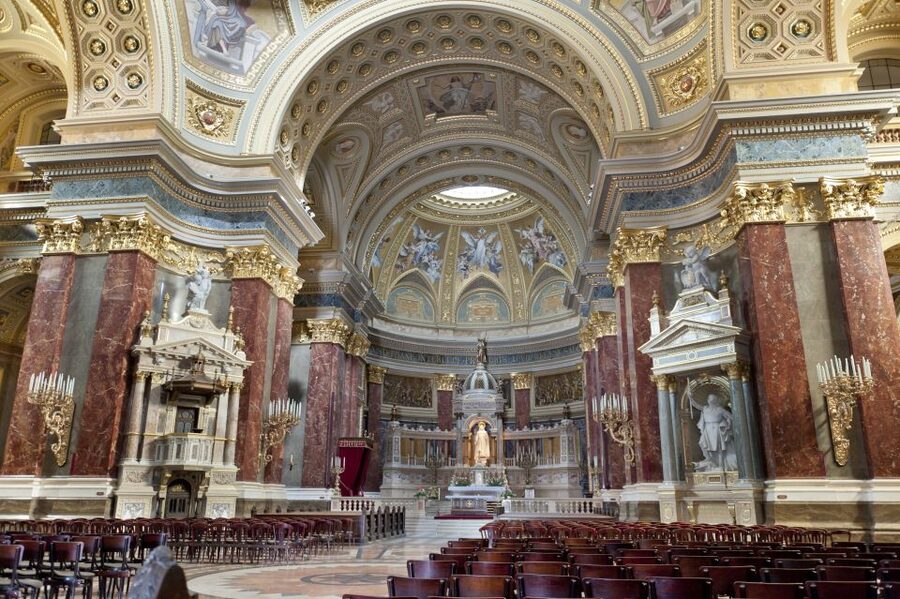
If you love classical music, you already know the score matters. But here, the building matters as much as the notes.
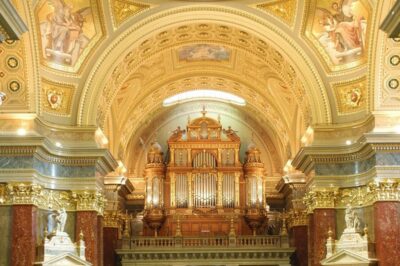
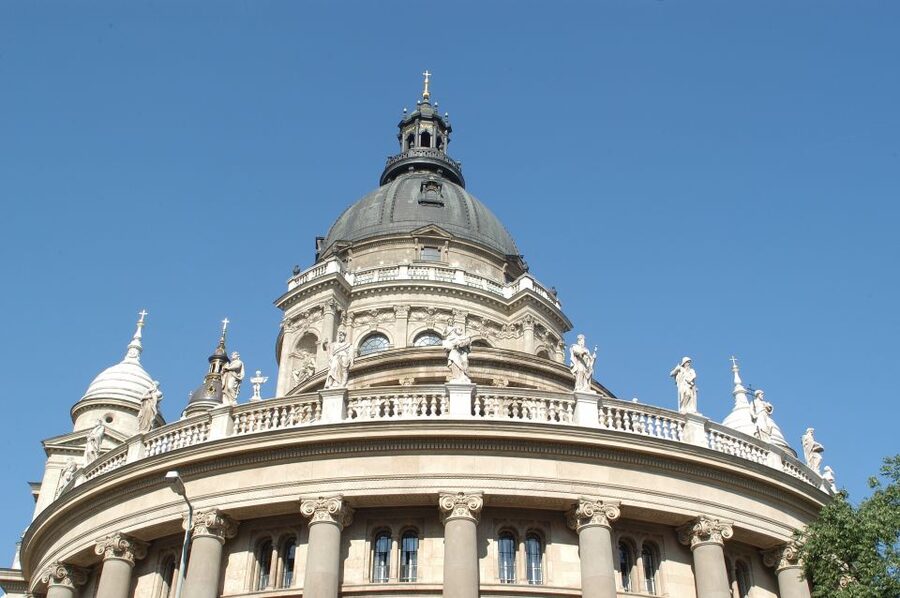
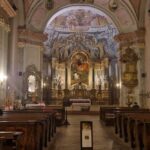
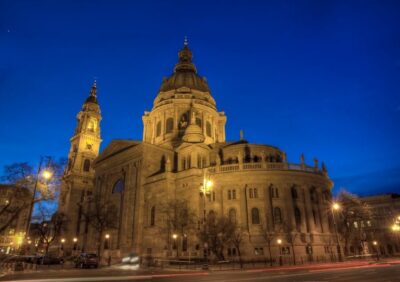
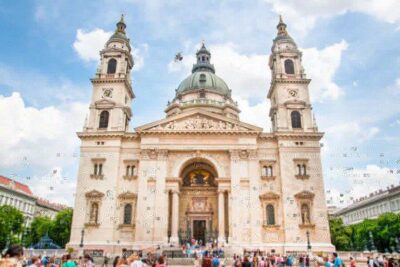
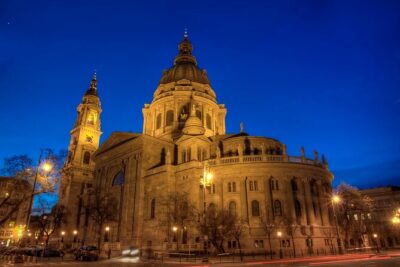
St. Stephen’s Basilica is neo-classical in style, and at night it turns into a warm-lit interior space that feels ceremonial, not touristy. You walk in, take your seat, and the place itself starts doing work for the music. One of the best parts is that you get that effect fast, no long pre-show process needed.
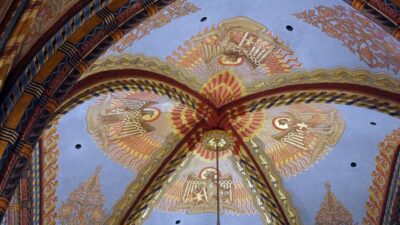
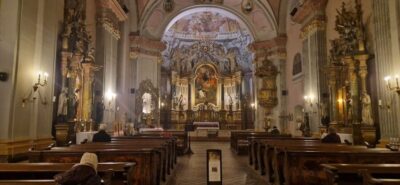
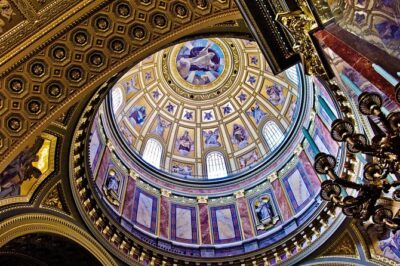
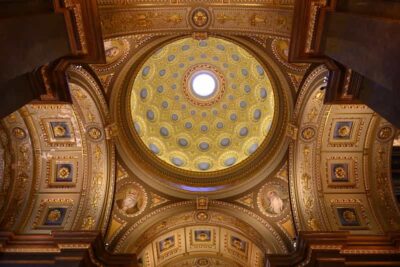
This is also a smart Budapest “first evening” activity. The location is right in the city center, and after the concert you’re in an area where it’s easy to continue your night with dinner nearby. Several people describe the interior details as a kind of extra show while you’re waiting for the performance to begin.
The 3 concert programs, what you’ll actually hear, and who they fit
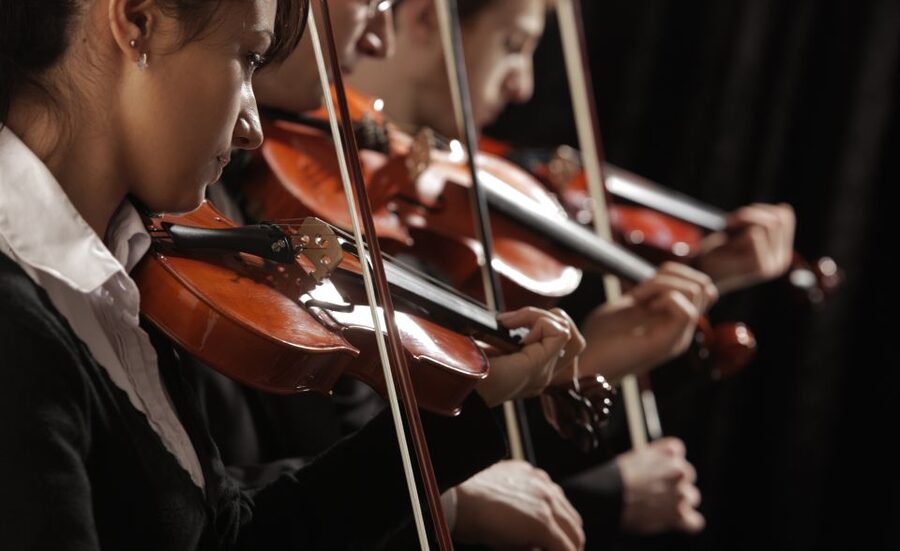
The experience is built around three different concert options, and the exact setlist changes by day. That flexibility is a real value, because it lets you choose the night that matches how you want to feel.
Inside the Basilica: other entries and concerts we checked
- Budapest: St. Stephen’s Basilica Entry with Terrace Option
★ 4.5 · 6,399 reviews - Budapest: Classical Music Concerts in St Stephen’s Basilica
★ 4.7 · 1,479 reviews - Budapest: Organ Concert in St. Stephen’s Basilica
1,299 reviews - Organ Concert in the St. Stephen’s Basilica
★ 4.0 · 173 reviews
Option 1: Mozart’s Requiem (the heavy-hitter night)
On the Requiem program, you’re in for W. A. Mozart’s Requiem in D minor, K 626, with movements including Introitus, Kyrie, Dies Irae sections, and the famous Lacrimosa and Lux Aeterna. This is the kind of concert that doesn’t just sound classical, it sounds dramatic.
If you want a “main event” evening, this is the pick. The Requiem sequence is emotionally varied, but it moves like one long statement. It also gives vocalists and soloists lots of moments to show control, especially in the Kyrie and the Dies Irae suite.
Best fit: people who want a serious, layered vocal program, not just background music.
Option 2: Organ concert with Bach, Handel, Vivaldi, and guest singers
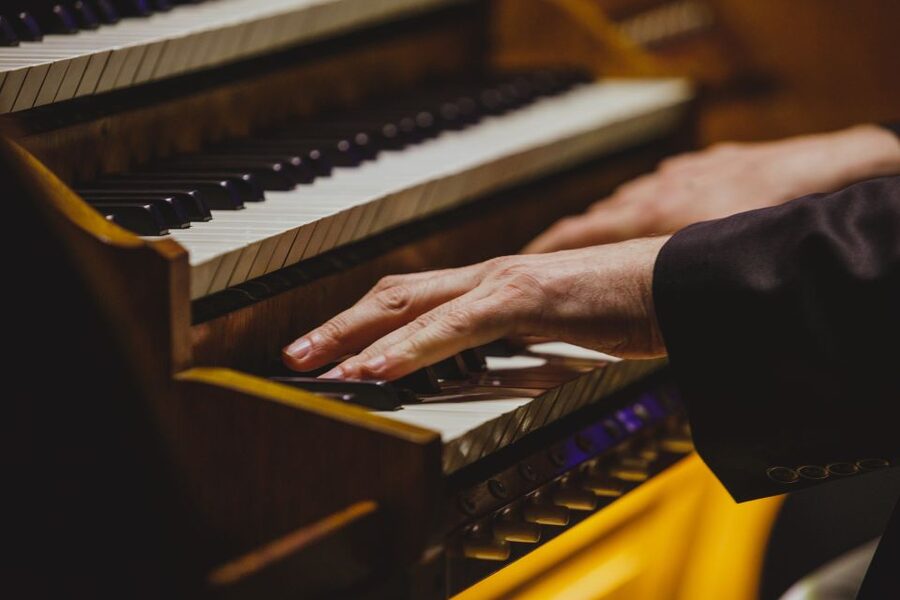
This option leans into keyboard and church favorites, with an organ spotlight plus vocal and instrumental highlights depending on the day. Expect pieces like:
- J. S. Bach: Toccata and Air
- G. F. Handel: Messiah, Rejoice
- G. F. Handel: Xerxes, Largo
- A. Vivaldi: The Four Seasons, Winter (Largo)
- C. W.idor: Toccata from the Organ Symphony No. 5
- Ch. Gounod: Ave Maria
- C. Franck: Panis Angelicus
- Plus classics like Schubert Ave Maria and Mozart Alleluja material (as listed for that day)
One review sums up the feeling well: the basilica makes the music feel close and cinematic, even though the performance is only about an hour.
Best fit: people who want recognizable classics and enjoy organ writing, plus a few vocal moments like Ave Maria and similar lyrical highlights.
Option 3: Ave Maria Air and Alleluja-style nights (with date variations)
This program is built around sung and lyrical favorites, especially Ave Maria moments, plus other well-known classical pieces that suit a church setting. One set includes:
- J. S. Bach: Air
- Handel: Messiah, Rejoice
- Albinoni: Adagio
- Purcell: Dido and Aeneas, When I am laid in Earth
- Gounod: Ave Maria
- Handel: Xerxes, Largo
- Schubert: Ave Maria
- Vivaldi: The Four Seasons, Winter
- Mozart: Requiem, Lacrimosa and Alleluja from Exultant, Jubilate
There’s also a specific variant on December 25 and December 31 that uses a similar structure but includes additional pieces listed for those dates.
Best fit: people who want an evening that feels comforting and melodic, with lots of vocal texture and church-friendly orchestral colors.
Quick decision guide
- If you want the most dramatic classic, choose the Mozart Requiem night.
- If you want the biggest church-organ energy with crowd-pleasers, choose the Organ concert option.
- If you want lyricism and Ave Maria-style favorites, choose Ave Maria Air and Alleluja.
Evenings with music, a few more we sat through
Price and value: is $70 per person worth it?
At $70 per person for a show around 60 to 70 minutes, the value comes down to one question: do you want your classical music in a top-tier, unforgettable venue?
Here’s why I think the price can make sense. You’re paying for:
1) Ticket access to St. Stephen’s Basilica at night, which is a major part of the experience
2) A program with high-recognition composers, including major works like Mozart Requiem and Bach/Handel/Vivaldi staples
3) Professionals performing in a dedicated concert setting, not a casual background arrangement
What’s not included is food and drinks, so think of it as the “one paid anchor” of your evening. If you’re already planning to be in the center, this is a clean add-on: one ticket, one time slot, one unforgettable room.
Where the price might feel steep is if you dislike reverberant acoustics or if you have a low tolerance for uncomfortable benches. There are also small inconsistencies day to day, like one person wishing the pipe organ was used more in their particular performance.
Where the night starts: entering the Basilica without stress
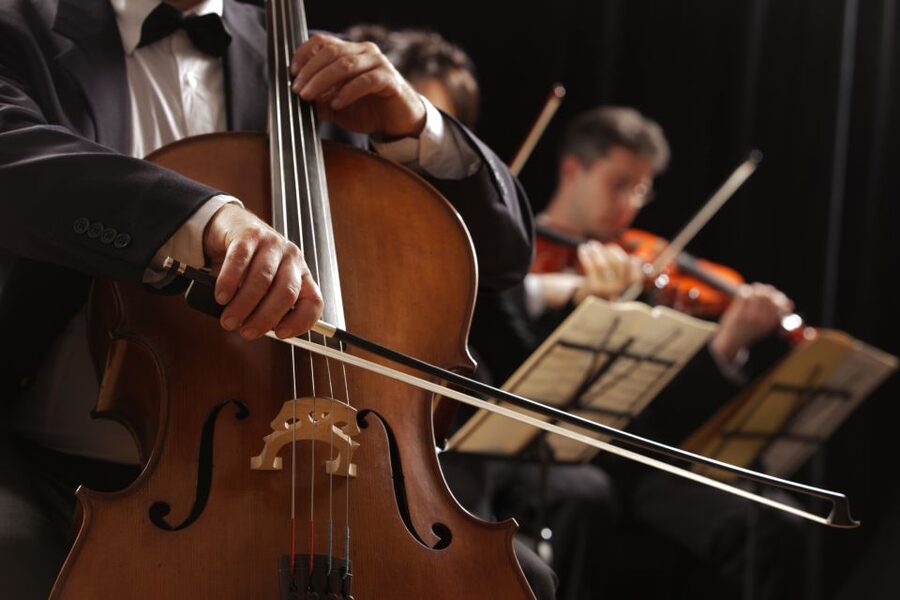
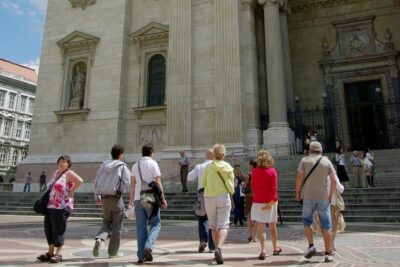
Your meeting point is listed as St. Stephen’s Basilica, Budapest, Szent István tér 1, 1051 Hungary. From the reviews, the practical reality is a bit more specific: you may be routed to a side entrance rather than the main line.
So here’s my advice: arrive early and use the basilica entry area to find staff or the entrance the organizers are using that night. One review noted that arriving early helped, and that people entered through a side door even if the front looked like the main entrance. Another pointed out a mismatch between where people are instructed to wait and where the shortest entry route actually is.
If you want the best odds of getting a good seat, arrive with a little buffer. Multiple reviews mention early arrival as the difference between average seating and something much better.
Seating classes, VIP reality, and the truth about assignments
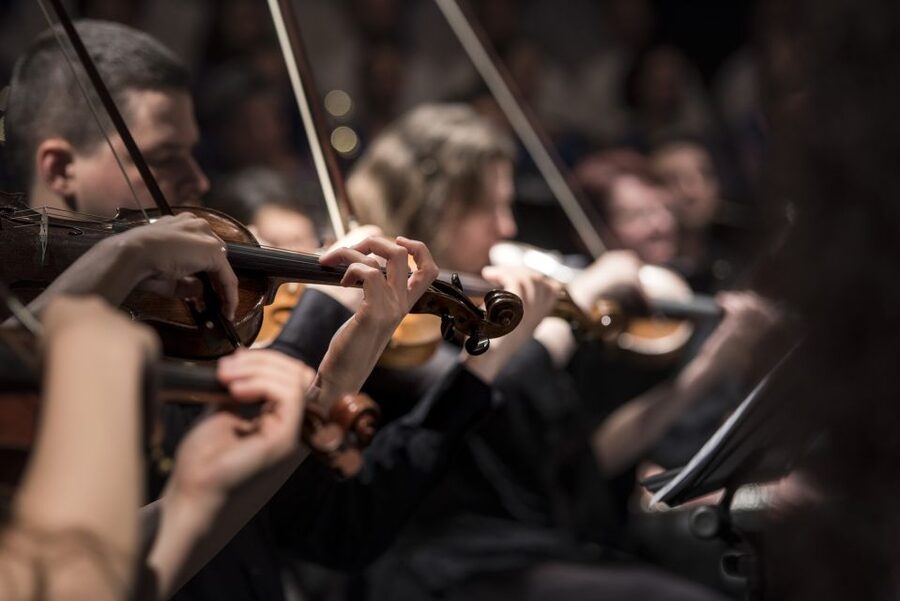
You’ll have four seating categories, and that’s the main lever for your budget. However, several reviews add an important nuance: seats are not assigned, and VIP can work as first-come positioning.
That means two things for your planning:
- If you buy a higher category, you still need to show up early to get the benefit.
- If you arrive late, even a good ticket level might land you in a less desirable spot.
One person described being seated in a front row from VIP, which makes sense with the first-come approach. Another said their seating expectation was not matched, and the guide support wasn’t clearly there when they needed it. That’s why I recommend you treat the seating as flexible, not guaranteed.
A helpful strategy: if your top priority is being close to the stage, don’t treat your arrival time as the start time. Treat it as the moment you want to be already settled.
What you’ll see and do during the 70-minute concert
This is a simple, low-friction evening plan:
1) You enter the basilica and settle.
2) The ensemble performs live.
3) You leave and continue your Budapest evening.
There isn’t time for wandering around in the middle, so think of it as a focused program with basilica viewing happening before the music settles. One review even described the music as something that feels like a soundtrack while you’re already taking in the interior details.
In practical terms, the experience works like this:
- The venue is spacious, and you might notice how the room changes your perception of volume and clarity.
- Soloists can sound very present, especially in vocal moments.
- Instrumental details come through, but the stone and dome also add reverb, so clarity can vary by piece.
Sound, comfort, and the small physical realities people forget
This is where you should go in with clear expectations.
The sound is usually excellent, with one trade-off
Many reviews praise acoustics, especially for singers and orchestral moments. But at the same time, at least one review warned that reverberation can be very strong, describing reverb as near maximum.
So you’ll likely have one of two experiences:
- The sound feels gorgeous and atmospheric, especially with vocal music.
- Or it feels a little echoey, where fast passages blur slightly.
If you’re the kind of listener who wants studio-style clarity, that reverb might bug you. If you love church acoustics, you’ll probably eat it up.
Temperature and seating comfort
Comfort varies by season and the building’s conditions. One review mentioned no heating, so dress warmly. Another said it was surprisingly warm inside. That tells me conditions aren’t perfectly consistent.
And yes, benches can be uncomfortable. One review specifically mentioned uncomfortable bench seating. Another said the seats felt basic, which is common in historic buildings.
Bring a travel-appropriate layer and plan for a short sit that might not be ideal for long legs.
Restrooms: know the timing
A useful heads-up from a review: the restroom inside can be accessible before the concert, but may be locked after the performance begins or when you exit. If you want an easy bathroom stop, do it before the music starts.
December 30 venue change: how to avoid the classic disappointment
There’s one key detail you must check: the December 30 concert takes place in Matthias Church, not St. Stephen’s Basilica.
Matthias Church is on Castle Hill and is reachable from the city center, but it’s not next door. So before you head out, confirm that same-day info for your date. If you’re booking expecting St. Stephen’s specifically, this is the one variable that can change the whole vibe of the evening.
Who should book this, and who might prefer something else
This is a strong fit for:
- Classical music fans who want famous composers in a major landmark setting
- People who want a short, satisfying evening plan in Budapest
- Anyone who enjoys vocal highlights like Ave Maria moments
You might think twice if:
- You hate strong echo or you need crystal-clear sound the way headphones do
- You’re very sensitive to seating comfort and long bench sitting
- You’re going on December 30 without realizing the venue switches to Matthias Church
If your trip style is “pick one standout cultural moment,” this belongs on the shortlist.
Should you book?
I’d book it if your goal is a classic Budapest evening with a big-name musical program and a church interior that makes the whole night feel ceremonial.
Do it especially if you like the composers listed for the night you’re choosing, because the program is the heart of the experience. And if you care about seating, plan to arrive early, since higher categories often act like first-come positioning.
Just double-check your date for the December 30 venue change, pack a warm layer for comfort, and accept that the sound will be part echo, part brilliance. If that sounds like your kind of classical night, this is a very worthwhile purchase.
FAQ
How long is the concert?
It runs about 1 hour to 70 minutes.
Where is the meeting point?
The meeting point is St. Stephen’s Basilica, Budapest, Szent István tér 1, 1051 Hungary.
What programs can I choose from?
You can choose among three concerts, including a Mozart Requiem program, an organ-focused concert with composers like Bach and Handel, and an Ave Maria Air and Alleluja-style set (with some date-specific variations).
Will the concert always be at St. Stephen’s Basilica?
No. The December 30 concert is held at Matthias Church on Castle Hill instead of St. Stephen’s Basilica.
Are the seats assigned?
The provided info says there are seating classes, and reviews indicate seats are not assigned, with VIP behaving like first-come positioning.
Is wheelchair access available?
Yes, the experience is listed as wheelchair accessible.
Is there free cancellation, and can I pay later?
Free cancellation is available up to 24 hours in advance for a full refund. You can also reserve now and pay later.
More Tour Reviews in Budapest





Music Nights in Budapest



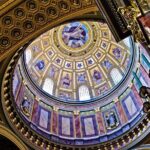
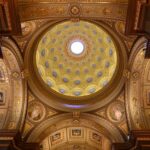
Under the Basilica Dome


Reviewed recently around Budapest
- Audio visual multi-sensory chefs journey dinner experience★ 5.0 · 3 reviews
- Tapolca Cave Lake and Tihany/ Balaton private tour from Budapest★ 4.5 · 3 reviews
- SzentEndre-SaintAndrew City Privately Shopping and Picturesque★ 4.5 · 3 reviews
- Sightseeing flight over Budapest★ 5.0 · 3 reviews
- Self Guided Tour In Budapest With 100 Captivating Audio Stories★ 5.0 · 3 reviews
- Private Danube Bend Visegrad and Szentendre Tour With Transport★ 5.0 · 3 reviews
St Stephens Basilica, compared.
 ★ 4.5St. Stephen’s Basilica Entry with Terrace OptionFrom $96,399 reviews
 Organ Concert in St. Stephen’s Basilica1,299 reviews
 ★ 4.8St Stephen’s Basilica TourFrom $211,277 reviews
 ★ 4.0Organ Concert in the St. Stephen’s BasilicaFrom $34173 reviews
 ★ 4.5Saint Stephen’s Basilica TourFrom $21142 reviews
 ★ 4.9St.Stephen’s Basilica Grand Organ Concert TicketsFrom $6125 reviews
 ★ 4.5Budapest Christmas Walking Tour & Entry to St Stephen’s BasilicaFrom $10620 reviews
 ★ 4.5St.Stephen’s Basilica: Grand Organ Concert & TicketFrom $6218 reviews
Browse the lists this tour appears in