
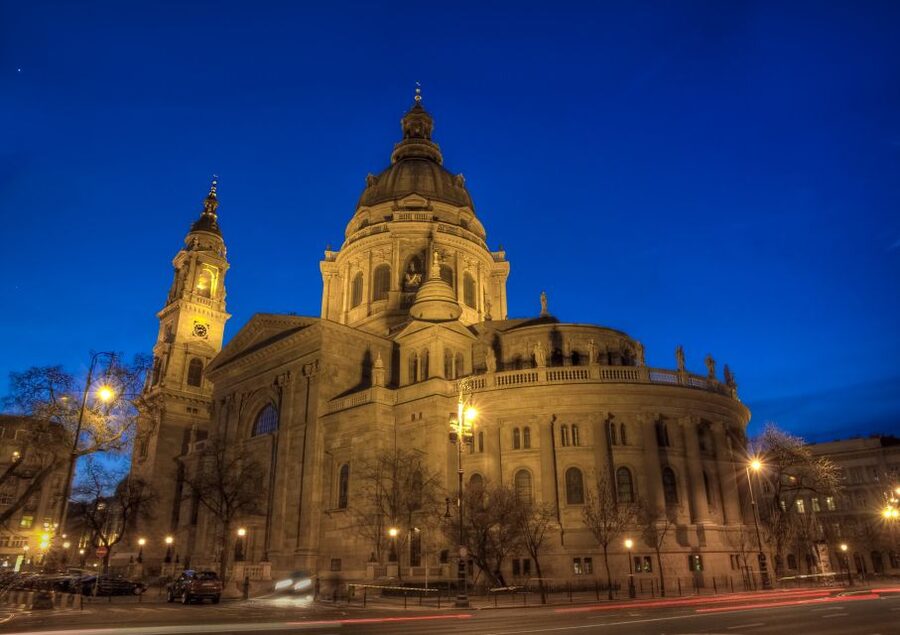
Review · ST STEPHENS BASILICA
Budapest: Organ Concert in St. Stephen’s Basilica
Music in Budapest, tuned for your ears.
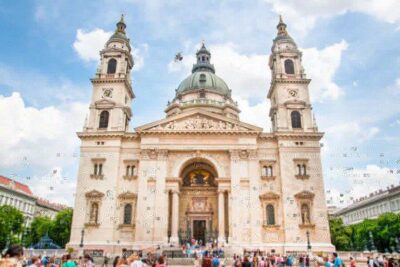
This organ concert happens inside St. Stephen’s Basilica, one of the city’s most striking neo-classical landmarks. You’ll hear Hungarian star Kolos Kováts alongside a flute performance by Eleonóra Krusic, plus contributions from Miklos Teleki, all shaped into a program that moves from Baroque gravity to operatic drama.
Two things I really like: the lineup of composers is varied but still coherent, and the show includes both vocal writing (with Kováts) and flute color (with Krusic). One thing to keep in mind, especially if you’re planning tightly, is that only concert tickets are included, and pickup or drop-off isn’t part of the deal, so you’ll want to reach the basilica on your own and be there by 19:40.
In This Review
- Key moments you’ll remember
- St. Stephen’s Basilica at 19:40: the venue matters here
- Ticket rows I, II, III: how to choose without overthinking
- The performers: Kolos Kováts and flute color from Eleonóra Krusic
- The music program: Mozart, Baroque voices, Verdi prayer, and Bach muscle
- Mozart: Fantasie in F minor, K 506
- Stradella: Pietà Signore
- Albinoni: Adagio
- Liszt and Saint-Saëns: Legend in A major (St. Francis and the birds)
- Verdi: Prayer of Fiesco from Simone Boccanegra
- Bach suite colors: Polonaise, Minuet, Badinerie from Suite in B minor, BWV 1067
- Bach finale: Toccata and Fugue in D minor, BWV 565
- What this concert gives you as a Budapest evening plan
- Practical value: what’s included, what’s not, and how to plan your night
- Should you book this Budapest organ concert?
- FAQ
- Where does the concert take place?
- What time should I arrive?
- Who are the performers listed for this concert?
- Is pickup or drop-off included?
- What’s included in the ticket price?
- What ticket categories are available?
- Which composers are in the program?
- Who is the experience provider?
Key moments you’ll remember
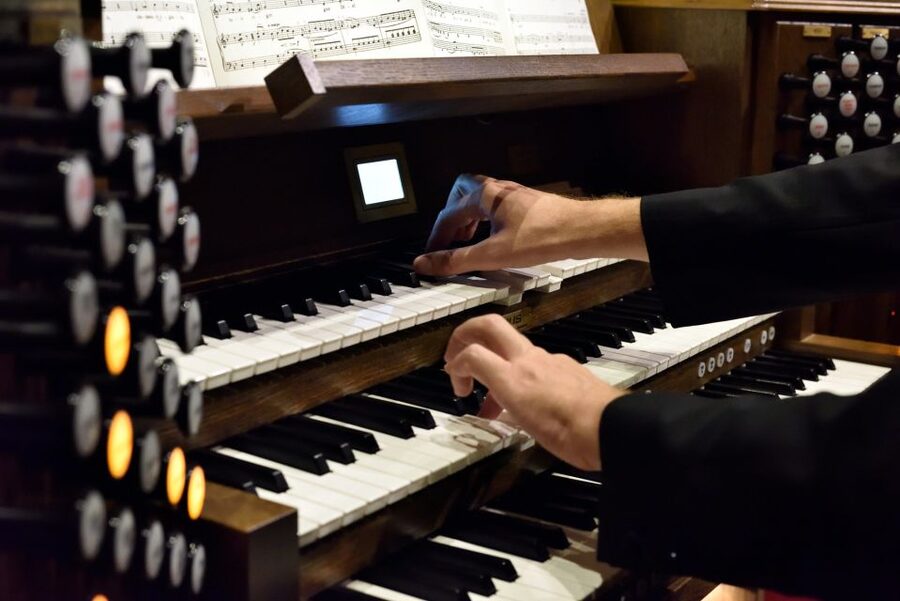
- St. Stephen’s Basilica setting: you’re listening to organ in a space that’s visually impressive, not just acoustically relevant.
- Kolos Kováts as the vocal anchor: he’s a major Hungarian concert and oratorio singer with major national prizes.
- Eleonóra Krusic on flute: the flute adds a lighter, more conversational layer to the organ sound.
- A program that crosses styles: Mozart, Baroque composers, Verdi, and Bach all share the stage.
- Ticket choice by row: categories I, II, III map to rows 1 to 26, so seat selection matters.
St. Stephen’s Basilica at 19:40: the venue matters here
Plan to be at St. Stephen’s Basilica by 19:40. That timing is important because you’re arriving for a seated concert, not a casual walk-in museum moment, and you’ll want a little buffer to find your row and settle in.
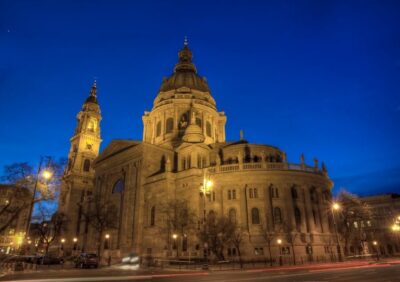
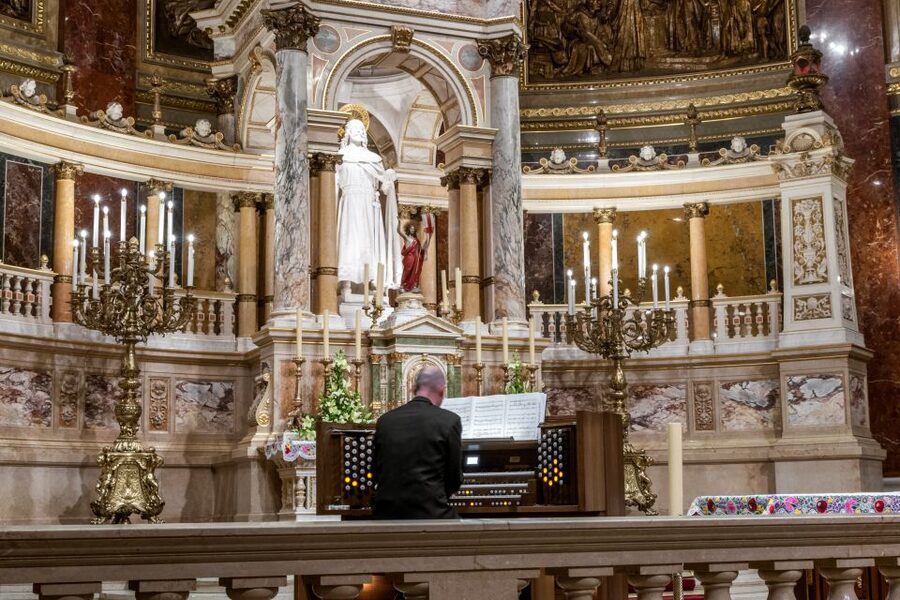
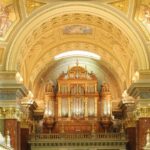
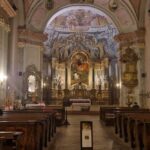
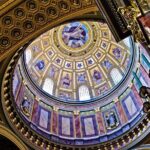
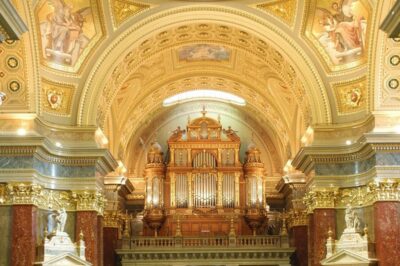
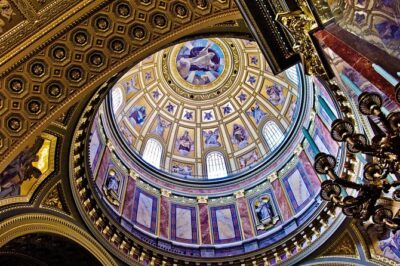
Even if you’ve seen photos, the basilica hits differently in person. The neo-classical design gives you that formal, ceremonial feel right away, and the space helps frame the organ sound as something bigger than a solo act. It’s also a central, easy-to-find landmark, which helps when you’re trying to build a simple evening in Budapest.
One more practical note: the experience provider is Hungaria Koncert Ltd., and the included item is just concert tickets. That means your “success” for the evening largely depends on showing up on time and getting yourself to the right seat category before the music starts.
Ticket rows I, II, III: how to choose without overthinking
You’ll see three ticket categories based on seating rows:
- I Category: rows 1 to 6
- II Category: rows 7 to 16
- III Category: rows 17 to 26
If you’re the kind of person who likes to see performers more clearly, Category I is the most direct choice because it puts you closest (rows 1 to 6). If you want a middle-ground option, Category II (rows 7 to 16) usually gives you a solid view and keeps you near enough that you’ll feel part of the performance rather than watching from the back.
Category III (rows 17 to 26) can still be a good value if you’re more focused on hearing the music than on visual detail. In a basilica, organ and vocal performances often carry well, so you’re not necessarily “wasting” your ticket from farther back. Still, being farther from the front does mean you may rely more on sound than on seeing subtle performer cues.
My simple rule: if you’re going on a special night and want the strongest overall experience, pick Category I. If you’re optimizing your budget, Category II is a sweet spot, and Category III is fine when sound is your priority.
Inside the Basilica: other entries and concerts we checked
- Budapest: St. Stephen’s Basilica Entry with Terrace Option
★ 4.5 · 6,399 reviews - Budapest: Classical Music Concerts in St Stephen’s Basilica
★ 4.7 · 1,479 reviews - Budapest: Organ Concert in St. Stephen’s Basilica
1,299 reviews - Organ Concert in the St. Stephen’s Basilica
★ 4.0 · 173 reviews
The performers: Kolos Kováts and flute color from Eleonóra Krusic
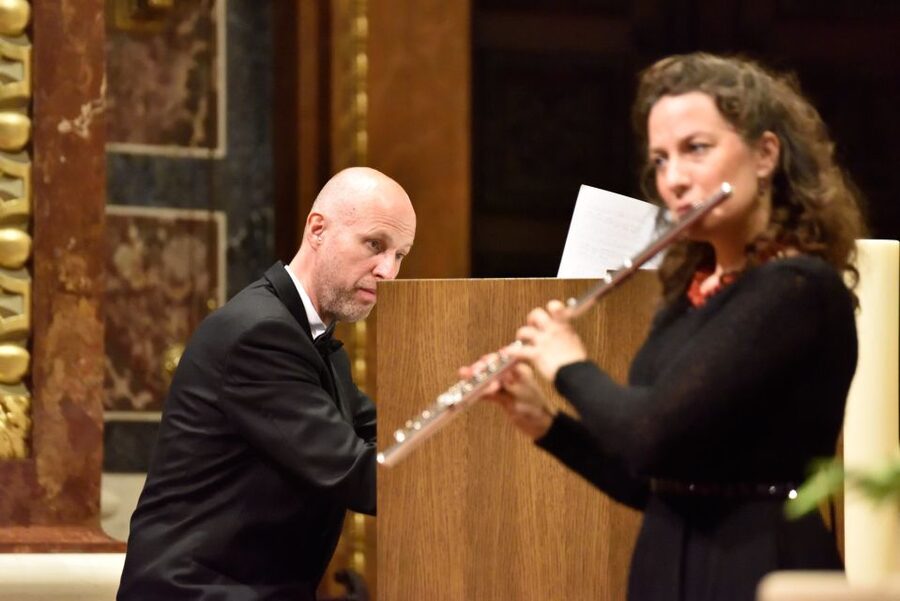
This isn’t just an organ recital. The concert blends multiple voices and instruments, with Kolos Kováts serving as the vocal highlight.
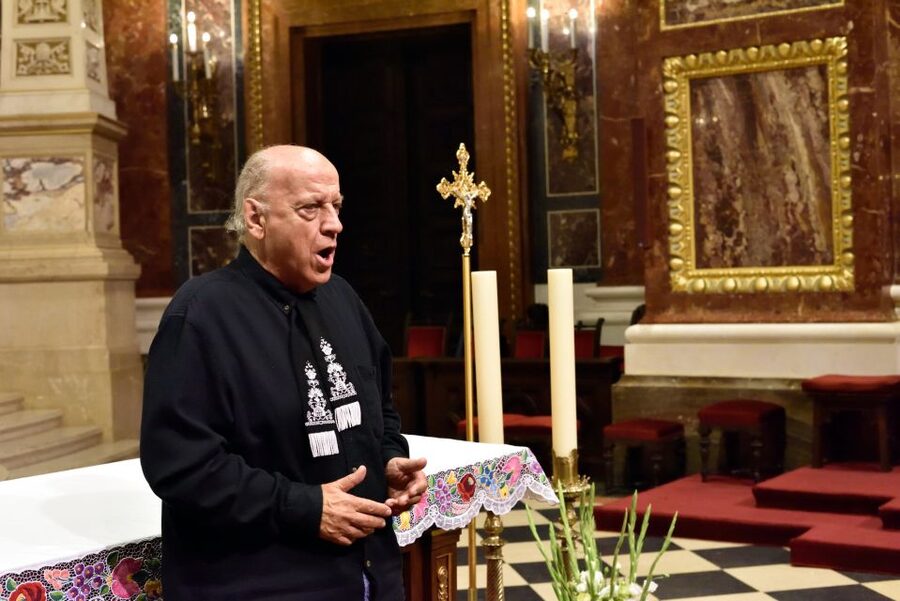
Kolos Kováts is one of Hungary’s best-known concert and oratorio singers, and the credentials listed for him are impressive: the Liszt Ferenc prize, Merit of Art, and the Kossuth Prize. That matters for you because it signals interpretive skill, especially in pieces that lean dramatic or devotional, like the Verdi aria that’s included in this program.
You also get Eleonóra Krusic on flute. The information provided says she has played many times and in many orchestras in Hungary and abroad over recent years. In practice, that kind of experience usually shows up as musical steadiness, especially when you’re balancing flute lines with organ.
Then there’s Miklos Teleki, who appears as part of the performance lineup. The program is centered on the basilica concert setting, so you can expect a polished, professional performance rather than a casual ensemble night. Even if you don’t know the performers by name, the structure of the program suggests you’ll be following clear musical arcs.
The music program: Mozart, Baroque voices, Verdi prayer, and Bach muscle
The program is built like a journey. You start with a mood, shift into baroque emotion, move into romantic spirituality, and then land in Bach, which is where the organ can really flex.
Here’s the sequence you’ll hear:
Mozart: Fantasie in F minor, K 506
Mozart’s F minor fantasy sets a serious tone early. Fantasies are often about momentum and contrast rather than strict predictability, so it’s a strong opener for an evening where you’re going from different styles in sequence.
Stradella: Pietà Signore
Then comes Alessandro Stradella with Pietà Signore. This is the kind of vocal-friendly, prayerful writing that pairs naturally with a singer like Kováts. If you like music that feels human and expressive, this is where the evening starts speaking directly to you.
Evenings with music, a few more we sat through
Albinoni: Adagio
Tomaso Albinoni’s Adagio slows things down. An adagio in this context is usually a test of control and legato, and it also gives your ears a moment to adjust to the basilica’s sound.
Liszt and Saint-Saëns: Legend in A major (St. Francis and the birds)
LISZT Ferenc and Camille Saint-Saëns are both credited for Legend in A major, tied to St. Francis of Assisi’s Sermon to the Birds. Even without getting overly literal, you can expect a lyrical, story-like quality. This is often the part of a mixed program that feels like a scene, not just a collection of pieces.
Verdi: Prayer of Fiesco from Simone Boccanegra
Giuseppe Verdi’s Prayer of Fiesco brings operatic intensity. This is not background music. It tends to be emotionally direct, and with a major oratorio singer like Kováts involved, you’ll likely hear careful phrasing that makes the text feel weighty.
Bach suite colors: Polonaise, Minuet, Badinerie from Suite in B minor, BWV 1067
Next, you get the lighter Bach touch: Polonaise, Minuet, and Badinerie. These are short, character-driven movements, and they often work well after the heavier vocal pieces. Think of them as musical portraits, changing costumes quickly while still sounding unmistakably Bach.
Bach finale: Toccata and Fugue in D minor, BWV 565
You end with Bach’s Toccata and Fugue in D minor. This is one of the most famous organ works on the planet, and it makes sense as a closer because it delivers both speed and structure. If you want the evening to land with power, this final selection is the right kind of loud.
What this concert gives you as a Budapest evening plan
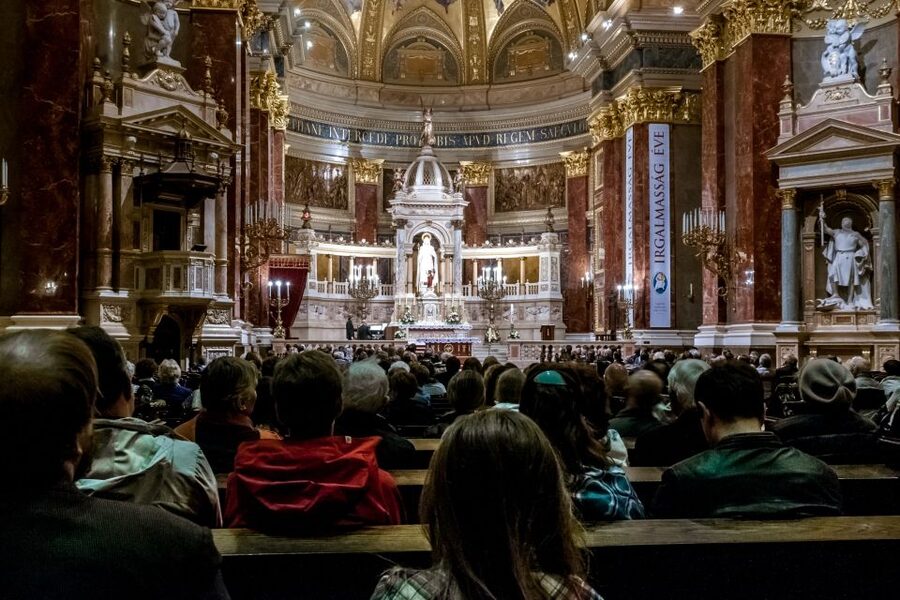
If you’re already doing the usual big sights, this experience is a smart counterbalance. You still get a central landmark, but instead of another photo stop, you get an event with a clear start, a focused program, and professional musicians.
It’s also genuinely international in taste without being generic. You’re hearing Mozart, Stradella, Albinoni, Liszt with Saint-Saëns, Verdi, and Bach, so your evening won’t feel stuck in one century or one mood. And because Kováts and Krusic are part of the lineup, it’s not just organ, which makes the program feel more varied than a standard “all organ” night.
Who is this best for?
- People who like classical music but are okay with a “mixed program” format
- Visitors who want a high-quality, sit-down cultural activity in a landmark church
- Anyone who wants a break from walking, without feeling like they picked something low-effort
If your plan is very tight, the meeting time helps. You’re not guessing when to arrive, and you can build your dinner around getting there by 19:40.
Practical value: what’s included, what’s not, and how to plan your night
What’s included is straightforward: concert tickets. That’s it. There’s no mention of guides, food, drinks, or transportation in what’s provided, so you should plan to cover those on your own if you want them.
What’s not included is pickup and drop-off. So unless you already have an easy way to reach the basilica, you’ll want to account for transit time. This matters because you don’t want a late arrival to turn your evening into stress.
The provider is Hungaria Koncert Ltd., and the meeting point is St. Stephen’s Basilica at 19:40. With that clarity, you can plan your evening like a pro: eat earlier, route yourself to the basilica, then arrive with enough time to find your row and settle.
Even if you’re not a hardcore music nerd, the value here is simple. You get a famous venue, a structured program that covers multiple composers, and performances that include voice and flute. That’s a lot of artistic variety for one ticketed evening.
Should you book this Budapest organ concert?
I think it’s a strong booking if you want a classic Budapest night that isn’t just sightseeing. The best reasons to go are the mix of organ, voice, and flute, the presence of major names like Kolos Kováts, and a program that moves through Mozart, Baroque works, Verdi prayer, and ending with Bach’s big D minor finale.
I’d hesitate only if you’re strictly interested in one genre, like only Bach organ works, or if you strongly prefer all-in logistics. Since pickup and drop-off are not included, you’ll need to get to St. Stephen’s Basilica on your own and be there by 19:40.
FAQ
Where does the concert take place?
It takes place at St. Stephen’s Basilica in Budapest.
What time should I arrive?
Please come to St. Stephen’s Basilica at 19:40.
Who are the performers listed for this concert?
The highlights name Miklos Teleki and Kolos Kováts, and the flute performance is by Eleonóra Krusic.
Is pickup or drop-off included?
No. Pick-up and drop-off are not included and are available at an additional cost.
What’s included in the ticket price?
The provided information says concert tickets are included.
What ticket categories are available?
There are three categories based on seating rows: Category I (rows 1 to 6), Category II (rows 7 to 16), and Category III (rows 17 to 26).
Which composers are in the program?
The program includes works by Mozart, Stradella, Albinoni, Liszt, Saint-Saëns, Verdi, and Bach.
Who is the experience provider?
The provider is Hungaria Koncert Ltd.
More Tour Reviews in Budapest




Music Nights in Budapest


Under the Basilica Dome


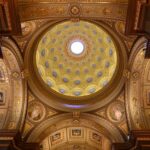
Reviewed recently around Budapest
- Audio visual multi-sensory chefs journey dinner experience★ 5.0 · 3 reviews
- Tapolca Cave Lake and Tihany/ Balaton private tour from Budapest★ 4.5 · 3 reviews
- SzentEndre-SaintAndrew City Privately Shopping and Picturesque★ 4.5 · 3 reviews
- Sightseeing flight over Budapest★ 5.0 · 3 reviews
- Self Guided Tour In Budapest With 100 Captivating Audio Stories★ 5.0 · 3 reviews
- Private Danube Bend Visegrad and Szentendre Tour With Transport★ 5.0 · 3 reviews
St Stephens Basilica, compared.
 ★ 4.5St. Stephen’s Basilica Entry with Terrace OptionFrom $96,399 reviews
 ★ 4.7Classical Music Concerts in St Stephen’s BasilicaFrom $701,479 reviews
 ★ 4.8St Stephen’s Basilica TourFrom $211,277 reviews
 ★ 4.0Organ Concert in the St. Stephen’s BasilicaFrom $34173 reviews
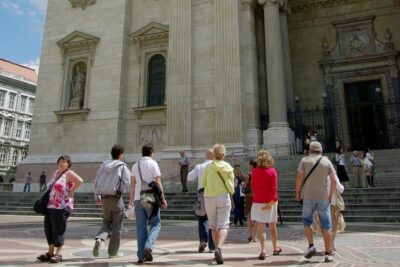 ★ 4.5Saint Stephen’s Basilica TourFrom $21142 reviews
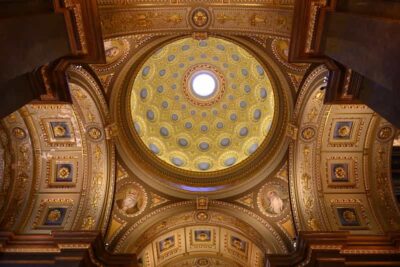 ★ 4.9St.Stephen’s Basilica Grand Organ Concert TicketsFrom $6125 reviews
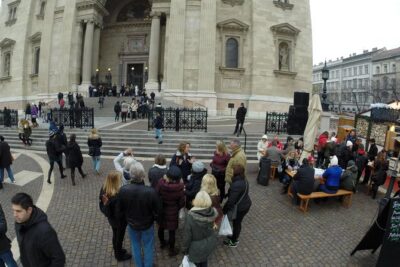 ★ 4.5Budapest Christmas Walking Tour & Entry to St Stephen’s BasilicaFrom $10620 reviews
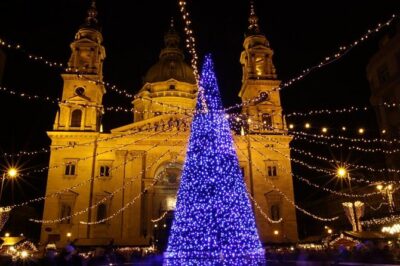 ★ 5.0Budapest Christmas Market Tour with Basilica visit & Chimney cakeFrom $14018 reviews
Browse the lists this tour appears in