
Review · BUDA CASTLE DISTRICT
Budapest: Castle District Walking Tour
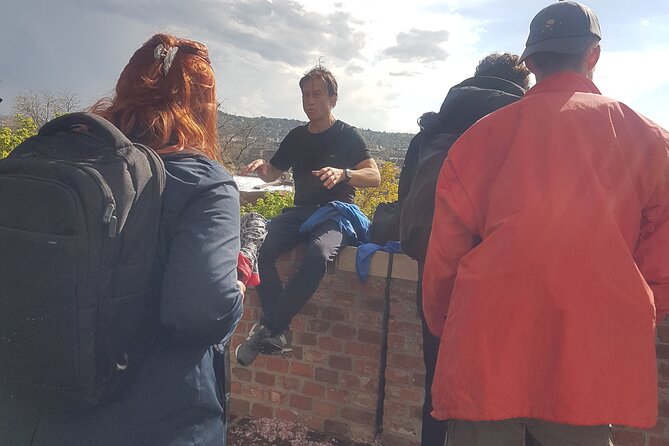
Budapest’s Castle District feels like a whole chapter book. This guided walk takes you up Buda Castle Hill with an easy route, plus stories that turn landmarks like Matthias Church and Fisherman’s Bastion into real Budapest context. I also love that you can ask questions as you go, not just listen and hope the light is good.
You’ll cover the big sights without the usual scavenger hunt. The walk is built around major stops, plus details like urban public art mini monuments, lookout terraces over the Danube, and even a look at the underground cave system.
One possible drawback is physical effort. The tour includes an uphill stretch and stairs, so you’ll want comfortable shoes and to be ready for a moderate climb.
In This Review
- Key highlights to look for
- Meeting at Batthyány tér, then stepping into Castle Hill
- The guide’s job: make the buildings make sense
- Royal Palace area: rebuilding after destruction, and what to notice
- Matthias Church: the stop that makes the whole district click
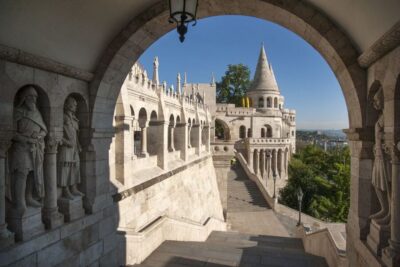
- Fisherman’s Bastion: symbols, stories, and a view that hits
- Jewish Prayer House and baroque streets: a different side of the hill
- Gül Baba and Ottoman connections, plus pilgrimage details
- Underground Castle Hill: defense, labyrinths, and the hidden structure
- Public statues, huszár fighters, and the humor of Budapest
- Pest panorama, pacing, and what to do with the last minutes
- Price and value: how $2.27 fits a tipped walking tour
- Who should book this Castle District walk
- Should you book this Budapest Castle District Walking Tour?
- FAQ
- Where does the tour start?
- How long is the walking tour?
- Is the tour guided in English?
- What should I wear and bring?
- How strenuous is the walk?
- How big are the groups?
- Where does the tour end?
- Who is this tour not suitable for?
Key highlights to look for
A tight 2-hour route through the Castle District, designed to save you time and keep you moving
Matthias Church and Fisherman’s Bastion as your main picture points, explained in context
Jewish and Ottoman stories including the Medieval Jewish Prayer House and the site tied to Gül Baba
Underground defenses and labyrinth talk, plus how Castle Hill functioned over centuries
Fun Budapest character moments like huszár fighter references and the funniest public statues
An end-of-tour Q and A moment so you leave with practical next steps
Meeting at Batthyány tér, then stepping into Castle Hill
Your tour starts at the Batthyány tér metro exit, about 15 meters from St. Anna Church. You’re looking for a guide holding a royal blue flag, and the spot is easy to reach once you’re at the right metro exit.
This is also one of those tours where the meeting point setup matters. The area has public toilets and a nearby food market, which helps because Castle Hill walking is not exactly a sit-down experience.
Plan to arrive a little early, especially if you need to refill water. The itinerary includes a climb, and the info also asks for moderate physical fitness plus a roughly 10-minute uphill walk.
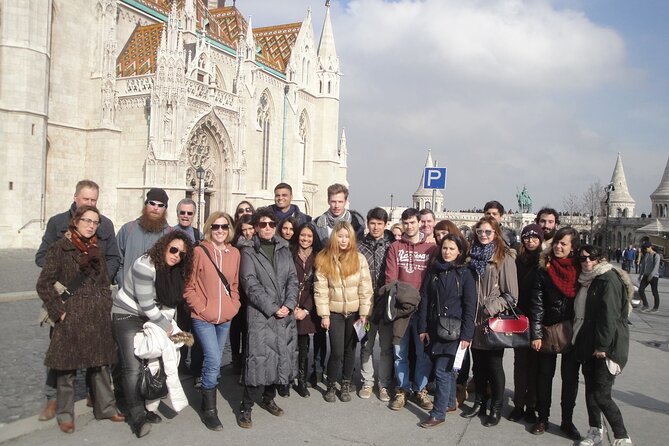
The group is capped at 30 people, so you usually get enough interaction time to ask questions. It is not a huge bus-tour style setup, and that makes it feel more like a guided stroll with structure.
The guide’s job: make the buildings make sense
What I like most about this tour format is that it turns sightseeing into a guided reading of the district. The guide covers about 800 years of Castle Hill, including wars and occupations, but also what everyday life looked like for German, Jewish, and Hungarian communities in the area.
Instead of treating each stop as a standalone postcard, you connect the dots. One moment you’re learning about the Royal Palace area, the next you’re hearing why certain symbols matter, and then you’re hearing how the underground spaces played into defense.
You’ll also get practical local explanations that help you understand what you’re seeing on your own later. For example, the guide addresses the different crosses you may notice on the buildings, including what people mean when there is one, two, or three strips.
There is also a section where the guide ties landmarks to surprises. The tour mentions a connection between Walt Disney and Fisherman’s Bastion, and it also includes a tip for getting a free view from Castle Hill, which is exactly the kind of thing you want after you’ve already paid to learn the area.
On top of that, you’ll hear pointers about where the president and prime minister offices are located. Even if you do not plan to visit those buildings up close, understanding where power sits in the city helps the district feel more than just scenery.
Up on Castle Hill, a few other ways to do it
- Budapest: Buda Castle District Vampires and Myths Night Tour
★ 4.6 · 3,830 reviews - Budapest: Buda Castle Walk with Saint Stephen’s Hall
★ 4.5 · 3,012 reviews - Budapest: Buda Castle District Walking Tour
★ 4.6 · 2,108 reviews - Budapest: 3-Hour Grand City Tour and Castle Walk
★ 4.3 · 1,437 reviews
Royal Palace area: rebuilding after destruction, and what to notice
As you work your way through the Castle District, you focus on the big architectural anchor points first. The tour includes the massive building that once served as the residence of the Hungarian kings, and the key detail here is that it was rebuilt many times due to war damage.
That matters because Budapest looks old even when it is not. When you know why a structure changed over time, you read it differently, especially when you compare what is visible today to the story you’re hearing from the guide.
You can also expect stops connected to the Maria Magdalena Church Tower, which adds another layer to the skyline views. Even if towers are just towers to you at first, the guide’s framing helps you spot why each one sits where it does and what role it played in the district’s identity.
If you’re the type who likes to ask questions mid-walk, this is a good tour for that. The structure includes time for Q and A at the end, and the guide also encourages curiosity as you go.
Matthias Church: the stop that makes the whole district click
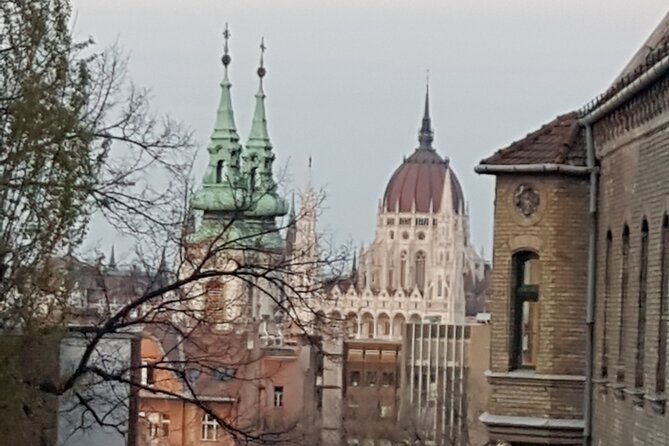
Matthias Church is one of the standout sites in the Castle District lineup, and the tour uses it as a core reference point. You’re not just there to take pictures, you’re there to learn what you’re looking at and why it ended up being such a focal point.
This is a church area where details matter. The guide explains the broader district story while also tying in the specific place you’re standing, which helps you avoid the common mistake of forgetting what you learned five minutes later.
You also get a sense of how the district shifts from grand public spaces to more residential and community-linked areas. That flow is part of what makes the walking tour efficient, because it keeps you from zigzagging across the hill without a plan.
Fisherman’s Bastion: symbols, stories, and a view that hits
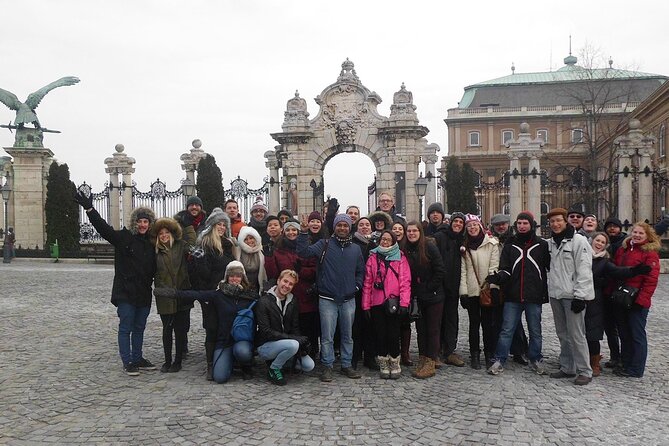
Fisherman’s Bastion is practically a ritual stop in Budapest, and this tour is built to help you understand the site beyond the obvious photos. The guide connects the area to the Walt Disney story mentioned on the tour, which is worth knowing before you start looking for meaning in the details.
You’ll also get specific explanations about what you’re seeing. The tour explicitly includes the explanation of the cross variations you might notice with one, two, or three strips, which is exactly the kind of detail most first-time visitors never figure out on their own.
There’s also a promise of a free view from Castle Hill, and the point is simple. Once you know which terrace or viewpoint gives you the photo without extra hassle, you can plan your independent time better after the tour.
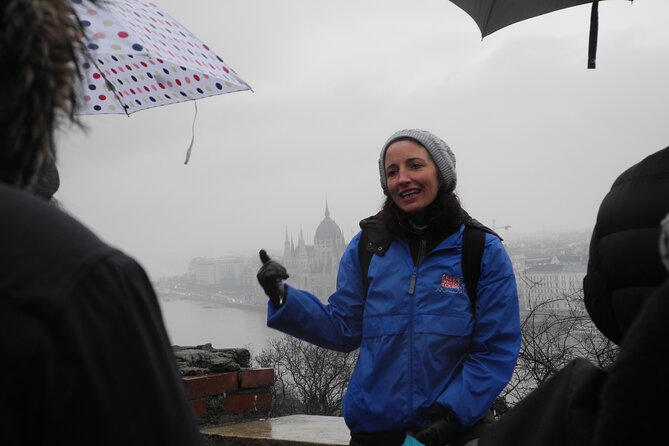
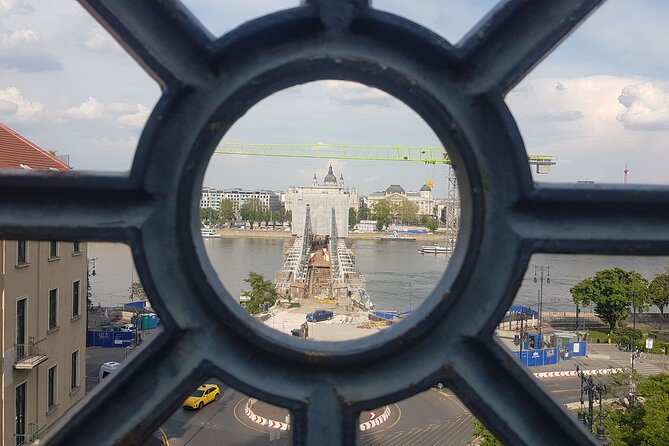
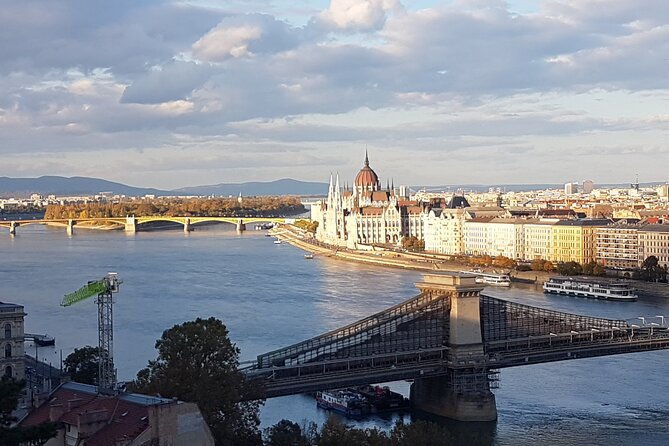
And yes, the views are the payoff. You’ll get to soak in the panorama over the Danube, looking toward Pest. This is where the Castle Hill walking pays off, because the river and the Parliament-side skyline sit in your frame like they belong there.
Jewish Prayer House and baroque streets: a different side of the hill
This tour does not keep you stuck in royal and church-only history. It includes the Medieval Jewish Prayer House and the beautiful baroque residential buildings around it, which gives you a broader map of how people lived on Castle Hill, not just who ruled there.
One of the more important things the guide covers is how the district’s history shows up in everyday life. You’re hearing about wars and occupations, but you’re also getting how German, Jewish, and Hungarian populations experienced the area.
If you like architecture, this part is also a good lesson in reading a neighborhood. You see religious history in one spot, then you’re walking through residential details that help you understand how community life would have fit into the same terrain.
The guide also points out what was destroyed during WWII and where the Nazi stronghold was. The tour does not sugarcoat that, but it helps you understand why the current street and building feel the way they do today.
Other Budapest walks at a similar pace

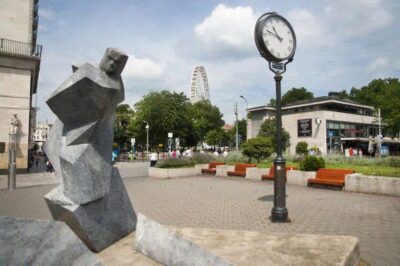
Gül Baba and Ottoman connections, plus pilgrimage details
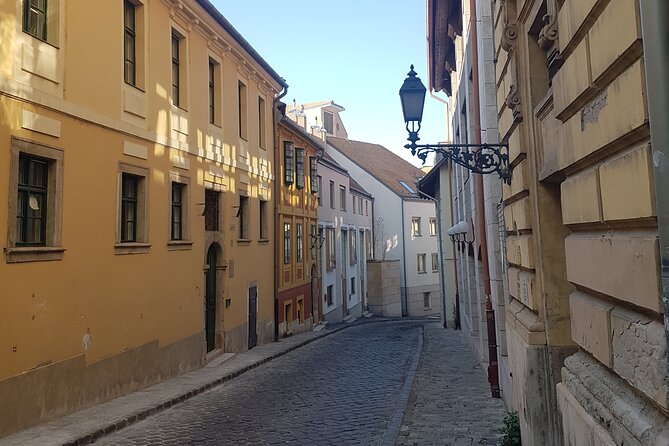
Another side of Castle Hill that the tour highlights is the Ottoman Turkish connection tied to Gül Baba. The tour mentions the site connected to Gül Baba, an Ottoman monk and soldier, and treats it as part of Budapest’s layered story.
What I find useful about including this is that it changes the way you interpret the district’s symbols. Instead of a one-note story, you get a city that traded hands, absorbed cultures, and left visible reminders behind.
The guide’s framing helps you see these places as part of a longer timeline. You’re not just seeing a stop, you’re learning why a Muslim pilgrimage site exists in this setting and what it represents in the district’s broader past.
Underground Castle Hill: defense, labyrinths, and the hidden structure
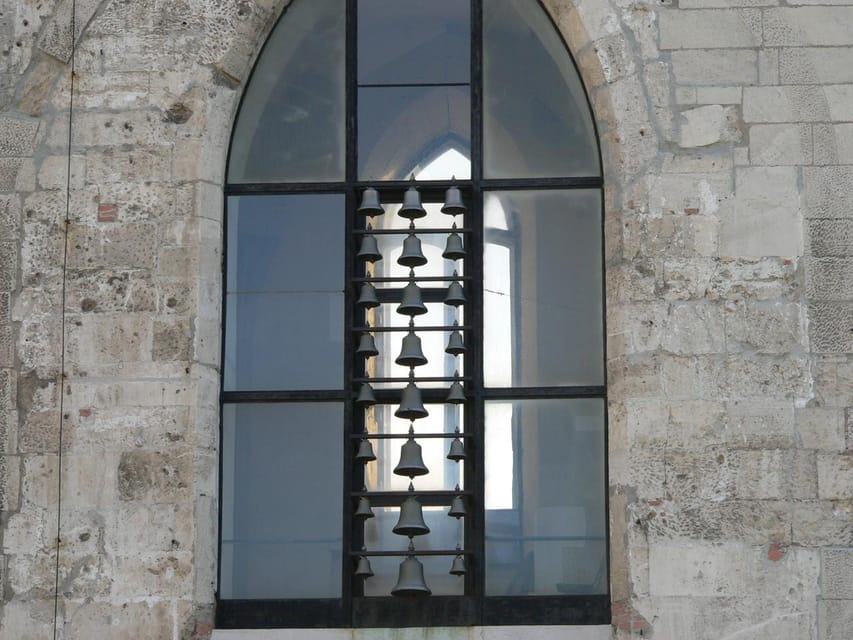
Castle Hill is famous for views above, but this tour also talks about what happened below. You’ll learn about the underground life of the hill, including labyrinths and the role the underground system played in defense over centuries.
Even if you never go deep into underground passageways on your own, this kind of context changes the way you walk. You stop thinking of the hill as just stone and steps, and you start thinking about it as a system built for survival and control.
This is also where the tour’s time management helps you. In two hours, you do not have time for everything in Budapest, so the underground story is a smart inclusion that makes the hill feel larger without turning the walk into an all-day project.
Public statues, huszár fighters, and the humor of Budapest
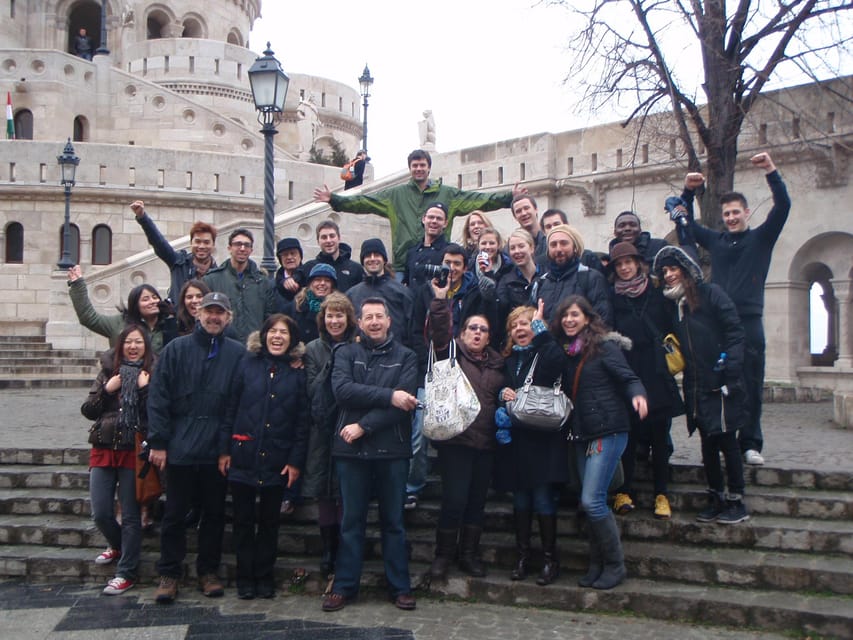
Not every sightseeing tour needs to stay serious. This one includes playful moments, including the mention of the funniest public statues in Budapest and the huszár light cavalry fighters called womanizer light cavalry fighters.
That mix of humor and history is a big reason walking tours can feel more memorable than museum-only days. When a guide connects a statue or a theme to a real social story, it sticks.
You’ll also see urban public art mini monuments while you’re moving. These are small enough that they could get overlooked, but in a guided walk they work like breadcrumbs, helping you notice the district’s personality rather than just its major structures.
Pest panorama, pacing, and what to do with the last minutes
The tour’s pacing matters. It is a 2-hour walk with enough stops to keep you interested, but not so many that you’re exhausted before the views.
You’ll have a clear moment to enjoy the Danube panorama from the terraces facing Pest. This is the kind of viewpoint you might want to revisit later, but it is also satisfying as a final big moment during the tour, because it feels like the hill opens up.
The final part includes practical information and time to answer remaining questions. I like tours that end with clarity, because then you can plan the rest of your day without second-guessing what you just learned.
If you want a simple rule, here it is. Wear shoes you trust, bring water, and treat the climb as part of the experience, not an inconvenience.
Price and value: how $2.27 fits a tipped walking tour
The listed price is extremely low, around $2.27 per person. That usually means you are not paying for a full paid-guide operating model in the typical sense, and instead you should understand tipping as part of how this tour works.
The tour info also notes a booking fee paid to GetYourGuide for administration and marketing. On top of that, the guide is encouraged to receive tips, with a suggested amount around €10 per person in the information.
So how do you judge value? For me, the value is not just the price tag. It is that you get a local guide who explains the district’s history and symbols while you walk the terrain efficiently. You also get an English-language experience, a small group cap, and a route that helps you see the key highlights without getting lost.
If you come to Budapest wanting an efficient first orientation to Castle Hill, this tour tends to do the job. If you already know the history and only want free time, you might get less value from the structured talking stops.
Who should book this Castle District walk
This is a good choice for you if you want:
- An English guided introduction to Buda Castle Hill
- A route that connects major sights like Royal Palace areas, Matthias Church, and Fisherman’s Bastion
- Context about WWII destruction, the Nazi stronghold location (as explained by the guide), and the district’s changing communities
- A mix of serious history and light, human storytelling like huszár references and public statues
It may not be a great fit if:
- You struggle with stairs and an uphill walk, since the tour includes a moderate climb and is not suitable for wheelchair users
- You need stroller-friendly terrain, because the hill walking involves steps and steep sections
- You are over 95 years old, as the tour is specifically noted as not suitable for people over that age
Should you book this Budapest Castle District Walking Tour?
Yes, if you want a smart, time-saving walk that helps you understand what you see on Castle Hill. I especially like that the guide covers more than the postcard stops, with Jewish and Ottoman threads, plus the underground defense story that you cannot pick up from a quick photo session.
Book it if your day in Budapest includes limited time and you want your questions answered on the spot. Skip it if your mobility is limited or if you prefer a totally low-effort route, because this is a hike with steps and a meaningful climb.
FAQ
Where does the tour start?
The tour starts at the Batthyány tér metro exit, about 15 meters from St. Anna Church. Look for the guide holding a royal blue flag.
How long is the walking tour?
The tour lasts about 2 hours. Starting times depend on availability.
Is the tour guided in English?
Yes, the tour includes a live guide who speaks English.
What should I wear and bring?
Wear comfortable shoes and bring water. Dress for the weather.
How strenuous is the walk?
You should have moderate physical fitness. The tour includes an uphill walk of about 10 minutes, and it is not suitable for wheelchair users.
How big are the groups?
The tour has a maximum of 30 travelers.
Where does the tour end?
The tour ends back at the meeting point at Batthyány tér metro exit.
Who is this tour not suitable for?
The tour is not suitable for wheelchair users and is also not suitable for people over 95 years old.
More Tours in Budapest




More Tour Reviews in Budapest





Still on Castle Hill



Reviewed recently around Budapest
- Audio visual multi-sensory chefs journey dinner experience★ 5.0 · 3 reviews
- Tapolca Cave Lake and Tihany/ Balaton private tour from Budapest★ 4.5 · 3 reviews
- SzentEndre-SaintAndrew City Privately Shopping and Picturesque★ 4.5 · 3 reviews
- Sightseeing flight over Budapest★ 5.0 · 3 reviews
- Self Guided Tour In Budapest With 100 Captivating Audio Stories★ 5.0 · 3 reviews
- Private Danube Bend Visegrad and Szentendre Tour With Transport★ 5.0 · 3 reviews
Buda Castle District, compared.
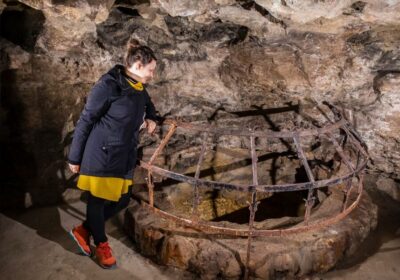 ★ 4.7Buda Castle Cave TourFrom $195,677 reviews
 ★ 4.6Buda Castle District Vampires and Myths Night TourFrom $233,830 reviews
 ★ 4.5Buda Castle Walk with Saint Stephen’s HallFrom $293,012 reviews
 ★ 4.6Buda Castle District Walking TourFrom $142,108 reviews
 ★ 4.33-Hour Grand City Tour and Castle WalkFrom $491,437 reviews
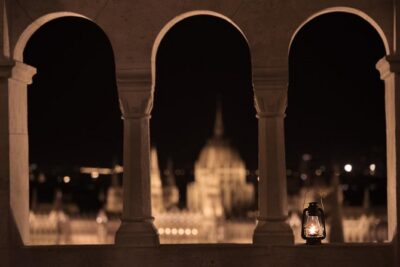 ★ 4.5Buda Castle District Dark History, Legends and Vampire Night TourFrom $211,240 reviews
 ★ 4.9Buda Castle District Walking Tour with a HistorianFrom $63867 reviews
 ★ 5.0Budapest Castle District Walking TourFrom $3630 reviews
Browse the lists this tour appears in