
Review · TOURS
Budapest: Virtual Reality Tour in 8 Languages
Time travel is the fun part. This Budapest virtual reality tour blends a walk through the Castle District with six high-impact VR moments that show how the city changed over centuries.
What I really like is that you do not just watch a screen, you get live cultural context while you move between stops, so the history sticks.
I also appreciate the practical details, especially the sterile headset setup and the option to request a hygienic mask. The only real drawback to weigh is that this experience is not recommended if you suffer from migraines, because the VR and visuals can be intense.
You start on the Buda side near the Chain Bridge area, get your gear, then step into scenes ranging from medieval castle building to World War II and the 1956 revolution, all while an audioguide explains what you are seeing.
In This Review
- Key highlights at a glance
- Where the tour begins near Chain Bridge
- Gear check: how the VR headset experience feels
- The medieval jump: seeing Buda Castle during construction
- Battles and World War II: history you can track
- The 1956 revolution scene: a turning point explained
- Bird’s-eye moments: understanding Budapest’s layout
- Walking pace and comfort: plan for real feet
- Languages: you can follow the story closely
- Price and value: is $39 fair for VR history?
- Who should book, and who should skip it
- My booking checklist before you go
- Should you book this Budapest VR tour?
- FAQ
- Where does the Budapest VR tour meet?
- How long is the tour?
- What languages are available on the tour?
- What is included with the ticket?
- Do I need ID for the headset?
- Is there walking involved?
- Is this tour suitable if I have migraines?
- Who should not take this tour?
Key highlights at a glance
- Six VR stops around Budapest that snap you through major historical moments
- Buda Castle and Royal Palace views, including a jump back to medieval construction
- World War II and 1956 scenes that explain what shaped modern Hungary
- Bird’s-eye city moments that help you understand where everything sits
- Local guide + 8-language audioguide, so you are not stuck guessing
- Hygiene-focused headset handling, with a sterile setup and mask option
Where the tour begins near Chain Bridge
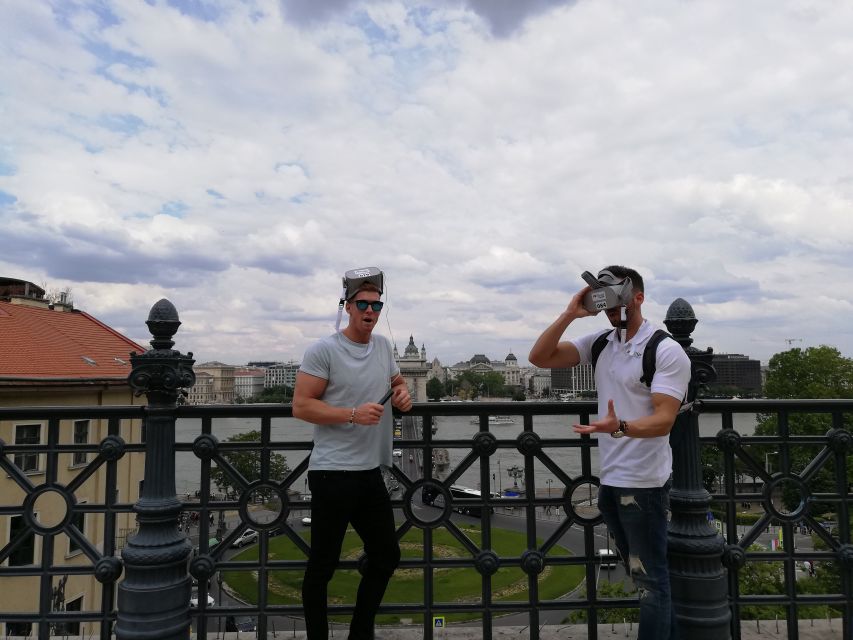
The meeting point is Budapest, Lánchíd u. 23 (1013), on the Buda side, close to the Chain Bridge and Clark Ádám Square. Show up about 15 minutes early and look for the VR Tour flags facing the street.
I like starting in this area because you are already near the visual anchors of Budapest. Before you put on the headset, you get bearings: you can see the city rhythm, then your first VR moment hits with contrast. It helps your brain connect the real city outside with the scenes you are about to experience.
Gear check: how the VR headset experience feels
After you meet your guide, you will don the VR gear and get an audio guide narration that matches your language choice. The live guide is available in English and Hungarian, while the included audioguide covers English, Chinese, German, Hungarian, Spanish, Russian, Italian, and French.
Two practical points matter here. First, the tour provides VR headsets with a sterile headset approach. You can also request a hygienic mask. Second, you will need identification or a deposit: bring your passport or ID, or 200 euros for the VR headset deposit.
If you get uneasy with VR visuals, plan for that honestly. VR can include intense scenes and, depending on your comfort level, a few moments may feel like they change your sense of height. That is why people who are afraid of heights or have epilepsy are not recommended for this experience.
Still weighing options? Here is what else pulls a crowd in Budapest.
- Budapest: City Highlights Cruise with Welcome Drink
★ 4.6 · 35,610 reviews - Budapest: Unlimited Prosecco, Beer and Aperol Spritz Cruise
★ 4.8 · 25,310 reviews - Budapest: Széchenyi Spa Day Ticket with Optional Upgrades
★ 4.3 · 23,911 reviews - Budapest: Nighttime or Daytime Sightseeing Cruise
★ 4.2 · 21,062 reviews
The medieval jump: seeing Buda Castle during construction
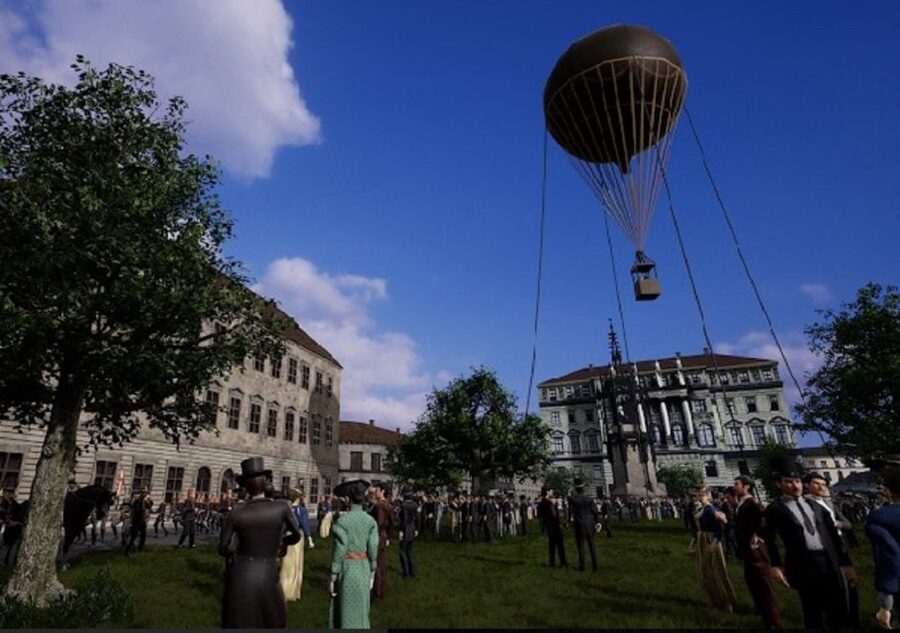
You spend time in the Castle District, and your VR journey takes you back to when the castle was being built. This is the part I think makes the tour genuinely different from typical walking tours. You are not only looking at old stones, you are watching the setting form, which makes the geography feel real.
Here is what you can expect from the medieval portion: the VR experience transports you into the era tied to the construction of the castle. The audioguide explains details you might otherwise miss, like why this location mattered and how the castle’s creation fits into the broader historical story of Hungary.
A small tip: wear comfortable shoes. Even though you are getting the main action through VR, you still walk between six stops. That walking is part of how you keep context, because your guide helps you move around and ties what you see back to the real street view.
Battles and World War II: history you can track
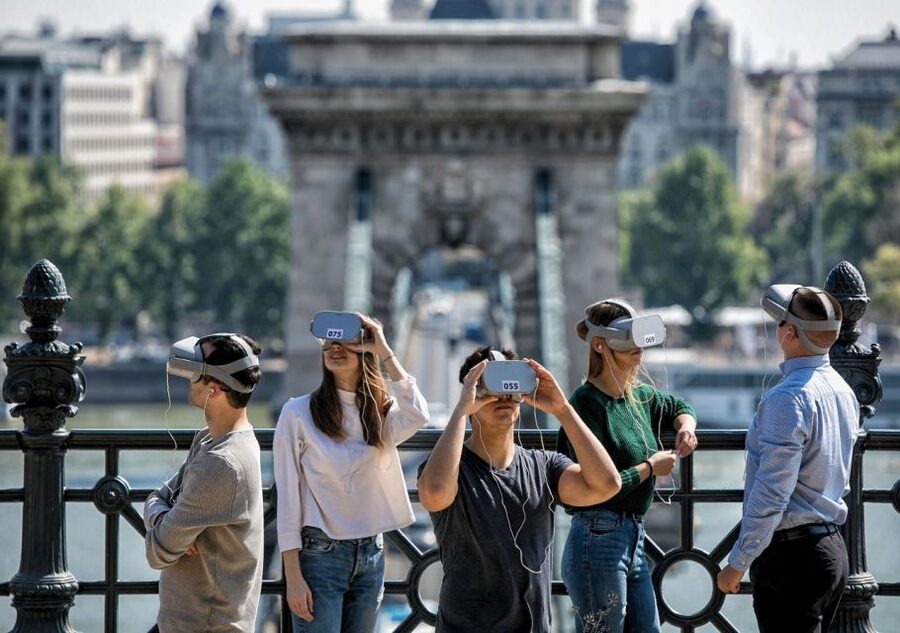
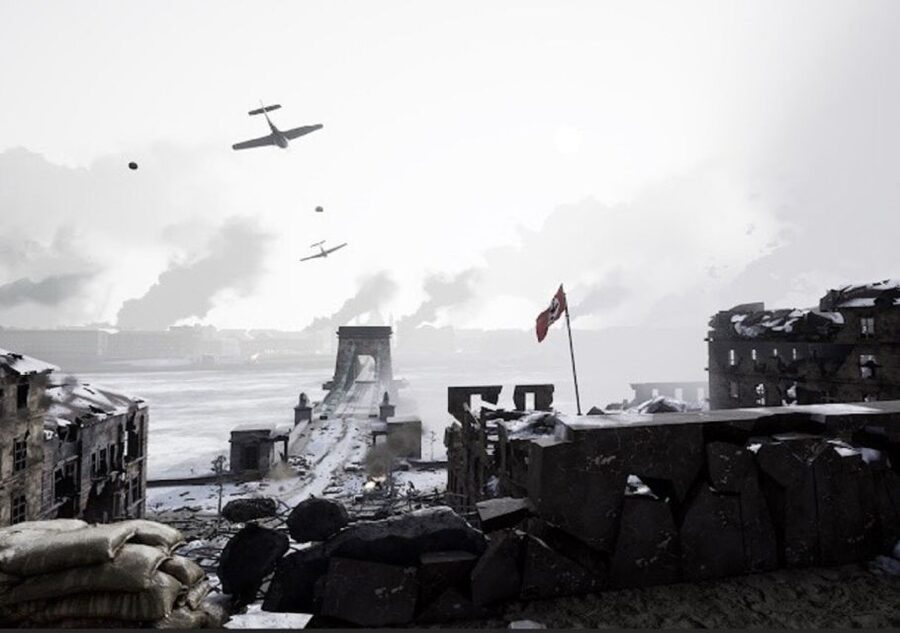
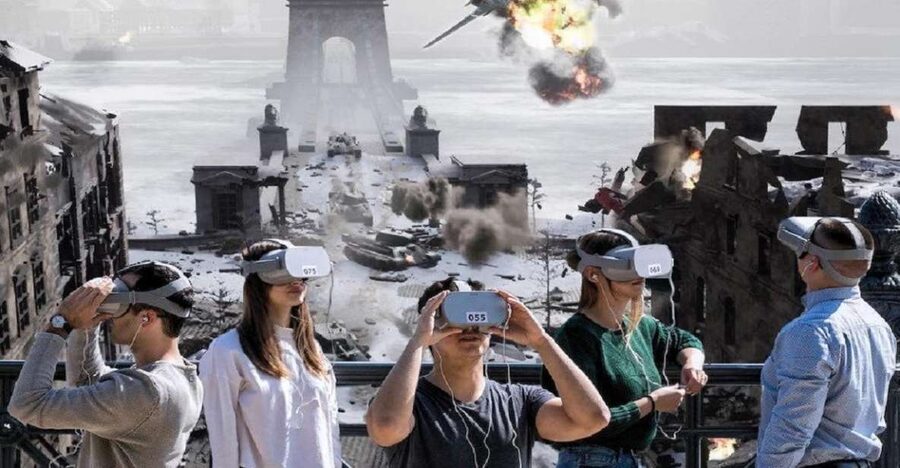
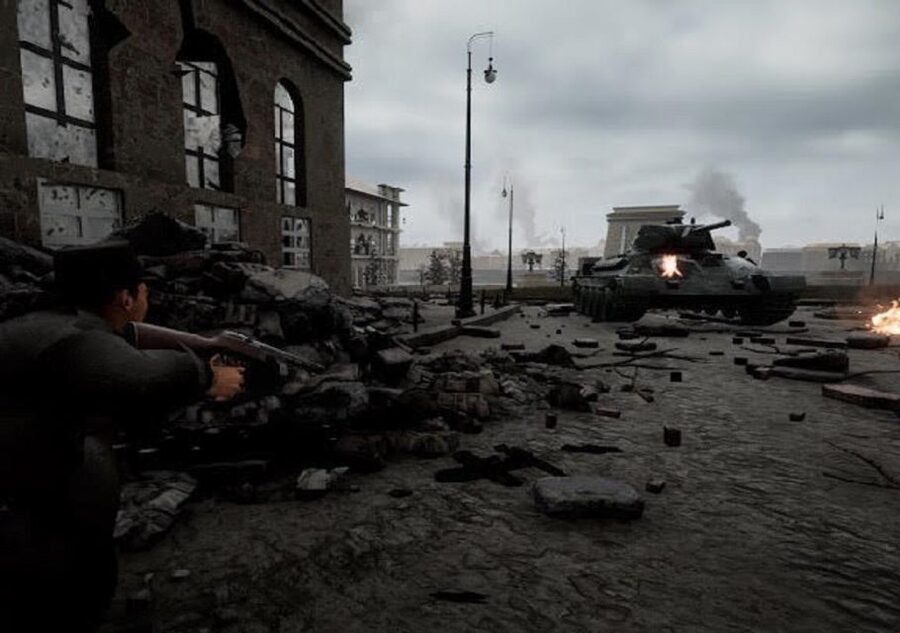
One of the strongest elements is that the tour does not treat history as a neat timeline. It shows conflict, damage, and consequences. The VR scenes include brutal battles and the destruction associated with World War II.
What I like about these moments is the explanation layer. During each VR stop, an audioguide walks you through what you are seeing and why it matters in Hungarian history. Then your guide helps you connect it to the real city between stops. That combination makes the scenes easier to process, instead of feeling like random dramatic effects.
There is also a human scale to it. Your guide leads you to each next viewpoint, and you have time to reset between VR segments. That pacing matters for VR tours, because it prevents the experience from becoming one long sensory push.
The 1956 revolution scene: a turning point explained
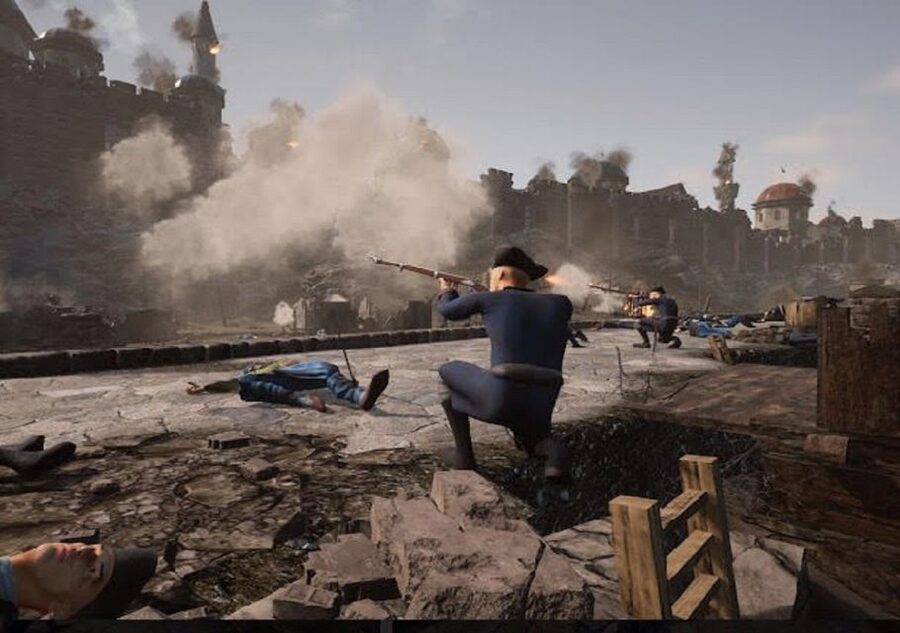
Another VR highlight is the Hungarian Revolution of 1956. You see the events unfold through modern technology, and the narration contextualizes the importance of what happened, not just where it happened.
For me, this is where VR shines for learning. The audioguide helps you understand the meaning of the unfolding events, so you leave with more than a vague impression. You understand why 1956 is remembered the way it is, and how it connects to Hungary’s later story as a country shaped by political change.
If you want a tour that feels more like history with clear explanations and less like a movie, this one works. You are given enough structure to keep your attention on key ideas while the visuals handle the emotion.
Bird’s-eye moments: understanding Budapest’s layout
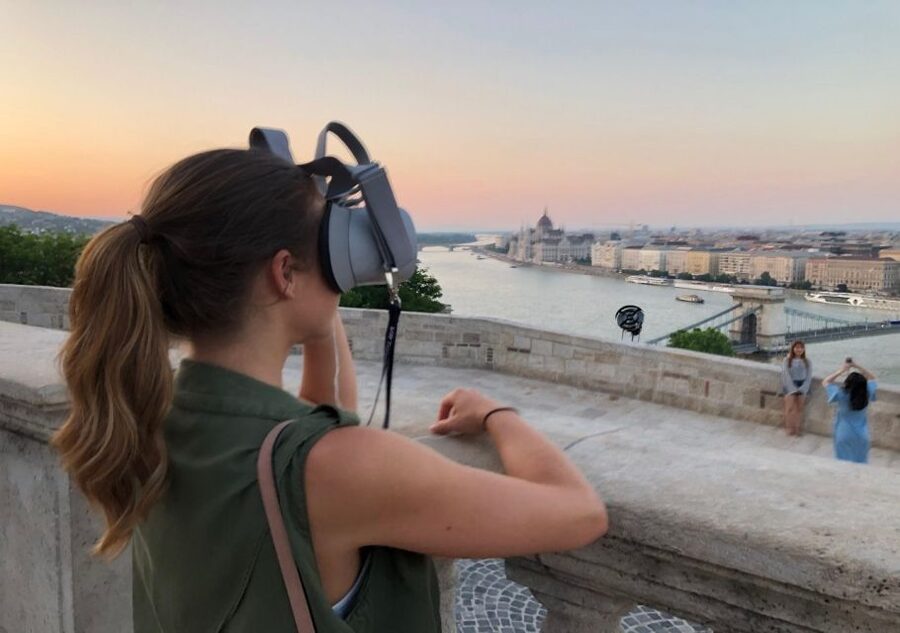
Along the way, the tour includes a bird’s-eye view that helps you grasp Budapest’s layout. This matters more than it sounds. When you are walking around hilly, spread-out neighborhoods, it can be hard to build a mental map.
Those aerial or top-down VR moments give you a reference point. Even if you only catch parts of the view through the headset, you come out with a clearer sense of how the sights connect and why the Castle District sits where it does.
And because you are still in the real streets between stops, you can start matching the VR geography to what you see outside. That makes the city feel less like a collection of landmarks and more like one connected place.



Walking pace and comfort: plan for real feet
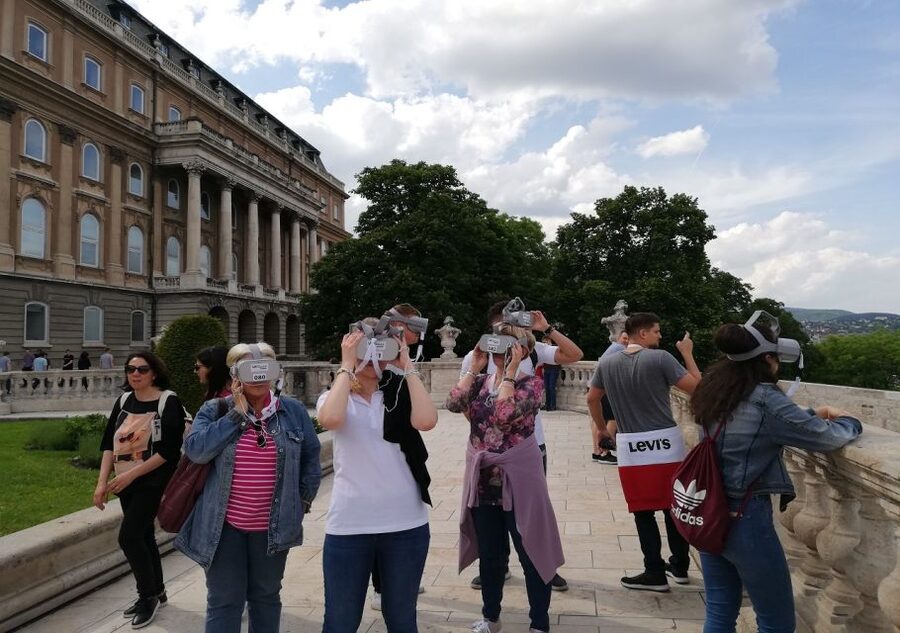
The tour includes a light hike. It is not a long trek, but you should still dress for walking. Comfortable shoes are the right call, especially in uneven areas around the Castle District.
Also, if you are visiting in hot summer weather, bring something to drink. VR can make you forget you are walking until you feel thirsty, and you will want the energy to enjoy the explanations at each stop.
Timing-wise, the activity is listed as 1.5 hours, with availability depending on starting times. In practice, expect it to feel like an easy evening outing with VR segments and breaks between them, not a quick pop-in.
Languages: you can follow the story closely
The tour is built to work across language needs. The live guide supports English and Hungarian, and the audioguide covers eight languages: English, Chinese, German, Hungarian, Spanish, Russian, Italian, and French.
This is a big deal for value. If you have ever been on a tour where the guide is speaking one language while you get only fragments, you know how frustrating that can be. Here, you get a consistent narrative track from the audioguide during each VR display, which keeps you from feeling lost when the visuals move quickly.
Price and value: is $39 fair for VR history?
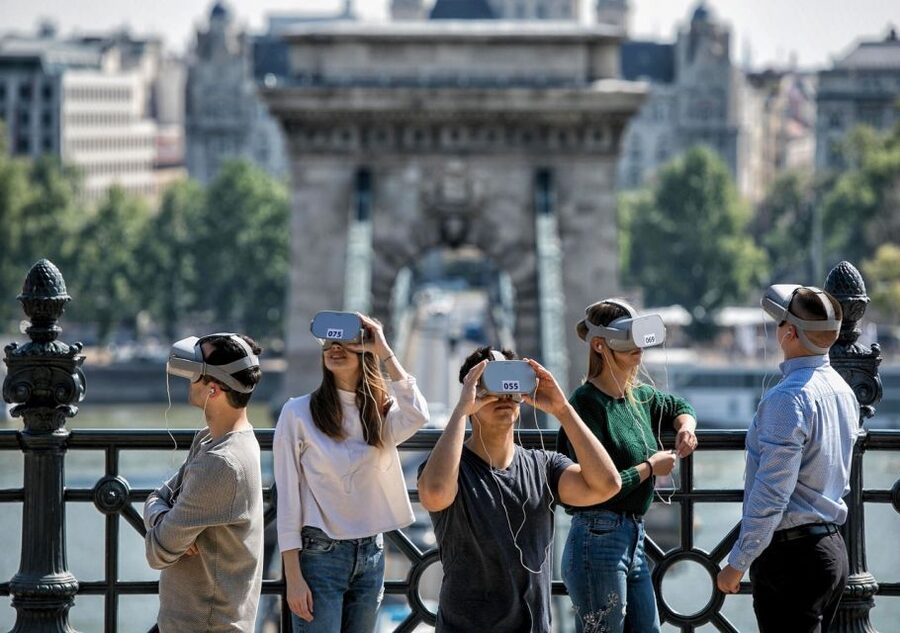
At $39 per person, this tour sits in the category of “not cheap, but not crazy” if you compare it to guided tours that require transport, museum tickets, or long paid entry experiences.
Here is why I think it is good value. You get:
- VR gear included for the full session
- A live guide who supports you while you walk between stops
- Audioguide storytelling in multiple languages
- Multiple historical scenes, including medieval, World War II, and 1956
You are paying for production, not just guidance. The VR scenes are the main product, and the guide plus narration help you actually understand the visuals, which is where many VR experiences fall short.
If you can get a time slot that fits your schedule, I would treat it as an evening-friendly “history explainer” that also gives you a different look at Budapest than the usual rooftop viewpoint.
Who should book, and who should skip it
This tour is a strong match if you want a guided way to learn Hungarian history while also seeing Budapest in an unusual format. It is ideal when you:
- like history but prefer it explained clearly, with context
- want a memorable way to understand the Castle District area
- enjoy VR or at least are curious about it
- want the story delivered through both a guide and narration
It is not suitable for people with mobility impairments or for those with heart problems, epilepsy, or those afraid of heights. It is also specifically not recommended for anyone who suffers from migraines.
If you are unsure about motion sensitivity or VR intensity, consider your personal limits. This is not a calm, minimal VR show. It includes battle and destruction imagery and a revolution scene, so you should feel comfortable with emotionally intense visuals.
My booking checklist before you go
A few practical things will help you enjoy the experience more:
- Bring your passport or ID. If you do not, plan on the 200 euros VR headset deposit.
- Wear comfortable shoes for a light hike.
- Bring water for hot days.
- If you request it, you can get a hygienic mask.
- If VR triggers headaches for you, take that seriously and skip this one.
Also note the meeting point is outside, and you will want to arrive on time to get fitted with the headset without rushing.
Should you book this Budapest VR tour?
I would book this if you want a high-impact, guided history experience that does not feel like homework. Six VR stops, major eras like medieval castle construction, World War II, and the 1956 revolution, plus a city-view moment, gives you a lot for a single outing.
Skip it if you have migraines, epilepsy, heart problems, mobility limitations, or you are strongly afraid of heights. And if VR is usually a problem for you, do not force it. There are plenty of great ways to experience Budapest without a headset.
If you do fit the recommended comfort zone, this is a fun way to learn. You walk away with clearer geography, a better sense of why these events mattered, and the kind of memory that makes Budapest feel personal rather than just scenic.
FAQ
Where does the Budapest VR tour meet?
The tour meets at Budapest, Lánchíd u. 23, 1013 Magyarország. Look for the VR Tour flags facing the street, and arrive about 15 minutes early.
How long is the tour?
The tour duration is listed as 1.5 hours. Starting times vary by availability, and the experience includes VR stops and walking.
What languages are available on the tour?
The live tour guide is available in English and Hungarian. An audioguide is included in English, Chinese, German, Hungarian, Spanish, Russian, Italian, and French.
What is included with the ticket?
The ticket includes virtual reality gear and a sterile headset, plus a tour guide. You can request a hygienic mask.
Do I need ID for the headset?
Yes. Bring a passport or ID card. If you do not bring ID, you may need to provide 200 euros as a deposit for the VR headset.
Is there walking involved?
Yes. The tour includes a light hike and includes walking between stops.
Is this tour suitable if I have migraines?
No. It is not recommended for customers who suffer from migraines.
Who should not take this tour?
It is not suitable for people with mobility impairments, heart problems, epilepsy, or for those afraid of heights.
More Tours in Budapest




More Tour Reviews in Budapest





Reviewed recently around Budapest
- Audio visual multi-sensory chefs journey dinner experience★ 5.0 · 3 reviews
- Tapolca Cave Lake and Tihany/ Balaton private tour from Budapest★ 4.5 · 3 reviews
- SzentEndre-SaintAndrew City Privately Shopping and Picturesque★ 4.5 · 3 reviews
- Sightseeing flight over Budapest★ 5.0 · 3 reviews
- Self Guided Tour In Budapest With 100 Captivating Audio Stories★ 5.0 · 3 reviews
- Private Danube Bend Visegrad and Szentendre Tour With Transport★ 5.0 · 3 reviews
Tours, compared.
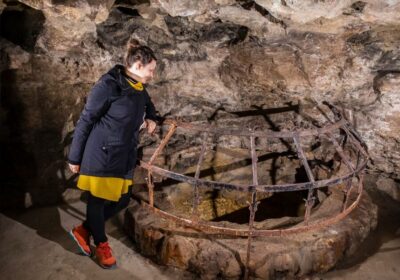 ★ 4.7Buda Castle Cave TourFrom $195,677 reviews
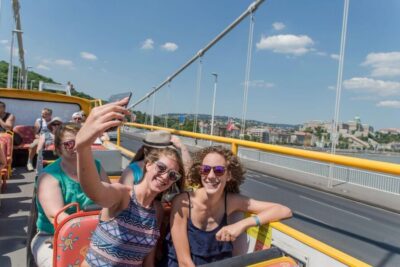 ★ 4.1City Sightseeing Hop-On Hop-Off Bus Tour & ExtrasFrom $414,337 reviews
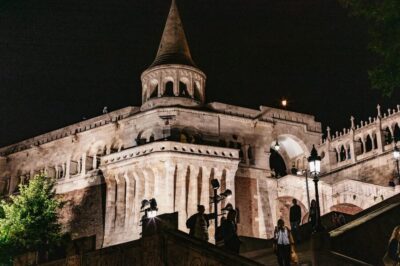 ★ 4.6Buda Castle District Vampires and Myths Night TourFrom $233,830 reviews
 ★ 4.2Big Bus Hop-On Hop-Off Tour & Danube River CruiseFrom $403,794 reviews
 ★ 4.3Floating Bus Tour by Land and WaterFrom $283,342 reviews
 ★ 3.5Big Bus Budapest Hop-On Hop-Off Bus and Walking TourFrom $422,206 reviews
 ★ 4.6Buda Castle District Walking TourFrom $142,108 reviews
 ★ 5.0Budapest City Landmarks Walking Tour in 2 HoursFrom $32,048 reviews