
Review · TOURS
Explore Budapest from the Local’s Perspective – Public Transportation Tour
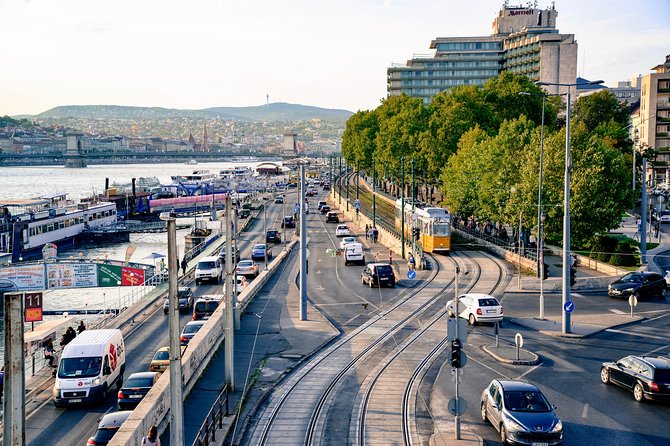
Budapest looks different when you move through it the local way. This 3-hour public transportation tour mixes big landmarks with real transit routes, so you learn how the city actually works.
I especially like the 24-hour public transit pass plus the rider booklet and map, because it turns the tour into a head start for your next day. The guide also helps you try multiple transport modes, including quick looks from major stations and squares.
One consideration: with so much ground covered in about 3 hours, you get orientation and highlights, not a slow, deep museum day.
In This Review
- Key takeaways
- Why public transportation is the best way to see Budapest fast
- The value math: $118.58 plus a 24-hour pass that keeps paying off
- Pickup and the start point that saves you from transit stress
- Andrássy Avenue and Heroes’ Square: grand facades and instant orientation
- City Park mix: Vajdahunyad Castle, art stops, and an ice-rink pause
- The Nagykörút effect: tram power and the rhythm of Budapest
- Nyugati Station and Deák Ferenc tér: learn the hub logic
- Elizabeth Square: the youth hangout beside a major junction
- From Pest to Buda: Buda Castle area and funicular options
- St Gellért Square and Gellért Hill: the wave benches and the view payoff
- Hotel Gellért and the thermal-bath landmark you can’t miss
- Kálvin Square to wrap up: transit meets central sightseeing
- Who this tour suits best, and who should think twice
- Final advice: should you book this Budapest transportation tour?
- FAQ
- How long is the Budapest public transportation tour?
- What is the price per person?
- Do you get a public transportation pass?
- Is pickup from my accommodation included?
- Is the tour offered in English?
- Is this tour private?
- What is the cancellation policy?
Key takeaways
- 24-hour transit pass included, so you keep using what you learn right after the tour
- Pickup from your accommodation makes it easy to start without hunting down meeting points
- You’ll see star sights like Heroes’ Square, the Chain Bridge area, and the Royal Palace area, with practical transit context
- The route uses the city’s core transit arteries like Deák Ferenc tér and the Nagykörút tram lines
- Stops are timed for variety, including City Park and the Gellért Hill viewpoints on the Buda side
Why public transportation is the best way to see Budapest fast
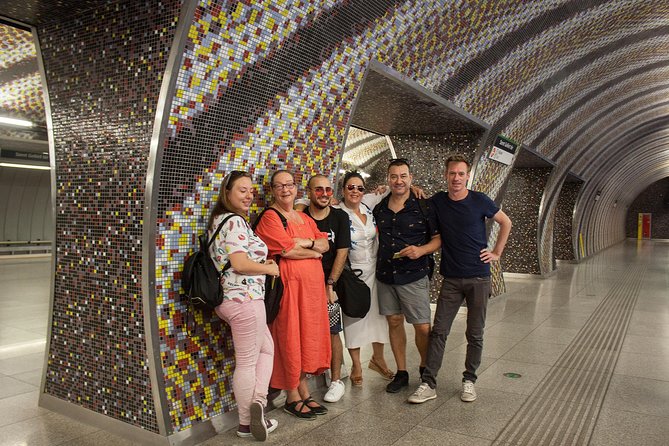
Budapest is one of those cities where the landmarks are spread out, but the transit is designed to connect everything. I love that this tour does not treat public transport like a chore. You learn it, use it, and you watch the city unfold as you ride and walk.
The structure helps you build a mental map. You start in areas like Andrássy Avenue and Heroes’ Square, then shift toward the Danube crossings, and later end up in classic Buda viewpoints like Gellért Hill. That flow matters because it mirrors how locals think about distance, not how tour buses think about time.
The value math: $118.58 plus a 24-hour pass that keeps paying off

At $118.58 per person for about 3 hours, the price can feel like a splurge at first. The key is that you’re not paying only for a guide. You’re also getting a 24-hour pass for the city’s public transportation system, plus a map showing the route, a rider’s booklet, and small extras like a notebook and souvenir pen.
If you plan to ride trams or metro more than once in the day you do this tour, that transit pass becomes practical value fast. And because your guide teaches how to use the system, you waste less time figuring out routes on your own.
Also, this is offered in English, with confirmation at booking. It’s a private activity, meaning only your group participates, and there are group discounts listed as a feature. If you’re traveling with friends or family, that privacy can make the time feel less rushed.
Still weighing options? Here is what else pulls a crowd in Budapest.
- Budapest: City Highlights Cruise with Welcome Drink
★ 4.6 · 35,610 reviews - Budapest: Unlimited Prosecco, Beer and Aperol Spritz Cruise
★ 4.8 · 25,310 reviews - Budapest: Széchenyi Spa Day Ticket with Optional Upgrades
★ 4.3 · 23,911 reviews - Budapest: Nighttime or Daytime Sightseeing Cruise
★ 4.2 · 21,062 reviews
Pickup and the start point that saves you from transit stress
This tour is built around convenience. They meet you from your accommodation, and you’re asked to provide your address in the special requirements box. That one detail is huge in Budapest, where getting “close” to an area can still mean a lot of extra walking.
Once you’re picked up and your guide gets you set up, you move out with the basic tools in hand: a mobile ticket and a rider’s booklet. Even if you already feel confident on metros and trams, having that quick primer reduces the mental load.
Andrássy Avenue and Heroes’ Square: grand facades and instant orientation
Your first major corridor is Andrássy Avenue, a boulevard dating to 1872 and recognized as a World Heritage Site in 2002. It’s not just pretty. This is one of Budapest’s key streets for shopping, cafes, restaurants, theatres, and embassies, so it helps you understand why locals care about where they live and meet.
You then land at Heroes’ Square for about 15 minutes, where the iconic statue complex covers the Seven chieftains of the Magyars plus other Hungarian national leaders. The guide also flags the Memorial Stone of Heroes, which is often mistakenly called the Tomb of the Unknown Soldier. That kind of correction is exactly the benefit of a guided stop.
If you like symbolism and you want to learn what you’re looking at without reading a novel on your own, this is a strong start.
City Park mix: Vajdahunyad Castle, art stops, and an ice-rink pause
The tour swings into Budapest City Park with a stop at Vajdahunyad Castle. It was built in 1896 for the Millennial Exhibition celebrating 1,000 years since the Hungarian Conquest. The design copies landmark buildings from across the Kingdom of Hungary, especially the Hunyad Castle in Transylvania.
You also spend time around the Museum of Fine Arts and the Budapest Hall of Art, both facing Heroes’ Square. The Museum of Fine Arts was built between 1900 and 1906 in an eclectic-neoclassical style, and its international collection includes more than 100,000 pieces. The Hall of Art hosts temporary contemporary exhibits and includes a café and bookshop overlooking the square.
One fun bonus here is the City Park Ice Rink, opened in 1870 and described as the largest and one of the oldest ice rinks in Europe. Even if you are not there to skate, it gives you a real sense of how long City Park has served as a public space, not only a sightseeing backdrop.
Practical note: this section packs a lot of culture into park time. It’s ideal if you enjoy quick context, less ideal if you came for one museum and nothing else.
The Nagykörút effect: tram power and the rhythm of Budapest
After the museum-and-park zone, the tour moves toward transit hubs that feel like local crossroads. You stop at Jászai Mari tér for around 10 minutes, directly near the easy approach to Margaret-bridge area.
Then you head to Margaret Bridge for about 5 minutes. It connects Buda and Pest across the Danube and links Margaret Island to the banks. The tour uses this transit crossing to help you feel the geography. You are not just seeing bridges, you’re learning what they do for movement.
A standout element is how the tour teaches you about one of the city’s biggest tram corridors: the ring road called Nagykörút. The route points out that two tram lines run along it and that legend claims it is the busiest tram line in the world. The frequency is described as max. 15-minute intervals, and during rush hour, about every 2 minutes. That’s the kind of detail that helps you stop worrying about timing when you’re riding on your own later.


Nyugati Station and Deák Ferenc tér: learn the hub logic
This is where the tour earns its title, because you get hands-on understanding of how Budapest routes are stitched together.
You’ll spend about 10 minutes at Budapest Western Railway Station, known as Nyugati pályaudvar or Nyugati. It sits on the Pest side and connects to major transit lines, including the 4 and 6 tram lines and the M3 metro line. The area around it is described as one of the city’s busiest meeting points, with restaurants, bars, and diverse stores. For you, that means Nyugati is not just a station. It’s also an easy place to orient yourself if you later plan a quick hop to another district.
Next is Deák Ferenc Square, also about 10 minutes. This is a major intersection and transport junction where three metro lines converge under the square. Tram lines 47 and 49 also originate there, plus several bus lines. If you’ve ever felt overwhelmed by maps, this stop is a confidence builder. It explains why Deák Ferenc tér is often where you end up, even when you did not plan to.
Elizabeth Square: the youth hangout beside a major junction
A short stop at Elizabeth Square gives you a slice of everyday social life for about 5 minutes. It’s next to Deák Ferenc tér and is described as a popular gathering place for young people. The area includes places where alcoholic beverages are sold, and Deák Ferenc tér can stay active until midnight.
This stop is not about a single monument. It’s about noticing how transit nodes also become social nodes. You see that Budapest does not separate movement from life. It packs both into the same corners.
From Pest to Buda: Buda Castle area and funicular options
The tour shifts toward the Buda side with a stop at Buda Castle for about 45 minutes. You’re guided to explore the Buda Castle area, and the tour info notes a travel with the funicular option for moving up or adjusting the focus between Buda Castle area and Gellért Hill.
That flexibility matters. If your energy runs out, you can choose the approach that keeps you comfortable while still seeing the views and getting the orientation. If you love panoramic points, you might prefer the hill approach later.
The tour also mentions that part of the experience includes seeing top attractions like the Royal Palace area. Even when time is tight, this kind of guided staging helps you understand what you are seeing from the right angles.
St Gellért Square and Gellért Hill: the wave benches and the view payoff
A stop at Szent Gellert Square for about 10 minutes focuses on the station design. It’s described as water-themed, with waves of the Danube represented in wavy benches and a small fountain with a pond decoration at the entry to the underground station. It’s a great example of Budapest treating public space as art, not only transportation.
Then comes the big viewpoint lesson: Gellért Hill, about 235 m high, known as one of the best panorama points above the capital. The guide context includes the story of Bishop Gellért, from Italy around 1000 AD, and the account that resisting pagans rolled him down the hill in a barrel into the Danube in 1046. Whether you love legends or prefer facts, it adds human scale to the view.
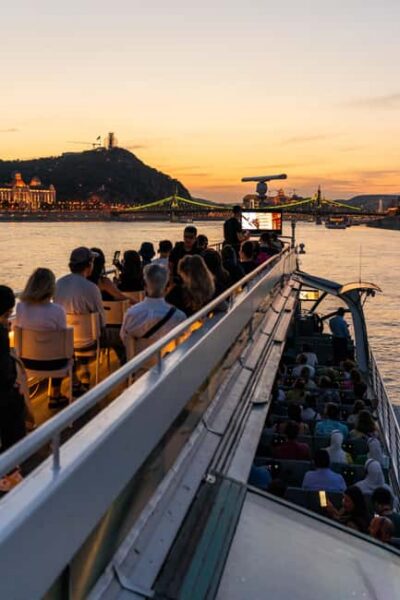
You also walk across Liberty Bridge (Szabadság híd) for about 5 minutes. This short bridge segment matters because it links your arrival story. You are not just taking a photo. You’re connecting districts through movement, which helps you later place what you saw on a map.
Hotel Gellért and the thermal-bath landmark you can’t miss
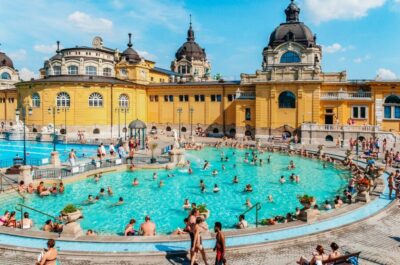
The itinerary includes a stop at the Hotel Gellért area, where you’ll find the Gellért Thermal Baths and Swimming Pool (Gellért fürdő). Even if you do not spend a long session in the baths during this 3-hour window, you still get the landmark context. Budapest’s thermal culture is part of its identity, and Gellért is one of the most recognizable names.
In a short tour, this stop works best as a visual and orientation moment. If you later want to plan a bath visit, you’ll know exactly what area to target.
Kálvin Square to wrap up: transit meets central sightseeing
The final neighborhood moment is Kálvin Square (Kálvin tér) for about 10 minutes. It’s a major square and intersection named after French Protestant Reformer John Calvin, tied to the large Reformed Church located there. It’s also described as a transport hub with tram, bus, and trolleybus routes. If you like finishing with a place that makes your next move easy, Kálvin tér is a smart end point.
From here, you can likely continue riding on your own with less guesswork. You’ll have the rider’s booklet and the idea of where major junctions sit.
Who this tour suits best, and who should think twice
This is a great fit if you:
- Want a practical, local way to learn Budapest routing
- Plan to use trams, metro, and buses during your stay
- Like guided context at major sites without spending hours on one ticketed attraction
- Appreciate that it’s a private group experience with a guide who can answer questions
You might think twice if you:
- Want long, quiet museum time with no hopping around
- Prefer a car-free walking-only itinerary with fewer transit transitions
- Expect food and drinks to be included (they are not)
Final advice: should you book this Budapest transportation tour?
I’d book it if you want speed with understanding. The big win is the combo of guide guidance plus a 24-hour transit pass, so you do not finish the tour with just photos, you finish with tools.
If you’re the type who likes to navigate confidently after one good lesson, this tour gives you that. Just keep your expectations matched to time. In about 3 hours, you’re going to learn the city’s rhythm, not exhaust every museum inside the walls. And honestly, in Budapest, that’s the fastest path to getting to your own favorite spots next.
FAQ
How long is the Budapest public transportation tour?
The tour lasts about 3 hours.
What is the price per person?
The price is $118.58 per person.
Do you get a public transportation pass?
Yes. You receive a 24-hour pass for Budapest’s public transportation system.
Is pickup from my accommodation included?
Yes. Pickup is offered, and you meet from your accommodation. You need to provide your address in the special requirements box.
Is the tour offered in English?
Yes, it is offered in English.
Is this tour private?
Yes. This is listed as a private tour/activity, so only your group participates.
What is the cancellation policy?
Free cancellation is available. You can cancel up to 24 hours in advance for a full refund.
More Tours in Budapest




More Tour Reviews in Budapest





Reviewed recently around Budapest
- Audio visual multi-sensory chefs journey dinner experience★ 5.0 · 3 reviews
- Tapolca Cave Lake and Tihany/ Balaton private tour from Budapest★ 4.5 · 3 reviews
- SzentEndre-SaintAndrew City Privately Shopping and Picturesque★ 4.5 · 3 reviews
- Sightseeing flight over Budapest★ 5.0 · 3 reviews
- Self Guided Tour In Budapest With 100 Captivating Audio Stories★ 5.0 · 3 reviews
- Private Danube Bend Visegrad and Szentendre Tour With Transport★ 5.0 · 3 reviews
Tours, compared.
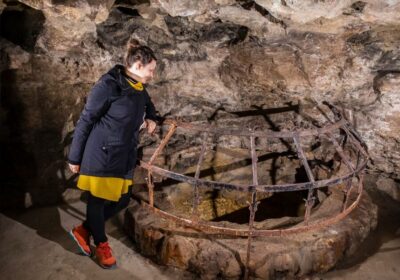 ★ 4.7Buda Castle Cave TourFrom $195,677 reviews
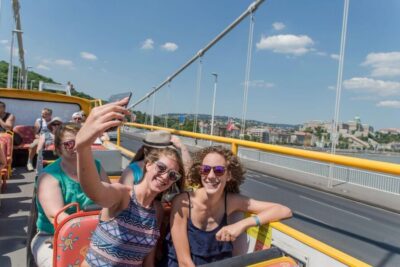 ★ 4.1City Sightseeing Hop-On Hop-Off Bus Tour & ExtrasFrom $414,337 reviews
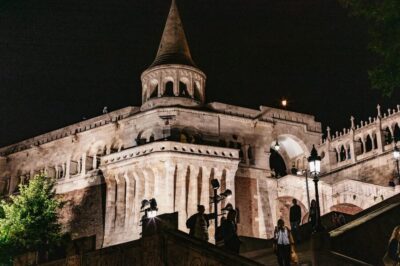 ★ 4.6Buda Castle District Vampires and Myths Night TourFrom $233,830 reviews
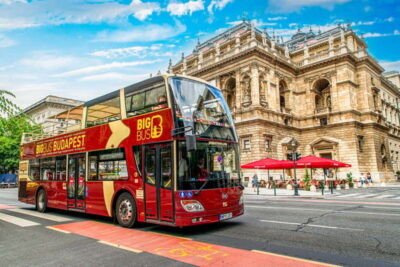 ★ 4.2Big Bus Hop-On Hop-Off Tour & Danube River CruiseFrom $403,794 reviews
 ★ 4.3Floating Bus Tour by Land and WaterFrom $283,342 reviews
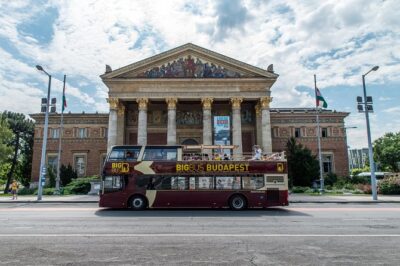 ★ 3.5Big Bus Budapest Hop-On Hop-Off Bus and Walking TourFrom $422,206 reviews
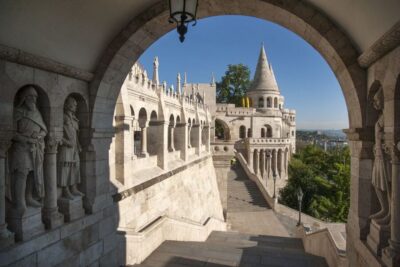 ★ 4.6Buda Castle District Walking TourFrom $142,108 reviews
 ★ 5.0Budapest City Landmarks Walking Tour in 2 HoursFrom $32,048 reviews