
Review · WALKING TOURS
Walk and Cook Budapest
Budapest tastes better with a plan. This small-group walking and cooking tour blends city sights with a hands-on kitchen session, and I especially liked how it links what you see in the streets to what you eat at the table. The dinner feels like a real meal, not a demo, and you can keep up with the group size capped at 10. One catch: you’ll be on your feet and moving for about 5 hours, so comfy shoes matter.
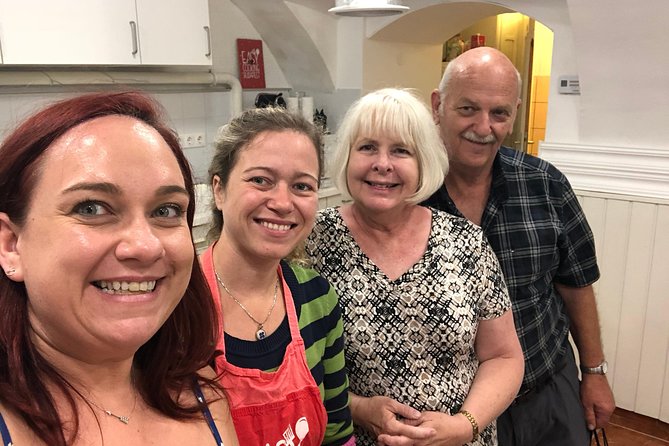
I also love that the tour is in English and you get a true sit-down dinner, after you’ve worked alongside the group to cook. Guides Kata and Karolina were specifically thanked by a previous guest, and that kind of personal attention is the vibe here. The only potential drawback is that history stories can be heavy at times, especially around Budapest’s World War II experiences.
If you want Budapest beyond postcards, this is a smart way to do it: you walk through landmark areas, then translate those influences into Hungarian dishes. You’ll start outdoors, shift to the kitchen, and end right back where you started, keeping the whole thing simple and focused.
In This Review
- Key Highlights You’ll Feel Right Away
- How This Walk and Cook Tour Works (And Why It’s Better Than Sighting Alone)
- Gul Baba’s Tomb: Ottoman-Era Footprints in a Modern City
- Hungarian Parliament Building: Power, Identity, and the Street-Level Meaning
- Great/Central Synagogue (Nagy Zsinagóga): Jewish Heritage That Still Shapes Taste
- From Walking to Cooking: The Kitchen Session That Turns Stories Into Flavor
- The Full Dinner Menu: What You’ll Actually Be Eating
- Hearty mains and savory dishes
- Hungarian desserts that make the whole thing feel like a real meal
- Why the History-to-Food Connection Feels Real Here
- Value and Price: Is $131.06 Worth It?
- Who This Tour Suits Best (And Who Might Prefer Something Else)
- Small-Group Atmosphere: What the Best Moments Usually Are
- Should You Book Walk and Cook Budapest?
- FAQ
- How long is the Walk and Cook Budapest tour?
- Is the tour in English?
- How big is the group?
- Does it include dinner?
- Will I get a ticket on my phone?
- When do I get confirmation after booking?
Key Highlights You’ll Feel Right Away
- Max 10 people, so the guiding stays personal and the cooking doesn’t feel rushed
- A guided walk plus hands-on cooking, not just watching someone else cook
- History-to-food connections, from Ottoman-era traces to Jewish heritage in Budapest
- A full dinner experience, where you eat what you helped make
- English-language tour, with mobile ticket access for an easy start
How This Walk and Cook Tour Works (And Why It’s Better Than Sighting Alone)
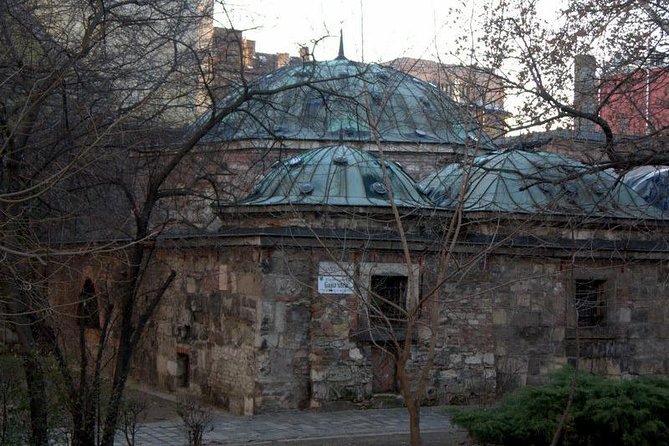
This tour has a clear rhythm. You meet, walk through meaningful parts of Budapest, then move into the kitchen to cook Hungarian classics that reflect different influences.
That format matters because you’re not just collecting facts. You’re connecting history, architecture, and culture to the flavors you end up tasting. It’s a practical way to remember a city, especially in a place with layered, sometimes difficult chapters.
You also get the best kind of group setup. With a maximum of 10 travelers, you’re less likely to feel like you’re stuck in a large herd. It also helps during cooking, where timing and teamwork matter.
Gul Baba’s Tomb: Ottoman-Era Footprints in a Modern City
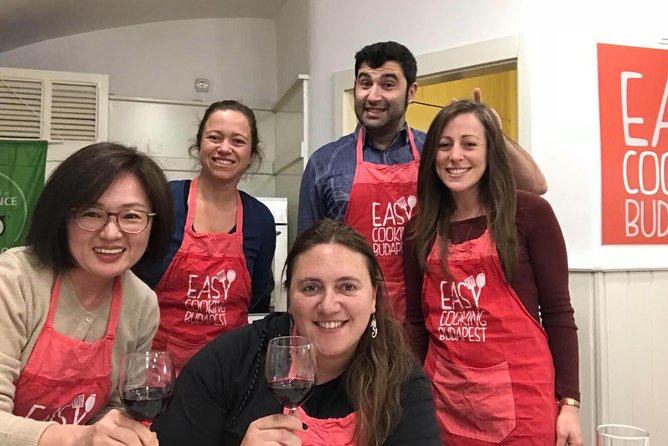
Your first stop is Gul Baba’s Tomb (Gul Baba Turbeje). This is a meaningful start because it sets up the idea that Budapest’s food culture didn’t form in a vacuum. Empires, migrations, and rule left traces, and those traces show up in everyday life, including what people cook and how tastes develop over time.
As you walk here, pay attention to how the site feels more intimate than the bigger showpieces. Smaller places like this often give you the clearest sense of continuity, since the story isn’t just about grand buildings. It’s also about how communities lived, what ideas traveled, and what stayed.
Practical note: this is an early checkpoint on a roughly 5-hour plan, so come ready to walk. If you’re traveling from farther away, build in a little extra time before the meeting so you don’t start stressed.
Other Budapest walks at a similar pace
- Budapest: Buda Castle Walk with Saint Stephen’s Hall
★ 4.5 · 3,012 reviews - Big Bus Budapest Hop-On Hop-Off Bus and Walking Tour
★ 3.5 · 2,206 reviews - Budapest: Buda Castle District Walking Tour
★ 4.6 · 2,108 reviews - Budapest City Landmarks Walking Tour in 2 Hours
★ 5.0 · 2,048 reviews
Hungarian Parliament Building: Power, Identity, and the Street-Level Meaning
Next up is the Hungarian Parliament Building. This is the kind of landmark that immediately tells you the city takes identity seriously. It also gives you a visual anchor for the tour’s historical angle, especially the idea that Hungary’s story has been shaped by big political forces.
Why this stop works in a walk-and-cook format: landmarks like this help explain why food traditions stick around through change. When history is turbulent, people often hold onto comfort food and ceremonial meals. You’ll likely notice how the tour connects those patterns later in the kitchen.
The main consideration here is pacing. Parliament-area sightseeing can be crowded, and you’re on a schedule. If you like slow looking, keep your expectations flexible. The goal is context and momentum, not lingering for an hour at every photo spot.
Great/Central Synagogue (Nagy Zsinagóga): Jewish Heritage That Still Shapes Taste
Your third stop is the Great/Central Synagogue (Nagy Zsinagóga). This is where the tour’s history thread turns very real. The tour setup specifically highlights what happened to Jewish people in Budapest during World War II, and you’ll feel that weight because the site is not an abstract concept.
So what does this have to do with cooking? Food cultures preserve memory. Jewish communities brought distinct culinary traditions and habits, and those influences can echo through the city’s wider cooking culture. Later, in the kitchen, you’ll cook classic dishes that reflect how Hungarian cuisine absorbed and reshaped ideas over time.
A practical tip: if you’re sensitive to heavy historical topics, give yourself a mental buffer. This is not a party tour. It’s a story-driven experience, and that’s part of its value.
From Walking to Cooking: The Kitchen Session That Turns Stories Into Flavor
After the walk, you shift from the streets to the kitchen for a hands-on session. The tour’s structure says this comes after about 1.5 hours of walking, then you cook Hungarian dishes with hints of influence from nations connected to the history you covered.
This is the heart of the experience. Cooking takes the abstract and makes it physical. Measuring, chopping, stuffing, and shaping food means you learn in a way no museum stop can match.
And since it’s a full dinner, you don’t end at the prep stage. You cook, sit down, and eat. That matters because Hungarian dishes are meant to be shared and eaten slowly enough to taste the details. A hands-on dinner format usually makes people more relaxed, and you get better conversations with the small group.
The Full Dinner Menu: What You’ll Actually Be Eating
The sample menu gives you a strong mix of comfort food and classic Hungarian dessert culture. Here are the dishes listed for the experience, and what to expect from each category.




Hearty mains and savory dishes
- Töltött paprika (stuffed peppers): A dish built on technique, usually involving a filling with a savory backbone. It’s the kind of food that teaches you about Hungarian home-style cooking.
- Roast goose with onion potatoes and braised cabbage: This reads like a traditional meal, not a light starter. If you like rich meat and slow cooked vegetables, this is your lane.
- Székelygulyás (goulash soup with sauerkraut): You’ll get the cozy spoon-food feel of goulash, and the sauerkraut element adds tang and depth.
Hungarian desserts that make the whole thing feel like a real meal
- Mákos guba: Dumplings with poppy seeds, a classic dessert pairing that can be sweet, fragrant, and satisfying.
- Fánk: A special donut. Expect a dessert that feels celebratory, the kind you eat without worrying about being too full, because this tour is designed as a full dinner.
- Szilvásgombóc: Plum dumplings. If you like fruit-forward sweets and tender dough, this is one to look forward to.
What I like about this menu is the balance. You’re not stuck with just one style of cooking. You get stuffed, roasted, soup-style, and dessert staples, which helps you understand Hungarian food as a system, not just a single signature dish.
Why the History-to-Food Connection Feels Real Here
A lot of tours say history and food, but they don’t truly connect the two. Here, the idea is built into the flow.
You start with Ottoman-era traces at Gul Baba’s Tomb, then move through a national power symbol at Parliament, then end the walk with Jewish heritage at Nagy Zsinagóga. After those stops, you cook Hungarian dishes “with the hint of the influence of each nation” connected to what you learned.
Even if you’re not trying to become a food historian, you’ll probably notice something practical. When you make a dish yourself, you pay attention to texture, seasoning, and how different elements balance. That’s where the history angle turns from lecture to lived experience.
And because the group is small, you get a better chance to ask questions when something clicks. That’s often when people feel like they’re getting more than a standard sightseeing plan.
Value and Price: Is $131.06 Worth It?

At $131.06 per person for about 5 hours, this is not a “cheap and cheerful” tour. It is priced like a guided experience that includes a cooking workshop and a full dinner.
Here’s what you’re really paying for, beyond the city walking:
- A maximum group size of 10, which usually means more attention and less waiting
- A hands-on kitchen session, which takes staff and ingredients
- A sit-down dinner you can’t just replicate at home without effort
If you prefer food-focused travel and you like experiences where you do something, not just watch, this can feel like good value. If you only want the fastest route to landmarks, you might find it less efficient.
Who This Tour Suits Best (And Who Might Prefer Something Else)
This works best if you:
- Want a smaller group experience in Budapest
- Like learning through hands-on activities
- Enjoy history, even when it touches World War II and difficult topics
- Want a full dinner included, so you’re not hunting for food afterward
It may be less ideal if you:
- Have low tolerance for walking and moving for about 5 hours
- Want a purely light, sightseeing-only day
- Prefer self-guided exploring with no structured flow from stop to stop
Small-Group Atmosphere: What the Best Moments Usually Are
The previous standout feedback was about the guides, specifically Kata and Karolina, and how the tour created good memories. That tracks with the overall design: small group, cooking teamwork, sit-down dinner, and a guided story arc.
In practice, the best moments tend to come when:
- You’re cooking something hands-on and it starts to click
- Someone in the group asks a question that connects the history you saw to the flavor you’re tasting
- You finish dinner and realize you actually learned the city through more than photos
If that sounds like your style, you’ll probably leave happier than you expected.
Should You Book Walk and Cook Budapest?
I’d book it if you want Budapest to feel personal and edible. The combination of landmark stops tied to Ottoman-era traces, Jewish heritage, and Austro-Hungarian era construction gives you context you can’t get from a simple food stop.
It’s also a smart choice for planning a full evening. With the dinner included and the tour ending back at the meeting point, you avoid the common problem of spending energy figuring out your next move.
Skip it if you want a fast checklist of sights only. This is a story-led day with history and cooking as the main event, not just an easy walking route.
FAQ
How long is the Walk and Cook Budapest tour?
It runs for about 5 hours (approx.), including a walk portion of about 1.5 hours and time in the kitchen for cooking and dinner.
Is the tour in English?
Yes, it is offered in English.
How big is the group?
The maximum group size is 10 travelers.
Does it include dinner?
Yes, it includes a full dinner after the cooking session.
Will I get a ticket on my phone?
Yes, it uses a mobile ticket.
When do I get confirmation after booking?
Confirmation is received within 48 hours of booking, subject to availability.
Keep Walking Budapest





More Tour Reviews in Budapest





Reviewed recently around Budapest
- Audio visual multi-sensory chefs journey dinner experience★ 5.0 · 3 reviews
- Tapolca Cave Lake and Tihany/ Balaton private tour from Budapest★ 4.5 · 3 reviews
- SzentEndre-SaintAndrew City Privately Shopping and Picturesque★ 4.5 · 3 reviews
- Sightseeing flight over Budapest★ 5.0 · 3 reviews
- Self Guided Tour In Budapest With 100 Captivating Audio Stories★ 5.0 · 3 reviews
- Private Danube Bend Visegrad and Szentendre Tour With Transport★ 5.0 · 3 reviews
Walking Tours, compared.
 ★ 4.5Buda Castle Walk with Saint Stephen’s HallFrom $293,012 reviews
 ★ 3.5Big Bus Budapest Hop-On Hop-Off Bus and Walking TourFrom $422,206 reviews
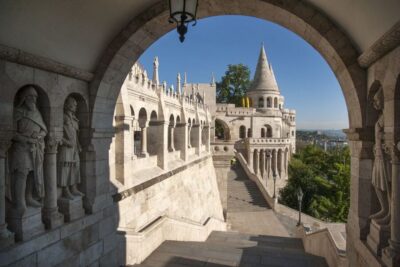 ★ 4.6Buda Castle District Walking TourFrom $142,108 reviews
 ★ 5.0Budapest City Landmarks Walking Tour in 2 HoursFrom $32,048 reviews
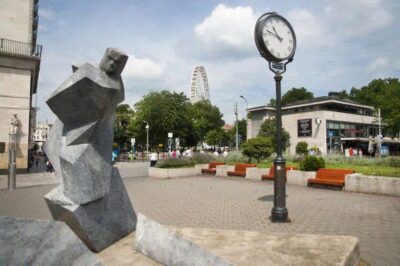 ★ 4.83-Hour Orientation Walking Tour of Buda and PestFrom $411,834 reviews
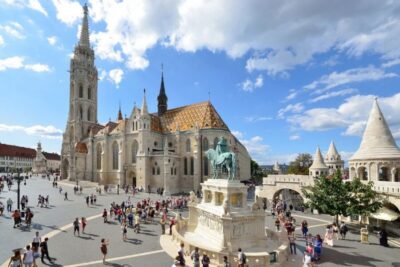 ★ 4.33-Hour Grand City Tour and Castle WalkFrom $491,437 reviews
 ★ 5.0Budapest Historical Sightseeing – Free Walking TourFrom $31,302 reviews
 ★ 5.0Budapest All in One Small Group Walking Tour with Strudel StopFrom $1001,277 reviews
Browse the lists this tour appears in