
Review · WALKING TOURS
Alternative Budapest Walking Tour
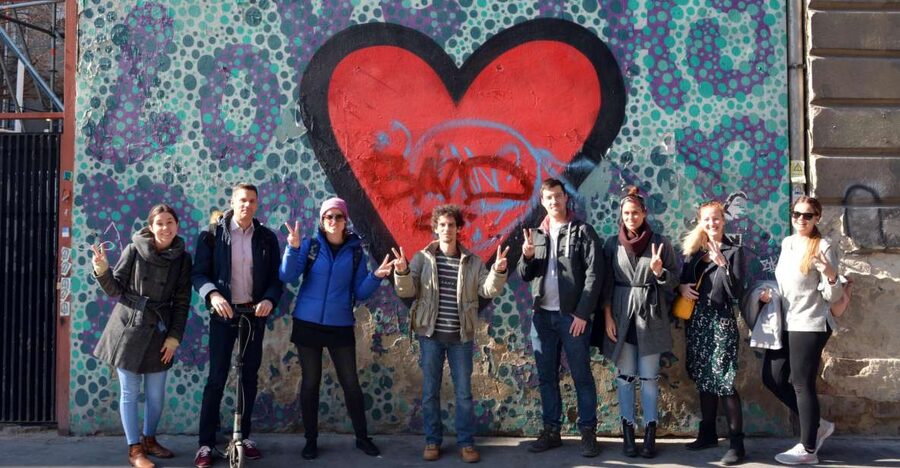
Budapest changes fast, and this tour shows why. You follow the street art and alternative culture thread across both Buda and Pest, heading where the postcard crowd rarely goes. You’re not getting a museum lecture, you’re seeing the city as it is right now, from murals and hip stores to ruin bars and music hangouts.
I love two things most. First, the small group size (max 10) keeps the walk chatty and personal, and you get real chances to ask your guide questions. Second, the stops feel local and lived-in, from design-minded shops to community-minded spaces like ruin bars.
One thing to consider: if you want the classic greatest-hits tour, this may feel too “present day.” It is built around underground music, fashion, and art, plus the Jewish district and other less cared-for areas, so the vibe is alternative, not tourist-polished.
In This Review
- Quick Take: What You’ll Remember
- Street Art and Alternative Budapest, Without the Tourist Script
- Starting at the Lutheran Church and Walking Into the Jewish District
- How the Tour Uses Buda and Pest to Explain the City’s Mood
- Mural Stops and the Street Art Culture You’ll Actually Learn
- Ruin Bars, Community Spaces, and Why Szimpla Kert Matters
- Design Shops, Cafés, and the Stops That Make It Feel Local
- Time on Your Feet, Group Size, and Practical Wear-Your-Own-Agenda Advice
- Price and Value: Is $67 Worth It?
- Who This Tour Fits Best (and Who Should Skip It)
- Should You Book This Alternative Walking Tour?
- FAQ
- How long is the Alternative Budapest Walking Tour?
- What does the tour cost and what is included?
- Where do we meet the guide?
- What language is the tour guide?
- What should I bring?
- Is the tour wheelchair accessible?
Quick Take: What You’ll Remember
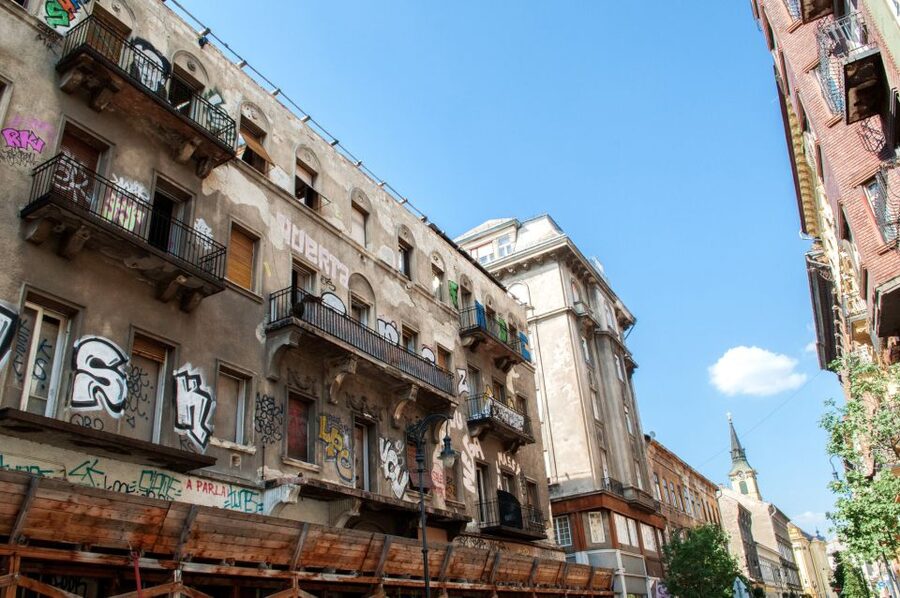
- Street art you can actually place in context, not just a photo stop
- Guides who work like friendly explainers, with lots of time for questions in a group under 10
- Reinforced local history in the Jewish district, including how today’s scene grew from what came before
- Ruin bars and creative hangouts that show how culture became a community sport
- Practical pacing with café and beer pit stops, helpful when weather turns
- Off-the-main-street discoveries, including art and design stores and music venues
Street Art and Alternative Budapest, Without the Tourist Script
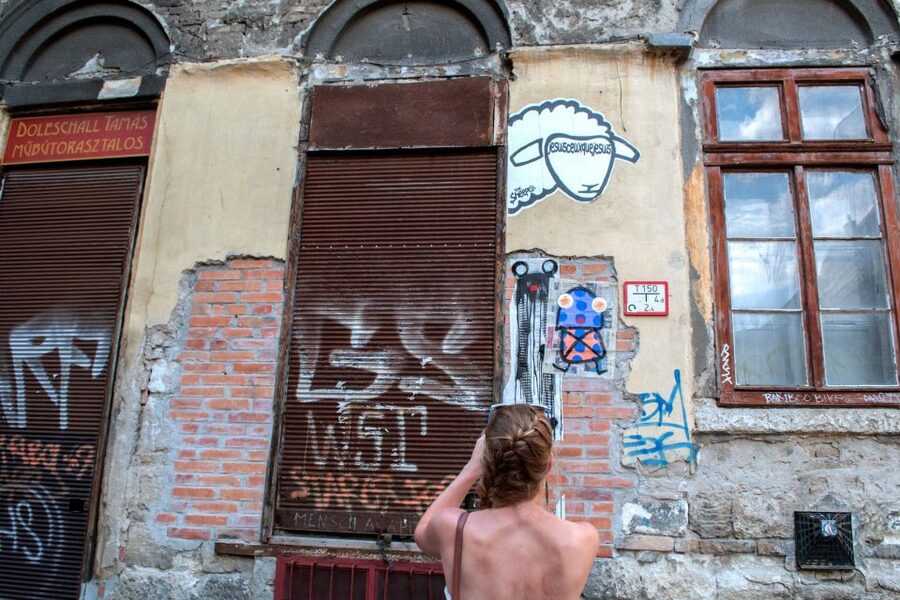
This is the kind of Budapest walk that makes you look up from your phone. Instead of starting at the big names and working outward, you start with the city’s creative “after hours,” the graffiti writers, the mural artists, and the people turning leftover spaces into culture hubs.
The tour’s main idea is simple: explore the underground, the present, and the future. You’ll still get historical context, especially around the Jewish district, but the message is about continuity and change. That makes it easier to understand why some buildings feel scarred, some feel repurposed, and some feel like they’re still writing themselves.
I also like the promise of movement. You cover both sides of the river, and you keep walking. It feels like you’re tracing a living map, not collecting checkmarks.
What you get depends on your guide’s style and the day’s energy, but the common theme is consistent: street art, alternative culture, ruin bars, live music venues, art galleries, and hip stores. If you like Budapest as a city of makers, you’re in the right lane.
Starting at the Lutheran Church and Walking Into the Jewish District
Your meeting point is easy to find once you know what to look for: in front of the Lutheran Church (pale yellow), on the steps. That matters because the whole tour is designed to get you moving quickly into neighborhoods that feel like they belong to locals, not tour buses.
From there, the walk leans toward the Jewish district, where Budapest’s alternative culture has been gaining momentum. In multiple guide styles, the story goes beyond dates. You learn how the entertainment and creative scene takes shape, and how the area’s identity shifted over time, especially as people reclaimed and repurposed spaces.
You’ll also hear about squats, cultural centers, abandoned synagogues, and art galleries. The key is not just what those places are, but how the culture around them grew. Even if you do not go inside any specific site, the way your guide explains what you’re seeing outside gives you a much clearer read on the neighborhood.
This is the part where the tour earns its name. Other tours talk about Budapest as a finished product. This one treats it like a work in progress.
Other Budapest walks at a similar pace
- Budapest: Buda Castle Walk with Saint Stephen’s Hall
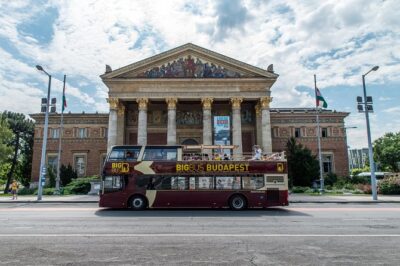
★ 4.5 · 3,012 reviews - Big Bus Budapest Hop-On Hop-Off Bus and Walking Tour
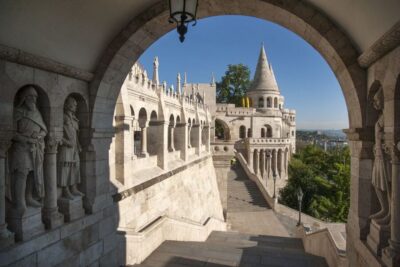
★ 3.5 · 2,206 reviews - Budapest: Buda Castle District Walking Tour
★ 4.6 · 2,108 reviews - Budapest City Landmarks Walking Tour in 2 Hours
★ 5.0 · 2,048 reviews
How the Tour Uses Buda and Pest to Explain the City’s Mood
One clever thing here is the two-part feel. The tour is structured to cover both Buda and Pest, which helps you notice how the city’s creative energy shifts depending on where you are standing.
In Pest, the alternative scene tends to feel more street-level. That’s where you’ll run into the visual language of murals, the small design shops, and the creative venues that make the area feel active even when the rest of the city looks calm.
Buda, by contrast, can feel more like a backdrop for reflection and contrast. You get a different rhythm and different kinds of backstreets. It helps you understand that Budapest does not only look a certain way, it thinks and moves differently by neighborhood.
If you want a single “Budapest personality,” this tour will complicate that idea in a good way. You’ll leave realizing Budapest has multiple identities, and the alternative scene is one of its strongest.
Mural Stops and the Street Art Culture You’ll Actually Learn
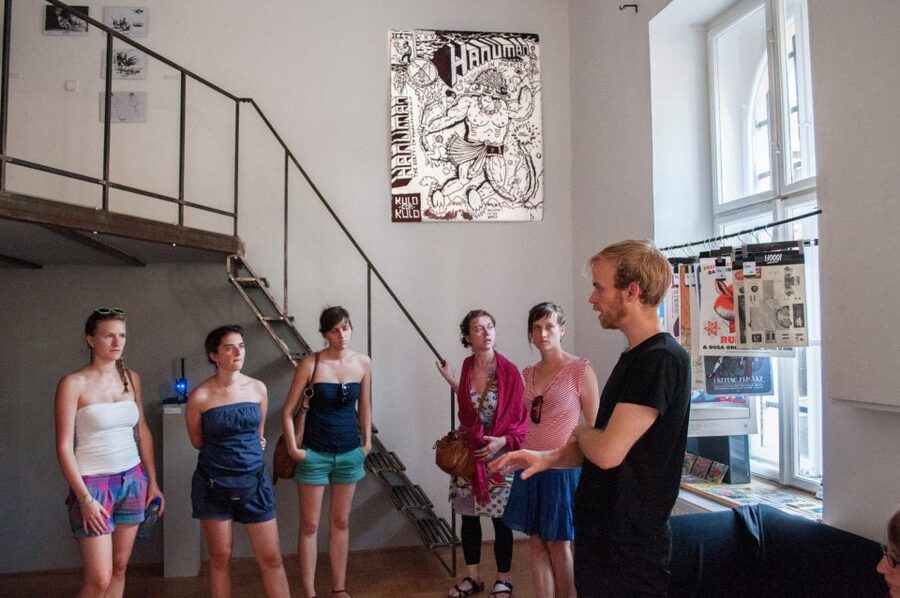
The headline is street art. But the better story is how your guide teaches you how to see it.
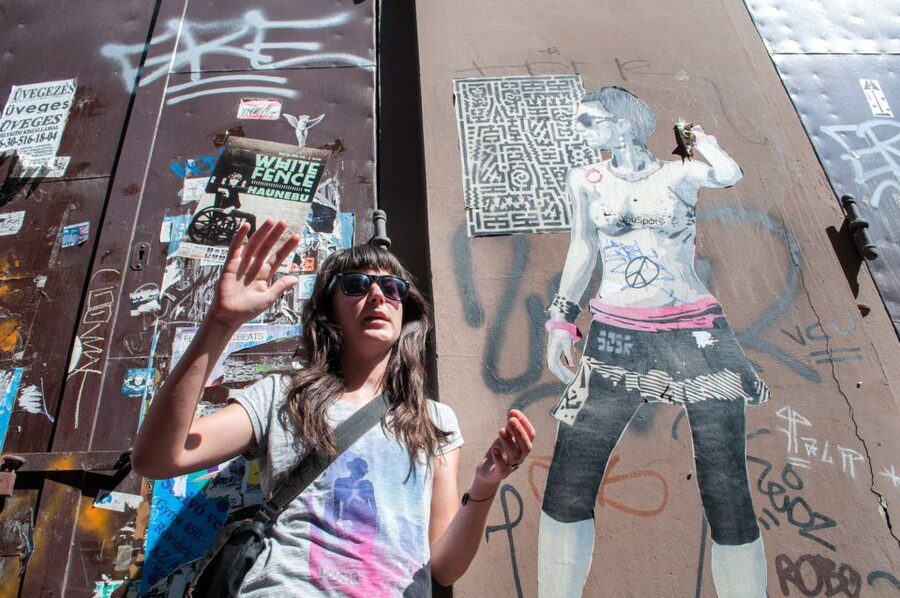
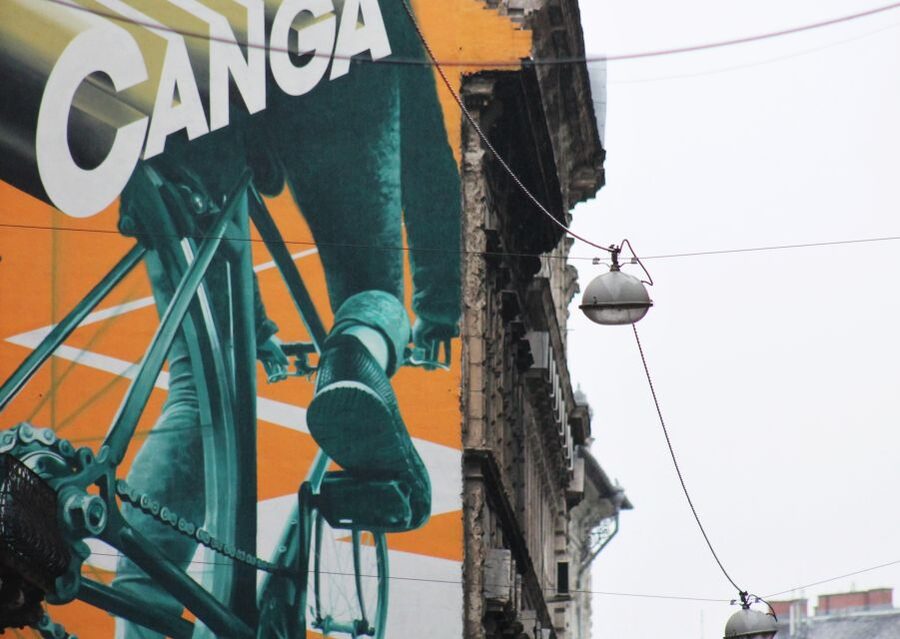
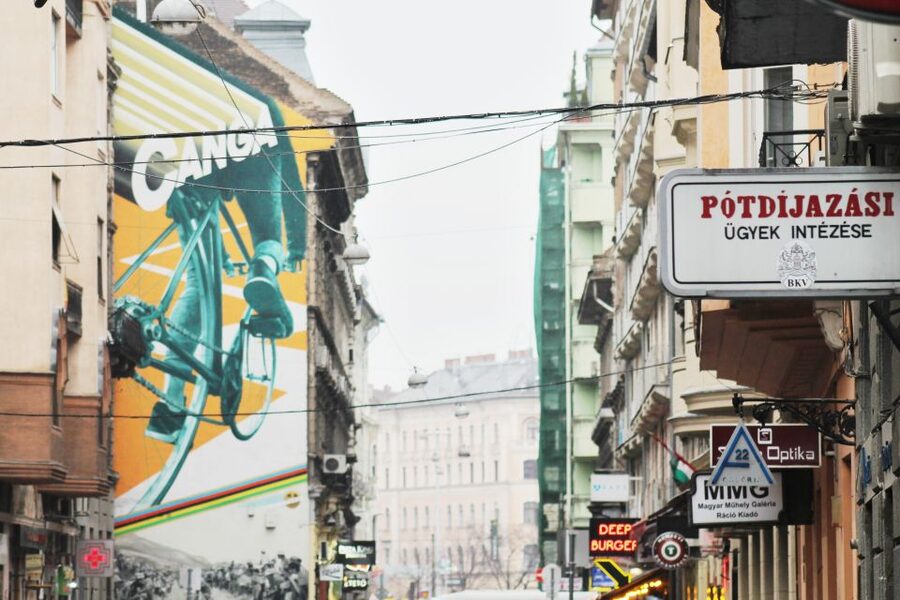
You’ll look at murals and learn about the local street art culture, including who the writers and artists are in the broader sense and how the community views their work. The tour avoids the vibe of, “Here’s a wall, take a photo.” Instead, it’s about why the art shows up, what it responds to, and how it fits into the city’s shifting attitudes.
A big part of what makes this work is the guide interaction. Names you might run into include guides like Raymond, Petra, Krisztián, and Anna. The consistent thread is that they’re not just reciting. They explain, they connect dots, and they stick around for your questions.
I especially like the way the tour connects what you see with how Budapest operates today. You’re learning to read the city like a conversation. That makes the murals and tags stop being random and start feeling like messages.
If you’ve already followed street art across Europe, this still can be worth it because you’re getting the Budapest-specific cultural lens. If you have zero interest in contemporary art and nightlife, you might feel the focus is too narrow.
Ruin Bars, Community Spaces, and Why Szimpla Kert Matters
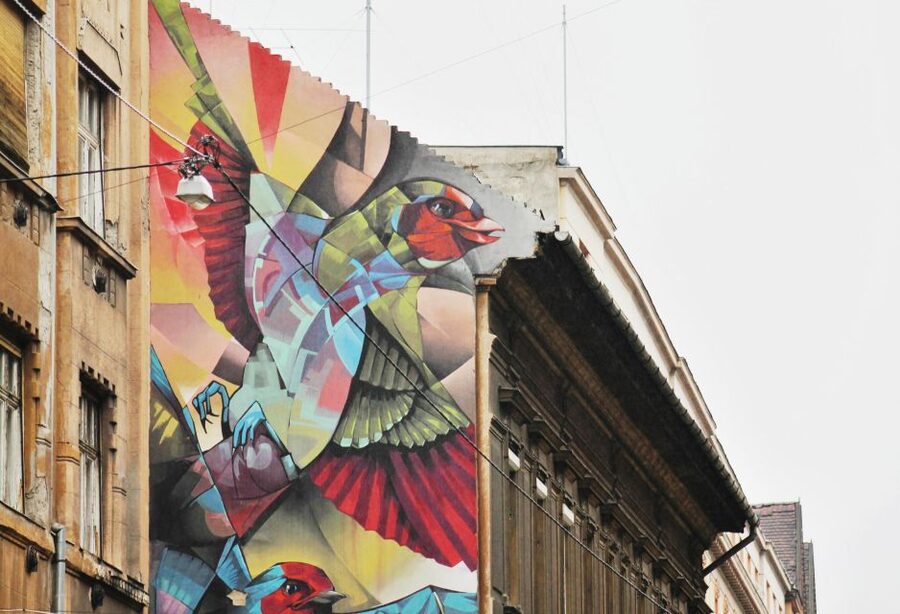
Ruin bars are often described as a novelty. Here, they come off as something more useful. They’re not just places to drink, they’re examples of how communities repurpose space when it has been ignored.
One stop you should expect the tour to orbit is Szimpla Kert. It is known for its maze-like layout, multiple rooms around a courtyard, and mismatched objects that look like they were collected by both taste and chaos. You’ll understand why it became such a symbol of Budapest’s creative revival, not just where to go for a drink.
You may also spend time near or at other spaces with community energy, including a ruin bar-cum community center concept. In the tour’s framing, these venues connect back to the underground music and the art scene you’re walking through. That is the difference between a ruin bar as a party spot and a ruin bar as a cultural organizer.
If you’re thinking about where to take friends after the tour, this section helps. You’ll learn what the scene looks like when it is functioning, not when it is being packaged.
Just remember: food and beverages are not included. You can take advantage of the chance to grab a coffee or beer, but budget for your own order.
Design Shops, Cafés, and the Stops That Make It Feel Local
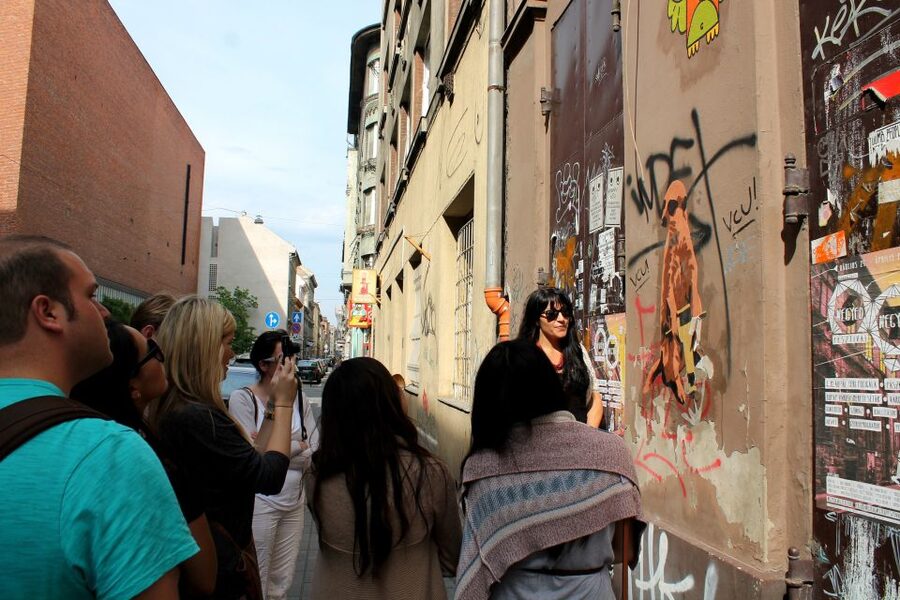
Half the fun is the “in-between” places. You’re not only seeing street-level art. You’re also getting guided taste of Budapest’s design-minded corners, small galleries, and bookstores that feel like someone’s personal project.
A place that pops up in stories from this tour is Printa, an eco design shop where you can stop for coffee. Another common pattern is a book shop café, plus time for sitting down and warming up. One guide-led style even includes a proper sit-down and hot drink stop when it’s cold, which I appreciate because a walking tour should never turn into a survival challenge.
These breaks are not filler. They help you absorb the neighborhood. After you’ve heard stories about squats, galleries, and the Jewish district’s changing identity, a coffee stop gives you a moment to think instead of just moving.
For value, these are the points where you can turn information into action. You might find a design shop you actually want to revisit, or a gallery you didn’t know existed, or a café that fits the vibe you’ve been chasing.




Time on Your Feet, Group Size, and Practical Wear-Your-Own-Agenda Advice
This walk is about 2.5 hours. Some descriptions put it closer to three hours, so think “a solid half-day commitment,” not a quick stroll.
The group size is limited to 10 participants, which is what makes it feel like a conversation. If you’re the type who likes to ask, this tour supports that. You also get a guide who can tailor answers on the fly, especially since the topic is specific.
The tour runs on foot, and it is not suitable for mobility impairments or wheelchair users. Comfortable shoes are a must, and weather-appropriate clothing matters. Budapest can flip from pleasant to cold or wet without warning, and the walking means you’ll feel it.
Also, plan your expectations around what’s included. You get the walking tour and a professional guide. Entrance fees are not included, and food and beverages are not included. That means the tour is about seeing and learning, not buying tickets to major attractions.
If you’re doing this on day one or two, I’d treat it like a city orientation. The guide’s up-to-date recommendations after the tour are part of the value, especially because they know where the scene is right now, not what used to be popular.
Price and Value: Is $67 Worth It?
At $67 per person for roughly 2.5 hours, the price can feel steep if you compare it to generic walking tours. Here’s how I’d judge the value.
It is worth it if you want expertise in a niche. Street art, alternative culture, ruin bars, and the Jewish district’s modern story are not things you’ll reliably piece together by yourself in a couple hours. A good guide saves time, and they also help you avoid misunderstanding what you’re seeing.
It is less worth it if you mainly want landmark sightseeing and big-ticket history. This tour is built to pull you off the usual tourist trail. You might walk past things that feel minor to you, because your guide is prioritizing the city’s underground threads.
The best sign of value is how people describe their guides. Many accounts praise guides for being engaged, friendly, and able to explain the city with stories that connect the dots. When that works, the $67 feels like paying for a local brain.
Who This Tour Fits Best (and Who Should Skip It)
Do this if you:
- Love street art and want the local context
- Care about Budapest nightlife and creative neighborhoods, not just monuments
- Prefer small groups and real Q and A time
- Want a guide who can suggest where to go next based on what you like
Skip it if you:
- Need wheelchair-friendly routes or have limited mobility
- Only want top tourist sights and structured museum stops
- Dislike contemporary culture and nightlife topics
And if you’re torn, think about your goal. If you want Budapest as a living city, not a postcard factory, this is a smart use of a half-day.
Should You Book This Alternative Walking Tour?
I’d book it if your Budapest plan includes more than one “scene.” This tour helps you understand the alternative side in a way that normal sightseeing rarely does. The small group format, the focus on murals and current culture, and the stop types like ruin bars and design-minded cafés all point to a walk that is meant to change how you see the city.
I would not book it if you’re mostly chasing famous sights and you want a more traditional, structured history route. In that case, you’ll likely feel the pricing and time don’t match your goals.
If you do book, come with good walking shoes and a curious mindset. Bring questions. This is the kind of tour where the best moments are the ones you ask for while you’re on the move.
FAQ
How long is the Alternative Budapest Walking Tour?
The tour duration is listed as 2.5 hours. Some descriptions also mention it as about three hours, so plan for a solid chunk of the afternoon or early evening.
What does the tour cost and what is included?
The price is $67 per person. Included are the walking tour and a professional guide. Entrance fees, food, and beverages are not included.
Where do we meet the guide?
Meet in front of the Lutheran Church (pale yellow), on the church steps. If you have trouble finding your guide, you can call the local partner for help.
What language is the tour guide?
The live tour guide speaks English.
What should I bring?
Bring comfortable shoes and comfortable clothes, plus weather-appropriate clothing.
Is the tour wheelchair accessible?
No. The activity is not suitable for people with mobility impairments and wheelchair users.
Keep Walking Budapest




More Tours in Budapest




More Tour Reviews in Budapest





Reviewed recently around Budapest
- Audio visual multi-sensory chefs journey dinner experience★ 5.0 · 3 reviews
- Tapolca Cave Lake and Tihany/ Balaton private tour from Budapest★ 4.5 · 3 reviews
- SzentEndre-SaintAndrew City Privately Shopping and Picturesque★ 4.5 · 3 reviews
- Sightseeing flight over Budapest★ 5.0 · 3 reviews
- Self Guided Tour In Budapest With 100 Captivating Audio Stories★ 5.0 · 3 reviews
- Private Danube Bend Visegrad and Szentendre Tour With Transport★ 5.0 · 3 reviews
Walking Tours, compared.
 ★ 4.5Buda Castle Walk with Saint Stephen’s HallFrom $293,012 reviews
 ★ 3.5Big Bus Budapest Hop-On Hop-Off Bus and Walking TourFrom $422,206 reviews
 ★ 4.6Buda Castle District Walking TourFrom $142,108 reviews
 ★ 5.0Budapest City Landmarks Walking Tour in 2 HoursFrom $32,048 reviews
 ★ 4.83-Hour Orientation Walking Tour of Buda and PestFrom $411,834 reviews
 ★ 4.33-Hour Grand City Tour and Castle WalkFrom $491,437 reviews
 ★ 5.0Budapest Historical Sightseeing – Free Walking TourFrom $31,302 reviews
 ★ 5.0Budapest All in One Small Group Walking Tour with Strudel StopFrom $1001,277 reviews
Browse the lists this tour appears in