
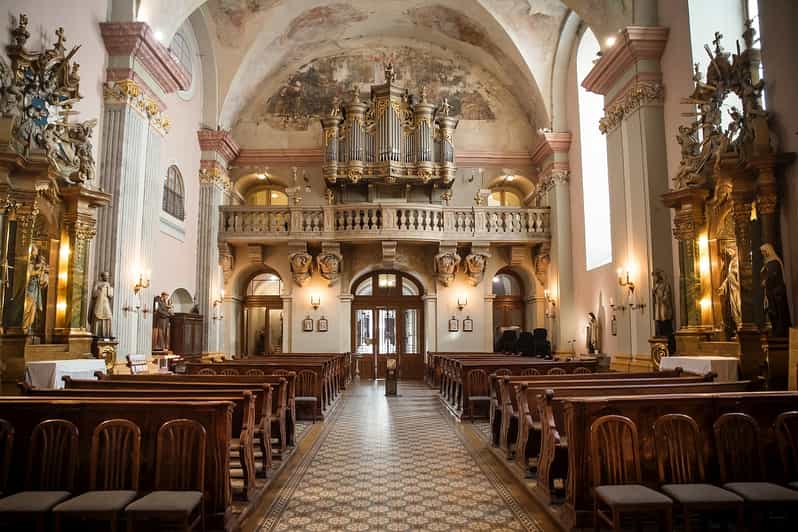
Review · CONCERTS, OPERA AND FOLK SHOWS
Budapest: Concert on the Oldest Working Organ in the City
Seventy minutes, one historic organ, zero fuss. This concert series turns St. Michael’s Church into a quiet listening room, powered by Budapest’s oldest working organ.
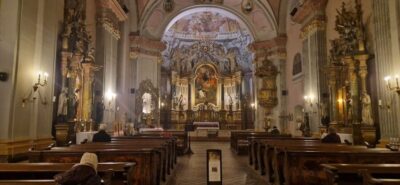
What I like most is that you get live classical music without needing to be a music expert, and the setting does half the work for you, especially in the Baroque church atmosphere.
My second favorite part is the way the experience is explained, with a short English introduction plus a printed programme leaflet. One heads-up, though, is that video and audio recording are not allowed, so plan to enjoy it with your ears, not your camera.
In This Review
- Key things to know before you go
- Where the concert starts, and how to find the white church fast
- St. Michael’s Church and Budapest’s oldest working organ
- The 70-minute flow, from introductions to the final cadence
- What you might hear: Bach, Handel, Mozart, Liszt, and Hungarian organ traditions
- Miklós Teleki and the performers behind the sound
- Solo organ nights vs chamber music dates with Nóra Ducza
- Price and value: what $24 gets you in Budapest
- Who should book this, and who might not
- Should you book this Budapest organ concert?
- FAQ
- How long is the concert?
- Where is the meeting point?
- What church is the concert in?
- What music style should I expect?
- Who performs at the concerts?
- Are video or audio recordings allowed?
- Is there an introduction in English?
- How much is the ticket?
- Is transportation included?
- Is the venue wheelchair accessible?
Key things to know before you go
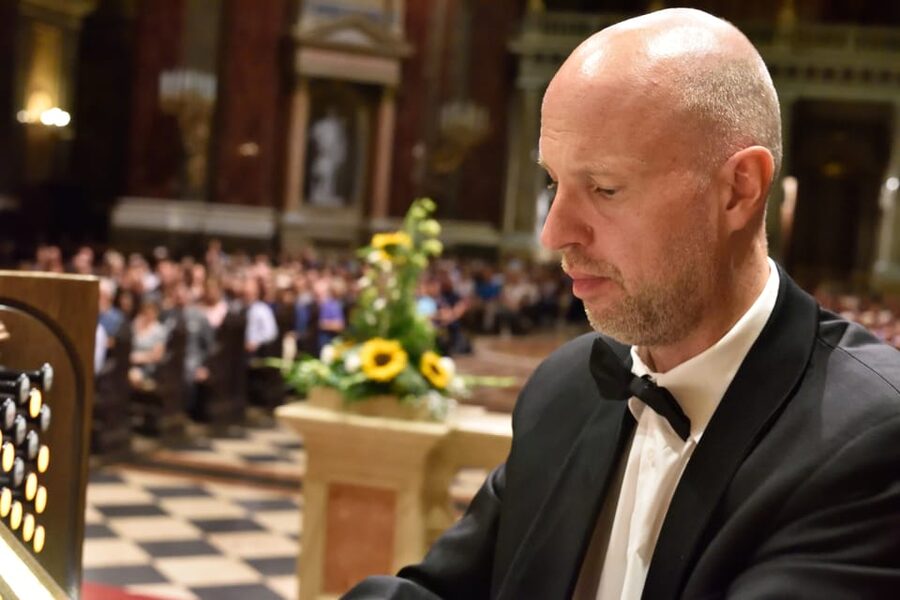
- Budapest’s oldest working organ played live in St. Michael’s Church
- 70 minutes of solo organ or chamber music, depending on the date
- English support with a short introduction and a leaflet programme
- You can see the organist on a screen, even though it is not a giant cathedral organ
- Major composers, plus Hungarian organ traditions, depending on the programme
Where the concert starts, and how to find the white church fast
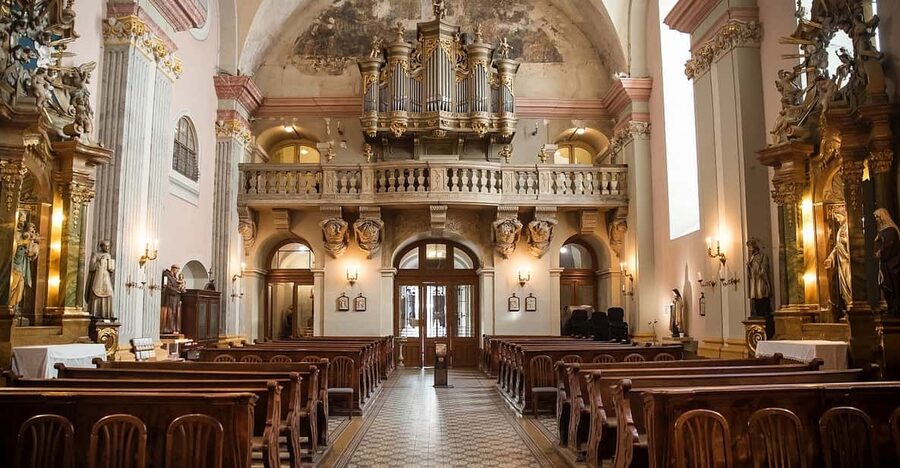
You meet at the corner of Váci utca and Nyáry Pál utca, in District 5, postal code 1056. The location is close to the Danube, and it is the kind of spot where you can make it work even if your day runs late. The building is the white church, and it is easy to recognize once you are on the right street.
If you are staying in central Pest, you can usually reach the area with a short walk or a quick hop on public transport. Transportation is not included in the ticket price, so I suggest you plan your trip so you arrive a few minutes early. The venue uses a simple ticket check system at the church door, and the whole process is quick once you are there.
Also note the practical rule that matters in real life: no recording. That means you will want your phone on silent and ready to do one job only, keeping time. If you like to capture moments, this is the wrong setting for it, but it is the right setting to focus.
St. Michael’s Church and Budapest’s oldest working organ
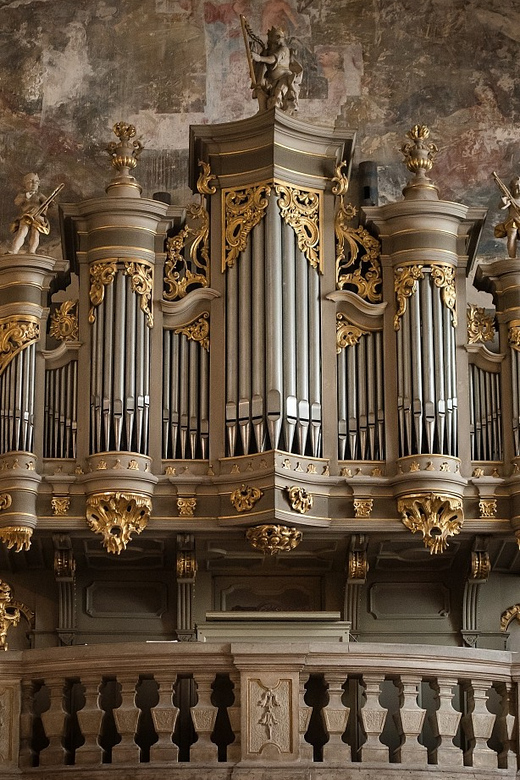
This is not a huge cathedral organ setup. The instrument here is described as a 25-pipe organ, installed in a way that blends acoustic sound and visual beauty inside the church. That smaller scale changes the vibe. Instead of feeling swallowed by organ sound, you get something closer to a close-up conversation with the music.
And because it is an organ built for real performance, not a museum piece, the sound carries in a very direct way. Organ music is often about structure, voices, and timing, and a working instrument helps those details stay clear. In a Baroque church, you also get natural reverb, so notes bloom and hang in the air, especially in slower movements and chorale-style pieces.
The experience is also designed around this instrument. The concert includes a short introduction, a printed leaflet, and even a screen showing the organist during the performance. That combination is a big help if you are not a lifelong organ person. You can follow along, watch how the hands move, and understand what kind of piece is being played before it reaches its emotional peak.
Evenings with music, a few more we sat through
- Budapest: Dinner Cruise with Live Music and Folk Dance Show
★ 4.4 · 2,090 reviews - Budapest: Opera House Guided Tour
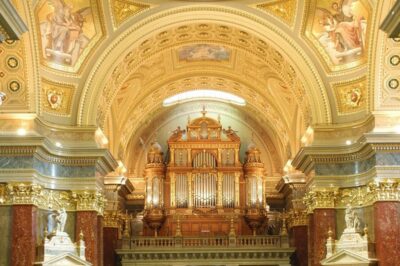
★ 4.6 · 1,533 reviews - Budapest: Classical Music Concerts in St Stephen’s Basilica
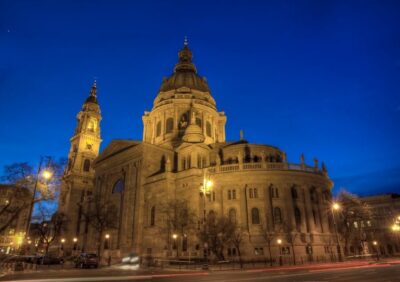
★ 4.7 · 1,479 reviews - Budapest: Organ Concert in St. Stephen’s Basilica
1,299 reviews
The 70-minute flow, from introductions to the final cadence
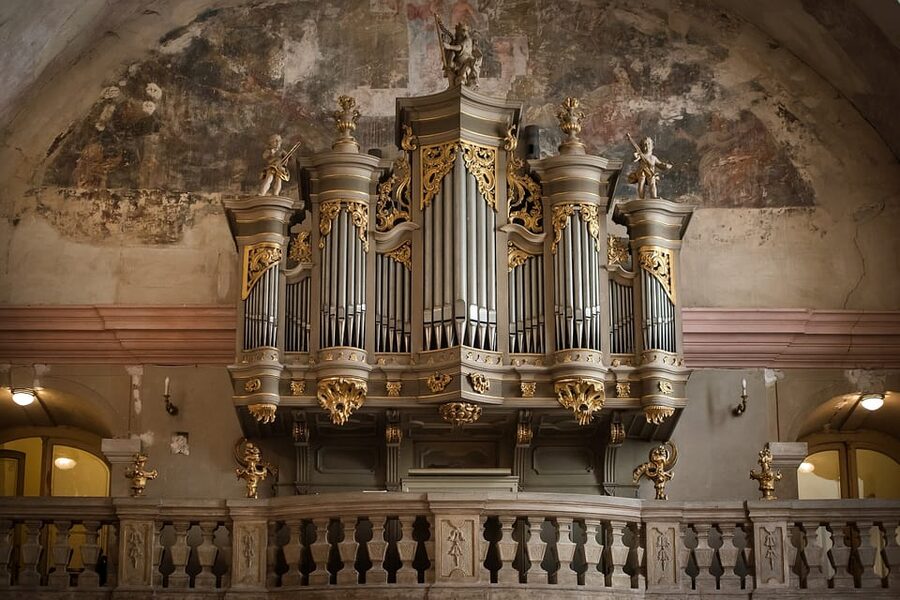
The concert runs about 70 minutes. There is typically a short introduction before the music begins, and it is offered in English and Hungarian. The programme leaflet is also available in those two languages, and it gives useful background on the organ and the pieces.
During the show, the organist’s playing is visible on a screen. That means you are not stuck staring at the front of the church and hoping you can see the mechanics. You can actually connect the sound to the physical performance.
There is no long intermission built into the basic experience. The event is meant to be a focused listening stretch. If you want something low-effort for the evening, this is a strong pick: you go in, settle, listen, and you are done in a reasonable time.
One more practical detail you will appreciate once you are inside: the programme tends to cover recognizable composers and also some local Hungarian selections. That helps if you are unsure what to expect. You are not gambling blindly on only obscure names, even though you might still discover something new.
What you might hear: Bach, Handel, Mozart, Liszt, and Hungarian organ traditions
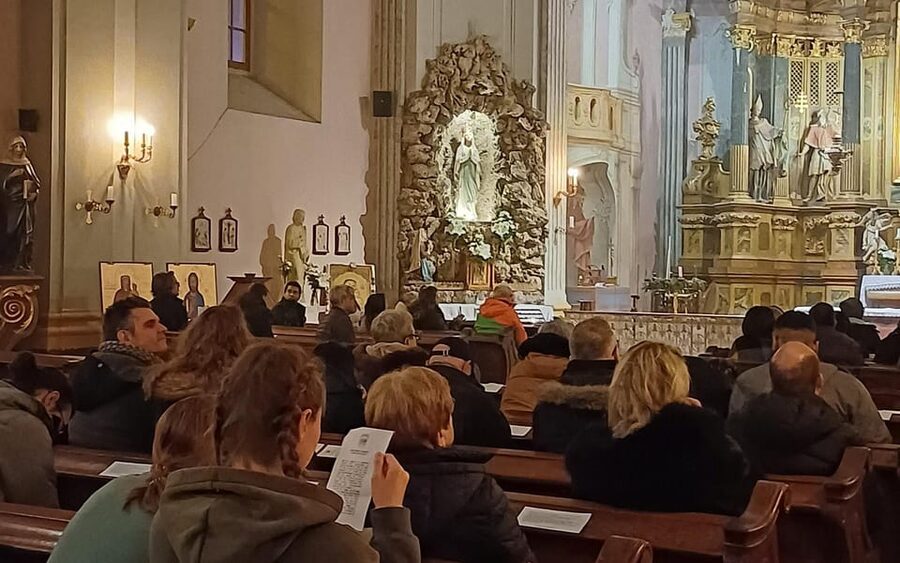
The programmes are built from classical staples and organ-specific favorites, with dates varying the exact set of pieces. The series includes selections like works by Bach, Handel, Mozart, Purcell, Vivaldi, Dubois, Franck, Mendelssohn, and Liszt, plus old Hungarian organ compositions.
If you like organ music because it feels both mathematical and emotional, Bach is usually the anchor. The example programme includes Bach’s Prelude and Fugue in B minor (BWV 544), and also Bach’s Trio Sonata in E-flat major (BWV 525). Those pieces reward close attention, especially the way voices interlock.
You might also hear organ arrangements or works connected to Handel and Purcell, along with Baroque patterns that work naturally in a church. Example programming includes Handel-Purcell-era material like Nun komm, der Heiden Heiland (BWV 659), which has that steady, hymn-like gravity that makes the organ feel almost like a choir.
Liszt appears too, including Consolation in D-flat major and Choral – Nun danket alle Gott in one sample programme. Even if Liszt is not your usual listening, organ versions can make the musical language easier to grasp. Dubois shows up as well, with pieces such as In Paradisum and Toccata in G major. Dubois is a good reminder that organ music is not only about baroque complexity, it can also be expressive, spiritual, and theatrical.
And then there are the Hungarian selections. One sample programme includes six old Hungarian organ compositions from Kilián Szigeti’s collection. That matters because it adds a local thread, not just the usual European “greatest hits.” It is one of the best ways to experience a city through its musical traditions without needing a music degree.
Miklós Teleki and the performers behind the sound
The series is led by Miklós Teleki, the creative director and main organist. He is described as an award-winning Hungarian musician who gives about 120 organ and piano recitals a year. That kind of workload usually means a very practiced performer who can control tempo, balance, and phrasing without making the music feel stiff.
Teleki plays in almost all recitals. The exception dates provided include 4 July, when Andres Uibo from Estonia plays the organ, and 31 October, when Tamás Lozsányi plays. So if you are planning around a specific artist, it pays to check the dates you are traveling.
Chamber music nights can also shift the lineup. In those programmes, you may hear a young soprano, Nóra Ducza, alongside Miklós Teleki. When a voice enters the mix, the organ does not just “fill space.” It can also support phrasing, add harmonic warmth, and create a different kind of emotional focus than solo organ.
The bottom line is that the performance side is taken seriously. You are not just buying access to an organ in a church, you are buying a real musical programme with professional musicians.
Solo organ nights vs chamber music dates with Nóra Ducza
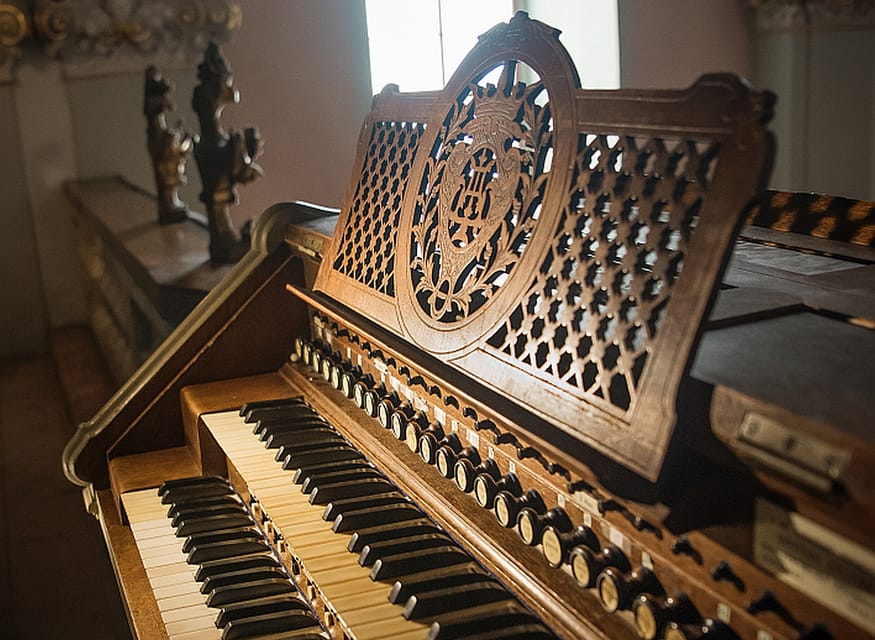
Depending on the date, the series offers either solo organ or chamber music. If you want the purest organ experience, pick a solo organ evening. If you want something that feels more like a mini performance with characters and contrast, chamber nights are usually more appealing.
The chamber concerts with Nóra Ducza and Miklós Teleki are scheduled on:
- 30 May
- 18 July
- 29 August
- 17 October
- 23 December
Solo organ and chamber combinations are part of the same overall series, so the format still stays familiar: intro, leaflet, programme, and the organist visible on the screen.
There are also specific seasonal notes. For 2025, there are two Tuesday night concerts in late December on 23 and 30 December. If your trip lands around those dates, it is worth checking the exact programme because your listening experience will vary from night to night.
Whole city overviews, compared

Price and value: what $24 gets you in Budapest
The ticket price is listed as $24 per person, and the experience lasts about 70 minutes. That is not “cheap” in the sense of bargain entertainment, but it is also not priced like a high-end West End-style evening. For the value you get, it is a solid deal.
Here’s why:
- You get a live organ concert in a real church space, not a recording or demo.
- The venue is tied to something special, Budapest’s oldest working organ.
- You receive a programme leaflet and an English introduction, which actually helps you enjoy the music.
- You skip the ticket line, saving time if your evening is packed.
If you are comparing this to other paid cultural stops, the big advantage is focus. There is no long museum wandering, no maze of rooms, no searching for context. You sit, listen, and let the music do the work.
Also, if you enjoy classical music but find big symphony concerts intimidating, this is easier. Smaller scale, shorter time, and clear introductions make it more approachable.
Who should book this, and who might not
I think this concert is a great fit if you want:
- A calm evening with a fixed, well-paced runtime
- A chance to hear real organ sound in Budapest, not just a landmark photo
- Music programmes that include both global favorites like Bach and local elements like old Hungarian organ works
It might be less ideal if you:
- Expect to record or film the show (you cannot)
- Need a big crowd energy or a social event vibe
- Want something that runs much longer than 70 minutes
One more thought: because the organ here is a 25-pipe instrument rather than a giant cathedral setup, the experience is more intimate. If you are chasing sheer volume and cathedral scale, you might feel it is more personal than massive. Personally, I see that as a win, but it depends on your taste.
Should you book this Budapest organ concert?
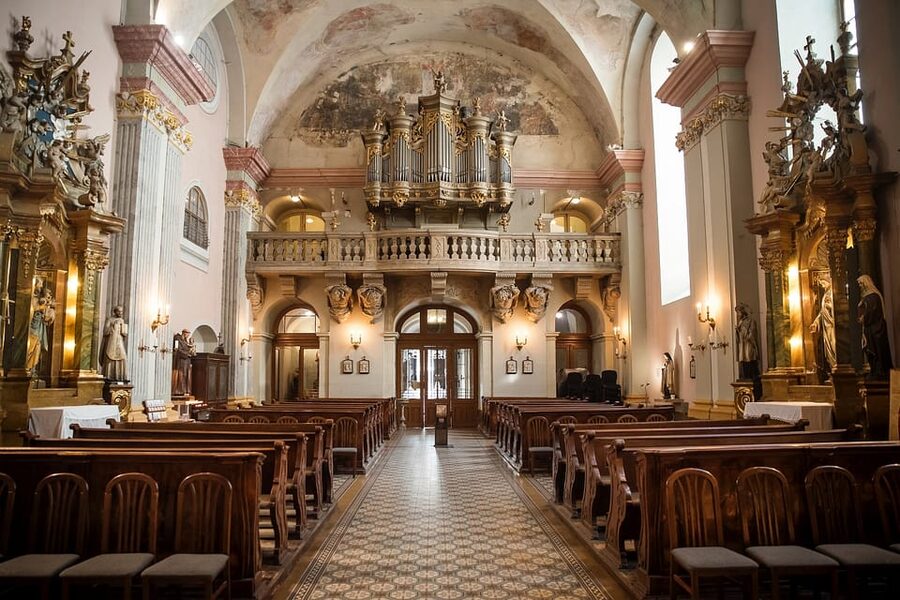
Yes, if you are looking for a high-quality evening that is simple to do and easy to enjoy. The combination of a beautiful Baroque church setting, a working organ with Budapest’s oldest status, and an organized listening format (intro plus leaflet, plus visible organist on screen) makes this one of those “small plan, big payoff” nights in Budapest.
Book it especially if you like classical music and want a Budapest-specific twist with Hungarian organ pieces. If you are strict about being able to record, or you hate being told to keep your phone away, then skip it. Otherwise, it is a thoughtful choice for a Friday evening or a December night, and it is an easy add-on to a sightseeing day.
FAQ
How long is the concert?
The concert lasts about 70 minutes.
Where is the meeting point?
You meet at the corner of Váci utca and Nyáry Pál utca in Budapest’s 5th District (zip code 1056), near the Danube.
What church is the concert in?
It takes place at St. Michael’s Church in Budapest.
What music style should I expect?
You can expect varied solo organ or chamber music pieces, with programmes that may include works by composers such as Bach, Handel, Mozart, Purcell, Vivaldi, Dubois, Franck, Mendelssohn, Liszt, and also old Hungarian organ compositions.
Who performs at the concerts?
Miklós Teleki is the creative director and main organist for the series. On some dates, other organists play, including Andres Uibo and Tamás Lozsányi. Chamber concerts include a soprano, Nóra Ducza, with Miklós Teleki.
Are video or audio recordings allowed?
No. Video recording and audio recording are not allowed.
Is there an introduction in English?
Yes. There is a short introduction in English (and also Hungarian), and the printed programme leaflet is available in English and Hungarian.
How much is the ticket?
The price is listed as $24 per person.
Is transportation included?
No. Transportation is not included.
Is the venue wheelchair accessible?
Yes, it is listed as wheelchair accessible.
The Whole of Budapest, Briefly





More Tour Reviews in Budapest




Music Nights in Budapest



Reviewed recently around Budapest
- Audio visual multi-sensory chefs journey dinner experience★ 5.0 · 3 reviews
- Tapolca Cave Lake and Tihany/ Balaton private tour from Budapest★ 4.5 · 3 reviews
- SzentEndre-SaintAndrew City Privately Shopping and Picturesque★ 4.5 · 3 reviews
- Sightseeing flight over Budapest★ 5.0 · 3 reviews
- Self Guided Tour In Budapest With 100 Captivating Audio Stories★ 5.0 · 3 reviews
- Private Danube Bend Visegrad and Szentendre Tour With Transport★ 5.0 · 3 reviews
Concerts, Opera and Folk Shows, compared.
 ★ 4.4Dinner Cruise with Live Music and Folk Dance ShowFrom $932,090 reviews
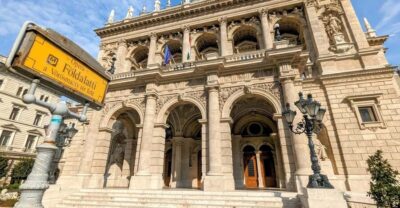 ★ 4.6Opera House Guided TourFrom $331,533 reviews
 ★ 4.7Classical Music Concerts in St Stephen’s BasilicaFrom $701,479 reviews
 Organ Concert in St. Stephen’s Basilica1,299 reviews
 ★ 4.6Classical Music Concerts in Matthias ChurchFrom $70792 reviews
 ★ 4.6Classical Music Concert in St. Michael’s ChurchFrom $53682 reviews
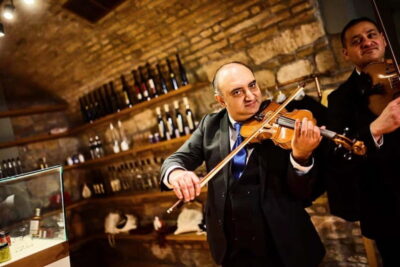 ★ 4.5Hungarian Folk Dance & Concert with Dinner OptionFrom $22543 reviews
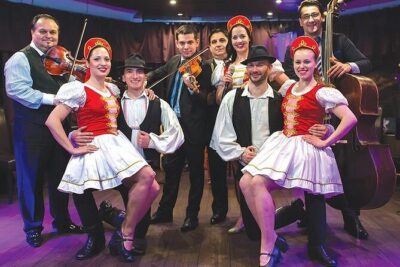 ★ 4.04 Course Dinner Cruise with Operetta, Folk Show and Welcome DrinkFrom $109272 reviews
Browse the lists this tour appears in