
Review · JEWISH QUARTER AND HERITAGE
Budapest Jewish Cuisine & Culture Walk
Follow the flavors through the old ghetto streets. This 4-hour walk in Budapest’s Seventh District pairs WWII-era Jewish history with real, satisfying food stops, including flodni, turos taska, and a traditional lunch. I also like how the tour keeps the story human and place-based, as you move from memorials and synagogue exteriors to modern ruin-pub culture, with multiple drink tastings along the way.
My one heads-up: the Dohány Grand Synagogue interior is not included, so if you want to go inside that main landmark, plan for a separate ticket.
In This Review
- Key things you will enjoy most
- Jewish Quarter context you can actually feel
- Meeting Point and the 11:00 AM walking rhythm
- Dohány Street Synagogue exterior and the WWII story markers
- Food stops that make the neighborhood make sense
- Traditional lunch with wine, not just more snacks
- Coffee break and the flow to ruin pub pálinka
- What the price really buys you at $155
- Who this tour is best for (and who should think twice)
- Practical planning tips before you go
- Should you book the Budapest Jewish Cuisine and Culture Walk?
- FAQ
- How long is the Budapest Jewish Cuisine & Culture Walk?
- What time does the tour start?
- Where do I meet the guide?
- Is the tour offered in English?
- What food and drinks are included?
- Does the price include entry to Dohány Grand Synagogue?
- How big is the group?
- Can I get a refund if I cancel?
Key things you will enjoy most
- WWII memorial stops built into a food-and-culture walk, so the neighborhood has context, not just atmosphere
- A small-group pace (capped at a low number of people) that keeps questions flowing and makes tastings easier to manage
- Iconic Jewish foods on the route, like flodni and turos taska, plus savory bites such as sausage and goose crackling
- A sit-down traditional Jewish lunch with wine, not just snacks on the sidewalk
- Kosher pálinka tasting at the end, paired with coffee time to keep the pace comfortable
- Stops around Dohány Street Synagogue exterior and WWII-related Jewish sites, with a focused route through the area
Jewish Quarter context you can actually feel
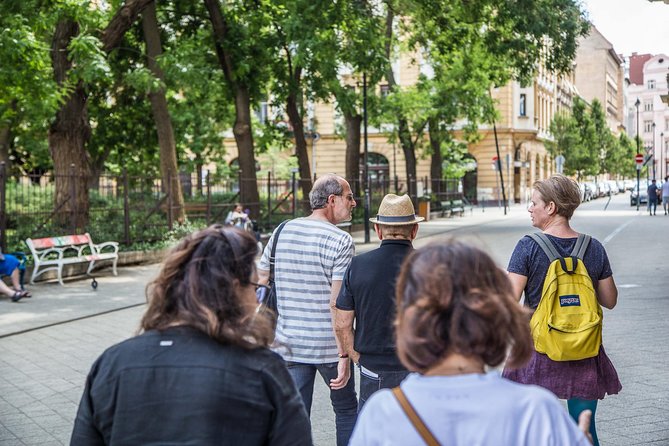
Budapest’s Seventh District is one of those places where the map makes sense only after you learn the story. The old Jewish quarter was shaped by medieval Jewish life, then brutally transformed during World War II into a ghetto. What makes this experience worthwhile is that you see how the community survived, carried culture forward, and helped create today’s mix of memorials, synagogues, street art, cafés, and packed food spots.
I like that the tour does not treat the area like a museum you just walk past. You get guided context as you move, so the memorials and buildings feel connected to the food you are eating. And you also get the more modern layer, where the same streets that held fear now host lively bars and design shops.
The overall tone is honest, not gloomy for the sake of drama. You will walk past reminders of Jewish victims from WWII, and then you will see how the neighborhood now earns its reputation for culture and food.
Meeting Point and the 11:00 AM walking rhythm
You meet in central Budapest at Madách Imre tér. The start time is 11:00 am, and the tour lasts about 4 hours, though a guide-driven route can stretch closer to the 5 to 6 hour range depending on how you pace and how much time is spent at each stop.
Because this is a walk with multiple tastings and a lunch, timing matters. I recommend you plan for a late breakfast or a light morning meal. If you show up hungry, great, but if you show up already full, you may end up skipping bites later, and the whole point is sampling across sweet and savory Jewish favorites.
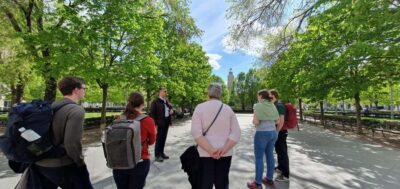
The group stays small, which changes everything. You are not lost in a big crowd, and you get time to ask the practical questions, like how certain dishes became favorites, or why certain community traditions still show up in food today.
Keep eating. More Budapest tastings on our list
- Countryside Half-day Gastro-Wine Tour from Budapest Meal & pickup
★ 5.0 · 1,450 reviews - Budapest All in One Small Group Walking Tour with Strudel Stop
★ 5.0 · 1,277 reviews - Budapest: Hungarian Chimney Cake Workshop in the City Center
★ 4.8 · 885 reviews - Budapest: Wine, Cheese, and Charcuterie Tasting
★ 4.9 · 647 reviews
Dohány Street Synagogue exterior and the WWII story markers
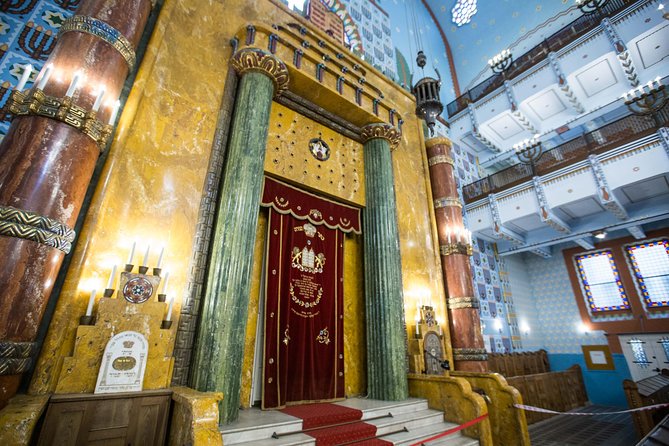
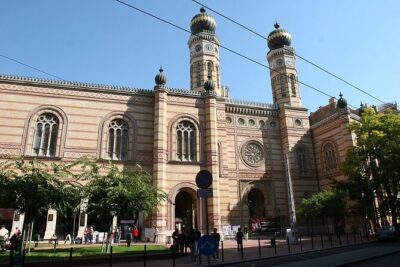
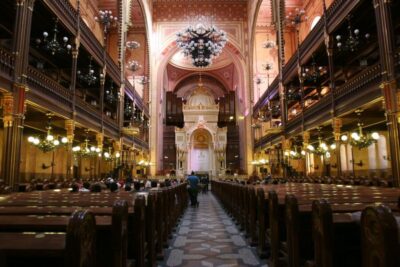
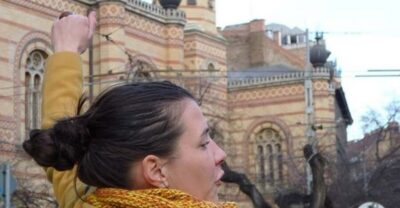
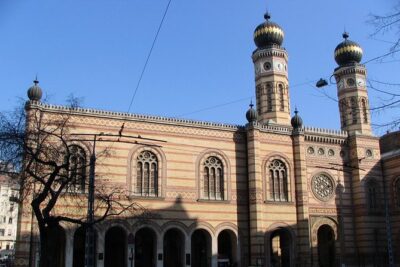
One of the first major visual anchors is the Dohány Street Synagogue, famous for its Moorish-style exterior and often described as Europe’s largest synagogue. During this walk, you will admire the exterior while your guide places it in historical context. This is a good approach, because you also learn what the building meant to the community, instead of treating it like a quick photo stop.
After that, you will focus on WWII-related memorials and Jewish sites connected to the ghetto era. This part matters because it slows the pace, and it gives you language for what you are seeing. Rather than just looking at names and dates, you learn what the neighborhood was used for and what happened to the people who lived here.
Important practical note: the tour includes an entrance fee to a synagogue, but entrance fees to the Dohány Grand Synagogue are not included. So if the interior of the main landmark is a must for you, you should plan a separate visit on another day.
Food stops that make the neighborhood make sense
This is a culinary tour, so the Seventh District becomes a menu in motion. You will make several tasting stops, and the exact selection can vary depending on day-to-day availability. That said, you can expect Jewish classics that show up again and again in Hungarian Jewish cuisine.
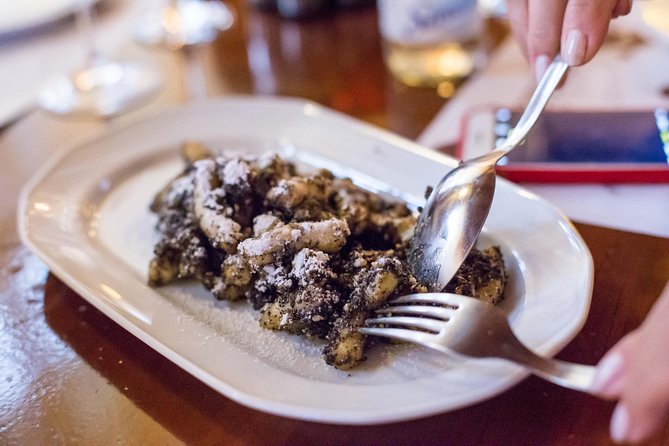
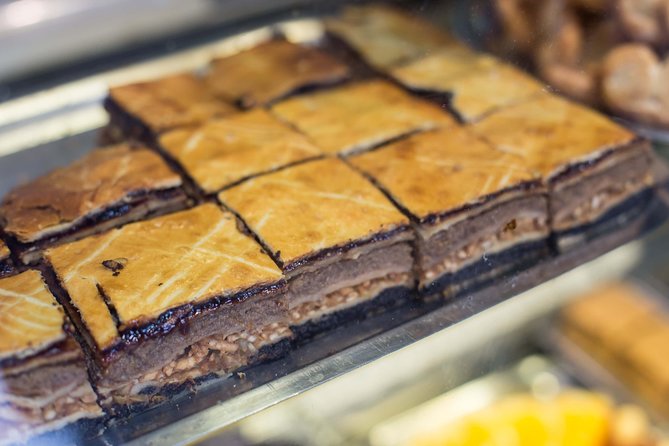
Two sweet bites that are specifically called out are turos taska and flodni. Turos taska is a curd-cheese pastry, usually soft, comforting, and slightly tangy. Flodni is another traditional sweet, with a texture and flavor profile that feels more like a regional specialty than a generic dessert. The point is not just to eat sugar, but to taste what the community turned into everyday comfort.
On the savory side, the tour also includes bites like sausage and goose crackling. This is where the day shifts from dessert energy to hearty, older-world flavor. You get a sense that Jewish food here was built to sustain people, not just impress visitors.
Some departures may also connect to dishes that many people associate with traditional Jewish comfort food, like matzo ball soup, cholent, or brisket at the lunch stage. Even when the menu changes, the theme stays consistent: familiar comfort dishes, made local through Hungarian ingredients and technique.
A practical tip I wish more people knew before tours like this: you can manage tastings better if you pace your bites. Take a few moments between stops to drink water, then go back in for the next sampler. When you do it right, you will taste more, and nothing turns into an accidental race.
Traditional lunch with wine, not just more snacks
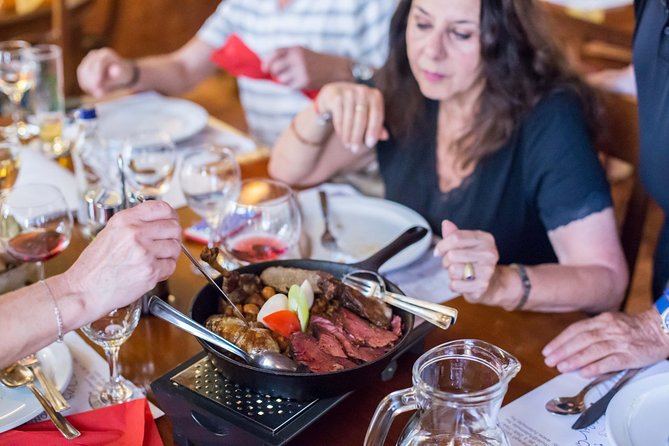
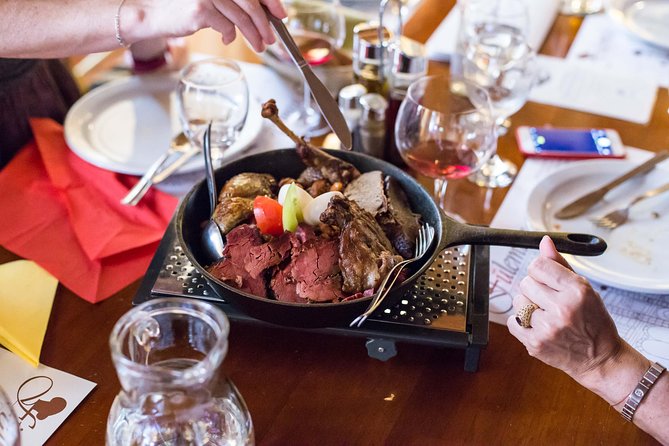
After the tasting route and the neighborhood walk through street art and shops, you sit down for a traditional Jewish lunch. This meal is more than a filler. It is a proper Hungary-style Jewish comfort spread, with dishes that can anchor your understanding of the cuisine.
The menu can include solet, a Hungarian take on bean stew, and goose soup. Solet is the kind of dish that feels thick, warm, and practical, like food designed for real cold-weather days. Goose soup adds a gentler, nourishing layer, with flavor that comes from the whole bird and time.
Your lunch also includes wine. That matters because the tour gives you drink tastings, so the wine pairing keeps everything part of a single rhythm rather than you bouncing between unrelated sips.
Depending on the day, the lunch might also feature other classic Jewish staples, like the comfort-food examples you sometimes see people mention, including matzo ball soup or cholent. I suggest you do not overthink it. Bring an open mind, and treat lunch like the main event.
If you have dietary needs, tell the operator during booking. The tour is explicit about advising dietary requirements, and that kind of advance note makes it easier for the restaurant partners to adjust.
Coffee break and the flow to ruin pub pálinka
After lunch, you get some breathing space at a coffee bar. This is a small detail that I really appreciate. Tastings plus lunch can make your day feel like a sprint if there is no pause, and coffee time helps you reset your senses.
Then comes the signature finish: kosher pálinka at a ruin pub or a local wine bar. Pálinka is a fruit spirit, and the kosher version is part of the route’s focus on Jewish traditions in modern Budapest. This is also a smart way to end the tour because your brain is full of history, and the drink experience gives a social, human closing note.
Do not plan to treat this as a buzz-and-go event. You are still on a walking route, and you will likely want to keep energy for questions and photos. Sip calmly, enjoy the flavors, and save your late-night plans for after the tour ends.
Deeper into the old Jewish Quarter
What the price really buys you at $155
At $155 per person for about 4 hours, this does not read like a budget snack tour. But when you break down what you get, it starts to make sense.
You are paying for an expert guide, multiple food tastings, drinks tastings including pálinka, and a traditional lunch with wine. You are also getting entrance coverage for a synagogue site as part of the experience. On top of that, you get a carefully walked route through a historically heavy neighborhood, where context matters as much as the food.
If you try to recreate this alone, you would need to coordinate your own route, hunt down the right places for specific Jewish dishes, and then pay for entrance tickets and multiple meals. That is doable, but it takes time, local knowledge, and patience with decision-making. This tour handles the planning for you.
Group size also affects value. A smaller cap means you are less likely to miss a stop or get stuck waiting. You also get better attention from the guide, especially during the memorial and history portions where questions often come up.
Who this tour is best for (and who should think twice)
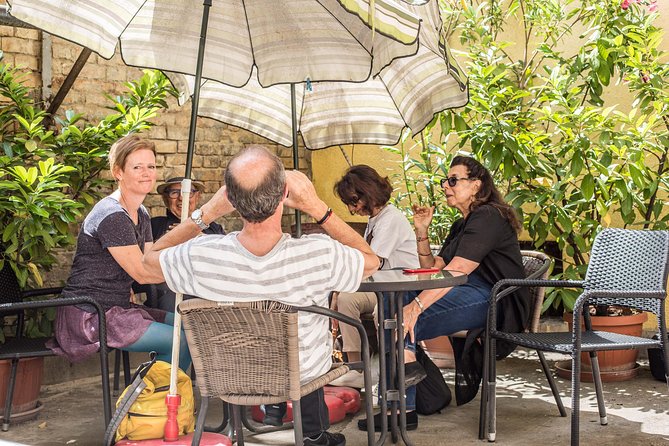
This walk is ideal if you want an easy entry point into the Seventh District. You do not need to be a food expert, and you do not need to know Hungarian Jewish history beforehand. The tour gives you enough structure to turn what you see on the street into something you understand.
It is also a great fit if you enjoy a mix of food and walking, but you want the “why” behind the dishes. If you only want a quick list of restaurants, you might find the historical stops slower than you want.
If you are very focused on visiting the interior of the Dohány Grand Synagogue, note that the main interior entrance is not included in this package. You can still do the walk, but you will probably add a separate visit later.
Finally, if you prefer heavy quiet time and minimal alcohol, this might feel a bit lively for your style. The pálinka tasting is included, and you will have wine with lunch, even if the tour pacing is comfortable.
Practical planning tips before you go
Here are a few things that will help you get the most out of the walk:
- Eat light beforehand. You will sample sweets and savory bites, then you will have lunch.
- Wear comfortable shoes. This is still a walking tour with multiple stops.
- Bring questions. The tour is set up for guide-led explanations, especially around WWII memorials.
- Tell the operator about dietary needs up front. The tour asks you to advise requirements during booking.
- Plan on finishing with drinks. If you have plans later that require full attention, consider keeping them low-key.
Also, since the route covers major sights in the Jewish quarter, it is a smart choice if you want to get your bearings fast and understand how the district works before exploring on your own.
Should you book the Budapest Jewish Cuisine and Culture Walk?
If you want a balanced Budapest afternoon that combines WWII context, major Jewish sites, and meaningful food, I would book this. The small-group feel, the mix of sweet and savory tastings, and the included lunch with wine make it feel like a real experience rather than a fast tourist circuit.
The one reason to hesitate is if Dohány Grand Synagogue interior access is the top priority. In that case, this walk is still valuable for the exterior landmark, memorial context, and the food story, but you should plan a separate synagogue ticket for the interior.
Overall, this is the kind of tour that leaves you with both full stomach energy and a clearer understanding of why Budapest’s Jewish Quarter matters. If it fits your schedule, it is a strong use of a half day, especially when you want more than just pictures.
FAQ
How long is the Budapest Jewish Cuisine & Culture Walk?
It runs for about 4 hours.
What time does the tour start?
The start time is 11:00 am.
Where do I meet the guide?
You meet at Budapest, Madách Imre tér, Hungary, and the tour ends back at the meeting point.
Is the tour offered in English?
Yes, it is offered in English.
What food and drinks are included?
You get food tastings, drinks tastings that include pálinka, and a traditional Jewish lunch with wine.
Does the price include entry to Dohány Grand Synagogue?
Entrance fees to the Dohány Grand Synagogue are not included.
How big is the group?
The tour has a maximum of 8 travelers, and it is described as a small-group experience limited to six people.
Can I get a refund if I cancel?
This experience is non-refundable and cannot be changed for any reason.
More Tour Reviews in Budapest





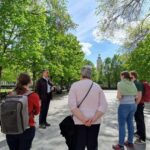
The Jewish Quarter, Continued



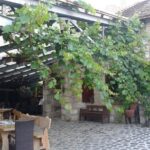
Room for One More Plate in Budapest


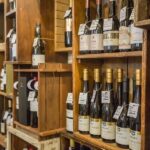

Reviewed recently around Budapest
- Audio visual multi-sensory chefs journey dinner experience★ 5.0 · 3 reviews
- Tapolca Cave Lake and Tihany/ Balaton private tour from Budapest★ 4.5 · 3 reviews
- SzentEndre-SaintAndrew City Privately Shopping and Picturesque★ 4.5 · 3 reviews
- Sightseeing flight over Budapest★ 5.0 · 3 reviews
- Self Guided Tour In Budapest With 100 Captivating Audio Stories★ 5.0 · 3 reviews
- Private Danube Bend Visegrad and Szentendre Tour With Transport★ 5.0 · 3 reviews
Jewish Quarter and Heritage, compared.
 ★ 5.0Budapest Jewish Heritage Memorial Walking Tour & Synagogue EntryFrom $83568 reviews
 ★ 4.8Jewish Heritage Guided Tour with Synagogue TicketFrom $81533 reviews
 ★ 5.0Walking Tour Budapest incl. the Shoes on the Danube BankFrom $3387 reviews
 ★ 4.7Jewish Quarter of Budapest Walking TourFrom $2369 reviews
 ★ 5.0Best of Downtown and Jewish Quarter TourFrom $23312 reviews
 ★ 5.0Past and Present of Budapest Jewish District TourFrom $3264 reviews
 ★ 5.0Budapest City Walk in Jewish QuarterFrom $356218 reviews
 ★ 4.5Budapest Dohany Synagogue & Hungarian Jewish Museum & free extrasFrom $44218 reviews
Browse the lists this tour appears in