
Review · JEWISH QUARTER AND HERITAGE
Budapest Jewish Heritage Memorial Walking Tour & Synagogue Entry
Budapest’s Jewish story starts with one building. This small-group walk threads together Dohány Street Synagogue and the Jewish Museum so you get context, not just photos. I also like that guides such as Benji and Barbara are strong story-tellers who keep things clear and conversational. One possible drawback: you should expect some seated listening time inside the synagogue, depending on the group and guide style.
You’ll cover major sites tied to Hungarian Jewish life, World War II memory, and the postwar effort to keep identity visible. With up to 15 people, it’s a manageable pace, and the mobile ticket makes entry days easier. If you hate waiting or speeches, plan to bring patience and a few questions ready.
In This Review
- Key things that make this tour worth your time
- Entering Dohány Street Synagogue, not just looking at it
- Essential vs Grand Tour: choosing the right length
- The Essential Tour (the tighter route)
- The Grand Tour (the longer loop)
- Jewish Museum and Archives: art, everyday life, and memory
- Raoul Wallenberg and Carl Lutz: seeing rescue as history
- Jewish Quarter streets and Heroes’ Temple: the city as a living record
- Kazinczy Street Synagogue and the kosher food moments
- Price and value: why $83.44 can make sense here
- Timing, group size, and what to pack for a 3-hour walk
- Should you book the Budapest Jewish Heritage Memorial Walking Tour?
- FAQ
- How long is the Budapest Jewish Heritage Memorial Walking Tour?
- Where does the tour start?
- Is the tour offered in English?
- Is there a mobile ticket?
- How large is the group?
- What entrances are included?
- Is hotel pickup included?
- Are there food or restaurant options included?
- Can I cancel and get a refund?
- What happens after the tour ends?
Key things that make this tour worth your time
- Inside the Dohány Street Synagogue first so the rest of the walk has meaning
- A guided Jewish Museum visit focused on art, Jewish traditions, and a Holocaust memorial room
- Memorial stops tied to real rescuers, including Raoul Wallenberg and Carl Lutz
- Two route options (Essential and Grand) so you can match your schedule
- A kosher sweets break plus restaurant discount options for an easy food win after
- Small group size (max 15) which usually means more chances to ask questions
Entering Dohány Street Synagogue, not just looking at it
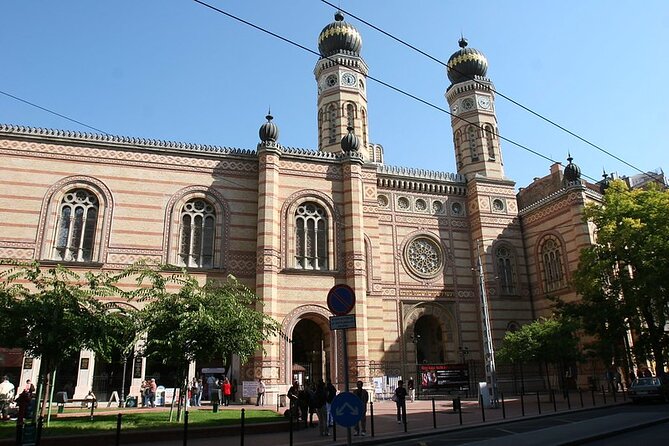
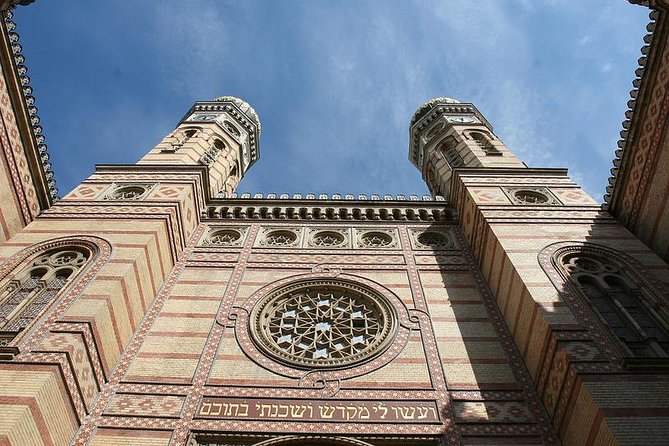
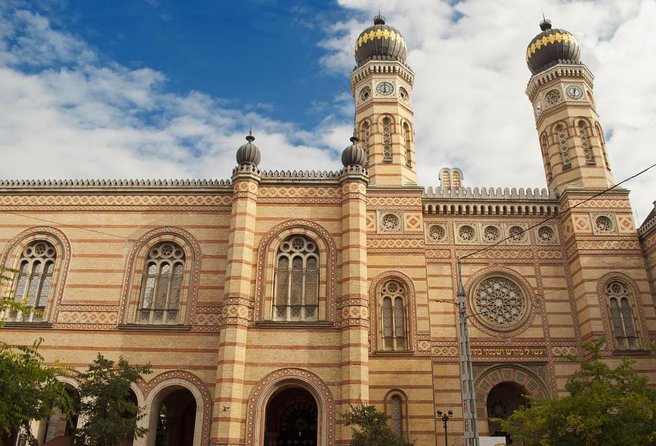
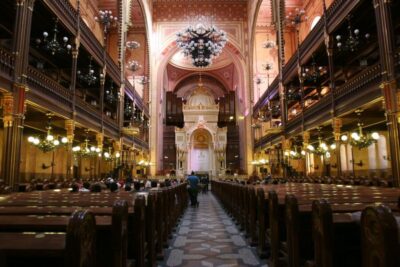
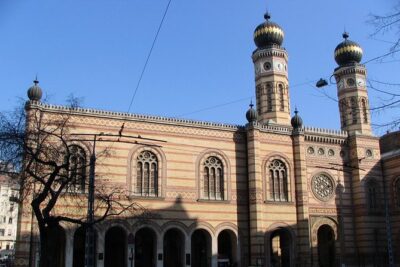
Your tour meets at Dohány u. 2, at the Dohány Street Synagogue, right near public transport. The whole experience starts here for a reason. This is the largest synagogue in Europe, and that scale matters because it tells you how visibly the community wanted to exist in the city.
You’ll start with an interior visit, which is where the tour really earns its keep. Outside, it’s all angles and grandeur. Inside, you get the symbolism and the human side, like how space, ritual, and community life shape what you see.
A practical note: one review pointed out that the synagogue portion can include a long stretch of sitting while the guide explains. So if you’re the type who gets restless quickly, bring a little extra focus. Think of it like the “orientation moment” for everything else you’ll visit.
Essential vs Grand Tour: choosing the right length
This experience comes in two styles, and choosing between them is the difference between a focused taste and a longer circuit.
Deeper into the old Jewish Quarter
- Budapest Jewish Heritage Memorial Walking Tour & Synagogue Entry
★ 5.0 · 568 reviews - Budapest: Jewish Heritage Guided Tour with Synagogue Ticket
★ 4.8 · 533 reviews - Walking Tour Budapest incl. the Shoes on the Danube Bank
★ 5.0 · 387 reviews - Jewish Quarter of Budapest Walking Tour
★ 4.7 · 369 reviews
The Essential Tour (the tighter route)
If you pick the Essential option, your route is designed to be efficient. You’ll visit the synagogue first, then head to the Jewish Museum, and continue to major memory points around the Jewish Quarter area.
From there, expect stops that connect World War II history to how the city remembers today. You’ll pass through the area of the old Jewish Quarter, including the reality of ghetto life during the Second World War. The route also includes Heroes’ Temple, tied to those lost in World War I, so the walk isn’t only about one era. It’s about layered loss and remembrance.
The Grand Tour (the longer loop)
The Grand option continues beyond the Essential route with extra stops for people who want more stops, more streets, and more names.
You’ll pass by Gozsdu Udvar, a lively passage that gives you a sense of how Budapest’s Jewish-linked neighborhoods feel in everyday life. Then you go to the Carl Lutz Memorial Park, named for another key figure associated with saving lives during World War II.
After that, you head to Kazinczy Street Synagogue. This is one of the largest operating Orthodox synagogues in Europe, and it’s known for its Art Nouveau look. That style contrast is a nice payoff after the more monumental Dohány Street building, because it shows how Jewish life has expressed itself through different places, design choices, and communities.
If you enjoy your tours like a playlist where the beats keep coming, the Grand option will feel satisfying. If you prefer calmer pacing and a shorter day, Essential is the safer bet.
Jewish Museum and Archives: art, everyday life, and memory
The museum stop is a major reason people feel this tour is more than a quick synagogue visit.
You get local guided time inside the Jewish Museum and Archives, and the focus is practical: you’ll see Hungarian and Eastern European artistic collections connected to Jewish heritage, and you’ll learn how Jewish tradition shows up in everyday life, not only in major historical events.
One room is specifically set aside to commemorate the Hungarian Holocaust. That matters, because it turns the big, abstract word Holocaust into a location you can point to. It also helps your later memorial stops land emotionally, since you already know how the museum frames the story.
Time-wise, you should plan for around 45 minutes in the museum experience. That’s enough time to absorb what the guide is pointing out, but not so much that you’ll glaze over. If you’re the type who reads every label, you may want to stay a bit more focused on what your guide is highlighting.
Raoul Wallenberg and Carl Lutz: seeing rescue as history
Budapest does remembrance well, and this tour uses names to keep it personal instead of generic.
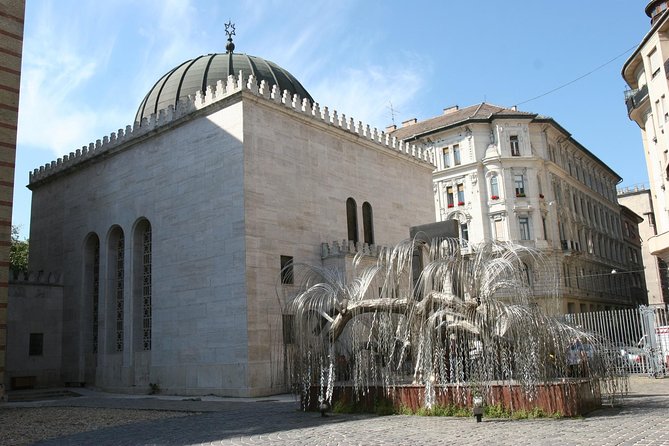
On the Essential route, you go to the Raoul Wallenberg Holocaust Memorial Park. Wallenberg is the man credited with saving thousands in the Jewish community. Learning why he’s remembered here gives you a different angle on World War II. It’s not only about destruction. It’s also about agency, courage, and choices made under terrifying conditions.
On the Grand route, you add a second major figure with the Carl Lutz Memorial Park. Lutz is also associated with rescue actions during the war. Having both names in one tour gives you a clearer sense that rescue efforts were not random hero stories. They were tied to networks, documents, and people taking real risks.
In both cases, I think the real value is how the guide connects the memorial space to what was happening nearby in the Jewish Quarter. If you only visit memorials without context, they can start to feel like scenic stops. With a guided story, they feel like chapters.
Other Budapest walks at a similar pace

Jewish Quarter streets and Heroes’ Temple: the city as a living record
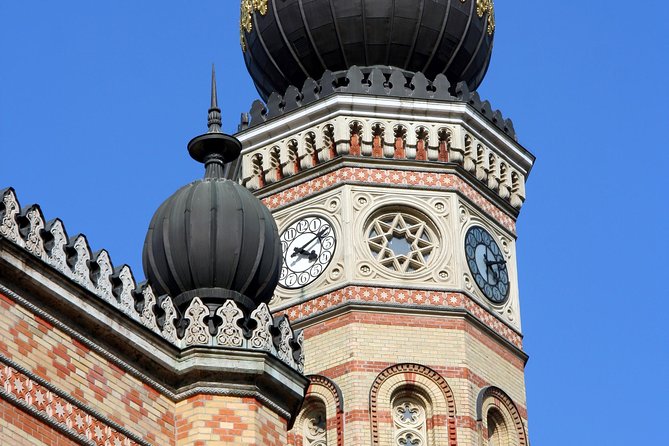
Walking through the old Jewish Quarter area is one of those moments where you can almost feel the layers under your shoes. Your route passes through the part of the quarter that was a ghetto during the Second World War.
That phrase matters. It’s not just a neighborhood name. It’s a system, a set of restrictions, and a way of life forced on people. Seeing the streets after you’ve heard the context helps you understand why certain memorials exist where they do.
You also visit Heroes’ Temple, which pays homage to those lost in World War I. This adds emotional balance. It reminds you that Jewish life in Hungary was shaped by multiple European crises, not just the Holocaust period. Even if the tone becomes heavier during the WWII sections, the inclusion of World War I remembrance helps the story feel complete.
One thing to watch for: the walk includes both indoor and street time, and the pace stays tight. Comfortable shoes help. Also, if you’re sensitive to heavy themes, consider bringing something grounding, like noting one or two questions you want answered so your brain stays engaged without spiraling.
Kazinczy Street Synagogue and the kosher food moments
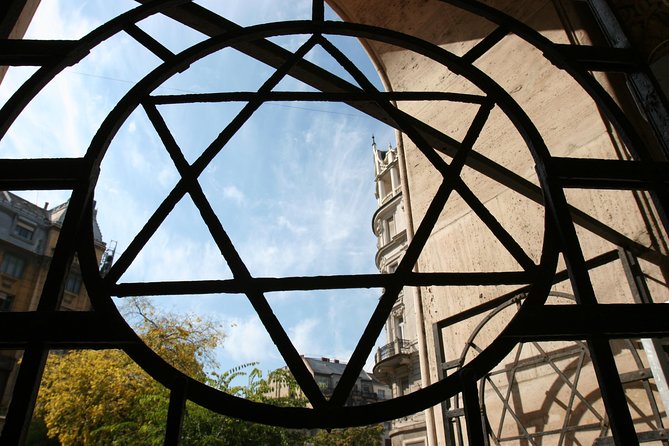
On the Grand Tour, Kazinczy Street Synagogue is a highlight for architecture lovers and people who want a view into Orthodox community life. It’s known for its Art Nouveau style and for being actively used as an Orthodox synagogue. That combination makes the visit feel less like a museum stop and more like a living place of worship.
At the end, you have food choices. You can accept an invitation to have cake at the glatt kosher Fröhlich confectionery, or you can receive a 10% discount at the glatt kosher Carmel restaurant for later that evening if you want.
Even if you’re not a dessert person, this is a smart ending. It gives you a social reset after emotionally heavy memorial stops. It’s also practical because the discount option is timed for later, when you’re hungry and don’t want to spend extra time deciding.
A small detail that might pop up for some groups: some tours include a quick stop connected to Jewish goods, and one example included a Judaica shop where you might find items like tefillin. Since this isn’t guaranteed in every version, treat it as a possible bonus rather than a sure thing.
Price and value: why $83.44 can make sense here
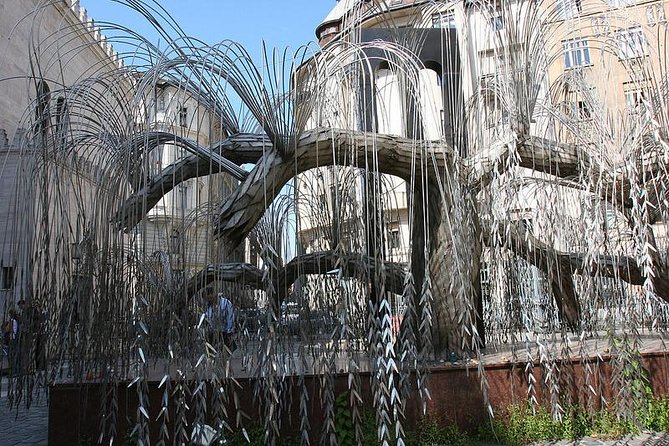
At $83.44 per person, you’re paying for more than a walk. You’re paying for a guide who ties together architecture, community life, and WWII memory, plus entry access that can otherwise cost time and money to arrange yourself.
What you’re getting includes professional guiding and entrance to the Great Synagogue. If you choose the Grand option, you also get entrance to the Kazinczy Street Synagogue. And along the way, the tour design incorporates museum time with guided narration.
Here’s the value math that matters on a trip: you’re saving effort. You don’t have to figure out which tickets you need, which order makes sense, or how to connect each stop into one story. With a small group capped at 15 travelers, the guide can keep a conversational pace, which is exactly what you want for a topic like this.
The one cost-side detail to remember: there’s no hotel pickup or drop-off. You’re responsible for reaching the meeting point yourself. The good news is that the start location is near public transportation, so this is manageable for most visitors.
Timing, group size, and what to pack for a 3-hour walk
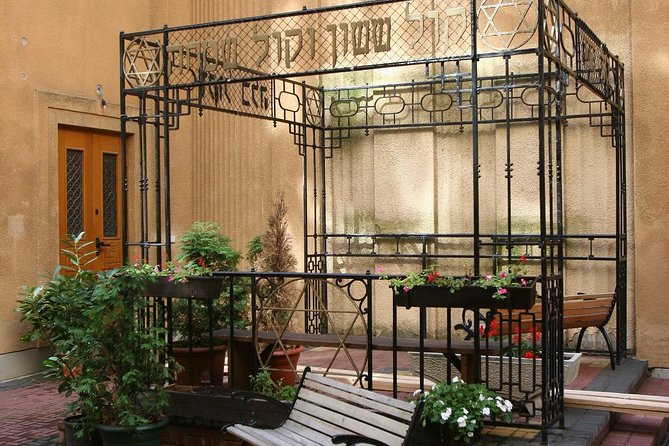
The tour runs about 3 hours. It’s short enough to fit into a busy Budapest itinerary, but long enough to include multiple sites and guided transitions.
A few timing realities to plan for:
- You’ll get structured stops, including a synagogue visit and a guided museum block.
- Some portions may feel more seated than walking, especially inside the synagogue where explanations happen.
- The Grand route adds extra synagogues and memorials, plus a couple of short “pass by” segments.
What to pack:
- Comfortable shoes, because you will be walking city blocks.
- A light layer, because Budapest weather can swing.
- A phone charged for mobile ticket entry.
- One or two questions you actually want answered. Guides like Benji and Benjamin are often praised for staying open to questions rather than rushing past them.
If you’re traveling with a group and want something educational but not stiff, this format usually works well. If you need lots of free time to wander independently, choose Essential and plan a longer self-guided stroll in the area afterward.
Should you book the Budapest Jewish Heritage Memorial Walking Tour?
I’d book this tour if you want a guided way to understand Budapest’s Jewish heritage that connects buildings, art, and memorials into one line of meaning. The biggest selling point is the mix of entry access plus narration that turns a site list into a story, especially at Dohány Street Synagogue and the Jewish Museum.
Skip it or reconsider if you’re very sensitive to emotionally heavy topics or if you strongly dislike sitting through explanations. The experience is designed for learning, and that can include some seated time.
If you’re deciding between Essential and Grand, pick Essential for a tight, high-impact introduction. Pick Grand if you want extra stops like Kazinczy Street Synagogue, plus more memorials and a food finish with the kosher cake and/or Carmel discount option.
FAQ
How long is the Budapest Jewish Heritage Memorial Walking Tour?
It lasts about 3 hours.
Where does the tour start?
It starts at the Dohány Street Synagogue at Dohány u. 2, 1074 Budapest.
Is the tour offered in English?
Yes, it is offered in English.
Is there a mobile ticket?
Yes, the tour uses a mobile ticket.
How large is the group?
The tour has a maximum of 15 travelers.
What entrances are included?
You get entrance to the Great Synagogue. If you choose the Grand option, you also get entrance to the Kazinczy Street Synagogue.
Is hotel pickup included?
No, hotel pickup and drop-off are not included.
Are there food or restaurant options included?
There is an option to have cake at the glatt kosher Fröhlich confectionery, and there is also a 10% discount for the glatt kosher Carmel restaurant to use later on your own.
Can I cancel and get a refund?
Yes. You can cancel for a full refund up to 24 hours in advance of the experience start time.
What happens after the tour ends?
The tour ends in a different location from where it starts, so you’ll need to plan how you want to continue your evening from there.
More Tours in Budapest




More Tour Reviews in Budapest





The Jewish Quarter, Continued



Reviewed recently around Budapest
- Audio visual multi-sensory chefs journey dinner experience★ 5.0 · 3 reviews
- Tapolca Cave Lake and Tihany/ Balaton private tour from Budapest★ 4.5 · 3 reviews
- SzentEndre-SaintAndrew City Privately Shopping and Picturesque★ 4.5 · 3 reviews
- Sightseeing flight over Budapest★ 5.0 · 3 reviews
- Self Guided Tour In Budapest With 100 Captivating Audio Stories★ 5.0 · 3 reviews
- Private Danube Bend Visegrad and Szentendre Tour With Transport★ 5.0 · 3 reviews
Jewish Quarter and Heritage, compared.
 ★ 4.8Jewish Heritage Guided Tour with Synagogue TicketFrom $81533 reviews
 ★ 5.0Walking Tour Budapest incl. the Shoes on the Danube BankFrom $3387 reviews
 ★ 4.7Jewish Quarter of Budapest Walking TourFrom $2369 reviews
 ★ 5.0Best of Downtown and Jewish Quarter TourFrom $23312 reviews
 ★ 5.0Past and Present of Budapest Jewish District TourFrom $3264 reviews
 ★ 4.5Budapest Dohany Synagogue & Hungarian Jewish Museum & free extrasFrom $44218 reviews
 ★ 5.0Budapest City Walk in Jewish QuarterFrom $356218 reviews
 ★ 4.8Jewish History Guided Walking Tour with HistorianFrom $63205 reviews
Browse the lists this tour appears in