
Review · JEWISH QUARTER AND HERITAGE
Budapest: Best of Downtown and Jewish Quarter Tour
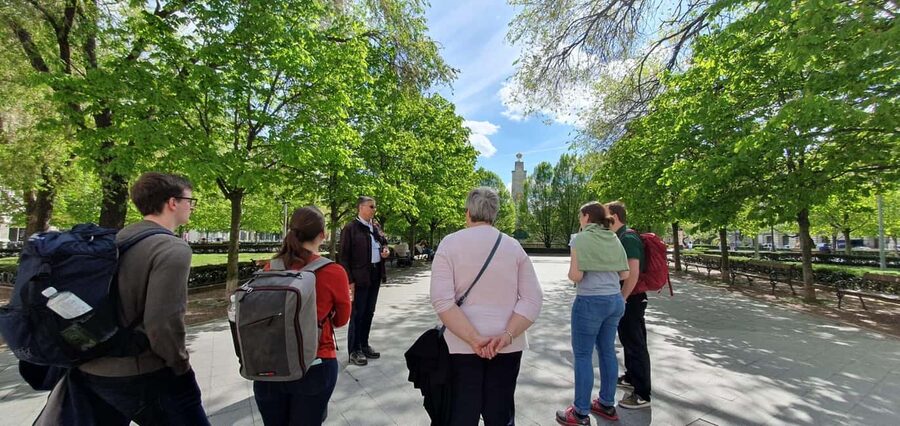
Budapest history is best when you can walk it. This 2.5-hour guided route strings together Downtown Budapest and the Jewish Quarter, with photo stops at major landmarks plus real street-level context on how people lived, worshiped, and changed the city over time. You get a structured walk, but it also leaves room for quick questions and practical local guidance.
I especially like two things about this tour. First, the focus on exterior icons you can actually see close up, like the Hungarian Parliament Building and St Stephen’s Basilica. Second, you leave with a digital Budapest Restaurant guide that points you toward 12 eating spots, so your sightseeing turns into a plan for the evening. The main drawback to consider is that you do not go inside buildings, so if you want interior ticket experiences, you’ll need to add those separately.
In This Review
- Key highlights you will care about
- A smart 2.5-hour loop for Budapest newcomers
- Starting at Gyula Andrássy statue, then lining up the center
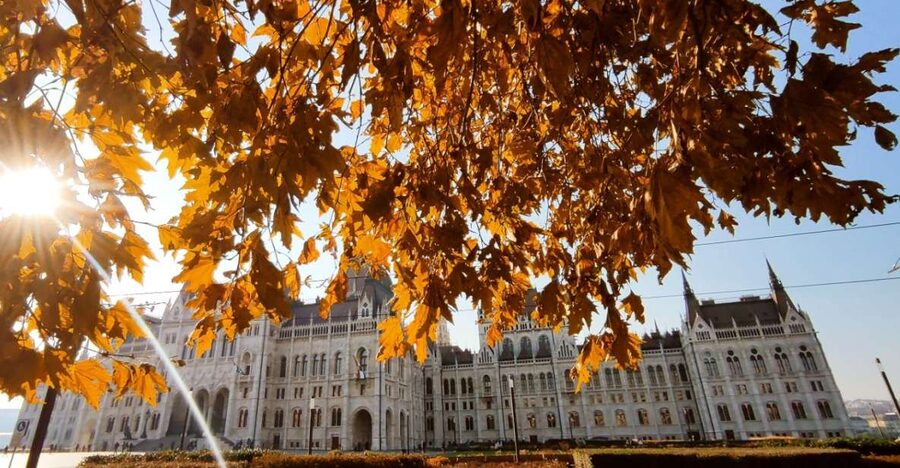
- Hungarian Parliament Building, your best exterior photo moment
- Szabadság Square to St Stephen’s Basilica: classic Budapest skyline
- Downtown Budapest 1890s buildings, including banks and old institutions
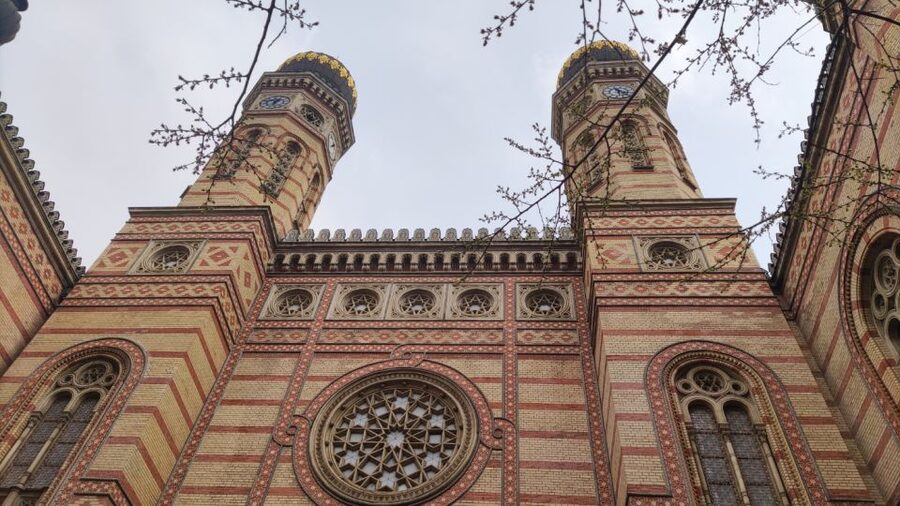
- Into the Jewish Quarter: synagogues, monuments, and modern street life
- The Kazinczy Street finish at Szimpla Kert, then a plan for food and drinks
- What the guide experience really adds (German-led, story-first)
- Price and value: what $23 buys, and what it doesn’t
- Accessibility and group style, what to plan around
- Who should book this Budapest Downtown and Jewish Quarter walk
- Should you book this tour?
- FAQ
- What is the duration of the Budapest Downtown and Jewish Quarter tour?
- How much does the tour cost?
- Where do I meet the guide?
- Where does the tour end?
- Does the tour include entrance fees?
- What language is the live guide?
- What is included with the price?
- Is the tour wheelchair accessible?
- Can I cancel for a full refund?
Key highlights you will care about
- Parliament and basilica photo stops: big sights, close viewing, and clear context without entrance tickets
- 1890s Downtown architecture walk: art nouveau style and historic banking landmarks in one steady route
- Jewish Quarter focus: synagogues and Jewish monuments plus modern street art and ruin bars
- Restaurant guide included: 12 digital sites to help you eat well after the tour
- Guides that bring culture to life: history with humor and lots of answers (names like Zsuzsanna, Georgiana, and Gábor show up)
- Good fit for mobility needs: wheelchair accessible, and private group options are available
A smart 2.5-hour loop for Budapest newcomers
This tour is built for people who want a lot of meaning in a short time. You start in the formal, monumental part of the city, then move into the layered streets of Downtown and finally into the Jewish Quarter, where old and new sit side by side.
It also helps that the pace is walking-first. You get photo stops, short guided explanations, and an easy flow from one area to the next, so you are not stuck reading from a distance.
Starting at Gyula Andrássy statue, then lining up the center
You meet at the statue of Gyula Andrássy. That first landmark matters because it sets the tone for what comes next: Budapest’s political and civic identity, the rise of modern city planning, and why the center looks the way it does.
From there, you head toward major downtown squares and institutions. The early part of the walk is where the guide’s storytelling gets practical, because you learn a few quick habits and cultural notes that make the rest of the city easier to decode.
Deeper into the old Jewish Quarter
- Budapest Jewish Heritage Memorial Walking Tour & Synagogue Entry
★ 5.0 · 568 reviews - Budapest: Jewish Heritage Guided Tour with Synagogue Ticket
★ 4.8 · 533 reviews - Walking Tour Budapest incl. the Shoes on the Danube Bank
★ 5.0 · 387 reviews - Jewish Quarter of Budapest Walking Tour
★ 4.7 · 369 reviews
Hungarian Parliament Building, your best exterior photo moment
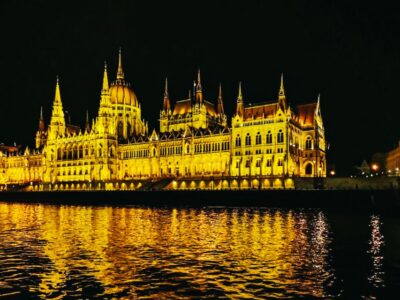
One of the biggest reasons to take this walk is the Hungarian Parliament Building. You get a guided look and a focused photo stop, so you are not just snapping pictures of a famous structure, you understand what you are seeing.
You also get time to step into the perspective the city gives you at street level. Parliament is the kind of building people photograph from far away, but on a walking tour you can pick angles that feel more personal and less like a postcard.
Also, the tour stays honest about what you get: it is sightseeing and walking, not an interior visit. That can be a plus if you want to keep things simple and spend your energy on the streets.
Szabadság Square to St Stephen’s Basilica: classic Budapest skyline
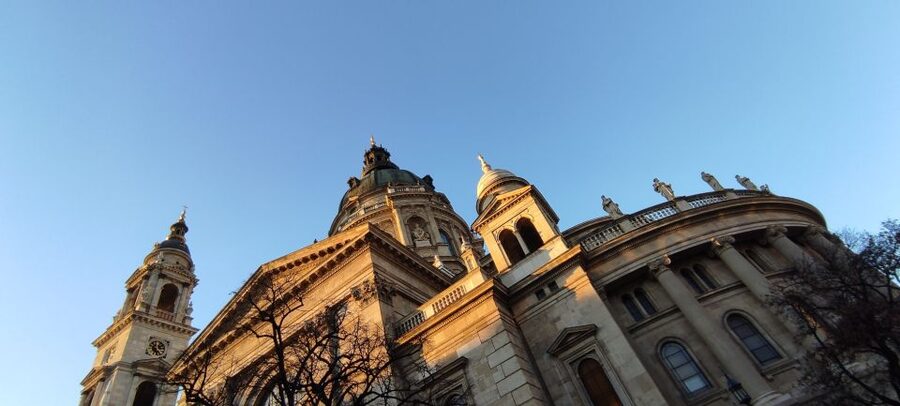
The walk continues with Szabadság Square for another short photo stop. This part of the route helps you transition from “grand official buildings” into “downtown life,” because the square area gives you more of the city’s rhythm.
Then you reach St Stephen’s Basilica. Even without going inside, this is a satisfying stop because the guide points out what makes the basilica monumental and how it fits into Budapest’s identity. It is one of those landmarks where understanding the setting makes your photos look better and feel less random.
If you care about architecture, this section is also useful. You begin to notice the different building styles and the way the city’s major religious and civic buildings form a visual storyline.
Downtown Budapest 1890s buildings, including banks and old institutions
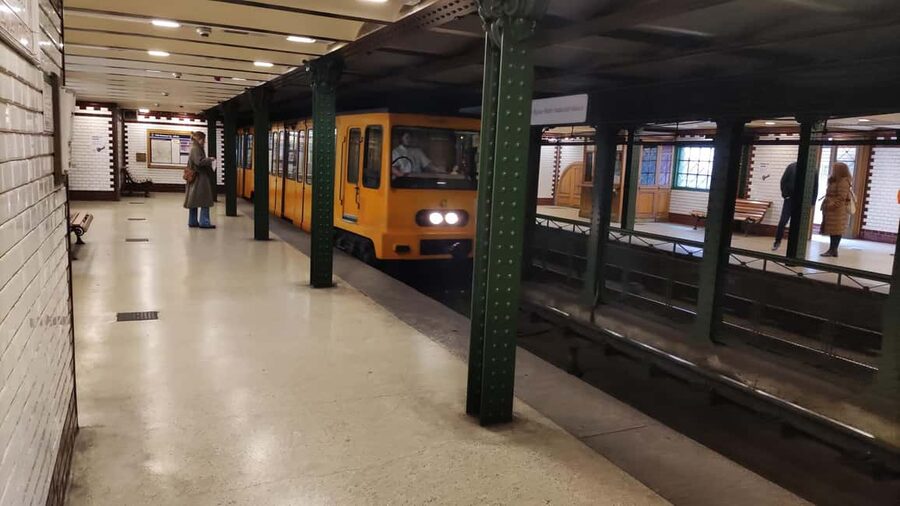
The Downtown stretch is not just about one famous landmark. It is also where you get the “everyday important” sites, the ones that show how the city grew into a modern European capital.
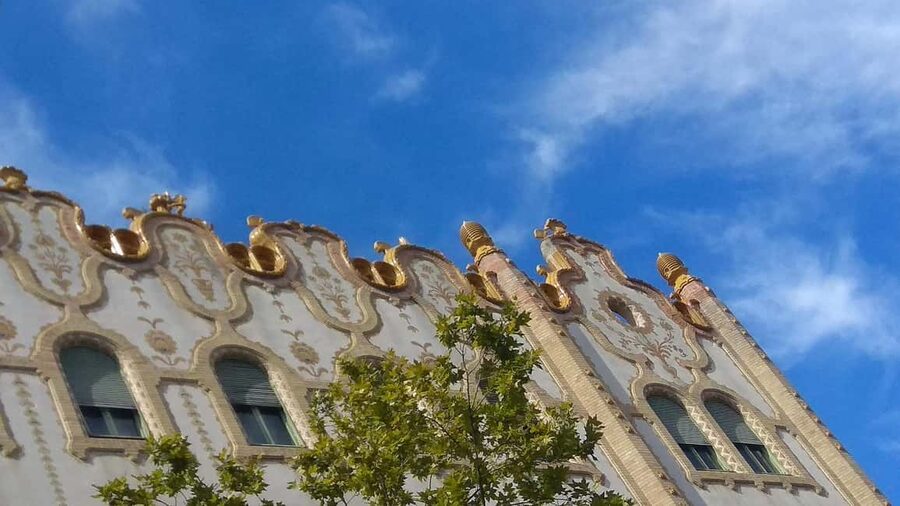
As you walk, you pass 1890s-era buildings and the kinds of institutions that shaped daily life. The route specifically includes major examples such as the National Bank and the Postal Savings Bank, plus art nouveau-style palaces.
This is the part of the tour that works especially well if you like learning what’s behind the facade. Banking buildings might sound boring on paper, but in a city like Budapest, they tell you how wealth, industry, and public trust were expressed in stone.
The bonus is that you also get a guided way to look. You are not only told what a building is, you are taught how to read it quickly, which saves time later when you wander on your own.
Into the Jewish Quarter: synagogues, monuments, and modern street life
The shift into the Jewish Quarter is where the city gets more layered, and the walking time feels more alive. You move through an area known for its Jewish sites, and the guide points out several synagogues and Jewish monuments.
But this tour does not treat the neighborhood as a museum district frozen in time. You also hear about modern street art and the presence of ruin pubs, so you see how the area carries memory and still functions as a real place to meet, eat, and go out.
What I like about this approach is that it keeps the story human. You get historical framing, yes, but you also learn habits and context about Hungarian culture that make you less likely to feel lost when you start exploring on your own.
A practical note: this part is where you may be walking through busier streets. The tour is still manageable, but wear comfortable shoes and expect to slow down for photos and stops.



The Kazinczy Street finish at Szimpla Kert, then a plan for food and drinks
Your walk ends around Kazinczy Street, near the Karavan Street Food court and close to Szimpla ruin pub. The finish point is listed as Szimpla Kert, which is perfect if you want an easy transition from guided sightseeing into free time.
This is where the included restaurant guide becomes more useful. You are not just left with a generic suggestion list, you have a digital guide with 12 food sites, designed to help you keep momentum after the tour ends.
If your plan includes a night out, this finish is smart. You can start with dinner nearby and decide on a second stop without needing a taxi or a long commute. And if you are not into nightlife, you still get a convenient hub for getting oriented.
What the guide experience really adds (German-led, story-first)
This tour is led by a live German speaking guide. Even if your German is basic, the pacing and the visual stops help you follow along, but it will be most rewarding if you are comfortable with listening.
The style matters here. Based on the guides you might encounter, the best performances combine humor, clear explanations, and lots of small details that make a place feel less like a list. Names that come up include Zsuzsanna and Georgiana, and the provider Gábor Glasner is also associated with this kind of storytelling.
You can expect a culture and history focus, not just dates. The guide tends to share how Hungarian people think about the city, how traditions shaped everyday life, and why certain neighborhoods and buildings matter.
That practical angle is a huge value add, because it helps you avoid the classic mistake of seeing Budapest landmarks but still feeling like you do not understand the city’s logic.
Price and value: what $23 buys, and what it doesn’t
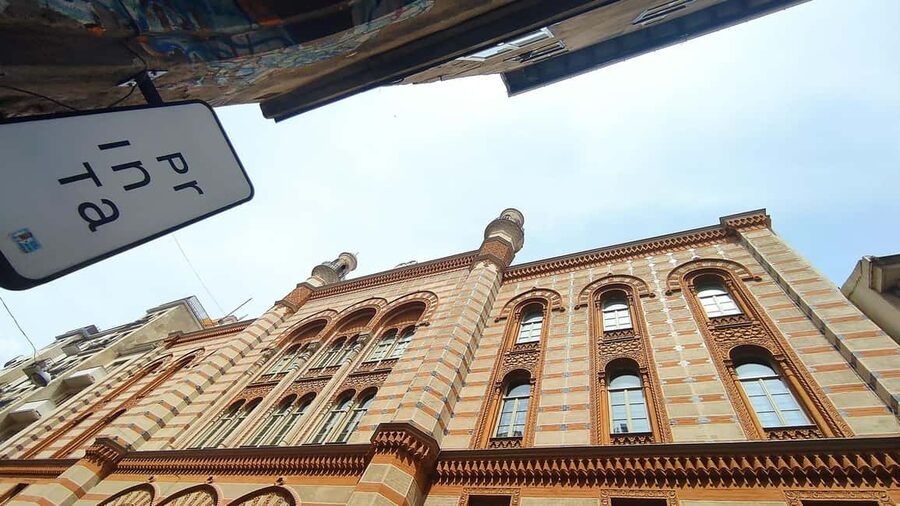
At about $23 per person for roughly 2.5 hours, this tour prices itself like a budget-friendly orientation walk. The big value is that you get guided time at multiple high-demand areas without adding entrance fees, since the plan is exterior sightseeing only.
You also get a digital restaurant guide with 12 sites included. That can easily tip the value, especially if you are staying just a few days and want to avoid eating at random spots near your hotel.
What it does not include is interior access. If your ideal day includes cathedrals, synagogues, or ticketed museum spaces inside specific buildings, this tour is not that. Think of it as the framework that tells you where to go next, and what those places mean.
Accessibility and group style, what to plan around
The tour is wheelchair accessible. If you use a wheelchair or mobility aid, you should still consider street conditions in older Budapest areas, because the route is walking heavy and includes city sidewalks.
Private group options are available too. If you prefer a smaller setting, or you are traveling with friends or family who want a quieter pace for questions, that option can make the stories feel more personal.
Duration is listed as 2.5 hours. Plan to have some energy for walking, because the best parts of this route happen when you pay attention to the building details and the guide’s prompts at each photo stop.
Who should book this Budapest Downtown and Jewish Quarter walk
This is a great fit for you if:
- You are in Budapest for a short stay and want a structured way to see the center
- You like walking tours that explain culture, not just monuments
- You want both major landmarks and neighborhood context in one morning or afternoon slot
- You want practical food and bar suggestions afterward, starting with Kazinczy Street and Szimpla Kert
It may not be the best fit if:
- You specifically want to go inside buildings and pay for interior tours during this time block
- You need a fully German-free experience, since the guiding language is German
Should you book this tour?
Yes, if you want a fast route that connects Budapest’s political center, architectural Downtown, and the Jewish Quarter into one coherent storyline. This is one of those tours where you finish with better direction, not just better photos.
I would book it when you still have a couple days left in town. You will leave with landmark context and a clearer plan for where to eat and where to wander next, especially around Kazinczy Street and the Szimpla area.
If you already planned multiple interior-ticket visits, then treat this as your orientation day. It will make those later visits feel smarter because you will know what you are looking at and why it matters.
FAQ
What is the duration of the Budapest Downtown and Jewish Quarter tour?
The tour lasts about 2.5 hours.
How much does the tour cost?
The price is listed as $23 per person.
Where do I meet the guide?
Meet by the statue of Gyula Andrássy. Your guide will be wearing a tour guide card.
Where does the tour end?
The walk ends at Szimpla Kert near Kazinczy Street, close to the Karavan Street Food court and Szimpla ruin pub. Some details also indicate the activity may end back at the meeting point, so it is best to confirm the exact end point in your booking confirmation.
Does the tour include entrance fees?
No. Entrance fees are not included, and the tour does not go inside buildings.
What language is the live guide?
The live tour guide language is German.
What is included with the price?
You get live tour guiding and a digital Budapest Restaurant guide (12 sites). Entrance fees are not included.
Is the tour wheelchair accessible?
Yes, the tour is wheelchair accessible.
Can I cancel for a full refund?
Free cancellation is available up to 24 hours in advance for a full refund.
More Tours in Budapest




More Tour Reviews in Budapest





The Jewish Quarter, Continued




Reviewed recently around Budapest
- Audio visual multi-sensory chefs journey dinner experience★ 5.0 · 3 reviews
- Tapolca Cave Lake and Tihany/ Balaton private tour from Budapest★ 4.5 · 3 reviews
- SzentEndre-SaintAndrew City Privately Shopping and Picturesque★ 4.5 · 3 reviews
- Sightseeing flight over Budapest★ 5.0 · 3 reviews
- Self Guided Tour In Budapest With 100 Captivating Audio Stories★ 5.0 · 3 reviews
- Private Danube Bend Visegrad and Szentendre Tour With Transport★ 5.0 · 3 reviews
Jewish Quarter and Heritage, compared.
 ★ 5.0Budapest Jewish Heritage Memorial Walking Tour & Synagogue EntryFrom $83568 reviews
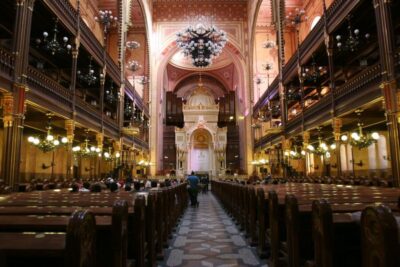 ★ 4.8Jewish Heritage Guided Tour with Synagogue TicketFrom $81533 reviews
 ★ 5.0Walking Tour Budapest incl. the Shoes on the Danube BankFrom $3387 reviews
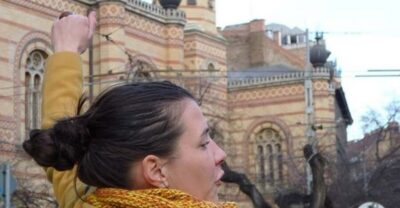 ★ 4.7Jewish Quarter of Budapest Walking TourFrom $2369 reviews
 ★ 5.0Past and Present of Budapest Jewish District TourFrom $3264 reviews
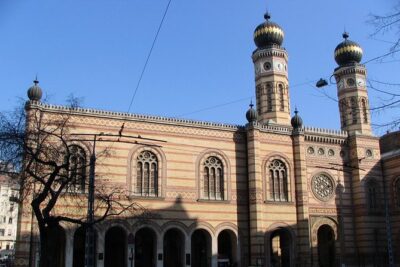 ★ 4.5Budapest Dohany Synagogue & Hungarian Jewish Museum & free extrasFrom $44218 reviews
 ★ 5.0Budapest City Walk in Jewish QuarterFrom $356218 reviews
 ★ 4.8Jewish History Guided Walking Tour with HistorianFrom $63205 reviews
Browse the lists this tour appears in