
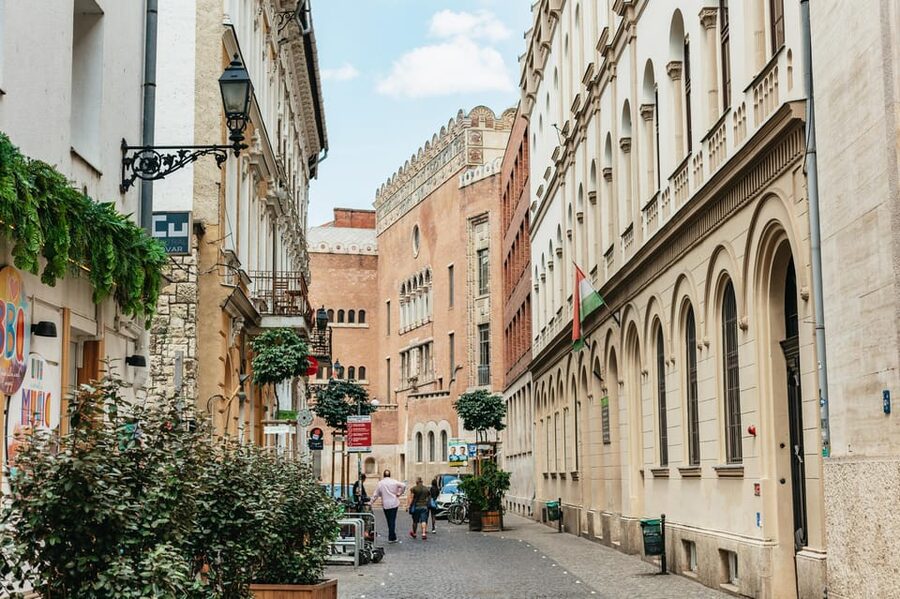
Review · JEWISH QUARTER AND HERITAGE
Budapest: Jewish History Guided Walking Tour with Historian
Budapest’s Jewish past is written in stone. This 2.5-hour Jewish Quarter walk is led by a historian, so you get names, context, and street-level details, not just dates. You’ll see how today’s active community sits on top of layers of tragedy and survival.
Two things I really like: the WWII focus at the memorials, including Raoul Wallenberg and Carl Lutz, and the way the tour pairs heavy history with a real neighborhood break. You also get Flódni, a traditional Jewish cake, with coffee or a soft drink, which makes the whole experience feel grounded.
One consideration: the three major synagogues are outside only, so if you want interior visits, you’ll need to plan that separately. And it’s a walking tour that runs in all weather, so dress like you mean it.
In This Review
- Quick highlights
- A 2.5-Hour Walk That Actually Puts Names to Places
- Meeting at Kempinski Corvinus and Getting Oriented Fast
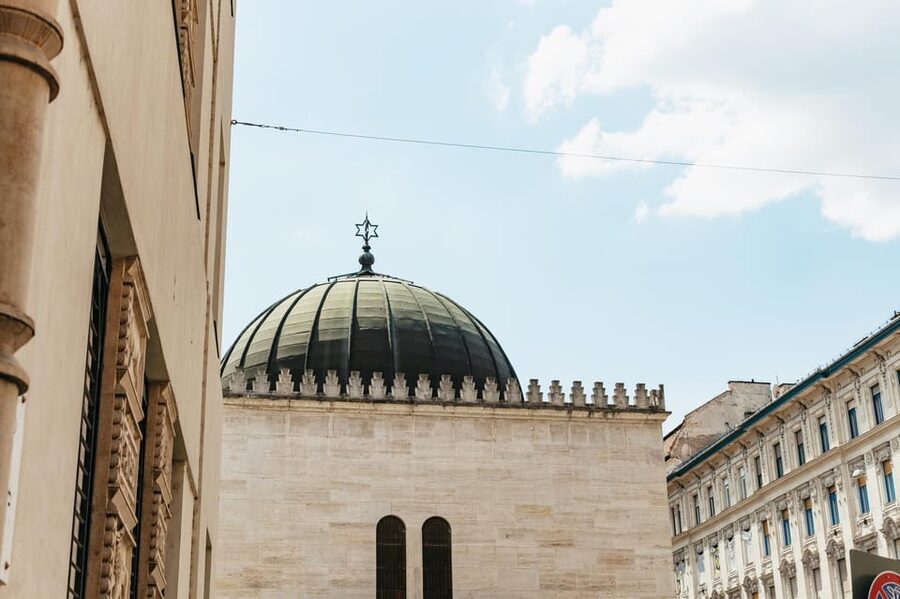
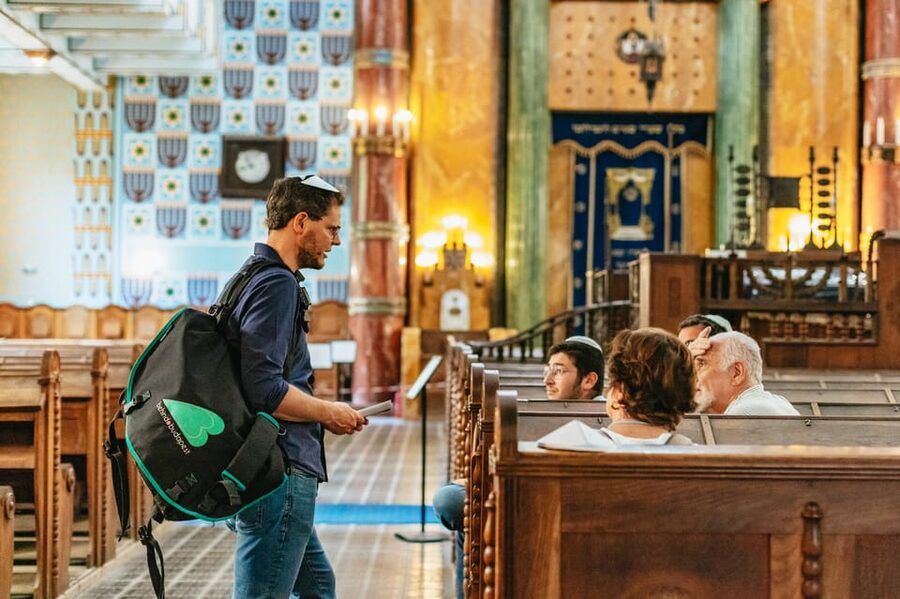
- Three Synagogues You See From Outside, and What to Notice
- Flódni, Coffee, and the Neighborhood Break You Actually Need
- WWII Rescue Stories at Memorials: Wallenberg and Carl Lutz
- Jewish Quarter Streets, Former Ghetto Sections, and the Markers That Remain
- Gozsdu Passage, Ruin Pubs Tips, and Street Art for the Rest of Us
- Price and Value for $63 in a Small Group
- Who This Tour Fits Best (and Who Might Want Another Option)
- The Guides: What Stays With You After the Walk
- Should You Book This Jewish History Tour?
- FAQ
- How long is the Budapest Jewish history guided walking tour?
- Do I get to go inside the synagogues?
- What food and drink is included?
- Where is the meeting point?
- Which metro stop should I use to get to the meeting point?
- Is the tour canceled if the weather is bad?
- Can I cancel or pay later?
Quick highlights
- Dohány Street Synagogue façades: admire one of Europe’s biggest synagogues from the outside
- WWII rescue memorials: hear the story of Wallenberg and Carl Lutz, honored as Righteous Among the Nations
- A short stop for Flódni: Jewish cake plus coffee or a soft drink during a 15-minute break
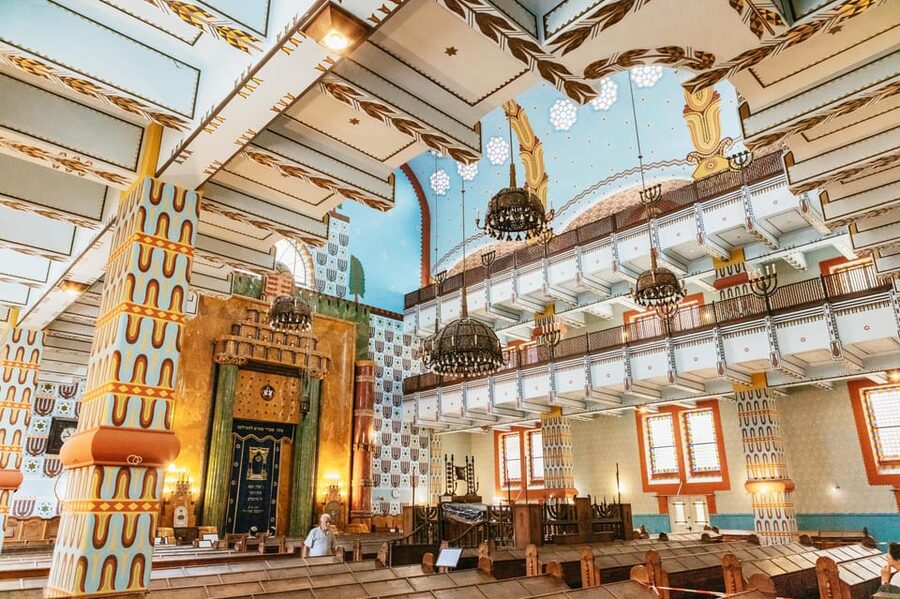
- Three synagogues, three styles: Kazinczy Street Orthodox, Neolog Rumbach Street, and Dohány Street
- Ghetto streets you can walk today: see remnants and markers of a neighborhood that suffered fast and hard
- Street art and Elizabeth Town tips: local pointers for ruin pubs and nightlife, plus what to look for on the walls
A 2.5-Hour Walk That Actually Puts Names to Places
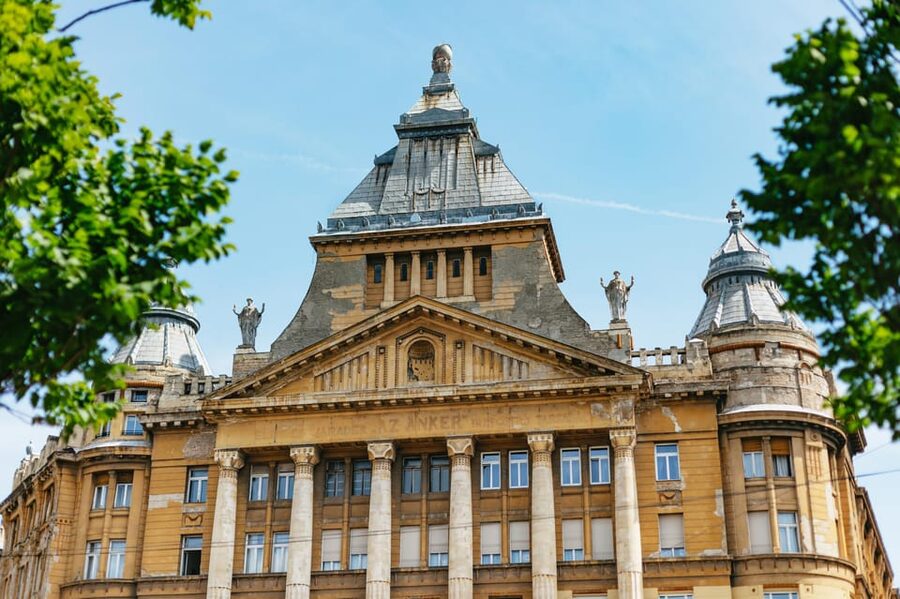
This tour is built for people who want more than a photo stop. You cover Budapest’s Jewish 7th district, where Jewish culture has been growing for more than 200 years and where a large, active community still lives today.
What makes the tour feel worth your time is the historian-led thread: you’re not just looking at buildings, you’re learning what those buildings meant during different eras. And the guide connects the long sweep of local life to the brutal rupture of World War II, when Budapest saw both horrific persecution and courageous rescue efforts.
You also get a small-group size, limited to 10 participants. That matters more than you might think. With a group this size, you can ask questions and get specific answers instead of watching a guide talk into a crowd.
Meeting at Kempinski Corvinus and Getting Oriented Fast
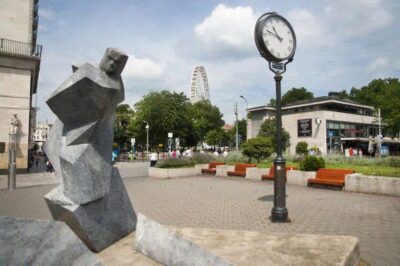
The meeting point is easy once you know what to look for: in front of Kempinski Hotel Corvinus Budapest, facing the Ferris wheel on Erzsébet Square.
If you’re using transit, the simplest approach is to take the M1, M2, or M3 metro lines to Deák Ferenc tér, then walk to the hotel area from there. This is a smart start point because you’re right where many central visitors already end up, so you can get your bearings without a long detour.
One practical note: the tour runs in all weather conditions. If it’s rainy or cold, you’ll want a jacket that can handle streets that get slick. If it’s hot, bring water and take the short café break seriously, because you’ll still be walking afterward.
Deeper into the old Jewish Quarter
- Budapest Jewish Heritage Memorial Walking Tour & Synagogue Entry
★ 5.0 · 568 reviews - Budapest: Jewish Heritage Guided Tour with Synagogue Ticket
★ 4.8 · 533 reviews - Walking Tour Budapest incl. the Shoes on the Danube Bank
★ 5.0 · 387 reviews - Jewish Quarter of Budapest Walking Tour
★ 4.7 · 369 reviews
Three Synagogues You See From Outside, and What to Notice
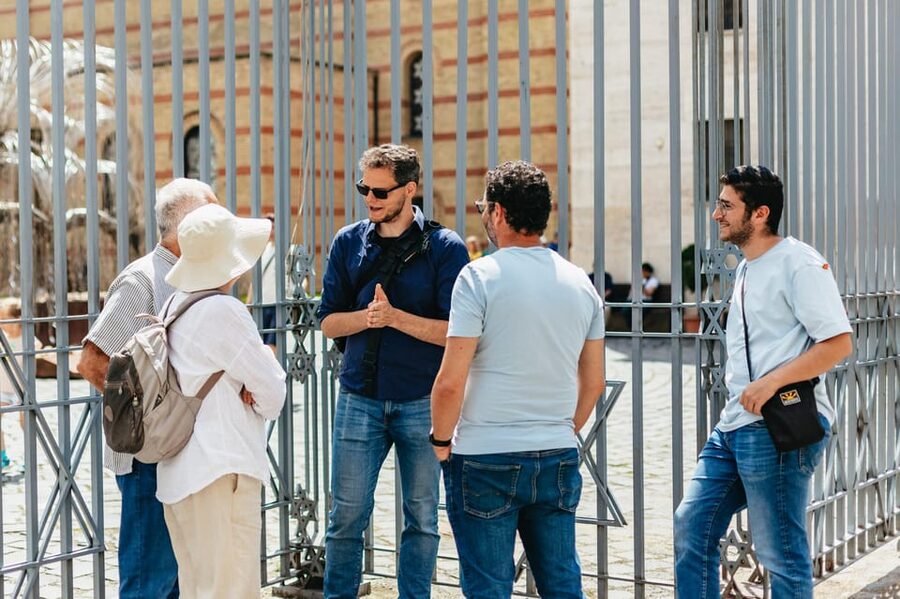
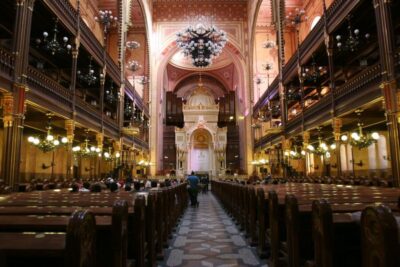
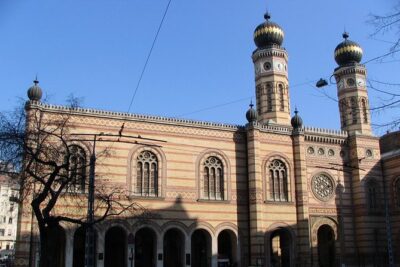
The synagogues are a highlight, but in a specific way. You’ll visit them from the outside only, and entry tickets are not included. That said, the outside views are still powerful because the façades tell a lot about ambition, community identity, and architectural style.
Here’s what you’ll recognize as you walk:
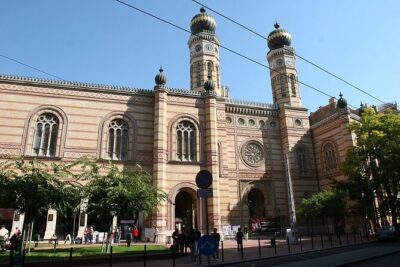
Dohány Street Synagogue
This is the grand one. Even from the street, you can appreciate its scale and presence. It’s often described as the largest synagogue in Europe, and that reputation is exactly why it dominates the neighborhood skyline.
Kazinczy Street Orthodox Synagogue
This gives you the Orthodox perspective in architecture and street presence. You’ll get it as part of a set, which helps you compare religious styles without your brain melting halfway through.
Neolog Rumbach Street Synagogue
From the outside you also get a clue about how global ideas traveled into Budapest. It was built in 1872 by the Viennese architect Otto Wagner. If you’re into architecture, this stop gives you a concrete name to attach to what you’re seeing.
Also, the tour is designed so you don’t lose time hunting for the right buildings. You’ll pass by these major landmarks in the flow of the Jewish Quarter walk, which keeps the story moving instead of turning into a map exercise.
Flódni, Coffee, and the Neighborhood Break You Actually Need
A big reason I recommend this tour to first-time visitors is the pacing. You get one planned café moment: coffee or a soft drink with a slice of Flódni, a traditional Jewish cake. The break is short, about 15 minutes, but it’s timed so you recharge before the next stretch of walking.
Flódni is more than a snack on a tour like this. It’s a reminder that Jewish life in Budapest is not only about monuments and memorials. It’s also food, everyday culture, and traditions that continued alongside both hardship and rebuilding.
After the café stop, you’ll keep moving through the neighborhood rather than having the tour end right when the history gets intense. That sequencing makes the emotional weight easier to process.
WWII Rescue Stories at Memorials: Wallenberg and Carl Lutz
The emotional core of the walk is the story of local and international rescue during the winter of 1944/45. You’ll learn about individuals who saved tens of thousands of Jewish lives, and you’ll hear their stories at their respective memorials.
Two names are central here: Raoul Wallenberg and Carl Lutz. Both are among the most important people recognized with the title Righteous Among the Nations. Hearing those names tied to specific locations helps the history feel real and not like a chapter summary.
This part of the tour also helps you understand why Budapest’s Jewish history is not just about what happened, but about how people responded. The story includes courage, but it also keeps the focus on the consequences of policy and persecution, so you come away with a clearer picture of the era.
If you like history that respects the subject and doesn’t rush past the hard parts, this section is the reason people recommend the tour again and again.
Jewish Quarter Streets, Former Ghetto Sections, and the Markers That Remain
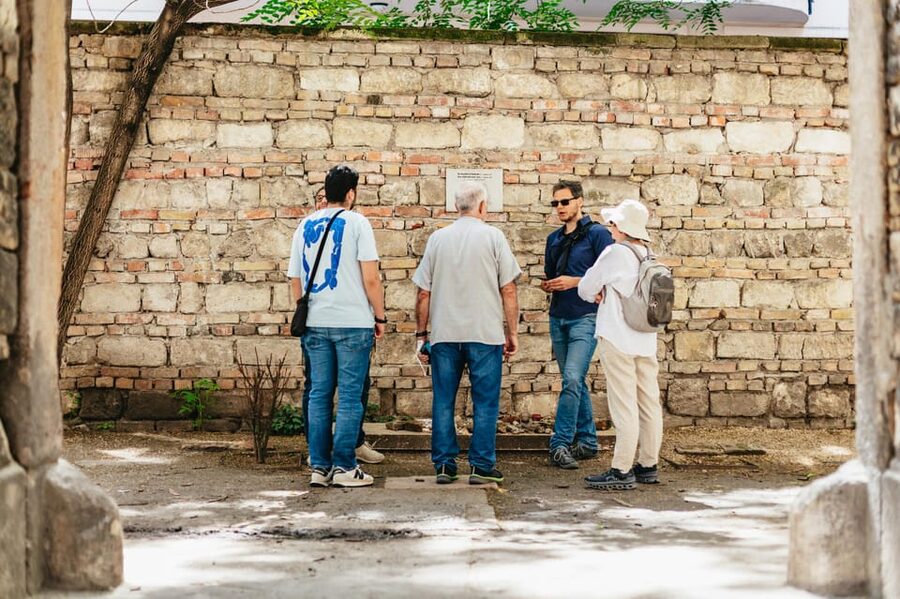
Your walk goes through the Jewish Quarter and along streets connected to the former ghetto. Today, it’s not a dead zone. It’s a living neighborhood with synagogues, monuments, kosher restaurants, and kosher shops.
One small detail that can stick in your mind as you pass certain walls and street edges is how quickly some parts of the ghetto era changed. There’s even mention of a surviving portion of an original wall that existed for under two months, which is the kind of fact that makes you slow down. It’s hard to treat that as trivia when you’re standing there.
You’ll also get a broader sense of how the neighborhood has shifted over time. In a lot of cities, you have to work to connect past and present. Here, the connection is built into the streets: the architecture, the community businesses, and the memorial placement do some of the teaching for you.
Other Budapest walks at a similar pace

Gozsdu Passage, Ruin Pubs Tips, and Street Art for the Rest of Us
Not every stop is heavy. You’ll walk by the lively Gozsdu Passage, and the guide shares local pointers about Budapest’s famed ruin pubs and nightlife. That’s helpful because it turns the tour into more than a museum-style walk.
You’ll also get time to look at the neighborhood street art, plus secrets around Elizabeth Town. This is a nice balance. After memorials and WWII stories, street art gives you a different kind of information: how the area’s identity is expressed now, on walls and in public space.
Even if you don’t care about night life, these stops matter. They show you that Budapest’s Jewish Quarter is not stuck in the past. It’s changed, adapted, and still used by real people.
Price and Value for $63 in a Small Group
At about $63 per person for a 2.5-hour guided walk, the value comes from two things you don’t get in self-guided tours.
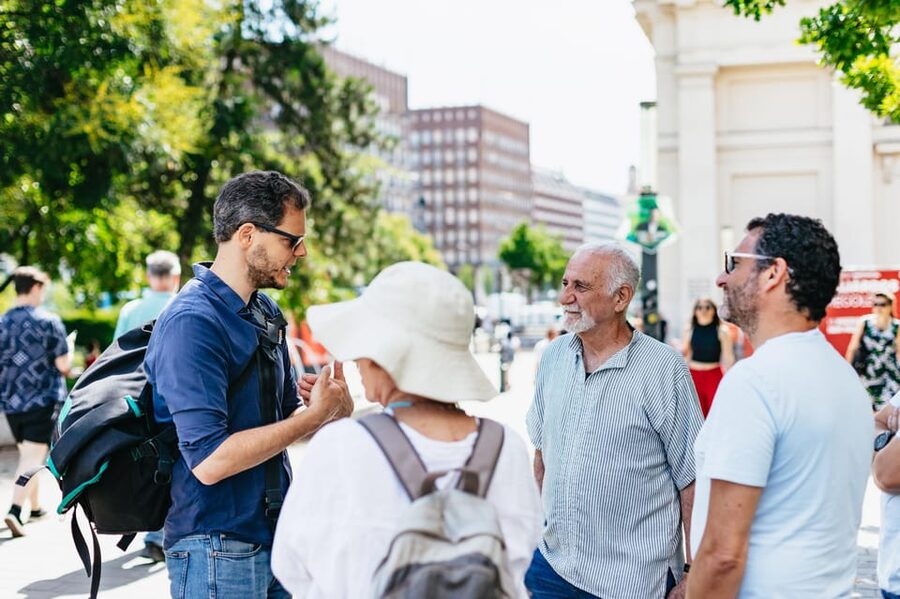
First, you’re paying for a historian guide who can connect architecture, street names, and major figures into one storyline. Second, the tour includes a food and drink break: Flódni plus coffee or a soft drink.
That makes the price feel less like a pure sightseeing fee and more like a guided experience with a local element built in. And because the group is capped at 10 people, you’re more likely to get your questions answered. That’s a big quality-of-life factor, especially when the topics include painful history and you want clarity, not just a script.
One more thing: entry to the synagogues is not included. So if you’re hoping to go inside, you’ll need a separate plan for that. But for exterior architecture, memorial storytelling, and the overall Jewish Quarter walk, the pricing feels fair.
Who This Tour Fits Best (and Who Might Want Another Option)
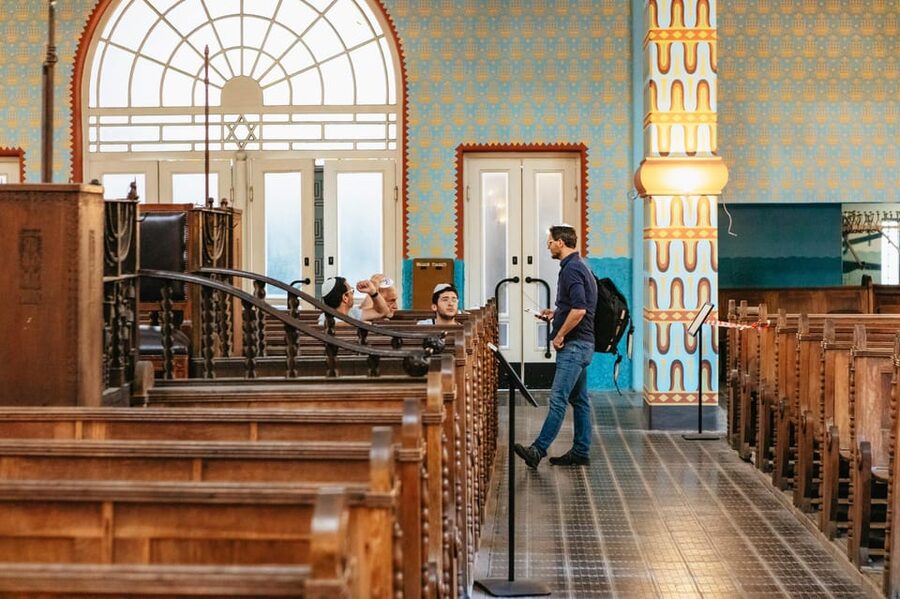
This tour is a great fit if you want history with context and you’re willing to walk. It’s also ideal if you appreciate storytelling done with respect, not turned into a performance.
It’s especially good for people visiting Budapest for the first time and wanting a clear map in their mind afterward: start point, Jewish Quarter, three major synagogue exteriors, former ghetto streets, memorials, and neighborhood stops like Gozsdu Passage.
You might want a different plan if you strongly prioritize entering synagogues. Since all three synagogues are from the outside only, your experience will be more about architecture and location than interior worship spaces.
The Guides: What Stays With You After the Walk
Even without naming every guide on every date, the tour’s standout trait is consistent: guides who handle a sensitive topic with care and who keep the group engaged with clear explanations.
Names that show up often include Barbara, Andrea, András, Noémi, and Gabor. Common praise centers on strong facts, memorable anecdotes, good pacing, and a sense of humor that keeps things human. Some guides even use tools like tablets to place Hungary into the broader European timeline, which is handy if you arrive with only a surface-level sense of Central European history.
One of the best signs for this kind of tour is how guides handle questions. When you can ask follow-ups and get thoughtful answers, the story becomes yours, not just theirs.
Should You Book This Jewish History Tour?
Book it if you want a structured, historian-led walk through Budapest’s Jewish 7th district that connects synagogue architecture, former ghetto streets, and WWII rescue stories at meaningful memorials. The inclusion of Flódni and coffee makes it feel like a neighborhood experience, not only a history lecture on sidewalks.
Skip it or pair it with other plans if you need synagogue interiors, since visits are outside only and entry tickets are not included. And if weather is a major concern for you, you’ll want proper clothing because the tour runs in all conditions.
If you’re curious about Budapest beyond the postcards, this is one of the most direct ways to understand what you’re seeing.
FAQ
How long is the Budapest Jewish history guided walking tour?
The tour lasts about 2.5 hours.
Do I get to go inside the synagogues?
No. You’ll see the three main synagogues from the outside only, and entry to any synagogue is not included.
What food and drink is included?
You’ll have Flódni, a local Jewish cake, plus coffee or a soft drink in a local cafe during a short break.
Where is the meeting point?
Meet your guide in front of Kempinski Hotel Corvinus Budapest, facing the Ferris wheel on Erzsébet Square.
Which metro stop should I use to get to the meeting point?
You can take the M1, M2, or M3 to Deák Ferenc tér stop, then walk to the meeting area.
Is the tour canceled if the weather is bad?
No. The tour starts in all weather conditions, so you should dress for rain or cold if needed.
Can I cancel or pay later?
You can cancel up to 24 hours in advance for a full refund, and you can reserve now and pay later.
More Tours in Budapest



More Tour Reviews in Budapest





The Jewish Quarter, Continued


Reviewed recently around Budapest
- Audio visual multi-sensory chefs journey dinner experience★ 5.0 · 3 reviews
- Tapolca Cave Lake and Tihany/ Balaton private tour from Budapest★ 4.5 · 3 reviews
- SzentEndre-SaintAndrew City Privately Shopping and Picturesque★ 4.5 · 3 reviews
- Sightseeing flight over Budapest★ 5.0 · 3 reviews
- Self Guided Tour In Budapest With 100 Captivating Audio Stories★ 5.0 · 3 reviews
- Private Danube Bend Visegrad and Szentendre Tour With Transport★ 5.0 · 3 reviews
Jewish Quarter and Heritage, compared.
 ★ 5.0Budapest Jewish Heritage Memorial Walking Tour & Synagogue EntryFrom $83568 reviews
 ★ 4.8Jewish Heritage Guided Tour with Synagogue TicketFrom $81533 reviews
 ★ 5.0Walking Tour Budapest incl. the Shoes on the Danube BankFrom $3387 reviews
 ★ 4.7Jewish Quarter of Budapest Walking TourFrom $2369 reviews
 ★ 5.0Best of Downtown and Jewish Quarter TourFrom $23312 reviews
 ★ 5.0Past and Present of Budapest Jewish District TourFrom $3264 reviews
 ★ 5.0Budapest City Walk in Jewish QuarterFrom $356218 reviews
 ★ 4.5Budapest Dohany Synagogue & Hungarian Jewish Museum & free extrasFrom $44218 reviews
Browse the lists this tour appears in