
Review · JEWISH QUARTER AND HERITAGE
Budapest: Jewish History with Local Guide & Synagogue Ticket
Budapest can feel like a storybook, if you know where to look. This 2-hour Jewish History walk is a focused way to connect the streets of the Jewish Quarter to the lived traditions of Judaism, with expert English guidance and a special Kazinczy Street Synagogue gallery visit.
I really like that the tour doesn’t treat religion as a museum topic. You get context for holidays and everyday life in Hungary, plus clear stop-by-stop guidance through real sites. The one downside to consider is simple: it is not suitable for people with mobility impairments, because it is a walking tour with interior time only at the synagogue.
In This Review
- Key highlights at a glance
- Why this 2-hour Budapest Jewish History tour feels efficient
- Getting oriented at Dohány Street Synagogue
- Raoul Wallenberg Holocaust Memorial Park, a brief stop with weight
- Jewish Quarter walking segment: more than a collection of buildings
- Rumbach Synagogue, outside views that set up the inside visit
- Jewish ghetto wall fragment: what you see is the story
- Entering Kazinczy Street Synagogue and its art-nouveau interior
- Guides and real-world explanation, the part that brings it to life
- Price and value: is $34 reasonable for 2 hours?
- What to expect on the ground: walking, timing, and rules
- Who should book this tour, and who should skip it
- Should you book Budapest Jewish History with a local guide and Kazinczy ticket?
- FAQ
- How long is the Budapest Jewish History walking tour?
- Is the tour offered in English?
- Which synagogue is included for an interior visit?
- Is there an exclusive area you can access at Kazinczy Street Synagogue?
- Does the tour include Holocaust-related stops?
- Are pets allowed on the tour?
- Is the tour suitable for people with mobility impairments?
Key highlights at a glance
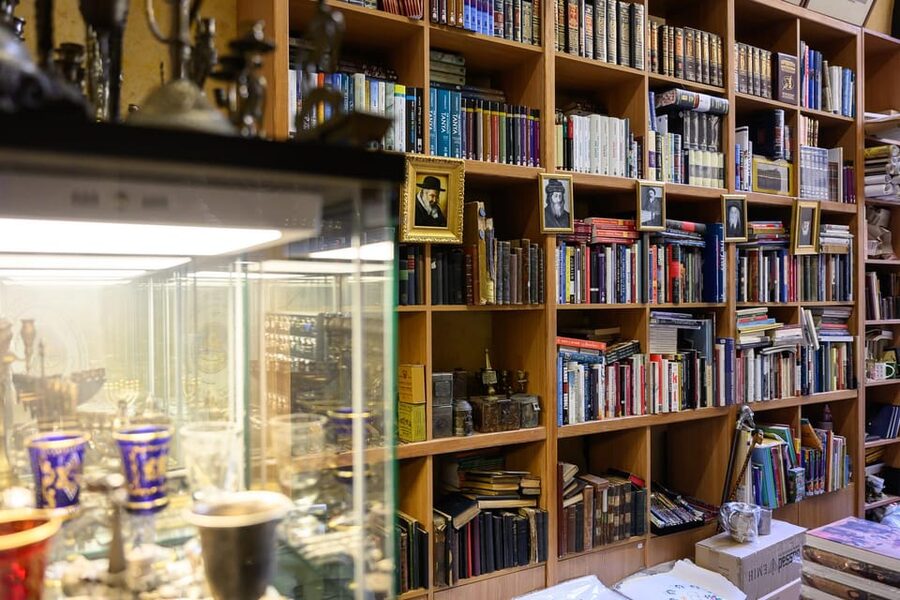
- Exclusive Kazinczy Street Synagogue gallery access that is otherwise closed to the public
- English-speaking local guide who explains history and tradition in plain language
- Stops tied to the Holocaust story, including the Raoul Wallenberg memorial park and ghetto wall fragment photo stops
- Jewish Quarter walking segment that helps you understand the neighborhood, not just landmarks
- Synagogue Triangle sequence, with outside views of Dohány and Rumbach plus the inside visit at Kazinczy
Why this 2-hour Budapest Jewish History tour feels efficient
Some tours try to cover everything and end up covering nothing well. This one is built around a manageable length, so you can actually process what you see. In about two hours, you move through the neighborhood’s major signals of Jewish life, the scars left by persecution, and the ongoing presence of Orthodox synagogues.
What makes it work is the way the guide ties each stop to a clear idea. You’re not just standing around for photos. You’re getting local stories that explain why these places matter, how communities lived, and how traditions show up in daily routines and holidays.
If you want a tour that gives you both the emotional weight and the cultural context, this format is a good match.
Getting oriented at Dohány Street Synagogue
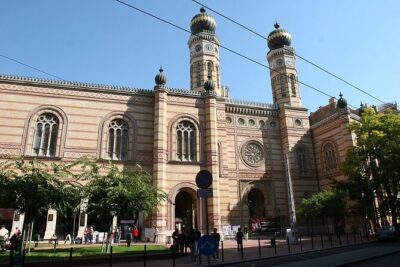
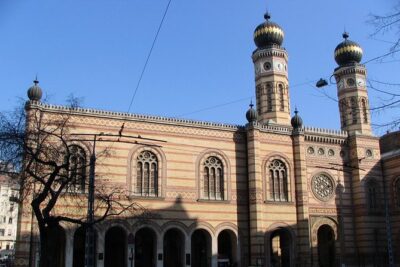
You start by meeting your guide at the Herzl Tivadar sign, with the Dohány Street Synagogue as the opening anchor. The tour includes an outside look at Dohány Street Synagogue, which is the largest synagogue in Europe and the second largest in the world. Even from the street, that size lands. It helps you understand why this building has been an important landmark for generations.
But the most useful part is what you learn while you’re standing there. The guide connects the synagogue to Budapest’s Jewish community and to the idea of public religious life in the city. You also get a sense of how the surrounding Jewish Quarter shaped daily rhythms, from community gathering to holiday observances.
Practical note: since this is an outside introduction, you can still enjoy it even if you prefer not to rush into buildings right away. Just wear shoes that handle city sidewalks and short walking segments.
Deeper into the old Jewish Quarter
- Budapest Jewish Heritage Memorial Walking Tour & Synagogue Entry
★ 5.0 · 568 reviews - Budapest: Jewish Heritage Guided Tour with Synagogue Ticket
★ 4.8 · 533 reviews - Walking Tour Budapest incl. the Shoes on the Danube Bank
★ 5.0 · 387 reviews - Jewish Quarter of Budapest Walking Tour
★ 4.7 · 369 reviews
Raoul Wallenberg Holocaust Memorial Park, a brief stop with weight
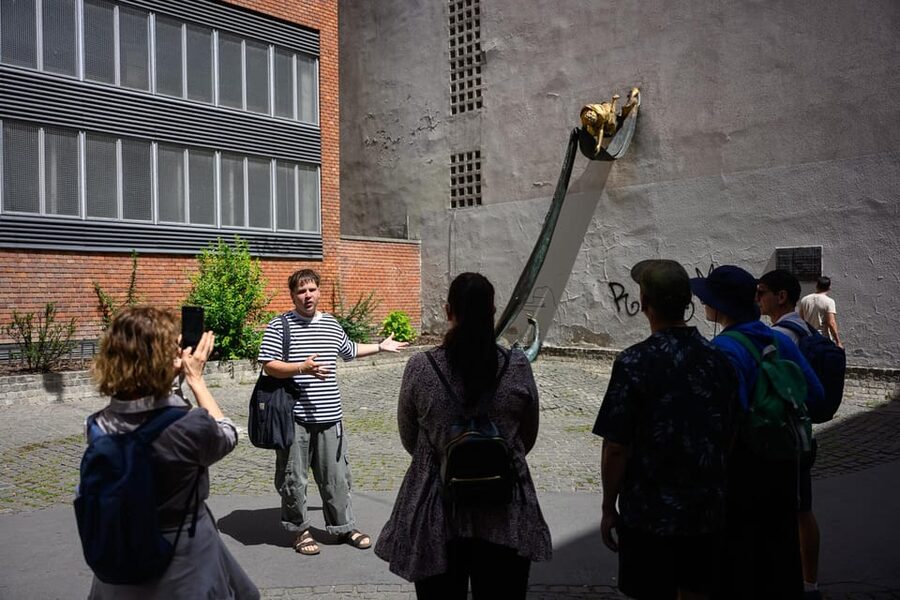
Next comes the Raoul Wallenberg Holocaust Memorial Park, with a photo stop as you pass by. Even though it is not an extended visit, it matters because Wallenberg is tied to rescue and survival stories from World War II. The tour places this stop in the middle early enough to help you understand the later ghetto-related sights with better context.
I like how this tour uses pacing. It doesn’t throw every heavy topic at once. Instead, it gives you a structured line: start with a major Jewish landmark, then add a memorial reference point, then move into neighborhood history.
If you’re the type who likes to know what you are looking at before you look, this arrangement makes the next stops easier to follow.
Jewish Quarter walking segment: more than a collection of buildings
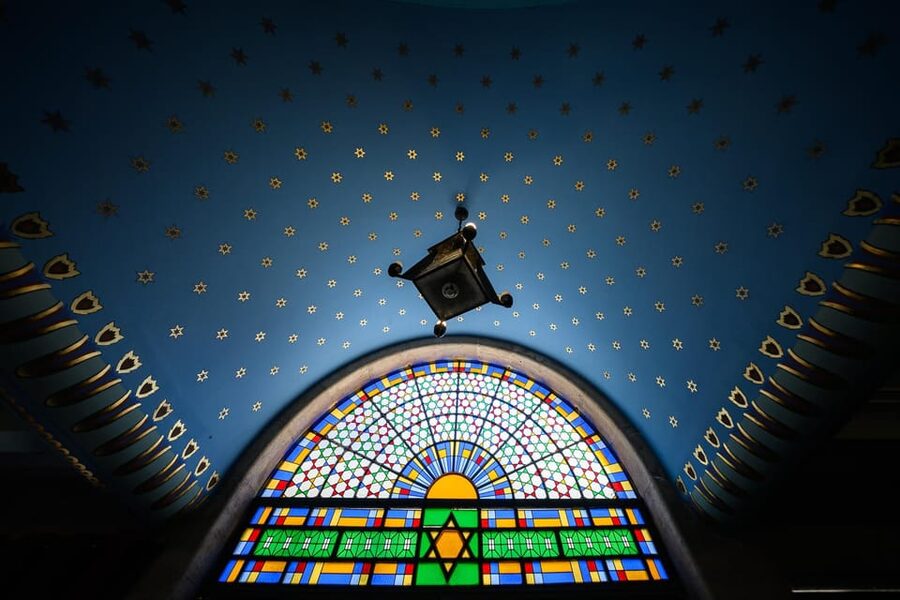
The itinerary includes a guided tour in the Jewish Quarter, Budapest. This is where you typically gain the “why this neighborhood looks the way it does” part. It’s also where the guide’s storytelling becomes the backbone of the experience.
You’ll get familiar with Jewish heritage, history, and culture in Hungary, including explanations of holidays and everyday life. That matters because Budapest’s Jewish story is not only about one tragic period. It’s also about community routines, traditions, and identity that existed before and after major events.
One small but important advantage: by the time you reach the synagogues later, you’re not thinking only in terms of architecture. You understand them as places serving a people, with specific customs and meaning.
Rumbach Synagogue, outside views that set up the inside visit
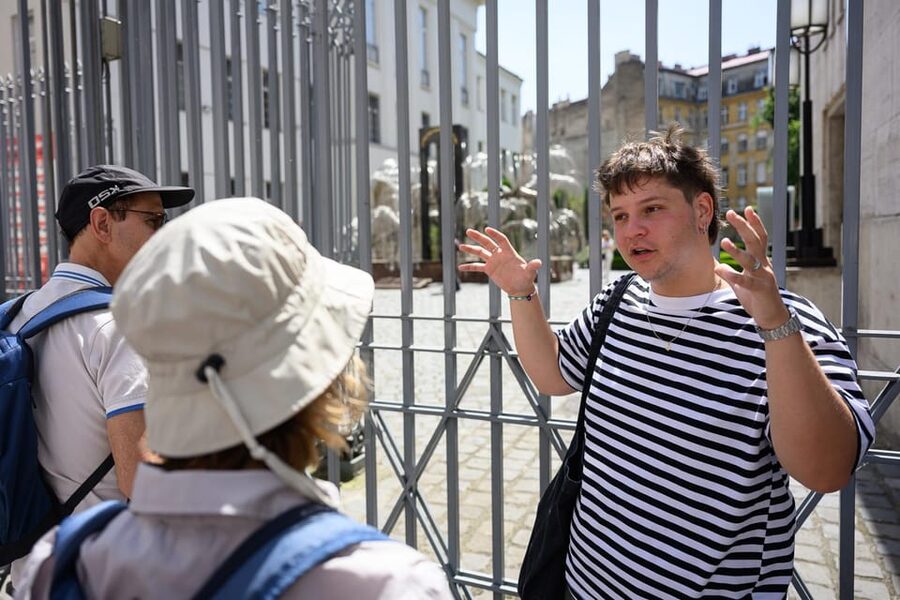
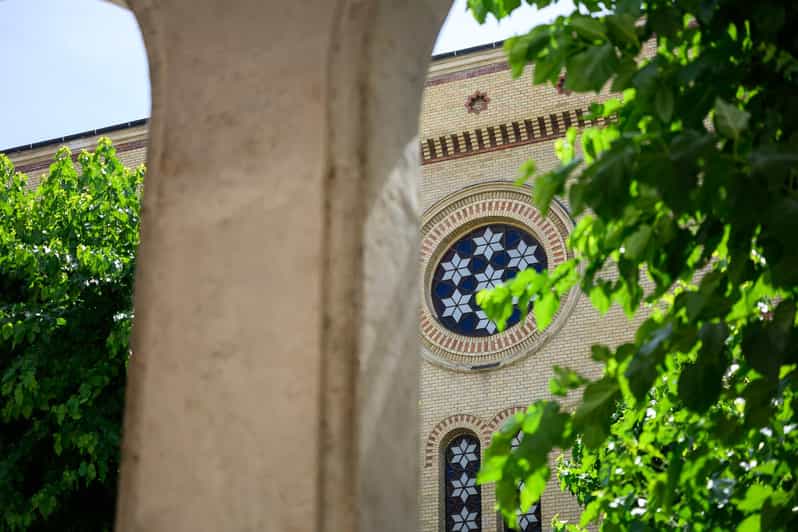
After the Jewish Quarter segment, you pass by the Rumbach Street Synagogue. Like Dohány, it is an outside visit or photo stop rather than an interior walkthrough. Still, the stop isn’t filler.
Rumbach helps build the sense of the Synagogue Triangle concept. You are essentially being taught a route, a way to see how different synagogues relate to one another across the neighborhood. That route logic makes the final interior visit at Kazinczy Street Synagogue feel earned, not random.
If you enjoy comparing styles, outside views are useful because you can spot differences in façade and feel. Even when you do not enter, the exterior clues help you read the city better later on, when you’re walking on your own.
Jewish ghetto wall fragment: what you see is the story
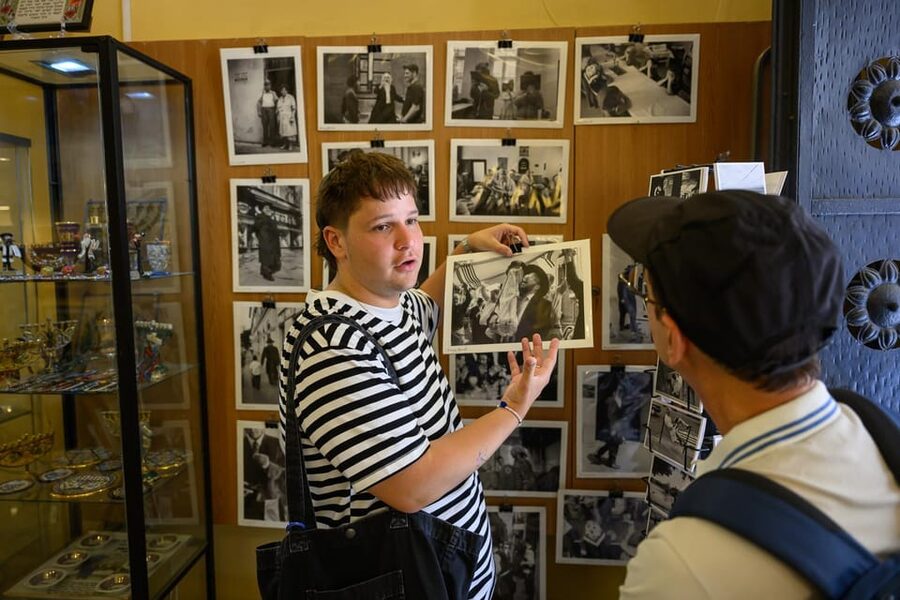
One of the photo stops is the Jewish Ghetto Wall Fragment. It is exactly the kind of place where you may want a guide, because the stones and layout can look like just another wall if you don’t have the background.
This is where the tour’s Holocaust-related focus becomes more tangible. You’re seeing a physical remnant connected to the ghetto period, and the guide helps you connect it to what you learned earlier. It makes the neighborhood’s transformation clearer and gives you language for what you are looking at.
I also appreciate that the tour does not try to turn suffering into a spectacle. The stop is practical and grounded: you see the fragment, you take the photo if you want, and then you move on while the guide keeps the context clear.
Straight entry tickets around Budapest
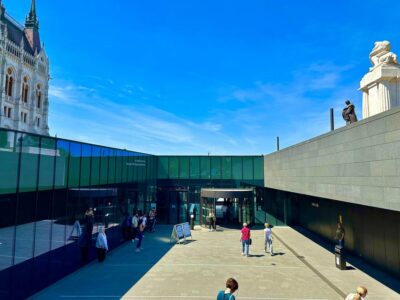




Entering Kazinczy Street Synagogue and its art-nouveau interior
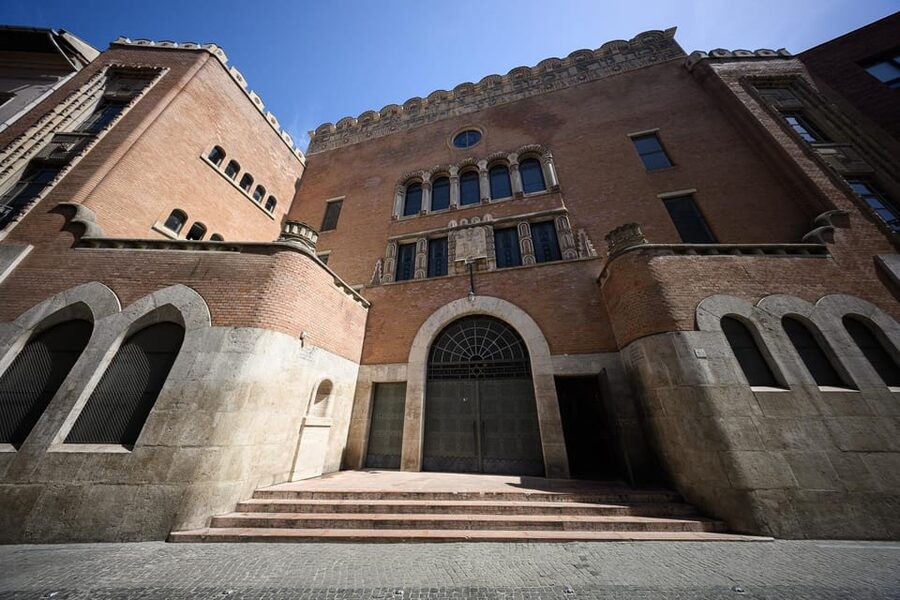
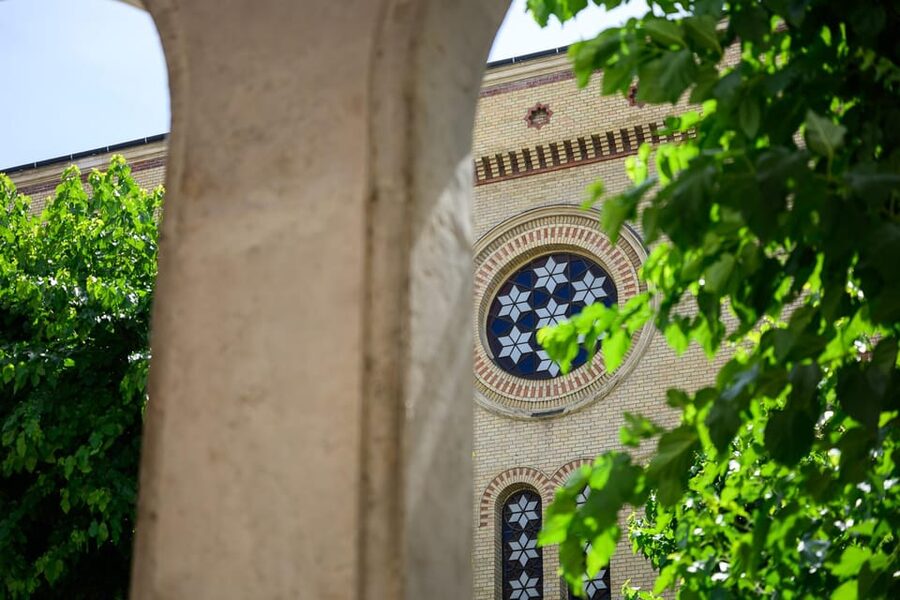
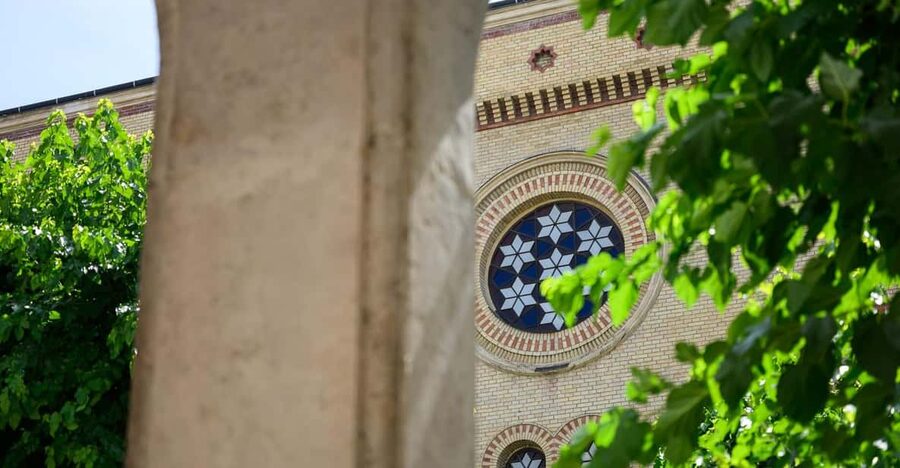
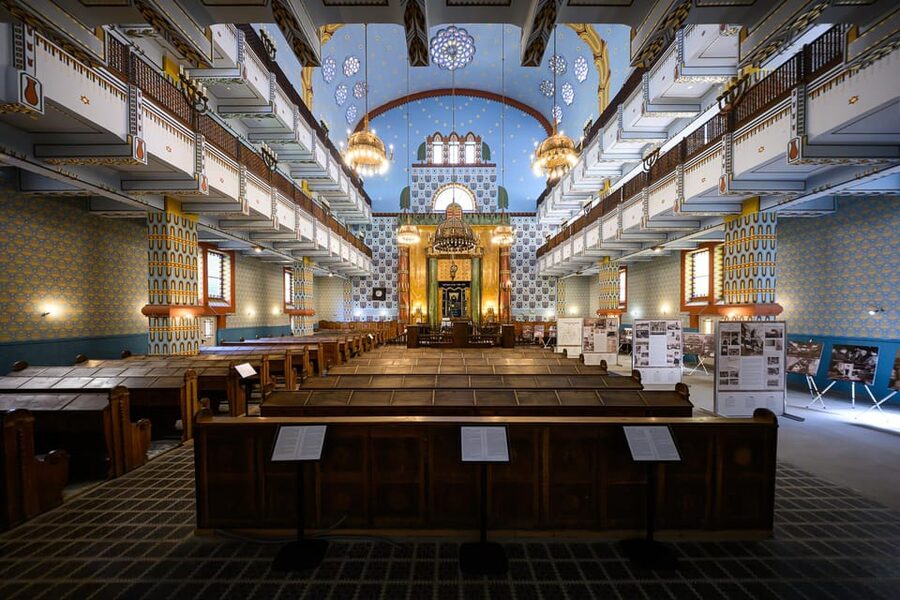
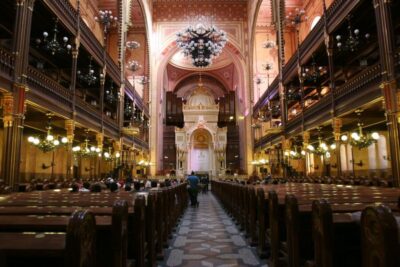
The tour’s big moment is the Kazinczy Street Synagogue. This is an interior visit with ticket included, plus a guided tour. It is also described as one of the largest operating Orthodox synagogues in Europe, built in art-nouveau style.
Walking from street level to inside matters, because the tone changes fast. Outside, you are reading architecture and scale. Inside, you get a sense of living tradition, not just historical reference.
Here’s what makes this stop feel like actual value, not just a standard sightseeing checkmark: you also get an exclusive visit of the gallery that is otherwise closed to the public, and the tour includes admission and guiding for that gallery access.
That gallery access changes the whole experience. You can see the space from a perspective most people never get, and your understanding deepens because the guide can point out features you might otherwise miss. It turns the synagogue from a building you enter into a place you understand.
If you’re curious about how Orthodox synagogues function in practice, this is the part that will likely stick with you longest.
Guides and real-world explanation, the part that brings it to life
The guide is central to the quality of the tour. The tour is explicitly designed for an English-speaking audience, and the best guides on this route are the ones who can explain both meaning and context without making it feel like a lecture.
The reviews you can look for highlight this strength. Names that come up include Dora, described as especially good at explaining everything, and Kirk, described as pleasant and giving a full look into Jewish history and culture. You should expect your guide to speak with clarity and connect dots between the sites rather than reciting facts.
Also, the tour includes outside visits at Dohány and Rumbach, plus photo stops at the memorial park and wall fragment. That means the guide needs to manage your attention. Good guiding keeps you from treating it like a photo march.
Price and value: is $34 reasonable for 2 hours?
At $34 per person for a 2-hour English walking tour, this price makes sense when you look at what’s included. Many neighborhood tours charge similar amounts but give you only outside views and a generic intro. Here, you get several key inclusions:
- Kazinczy Street Synagogue admission and guided interior visit
- Exclusive gallery access that is otherwise closed
- A guide who handles the story across multiple stops
That combo is the value driver. The synagogue ticket and the gallery access are often the hardest parts to arrange on your own without knowing the right timing or permissions. With a guide, those access points become part of the planned flow.
If you are the type who hates spending time figuring out entry rules while your day keeps moving, the included synagogue access is a clear win.
What to expect on the ground: walking, timing, and rules
This is a walking tour, so the main “logistics” are just what you’d expect: comfy shoes, water if it’s warm, and willingness to move between nearby sights.
A couple of rule details are worth noting:
- Pets are not allowed inside the synagogue, but they are welcome during the walking tour.
- The tour is only available in English.
- It is not suitable for people with mobility impairments.
If you’re sensitive to tight spaces inside religious buildings, the synagogue interior and gallery visit may feel different from open-air stops, but you do get a guided experience to help you navigate what you’re seeing.
Timing is also straightforward: duration is 2 hours, and there are different starting times depending on availability.
Who should book this tour, and who should skip it
You’ll likely enjoy this tour if you want:
- A guided way to connect Budapest’s Jewish heritage to real locations
- Holocaust-related stops handled with context, not just photos
- A meaningful synagogue interior experience, including gallery access
Skip it if:
- You need a fully accessible route, since it is not suitable for people with mobility impairments
- You want a self-paced tour where you can linger freely at each stop without a set structure
It is also a good fit for first-timers. You get enough neighborhood geography to orient yourself for later independent walks, without turning the day into a long research project.
Should you book Budapest Jewish History with a local guide and Kazinczy ticket?
Yes, if your goal is a compact, high-impact route that pairs Jewish cultural context with specific historic sites. The strongest reason to book is the Kazinczy Street Synagogue interior visit plus exclusive gallery access, guided by someone who can explain what you are looking at.
The other reason is balance. You get major landmarks, memorial references, and neighborhood understanding, all within a manageable two-hour window. If you are excited by places that have both architectural presence and human meaning, this tour is an excellent use of your time in Budapest.
FAQ
How long is the Budapest Jewish History walking tour?
The tour lasts about 2 hours.
Is the tour offered in English?
Yes, the tour is only available in English.
Which synagogue is included for an interior visit?
Kazinczy Street Synagogue is included for an interior visit, with admission ticket included.
Is there an exclusive area you can access at Kazinczy Street Synagogue?
Yes. The gallery at Kazinczy Street Synagogue is included and is otherwise closed to the public.
Does the tour include Holocaust-related stops?
Yes. It includes photo stops such as the Raoul Wallenberg Holocaust Memorial Park and the Jewish Ghetto Wall Fragment.
Are pets allowed on the tour?
Pets are not allowed inside the synagogue, but they are welcome during the walking tour.
Is the tour suitable for people with mobility impairments?
No, it is not suitable for people with mobility impairments.
Just the Ticket in Budapest





More Tour Reviews in Budapest




The Jewish Quarter, Continued



Reviewed recently around Budapest
- Audio visual multi-sensory chefs journey dinner experience★ 5.0 · 3 reviews
- Tapolca Cave Lake and Tihany/ Balaton private tour from Budapest★ 4.5 · 3 reviews
- SzentEndre-SaintAndrew City Privately Shopping and Picturesque★ 4.5 · 3 reviews
- Sightseeing flight over Budapest★ 5.0 · 3 reviews
- Self Guided Tour In Budapest With 100 Captivating Audio Stories★ 5.0 · 3 reviews
- Private Danube Bend Visegrad and Szentendre Tour With Transport★ 5.0 · 3 reviews
Jewish Quarter and Heritage, compared.
 ★ 5.0Budapest Jewish Heritage Memorial Walking Tour & Synagogue EntryFrom $83568 reviews
 ★ 4.8Jewish Heritage Guided Tour with Synagogue TicketFrom $81533 reviews
 ★ 5.0Walking Tour Budapest incl. the Shoes on the Danube BankFrom $3387 reviews
 ★ 4.7Jewish Quarter of Budapest Walking TourFrom $2369 reviews
 ★ 5.0Best of Downtown and Jewish Quarter TourFrom $23312 reviews
 ★ 5.0Past and Present of Budapest Jewish District TourFrom $3264 reviews
 ★ 5.0Budapest City Walk in Jewish QuarterFrom $356218 reviews
 ★ 4.5Budapest Dohany Synagogue & Hungarian Jewish Museum & free extrasFrom $44218 reviews
Browse the lists this tour appears in