
Review · JEWISH QUARTER AND HERITAGE
Budapest Grand Half-Day Jewish Heritage Tour
Budapest’s Jewish story is written in stone.
This half-day tour links major Jewish landmarks in central Budapest to the lived reality of the community today. I love that you start at Dohány Street Synagogue and go inside, then move through the Jewish Museum and memorial sites that explain what happened and how people rebuilt. One thing to plan for: the route is not built for wheelchair users, and the day includes a fair amount of walking and standing.
You’ll get a professional English-speaking guide throughout, plus skip-the-line entry via a separate entrance. After the first big cluster of stops, you break out into the Jewish Quarter and Former Ghetto streets, where your guide connects the dots between synagogues, memorials, kosher spots, and everyday Budapest life.
Bring a passport or ID card and comfortable shoes. Also note the tour does not include pick-up, and large luggage is not allowed, so travel light for the best experience.
In This Review
- Key highlights you should know
- Budapest’s Jewish Heritage, Where History Still Lives on the Street
- The vibe you can expect
- Starting at Dohány Street Synagogue, the Tour’s Main Anchor
- Inside the synagogue, what to watch for
- Why I like this start
- Jewish Museum Budapest, Turning Surfaces into Real Context
- What the museum does for you
- Likely drawback for some people
- Raoul Wallenberg Holocaust Memorial Park and the Tree of Life
- Why this section hits
- Practical consideration
- The Jewish Quarter and Former Ghetto Streets, Seeing What Still Exists
- What you’ll see as you walk
- Why this walk is worth doing on a guided tour
- Synagogue Triangle Energy, Rumbach Street and Heroes’ Temple
- What “outside visits” add
- Kazinczy Street Synagogue, an Operating Orthodox Stop in Art Nouveau Style
- What makes Kazinczy special in this lineup
- Small tip for your visit
- Pacing, Time, and the One Thing to Watch for
- Price and Value: What $116 Really Buys You
- Who gets the best value
- Guides You’ll Want to Stick With, Benjamin and More
- Who This Tour Suits (and Who Might Want a Different Plan)
- Should You Book the Budapest Grand Jewish Heritage Half-Day Tour?
Key highlights you should know
- Dohány Street Synagogue inside visit, plus skip-the-line entry through a separate entrance
- Jewish Museum Budapest guided tour, with context that makes the artifacts click
- Raoul Wallenberg Memorial Park and the Tree of Life, a quiet, powerful pause in the route
- New Jewish Quarter walk, focused on the streets of the Former Ghetto and what still stands
- Kazinczy Street Synagogue visit, an operating Orthodox synagogue with Art Nouveau style
- Kosher cake and coffee break, with a 10% discount offered for lunch at Carmel Restaurant (with lunch option)
Budapest’s Jewish Heritage, Where History Still Lives on the Street
If you like tours that explain a place instead of just pointing at it, this one works. Budapest’s Jewish story is not a single museum exhibit. It is synagogues that still function, memorials that refuse to let you forget, and neighborhoods where religious life continues alongside modern city life.
What makes this tour especially good is its structure. The first chunk covers the major big-ticket sites, including the synagogue, museum, and Holocaust memorial landscape. Then you shift to a street-level walk through the Jewish Quarter, where the guide can show you how the community’s shape changed over time and how it shows up now.
The vibe you can expect
This is a serious tour, but it doesn’t feel stiff. In English-language guides I’ve seen lead similar programs here, the strongest ones balance facts with human stories, and they answer follow-up questions without brushing you off. In this tour, guides are repeatedly praised for being clear, engaged, and willing to respond openly. That matters, because the material includes heavy topics, and you’ll want context you can actually use.
One practical note: it’s about 4 hours total. That sounds manageable, but you are spending time standing in sacred spaces, moving between stops, and listening to guided storytelling. If you expect a casual stroll only, you might feel rushed.
Deeper into the old Jewish Quarter
- Budapest Jewish Heritage Memorial Walking Tour & Synagogue Entry
★ 5.0 · 568 reviews - Budapest: Jewish Heritage Guided Tour with Synagogue Ticket
★ 4.8 · 533 reviews - Walking Tour Budapest incl. the Shoes on the Danube Bank
★ 5.0 · 387 reviews - Jewish Quarter of Budapest Walking Tour
★ 4.7 · 369 reviews
Starting at Dohány Street Synagogue, the Tour’s Main Anchor
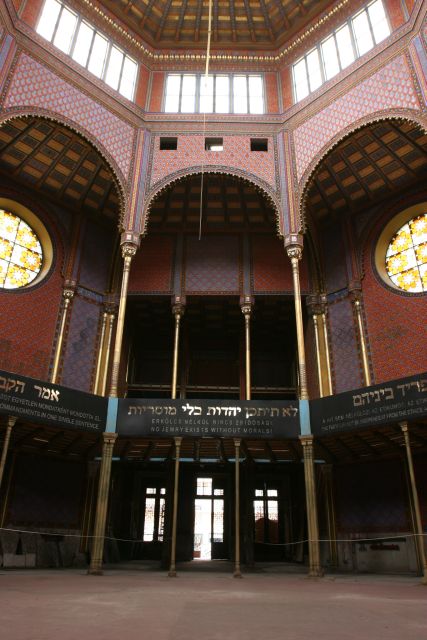
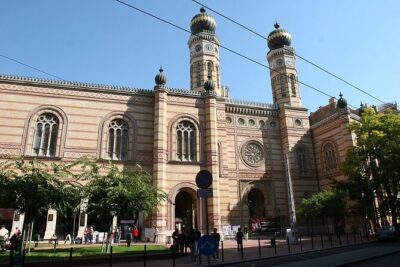
The day begins at Dohány Street Synagogue at Dohány u. 2, 1074. This is where the tour earns its “Grand” label. Even before you go in, the building tells you you’re at the center of something big.
Inside the synagogue, what to watch for
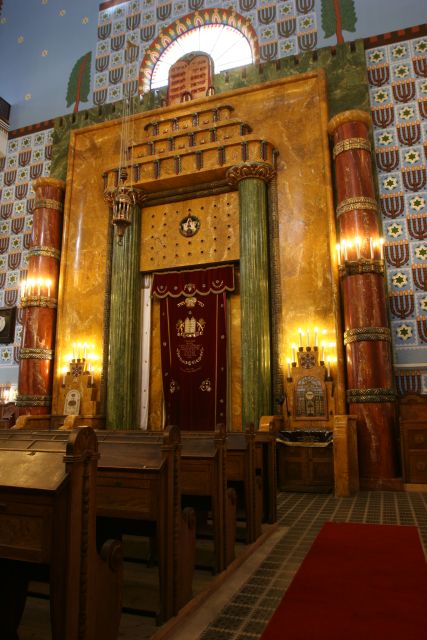
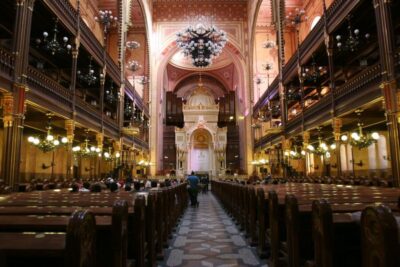
Your entry includes an interior visit, not just a quick look from outside. The guide uses the space to explain Jewish religious life in Budapest, and that is where the rest of the tour starts to make sense. Synagogues are not only religious sites. They are social hubs, community landmarks, and in this case, a visible reminder of a community that has endured.
A couple of practical tips help here:
- Dress respectfully, since this is an active religious space.
- Plan for time inside, not just photo time. The guide’s commentary is part of the value.
Why I like this start
Starting at the most recognizable synagogue gives you a mental map fast. From there, you can track how later stops connect back to the community, its institutions, and its tragedies.
Jewish Museum Budapest, Turning Surfaces into Real Context
Next comes Jewish Museum Budapest with local guiding. This is one of the best places to make sense of objects, documents, and stories you might otherwise treat like background.
History told a different way, elsewhere in Budapest
What the museum does for you
The museum stop is important because it gives you vocabulary. Instead of only feeling sadness at memorials or awe at architecture, you learn what daily life, faith practice, and community organizations looked like before catastrophe. That context makes the rest of the walking route far more than sightseeing.
If you like history that connects to real people, you’ll appreciate that the guide can explain both past and present. Guides known for strong pacing here often give you a framework and then let you ask questions, so the museum doesn’t become a lecture you tune out of.
Likely drawback for some people
Some visitors prefer short museum stops, and the structure here is guided and information-heavy. If you are traveling with kids or you hate sitting still, you might want to mentally prepare for a more structured museum segment than a casual walk.
Raoul Wallenberg Holocaust Memorial Park and the Tree of Life
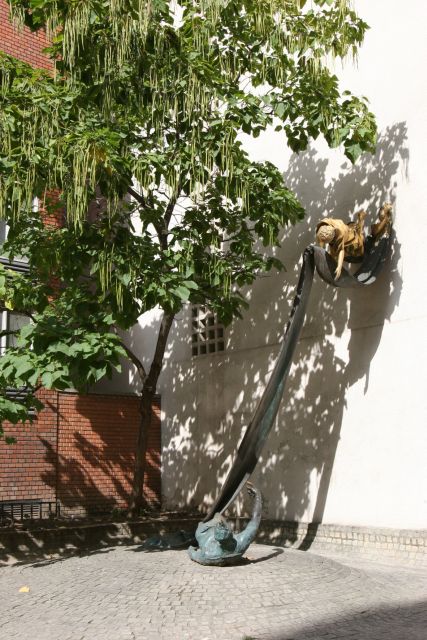
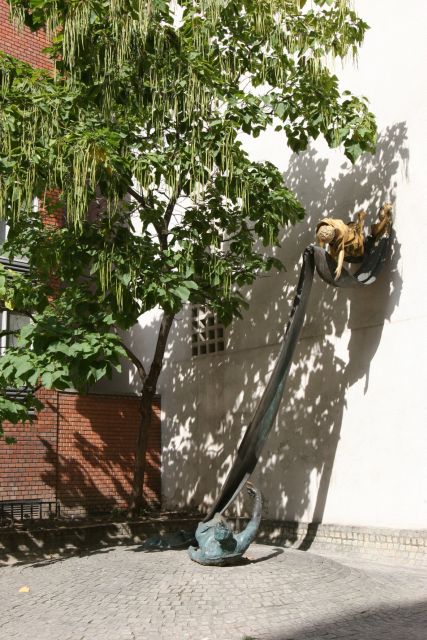
Then you move into the Holocaust memorial landscape: Raoul Wallenberg Holocaust Memorial Park and the Tree of Life. This is the part where the tour shifts from community culture to survival, rescue efforts, and memory.
Why this section hits
Memorial parks work best when you understand who they honor and why the place matters. This tour includes the right ingredients: you get guided explanation, and you also get time in a calmer space to process what you’ve learned.
Your route also includes attention to Carl Lutz, known as Hungary’s Schindler. That connection is valuable because it broadens the story beyond a single name. The more you understand the networks of rescue and the role individuals played, the less the history feels like a single unstoppable wave.
Practical consideration
This section is outdoors and includes walking. Bring comfortable shoes, and expect the memorial environment to be quieter and more reflective than the synagogue entrances.
The Jewish Quarter and Former Ghetto Streets, Seeing What Still Exists

After the first core cluster of stops, the tour breaks out into the Jewish Quarter, on streets of the former Ghetto. This is where you stop seeing “places” and start seeing “a neighborhood.”
What you’ll see as you walk
Your guide walks you through key areas tied to Jewish life and heritage, including:
- Synagogues and monuments that remain visible
- Kosher restaurants and kosher shops along the way
- The texture of the neighborhood and how it relates to Budapest
You also pass notable stops such as Madách Square and Gozsdu Passage, which helps you connect Jewish heritage sites with the wider city. That contrast is useful. It shows how Budapest has kept moving while still keeping memory in view.
Why this walk is worth doing on a guided tour
You could technically walk the neighborhood on your own. But a guided route changes everything. The guide can connect what you are seeing with what used to exist in the same streets and what has been preserved, restored, or remembered differently.
Synagogue Triangle Energy, Rumbach Street and Heroes’ Temple
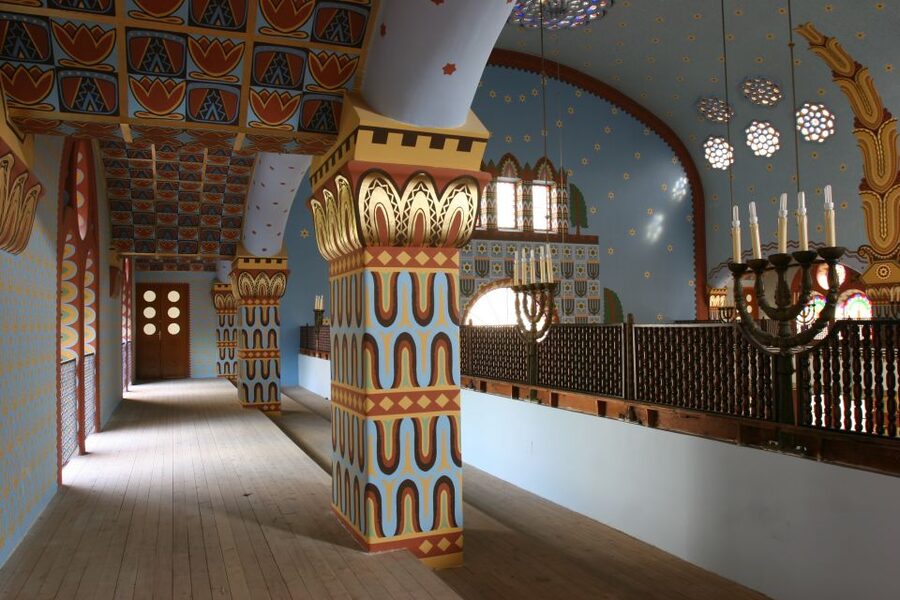
As you continue, you encounter the tour’s synagogue network. You include additional synagogue-related stops, including Rumbach Street Synagogue (outside visit) and Temple of Heroes (outside visit). You also pass through areas tied to Jewish Centre and other community landmarks.
What “outside visits” add
Outside visits can feel like lesser stops if you want only interiors. But here they work as orientation. You learn where the major sites cluster, how they relate to one another geographically, and how the tour keeps the story moving.
If you are the type who enjoys architecture and city layout, the outside stops help you build a route you could revisit later for a slower wander.
Kazinczy Street Synagogue, an Operating Orthodox Stop in Art Nouveau Style
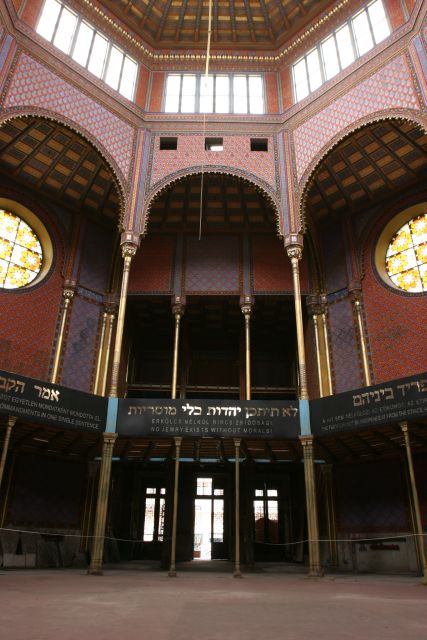
The tour’s synagogue triangle has a third main station: Kazinczy Street Synagogue. You get an outside view and then the tour includes an inside visit.
What makes Kazinczy special in this lineup
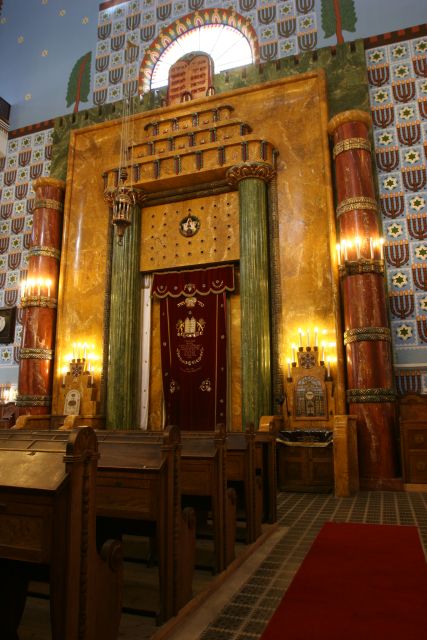
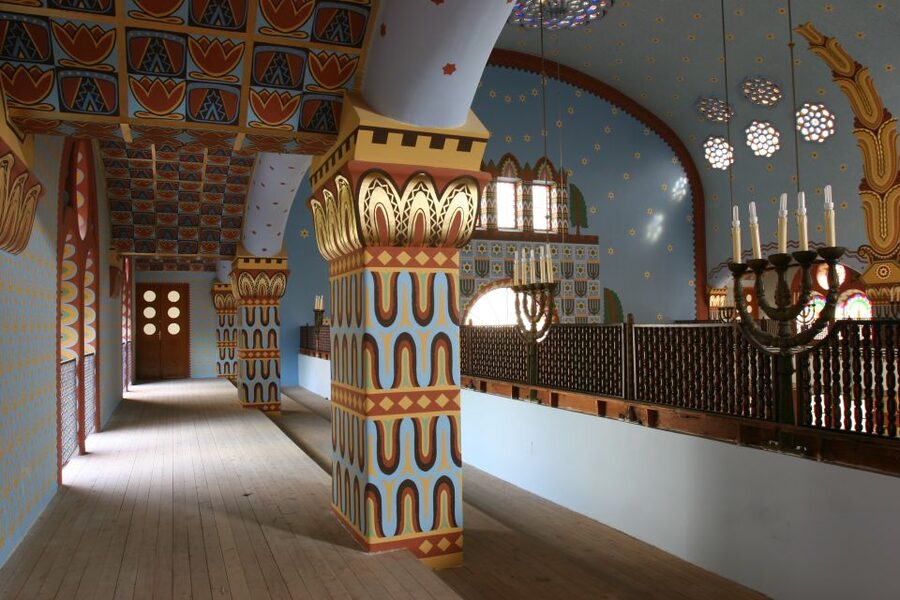
Kazinczy Street Synagogue is described as one of the largest operating Orthodox synagogues in Europe, and it is built in Art Nouveau style. That mix matters. It’s not just about Jewish heritage as a museum theme. It is about Jewish religious life that is still active.
Inside visit gives you a different feeling than Dohány. Both are important, but they represent different aspects of community practice and architecture.
Small tip for your visit
Keep your phone away until you’ve listened for a minute. In these spaces, the guide’s intro can help you look more closely at details you might otherwise miss.
Pacing, Time, and the One Thing to Watch for

The stated duration is 4 hours. In practice, timing can depend on group pace and guide choices. Some people reported finishing earlier than expected. Others found the pacing good and said the four hours flew by.
Here is how I’d plan if you have other commitments that day:
- Keep any major reservation flexible on the same day.
- Expect that the tour may include slower segments inside the synagogue and museum.
- If you are prone to rushing, you might want to plan a buffer afterward for a slow drink or a second look at the street views.
If you want the most value, treat the tour as your main event for half a day.
Price and Value: What $116 Really Buys You
At $116 per person for about 4 hours, you’re paying for more than a walk. Your price includes a professional guide and entrance fees for:
- Jewish Museum Budapest
- Dohány Street Synagogue
- Raoul Wallenberg Memorial Park
- Kazinczy Street Synagogue
That entrance set is the core value. Many city tours look cheap until you add museum tickets and synagogue entry. Here, the cost is built around the places that usually charge.
You also get a cake and coffee break at a kosher confectionary, plus a 10% discount at Carmel Restaurant if you choose the lunch option. That’s not a huge add-on, but it helps with energy and keeps the experience from feeling like you only listen and rush.
Who gets the best value
You’ll feel the price is fair if you:
- Want guided historical context, not just photos
- Plan to spend time listening in synagogues and the museum
- Like walking the neighborhood with someone who can explain what you’re seeing
If you only want a couple of highlights and you hate structured stops, you might find a shorter option better. But for a single half-day, this tends to deliver a strong “coverage per hour” approach.
Guides You’ll Want to Stick With, Benjamin and More
A big reason people rate this tour so highly is the guide. English-language guiding is live, and multiple guide names show up in guide performance: Benjamin, Orsi, Petra, Borcsa, and Abel.
The common thread in the praise is delivery. Guides are repeatedly described as clear, expressive, and willing to answer questions directly. That matters on a tour like this, where you’ll likely want to ask about faith practice, community history, or the emotional weight of certain memorial sites.
If you see Benjamin listed for a time that fits your schedule, consider choosing it. In groups led by strong communicators, the tour feels like a guided conversation, not a scripted march.
Who This Tour Suits (and Who Might Want a Different Plan)
This is a great choice if you:
- Want a concentrated Jewish heritage route in Budapest
- Appreciate guided context that connects religious life, history, and the modern neighborhood
- Like mixing museum time with outdoor memorials and street-level walking
It may not fit if you:
- Need wheelchair accessibility, since it is not suitable for wheelchair users
- Want very light walking or zero standing
- Are traveling with pets or larger luggage, since neither is allowed
Also, if your group includes someone who wants strictly upbeat content, you might need to prepare for serious topics. The tour’s design treats that seriousness with respect, but it does not avoid it.
Should You Book the Budapest Grand Jewish Heritage Half-Day Tour?
I’d book it if you want one half-day that covers the biggest anchors of Budapest’s Jewish story, with a real guide doing the explaining. The combination of Dohány Street Synagogue, Jewish Museum Budapest, Raoul Wallenberg Memorial Park, and Kazinczy Street Synagogue gives you both architecture and context, then the Jewish Quarter walk shows you how heritage lives on the ground today.
Skip it if you need full wheelchair accessibility, you hate museum and synagogue sitting time, or your schedule is too tight to handle possible timing shifts.
If you can do the walking, keep your ID handy, and show up ready to listen, this is an efficient and meaningful way to understand Budapest beyond its postcard surfaces.
More Tours in Budapest




More Tour Reviews in Budapest





The Jewish Quarter, Continued




Reviewed recently around Budapest
- Audio visual multi-sensory chefs journey dinner experience★ 5.0 · 3 reviews
- Tapolca Cave Lake and Tihany/ Balaton private tour from Budapest★ 4.5 · 3 reviews
- SzentEndre-SaintAndrew City Privately Shopping and Picturesque★ 4.5 · 3 reviews
- Sightseeing flight over Budapest★ 5.0 · 3 reviews
- Self Guided Tour In Budapest With 100 Captivating Audio Stories★ 5.0 · 3 reviews
- Private Danube Bend Visegrad and Szentendre Tour With Transport★ 5.0 · 3 reviews
Jewish Quarter and Heritage, compared.
 ★ 5.0Budapest Jewish Heritage Memorial Walking Tour & Synagogue EntryFrom $83568 reviews
 ★ 4.8Jewish Heritage Guided Tour with Synagogue TicketFrom $81533 reviews
 ★ 5.0Walking Tour Budapest incl. the Shoes on the Danube BankFrom $3387 reviews
 ★ 4.7Jewish Quarter of Budapest Walking TourFrom $2369 reviews
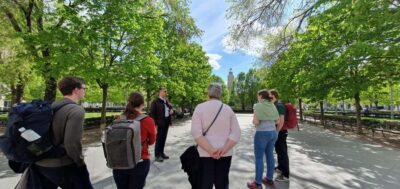 ★ 5.0Best of Downtown and Jewish Quarter TourFrom $23312 reviews
 ★ 5.0Past and Present of Budapest Jewish District TourFrom $3264 reviews
 ★ 5.0Budapest City Walk in Jewish QuarterFrom $356218 reviews
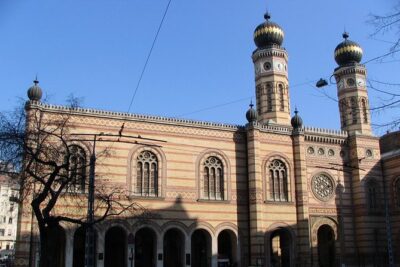 ★ 4.5Budapest Dohany Synagogue & Hungarian Jewish Museum & free extrasFrom $44218 reviews
Browse the lists this tour appears in