
Review · COMMUNIST ERA AND COLD WAR TOURS
Budapest Hammer & Sickle Communist Times Tour
Budapest teaches communism in real streets. This 2.5-hour tour turns 1956 Revolution landmarks into a clear timeline, with Retro Interactive Museum stops that explain everyday life behind the Iron Curtain. You’ll hear how Hungary got pulled into WWII, why the communist grip tightened, and how ordinary families survived long lines, black markets, and constant control.
I especially like the mix of big political moments and human-scale details, guided by people like Anna and Celeste who connect events to what it actually felt like to live there. The small group size also makes it easier to ask questions and keep up, and you’ll start with coffee or tea or a soft drink. One possible drawback: there’s no audio equipment or headphones, so if it’s noisy outside or you’re hard of hearing, you’ll want to position yourself where you can clearly hear your guide.
In This Review
- Key Highlights You Should Care About
- Why This Budapest Tour Feels Like a Timeline, Not a Lecture
- Price and What You’re Getting for $79.65
- From Deák Ferenc tér to a Church Under Pressure
- Szabadság tér Soviet Memorial: Where WWII Turns Into Occupation
- Parliament Square and the First Days of 1956
- October 25 In Memoriam: Archive Footage Meets Real Fear
- Imre Nagy on October 23: The Person Behind the Pivot
- Retro Interactive Museum: Daily Life Under Big Brother
- Shoes on the Danube Bank: WWII Memory in a Quiet Place
- How to Prepare: Weather, Walking, and No Headphones
- Group Size, Timing, and the Chance to Ask Questions
- Who This Tour Is Best For (and Who Might Want Something Else)
- Book It or Skip It: My Practical Recommendation
- FAQ
- How long is the Budapest Hammer & Sickle Communist Times Tour?
- When does the tour start, and where do I meet?
- When does the tour end?
- What is included in the price?
- Are any admissions included or not included?
- Is there audio equipment or headphones provided?
- Is there free cancellation if my plans change?
Key Highlights You Should Care About
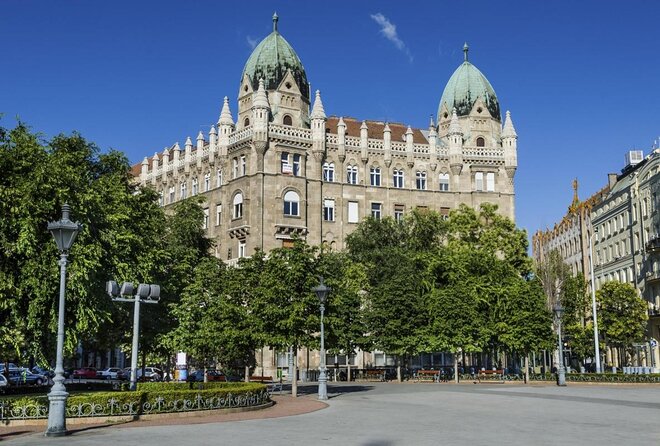
A practical route through Pest’s key 20th-century sites tied to WWII, occupation, and 1956
A hands-on Retro Interactive Museum focused on daily life, not just slogans
Clear storytelling about passports, black markets, and shortages that made travel and buying goods harder
Emotional 1956 memorial stops built around speeches, protests, and Soviet tank violence
A Holocaust reminder at Shoes on the Danube Bank to anchor WWII memory in place
Why This Budapest Tour Feels Like a Timeline, Not a Lecture
This isn’t a vague “politics in general” walk. The whole flow is built around cause and effect, from Hungary’s role in World War I and II, to the 1956 Revolution against the communist government and Soviet policies. You start in central Pest and end near downtown, so the story is easy to track as you move.
What makes it work is the variety of “modes.” You get public squares and monument views for the big moments, then a museum experience that turns history into props and routines you can picture. That combination is exactly what helps the Cold War stop being abstract.
I also like that the tour keeps things grounded in real places you can later revisit on your own. If you’re trying to understand Budapest beyond photos and ruin bars, this gives you the mental map fast.
Price and What You’re Getting for $79.65
At about $79.65 per person for roughly 2 hours 30 minutes, you’re paying for two things: a tight guided route and an entry to an interactive museum about life under communism. The tour is small, with a maximum of 10 travelers, which usually means more interaction and less rushing.
You do not pay for everything upfront. Tickets at two stops are not included, and at least some other sites are free. Still, the overall value holds because you’re not just getting a walk past landmarks. You get a guided explanation of what happened, plus an interactive exhibition that covers daily realities like education, family life, and travel constraints.
If you’re only in Budapest for a short time and want a modern-history foundation, this price often feels fair. If you already love reading about communism and you prefer fully self-guided pacing, you might find it less necessary.
More of the socialist decades, told on foot
- Budapest: Communist History Tour with House of Terror Option
★ 4.8 · 182 reviews - Communism in Hungary with a Historian
★ 5.0 · 70 reviews - Budapest: 3-Hour Walking Tour About Communism (Small Group)
★ 4.7 · 70 reviews - Lives of Hungarians Under Communist and Capitalist system
★ 5.0 · 59 reviews
From Deák Ferenc tér to a Church Under Pressure
The tour starts at the Lutheran Church at Deák Ferenc tér 4, with a 3:00 pm departure. Even before the 1956 story fully starts, you’ll get context for how communism interfered with daily life, including religious institutions.
Your first stop is Szent István Bazilika. This is an important opening because it frames how the communist system affected church operations and religious life. It’s a reminder that state control didn’t only target politics and jobs. It also reached into spiritual space.
Keep in mind: the bazilika admission is not included. If you want to go in, you’ll need to budget time and money for a ticket on the day.
Szabadság tér Soviet Memorial: Where WWII Turns Into Occupation
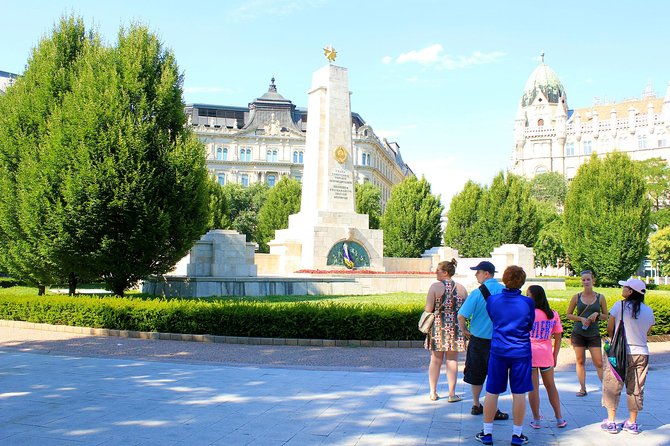
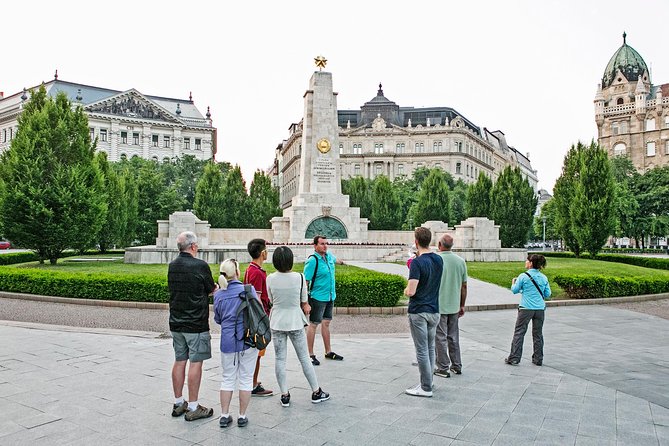
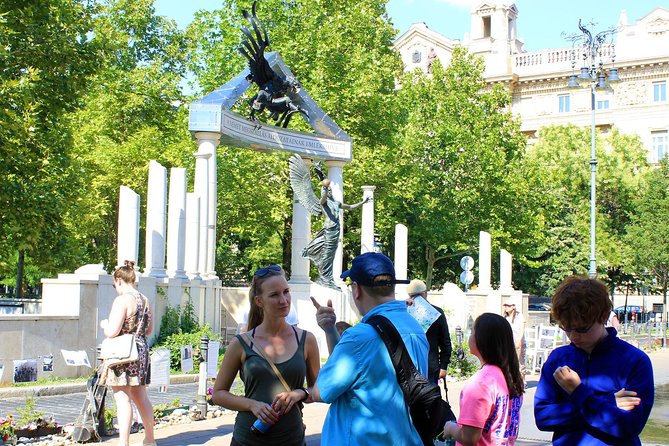
Next you head to Szabadság ter for the Soviet Memorial, where the story shifts from WWII to occupation and communist power consolidation. This stop is short, but it sets the tone for what follows. It’s where the timeline gets sharper: the war ends, then the control machinery begins.
This is also one of the easiest places to understand why people feared the Soviet-backed communist system. The memorial context helps you see how the end of one era created the conditions for the next.
The good news: this part is free. The pacing here matters. You only have about a quarter hour, so listen closely when your guide links events to the city you’re about to walk through next.
Parliament Square and the First Days of 1956
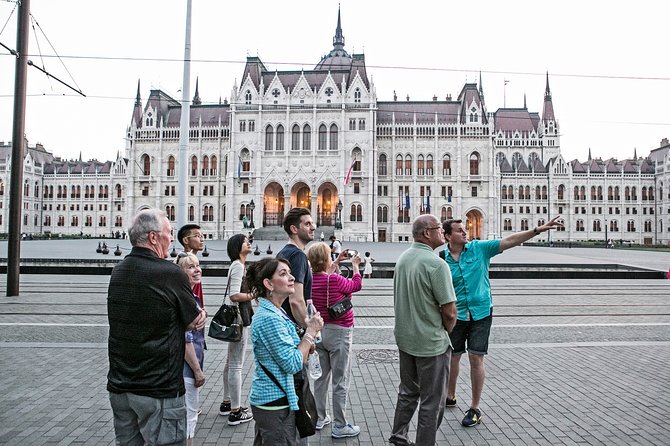
The tour then moves toward the Hungarian Parliament Building, where the square played a role in the early days of the 1956 Revolution. This is the kind of stop that looks photogenic, but the payoff is what you learn after you arrive.
Your guide explains what led to the outbreak and how party leadership handled the unfolding events. You’re not just hearing dates. You’re learning how quickly events escalated once protests turned into a broader push against Soviet influence.
Parliament tickets are not included, so plan to focus on the square and exterior context unless you decide to add entry separately. Either way, the framing here makes the later memorial stops feel earned instead of random.
October 25 In Memoriam: Archive Footage Meets Real Fear
One of the most affecting pieces of the tour happens at In memoriam 1956. October 25, with an exhibition tied to the second day of the revolution. The key detail is brutal and simple: military authorities and Soviet tanks fired into the crowd.
The exhibition uses archive footage and recollections. That matters because it helps you feel the difference between “history as textbook” and history as lived danger. It’s one thing to know that tanks rolled in. It’s another to see how people described what it meant in the moment.
This stop is free. Still, give yourself mental space for it. If you jump from bright streets into heavy footage, you might want a minute to settle before continuing.

Imre Nagy on October 23: The Person Behind the Pivot
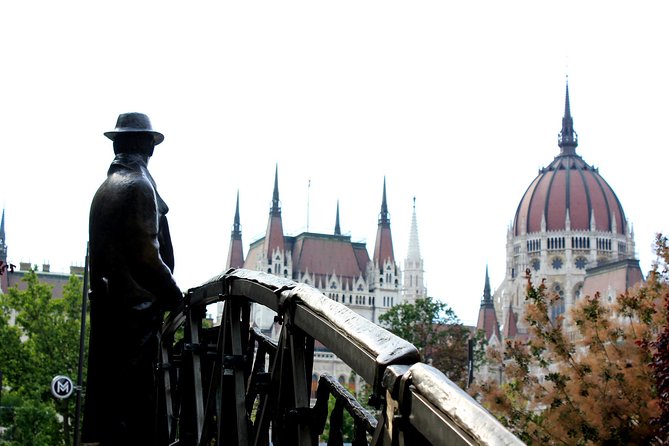
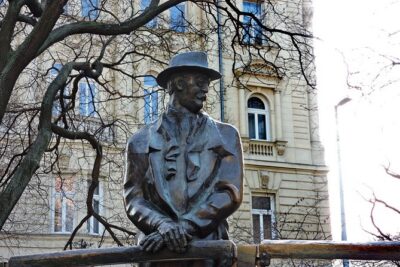
From there you visit the Monument to Imre Nagy, linked to Remembrance Day on October 23. Imre Nagy is described as a communist figure best known for defying Soviet leaders in Moscow, then later executed for treason.
This is a crucial perspective twist. It shows you that the opposition in 1956 didn’t come from only one side of the political spectrum. It came from a Hungary trying to regain agency, even when the people involved were already inside the system.
You’ll also hear about his reburial as an important moment in the shift of regime. It’s a reminder that how a country remembers can be part of how it changes.
This stop is free, and it fits well at this point in the tour because it turns the story from chaos into a symbol that still shapes how Hungarians talk about freedom.
Retro Interactive Museum: Daily Life Under Big Brother
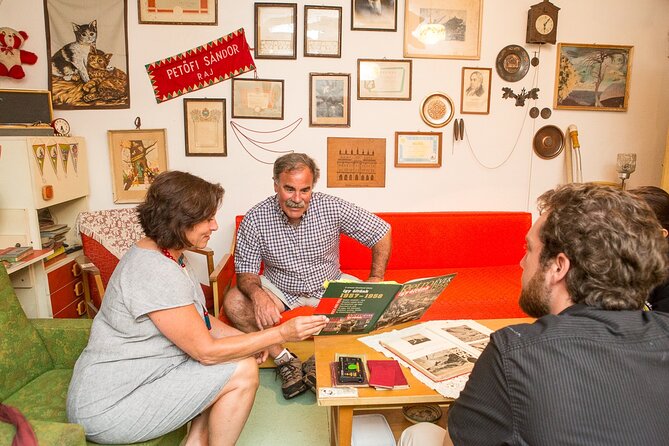
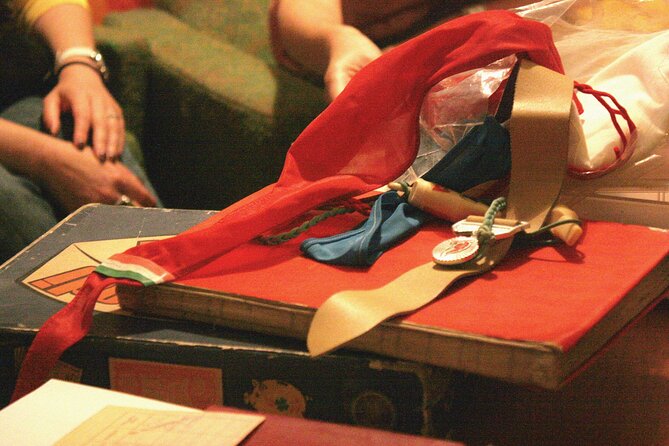
The biggest “wow” factor for many people is the Budapest Retro Interactive Museum. This is where the tour steps away from speeches and tank movements and focuses on daily routines: how children were brought up, how families lived, how travel worked, and what it took to get a passport.
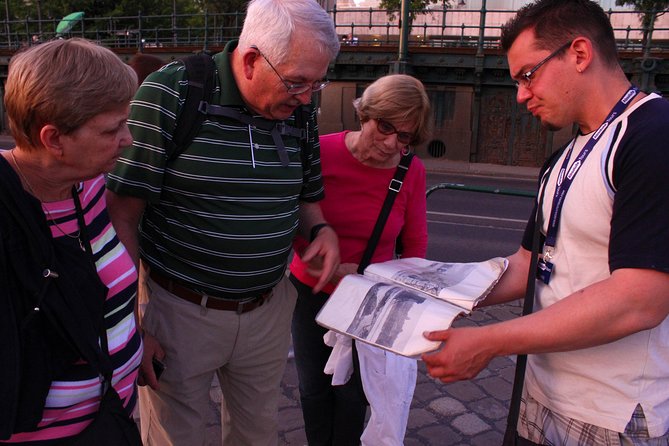
The museum is also where the story turns practical and slightly shocking. You’ll hear about things like black markets and banana lines, plus the slow reality of official approvals and shortages that shaped everyday decisions. These aren’t fun facts for trivia night. They explain why people felt trapped and why even small items could become a mission.
From what I’ve gathered through guide styles and how this tour is described, some guides also start with a short setup in a basement room with period artifacts, photos, and items that set the mood before you move through exhibits. That kind of preface helps you read the museum objects better when you see them.
The tour includes entry here, which is a big part of why the overall value holds. Even if you’re not obsessed with politics, you’ll likely leave understanding the feel of the era.
Shoes on the Danube Bank: WWII Memory in a Quiet Place
Your highlights mention a stop at Shoes on the Danube Bank Holocaust memorial. This is an essential anchor for WWII memory because it forces you to connect dates and documents to a specific kind of human loss.
It’s also a good counterweight after the communist-era focus. Hungary’s 20th-century story includes multiple layers of terror, occupation, and persecution. Seeing this memorial helps your brain keep the timeline straight and respectful.
Time here is not long on most 2.5-hour tours, so I’d keep expectations realistic. You’re there to notice, reflect, and let the moment land, not to treat it like a museum you can fully “finish.”
How to Prepare: Weather, Walking, and No Headphones
This tour runs in all weather conditions, so dress for wind, rain, or cold. The route is a walking experience through central Budapest, and several stops take place outdoors in squares. A light rain jacket and comfortable shoes go a long way.
Also plan for one detail that can make or break your experience: no audio equipment or headphones are provided. That means your location matters. If you’re with a group, stand where you can hear clearly, and don’t drift too far while your guide is talking.
One other practical note: it’s not recommended under age 14. The content deals with violent history and oppressive systems, so it’s better suited to older teens and adults.
Group Size, Timing, and the Chance to Ask Questions
This tour caps at 10 travelers, and that small size is one of the reasons guides can give more direct answers. Several guides are described as engaging and story-driven, and that format works best when you can hear and participate.
It starts at 3:00 pm, which is a nice slot for people doing museums in the morning and wanting a focused afternoon activity. It also tends to match the pace of a typical first or second day in Budapest when you want context before you wander on your own.
You’ll end near Liberty Square in downtown, which is a convenient drop-off zone for continuing your sightseeing.
Who This Tour Is Best For (and Who Might Want Something Else)
This tour is a strong fit if you want a clear, guided path through Hungary’s modern history, especially WWI and WWII context, the 1956 Revolution, and life behind the Iron Curtain. It’s also great if you like learning through stories and objects, not just plaques and facts.
I’d especially recommend it for first-timers who don’t yet know Budapest’s political geography. Seeing the Parliament and memorial areas with explanations gives you a framework that later neighborhoods and monuments make more sense.
If you already know a lot of communist-era history and prefer to pick your own pace, you might feel the group timing is limiting. And if you’re sensitive to heavy WWII and 1956 content, you’ll want to prepare yourself emotionally before you go.
Book It or Skip It: My Practical Recommendation
Book this tour if you want the fastest path to understanding Budapest’s modern story, with a real interactive component and a guided route through the places that shaped 1956. The best part is that it blends big historical events with everyday realities like passports, shortages, and black markets, so the era becomes understandable instead of just debated.
Skip it if you want a light, casual stroll only, or if you rely heavily on audio support for listening. Also skip if you’re only interested in one narrow time period and you’d rather spend your afternoon elsewhere.
Overall, this one is worth it when you want context you can carry around the city.
FAQ
How long is the Budapest Hammer & Sickle Communist Times Tour?
It lasts about 2 hours 30 minutes.
When does the tour start, and where do I meet?
It starts at 3:00 pm. Meet at the Lutheran Church of Ferenc Deák Square, Deák Ferenc tér 4, 1052 Budapest.
When does the tour end?
The tour ends near Liberty Square in downtown Budapest, close to Szabadság tér 1, 1054 Budapest.
What is included in the price?
You get an English speaking guide, entry to the Budapest Retro Interactive Museum, and coffee or tea or a soft drink. You’ll receive a mobile ticket.
Are any admissions included or not included?
Szent István Bazilika admission is not included, and Hungarian Parliament Building admission is not included. Szabadság ter and the In memoriam 1956. October 25 exhibition are listed as free.
Is there audio equipment or headphones provided?
No. There is no audio equipment or headphones available on this tour.
Is there free cancellation if my plans change?
Yes, you can cancel for a full refund up to 24 hours in advance.
More Tours in Budapest



More Tour Reviews in Budapest



More From the Socialist Years



Reviewed recently around Budapest
- Audio visual multi-sensory chefs journey dinner experience★ 5.0 · 3 reviews
- Tapolca Cave Lake and Tihany/ Balaton private tour from Budapest★ 4.5 · 3 reviews
- SzentEndre-SaintAndrew City Privately Shopping and Picturesque★ 4.5 · 3 reviews
- Sightseeing flight over Budapest★ 5.0 · 3 reviews
- Self Guided Tour In Budapest With 100 Captivating Audio Stories★ 5.0 · 3 reviews
- Private Danube Bend Visegrad and Szentendre Tour With Transport★ 5.0 · 3 reviews
Communist Era and Cold War Tours, compared.
 ★ 4.8Communist History Tour with House of Terror OptionFrom $58182 reviews
 ★ 5.0Communism in Hungary with a HistorianFrom $5970 reviews
 ★ 4.73-Hour Walking Tour About Communism (Small Group)From $5770 reviews
 ★ 5.0Lives of Hungarians Under Communist and Capitalist systemFrom $459 reviews
 ★ 5.0Guided Tour with Admission in Memento ParkFrom $3048 reviews
 ★ 4.5Memento Park TicketFrom $1046 reviews
 ★ 5.0Memento Park Visit with Private Trabant TransferFrom $30544 reviews
 ★ 4.5Memento Park Entrance TicketFrom $1138 reviews
Browse the lists this tour appears in