
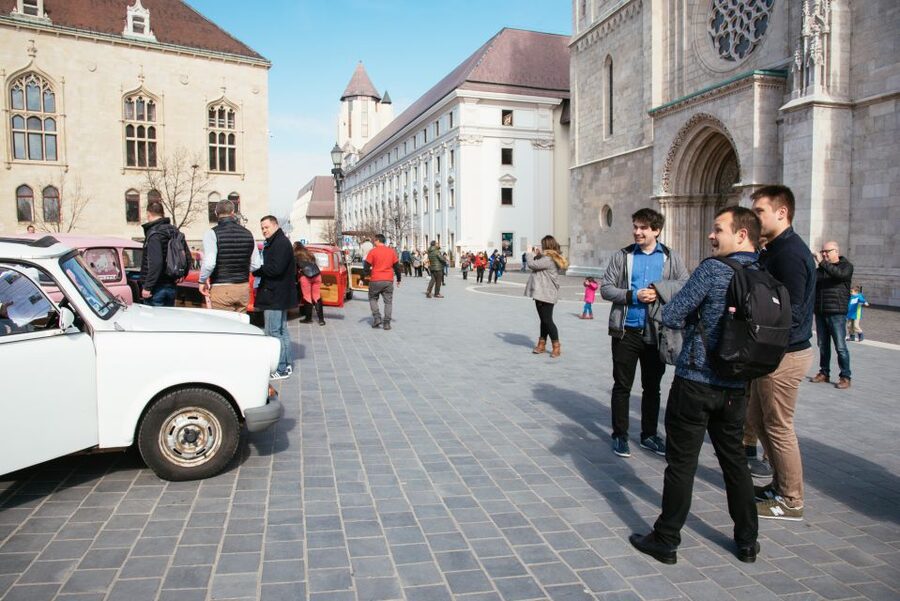
Review · COMMUNIST ERA AND COLD WAR TOURS
Budapest: 3-Hour Walking Tour About Communism (Small Group)
Communism feels close when Budapest shows receipts. This 3-hour small-group walking tour pairs a historian guide with family stories and a pause at a retro café that still feels like it did decades ago. Expect the topic to run emotional and real, from WWII aftermath to the 1956 uprising and the system’s end. One possible drawback: this is politics and lived experience heavy, so it is not a casual “see pretty buildings” stroll.
You start at Deák tér in Pest, then walk through parts of the city where the communist era lingers in details you might otherwise miss, including scars like bullet holes. You also ride the red M2 subway, which makes the tour’s timeline feel physical rather than theoretical. With a small group and an English-speaking guide, you should be able to ask questions as you go.
Guides such as Judith, Zsuzsanna, Greg, and Monica are highlighted for turning big ideology into human scale, plus bringing personal context into the story. The small size, limited to 10 people, keeps the energy interactive instead of scripted. If you like history that has a pulse, this one fits.
In This Review
- Key things I’d clock before you book
- Why a Communism Walking Tour Works in Budapest
- Meeting at Kempinski Corvinus, Then Starting at Deák tér
- The Pest Side: Remnants of Communism You Can Actually Spot
- From WWII to 1956 and Toward 1989
- Riding the Red Subway Line M2 as a Story Tool
- A Drink at a Retro Café That Feels Stubbornly Old
- Why the Family Stories Make the Ideology Click
- Price and Value: Is $57 Fair for 3 Hours?
- Who This Tour Suits Best in Your Budapest Plans
- Should You Book This Communism Walking Tour?
- FAQ
- How long is the Budapest 3-Hour Walking Tour About Communism?
- What is the price of the tour?
- Where is the meeting point?
- Where does the walk begin after the meeting?
- Is this a small group tour?
- What language is the tour offered in?
- What is included in the tour?
- Which subway line is included?
- Can I cancel for a full refund?
- Is there a reserve now, pay later option?
Key things I’d clock before you book
- Historian-led commentary that explains how communist ideology took root in Hungary
- Family stories that add hardship and humor, not just dates
- Retro café stop with a drink and a “time capsule” feeling
- Red M2 subway ride as part of the story, not just transport
- Small group size capped at 10, so questions feel welcome
Why a Communism Walking Tour Works in Budapest
Budapest is a city of layers. That’s true in the usual “old buildings plus new life” way, but it is extra true with the communist era, because it shaped everyday routines, social attitudes, and what people dared to say. A walking format matters here. When you’re moving block by block, you catch the mix of architecture, symbols, and small visual cues that make the story believable.
I also like that this tour is built around the full arc: the arrival of the ideology, the years of rule, and the legacy that lasted long after the system ended. You are not only handed political theory. You get the lived version, including comic moments alongside hardship, which is a big reason the guides earn such strong marks.
The other big win is the pacing. Three hours is long enough to build context, but short enough that you do not leave completely fried. You still get a subway ride, a drink, and multiple stops where the guide can point out what you should look for next time you’re on your own.
Meeting at Kempinski Corvinus, Then Starting at Deák tér
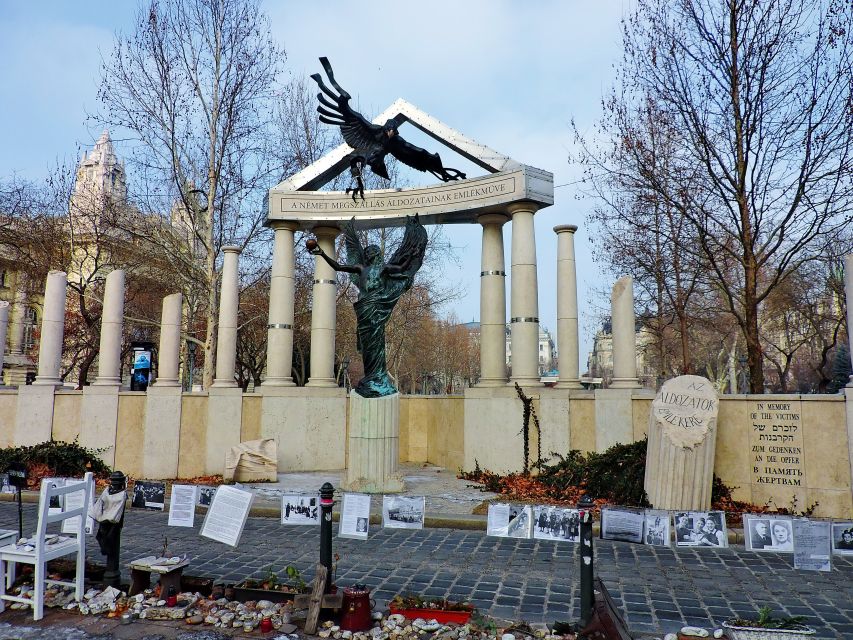
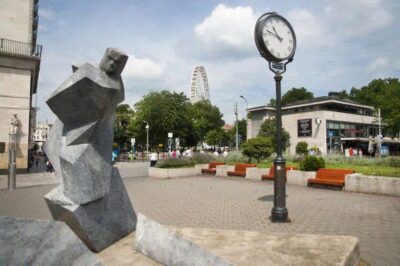
The tour starts in a very practical spot: in front of Kempinski Hotel Corvinus Budapest, facing the Ferris wheel on Erzsébet square. The address is Erzsébet tér 7, 1051, and the route is easy to reach by subway and also by trams and buses. If you are using the metro, you can connect via M1, M2, or M3 and get close at Deák Ferenc tér.
Once everyone meets, the walk begins through the main square area of Pest, Deák tér. That matters because it sets the rhythm early. You are not starting in a museum or a single monument. You’re starting in the thick of the city, where communist-era remnants sit alongside modern Budapest life.
If you like smooth starts, you’ll appreciate that the meeting point is clear and central. If you are the type who arrives early to collect your bearings, set aside a little extra time to orient around Erzsébet square and the Ferris wheel view.
More of the socialist decades, told on foot
- Budapest: Communist History Tour with House of Terror Option
★ 4.8 · 182 reviews - Communism in Hungary with a Historian
★ 5.0 · 70 reviews - Budapest: 3-Hour Walking Tour About Communism (Small Group)
★ 4.7 · 70 reviews - Lives of Hungarians Under Communist and Capitalist system
★ 5.0 · 59 reviews
The Pest Side: Remnants of Communism You Can Actually Spot
After Deák tér, the tour moves through one of Budapest’s most pleasant stretches in Pest, but with a different lens. The guide points out remnants connected to the communist period, and the story keeps returning to how people lived with the system day to day. You may even hear about scars from WWII and the way conflict and occupation left marks, including bullet holes, that locals remember.
This is the part I find most useful for future independent exploring. Once you know what to look for, Budapest rewards you on other walks too. Street-level symbols, building choices, and public messaging start to make sense, because the guide gives the why behind what you’re seeing.
One practical note: you will be outside and walking. This tour is about seeing and listening, so wear shoes you can walk in comfortably for three hours without “survival mode.”
From WWII to 1956 and Toward 1989
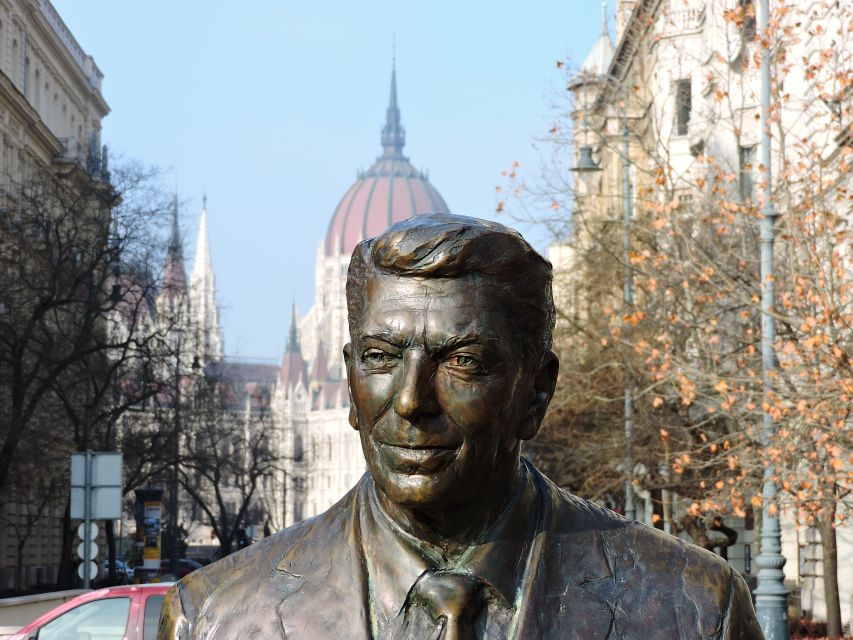
What makes this tour more than a single-theme stroll is how it threads the timeline together. You start with the broader context after WWII, then move into the communist era’s rule, and you reach the 1956 revolution as a major turning point. The story continues forward into 1989 and the early 1990s, so you can see the legacy shift rather than stopping at the fall of a regime.
Some guides, like Greg, are praised for expanding beyond the standard political line. For example, you might hear touches on how the shift played out in cultural life, including church media, and in politics and everyday routines. Another guide focus you may encounter is the idea of shifting social systems, often described as a move from harsher communism toward softer socialism before the later political changes.
I like that the guide uses all that context to explain the “why” behind places and symbols. You are not memorizing terms. You’re building a mental model for how Hungary was pulled by forces from different directions, and how people adapted while staying Hungarian at heart.
Riding the Red Subway Line M2 as a Story Tool
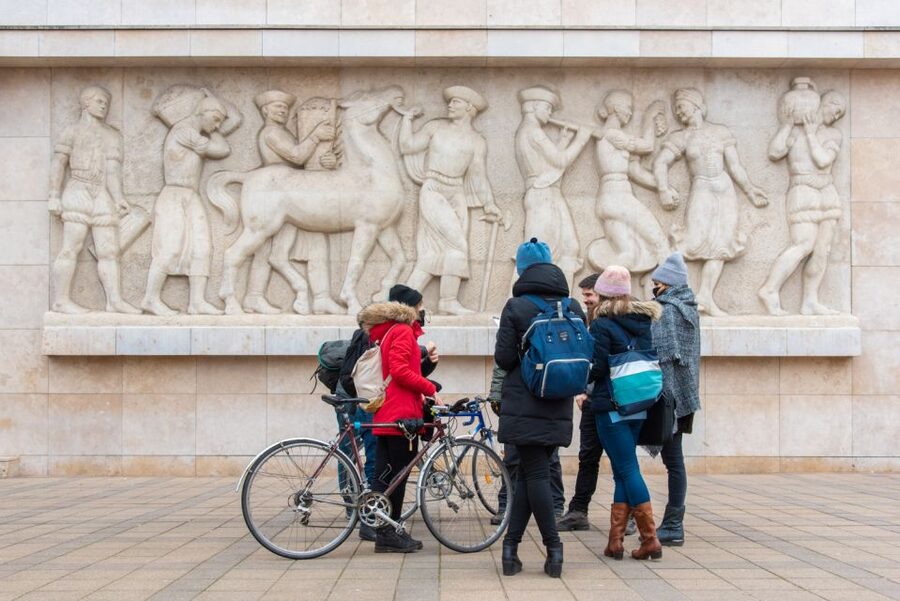
One of the most clever parts of this tour is the included subway segment on the red M2 line. It’s not just an urban convenience. It becomes a literal movement through space that mirrors movement through time.
You get the transportation ticket as part of the tour, which helps you avoid the extra thinking when you’re trying to learn. And because the M2 ride is short enough to keep energy up, it feels like a break without turning the tour into a bus-and-chat day.
This section is especially good if you learn best by doing. You see that the city connects everything, and the guide can tie the ride to the wider narrative of how people moved, how systems worked, and how everyday life functioned under changing governments.
A Drink at a Retro Café That Feels Stubbornly Old
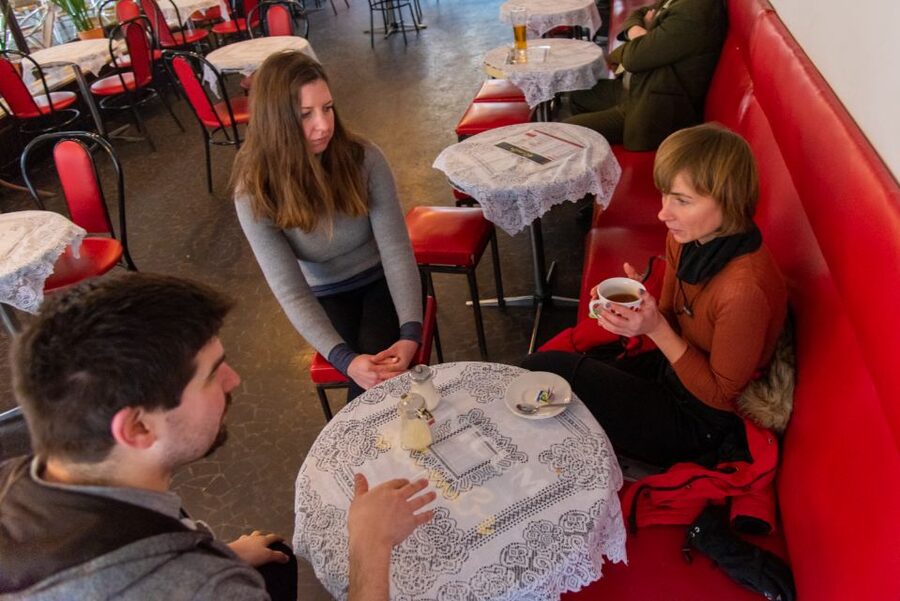
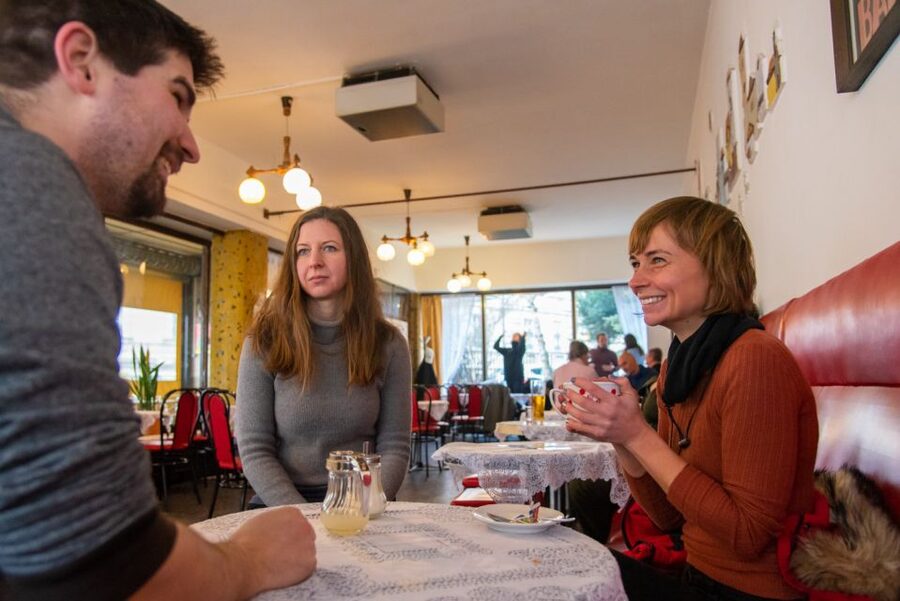
The tour includes a drink at a cult retro café, described as changing very little since it opened in 1961. Other parts of the description also point to a strong retro feel associated with the 1970s, so think of this as a place where the vibe is old-school and the conversation style feels like it belongs to another era.
This stop is not just a reward. It’s a tonal reset that helps the history land. When you talk with a guide in a setting that visually resists modern trends, the past stops feeling like a textbook. You start asking questions that connect policy to personal life, like how people spent leisure time, what conversations sounded like, and how ordinary routines worked under pressure.
The best part is that the tour aims to keep the chat going. Guides such as Zsuzsanna and Judit are often praised for ending with a real conversation, not a goodbye speech. So if you like to process ideas out loud, this is a strong fit.
Other Budapest walks at a similar pace

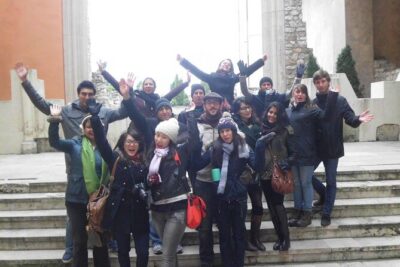
Why the Family Stories Make the Ideology Click
Communism is easy to describe in theory. It’s harder to understand without the human layer. That’s where this tour’s personality shows up most.
Guides are specifically noted for sharing real family stories from the period, which gives you a mix of hardship and comic moments. One guide example you might hear is how the ideology affected normal work and social rules, explained through stories passed down by family and friends. Another is the way daily life could feel both controlled and creatively managed by people who had to make the best of what they were given.
This storytelling method is valuable for you because it prevents the usual “big historical events with no emotional context” problem. After the tour, you’re more likely to interpret what you see in Budapest correctly, because you understand how systems show up in everyday behavior.
It also helps with discussion. Multiple guides are praised for answering questions, and in a small group you’ll likely get a chance to steer the conversation toward what you care about most. If you want more politics, ask. If you want more culture and social life, ask that too.
Price and Value: Is $57 Fair for 3 Hours?
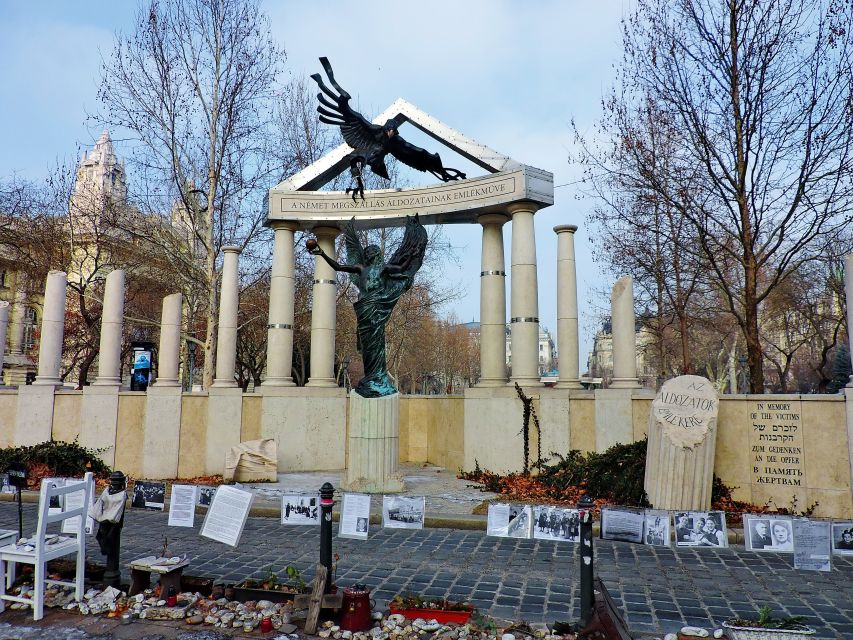
At $57 per person for a 3-hour walking tour, the best way to judge value is what’s included and how the time is used. Here, you’re paying for a historian guide, a guided walk with interpretation at multiple stops, a drink in a retro café, and a transportation ticket for the included M2 subway ride.
When a tour includes both guided storytelling and an activity change like a subway segment plus a café pause, it justifies the cost better than a basic “walk and point” experience. Also, the small-group cap at 10 matters. You are not competing for attention in a crowd, and that makes the Q and A portion feel more useful.
You’re also paying for focus. The theme is specific, communism and its impact in Hungary. If that’s your interest, this is a good match because it does not scatter into unrelated stops. If you came to Budapest only for castles and thermal baths, you might find the cost harder to justify, because the day’s center is political and social history, not sightseeing variety.
Who This Tour Suits Best in Your Budapest Plans
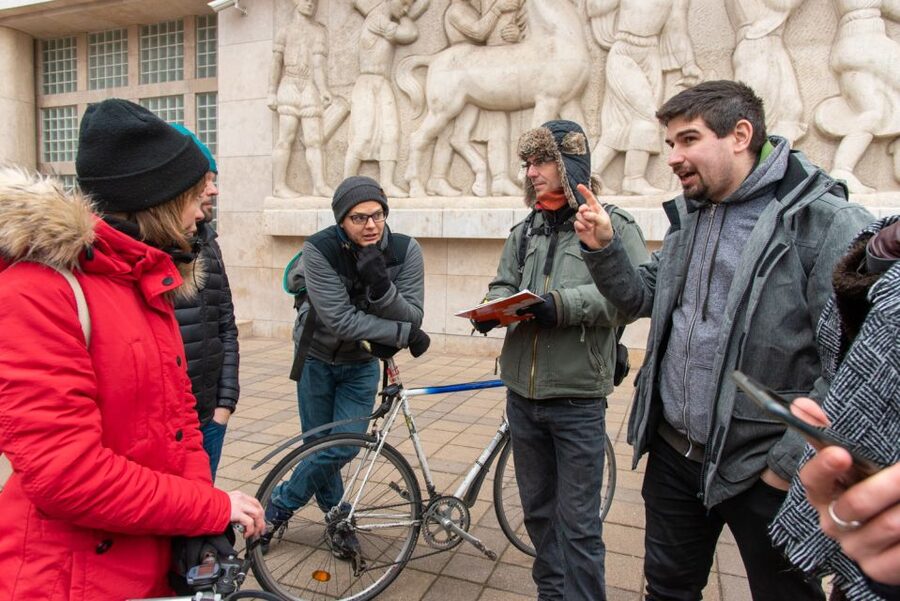
This tour fits best if you enjoy history that connects to daily life. You’ll likely get more from it if you like asking why certain symbols exist, why people reacted the way they did, and how systems changed what people could say and do.
It also suits you if you want a manageable dose of a heavy topic. Three hours is a workable length, especially with breaks built in. The café stop helps, and the small group keeps you from feeling like you’re being herded.
If you’re a casual passerby who wants light, photo-only tourism, this might not be the right energy. The subject can be emotionally intense, and the guide spends time explaining context instead of just pointing out pretty scenery.
Should You Book This Communism Walking Tour?
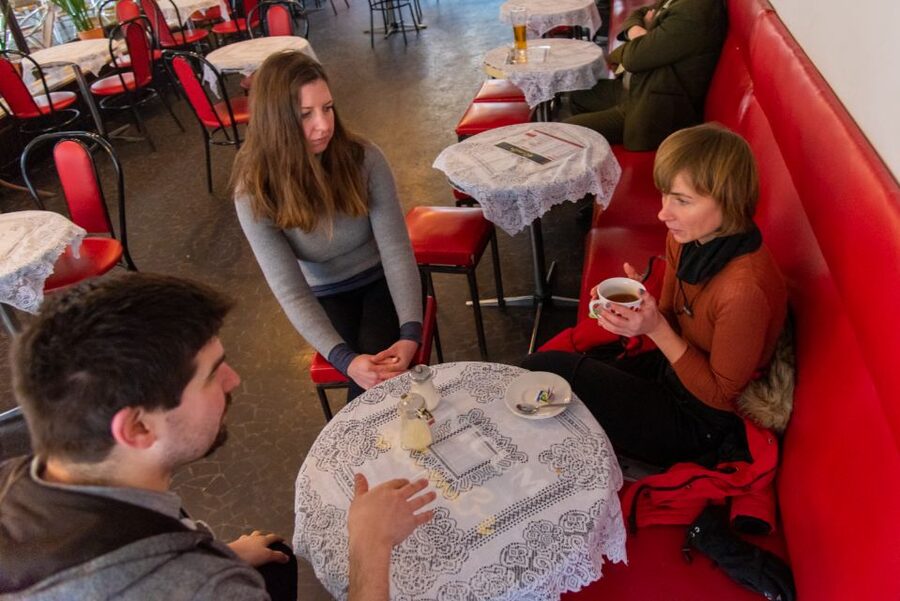
If communism in Hungary is on your list, I’d book it. The combination of a historian guide, family stories, and a retro café pause makes the experience feel personal and memorable, not like a lecture. Add in the M2 ride and you get variety without breaking the theme.
I’d especially recommend it if you like walking tours that teach you how to read a city. You will come away with better instincts for spotting and interpreting what you see around Budapest, long after you leave the group.
If you know you prefer upbeat, easygoing sightseeing, consider how you handle serious topics. This is still only three hours, but it is built to make you think, not just smile at landmarks.
FAQ
How long is the Budapest 3-Hour Walking Tour About Communism?
The tour lasts 3 hours.
What is the price of the tour?
The price is $57 per person.
Where is the meeting point?
The meeting point is in front of Kempinski Hotel Corvinus Budapest, facing the Ferris wheel on Erzsébet square (Erzsébet tér 7, 1051).
Where does the walk begin after the meeting?
After meeting on the main square of Pest, Deák tér, the walk starts from there.
Is this a small group tour?
Yes. It is limited to 10 participants.
What language is the tour offered in?
The tour is live-guided in English.
What is included in the tour?
Included items are the expert guide, a drink in a retro café, and a transportation ticket for the subway.
Which subway line is included?
You get a ride on the red subway line M2.
Can I cancel for a full refund?
Free cancellation is available up to 24 hours in advance for a full refund.
Is there a reserve now, pay later option?
Yes. You can reserve now and pay later, with pay nothing today.
More Tours in Budapest




More Tour Reviews in Budapest





More From the Socialist Years




Reviewed recently around Budapest
- Audio visual multi-sensory chefs journey dinner experience★ 5.0 · 3 reviews
- Tapolca Cave Lake and Tihany/ Balaton private tour from Budapest★ 4.5 · 3 reviews
- SzentEndre-SaintAndrew City Privately Shopping and Picturesque★ 4.5 · 3 reviews
- Sightseeing flight over Budapest★ 5.0 · 3 reviews
- Self Guided Tour In Budapest With 100 Captivating Audio Stories★ 5.0 · 3 reviews
- Private Danube Bend Visegrad and Szentendre Tour With Transport★ 5.0 · 3 reviews
Communist Era and Cold War Tours, compared.
 ★ 4.8Communist History Tour with House of Terror OptionFrom $58182 reviews
 ★ 5.0Communism in Hungary with a HistorianFrom $5970 reviews
 ★ 4.5Budapest Hammer & Sickle Communist Times TourFrom $7968 reviews
 ★ 5.0Lives of Hungarians Under Communist and Capitalist systemFrom $459 reviews
 ★ 5.0Guided Tour with Admission in Memento ParkFrom $3048 reviews
 ★ 4.5Memento Park TicketFrom $1046 reviews
 ★ 5.0Memento Park Visit with Private Trabant TransferFrom $30544 reviews
 ★ 4.5Memento Park Entrance TicketFrom $1138 reviews
Browse the lists this tour appears in