
Review · COMMUNIST ERA AND COLD WAR TOURS
Budapest: Communist History Tour with House of Terror Option
Budapest can feel light, then suddenly turns heavy. This 2-hour Communist History walk threads together Parliament, Liberty Square, and 1956, then lets you pick between fun nostalgia at the Budapest Retro Center or the hard-hitting House of Terror Museum.
What I like most is the small group size and the way the route is paced for real explanation, with guides such as Alexa, Beata, and Flora praised for clear, patient storytelling. The other big plus is that you get a museum visit with your tour plan, so the walk does not stop at street-level. The main drawback is that the House of Terror option is intense, so if you want something gentler, consider the Retro Center choice.
In This Review
- Key takeaways before you go
- Turning Parliament Square into Communist-era context
- The 2-hour walking route: from Parliament to 1956
- Hungarian Parliament and the memorial for victims
- Liberty Square and the Soviet Liberation Memorial
- Cardinal Mindszenty and the “famous windows”
- Cold War survival tech: ventilation channels and a nuclear bunker
- 1956 uprising: seeing the anti-Soviet revolt sites
- Morning option: Budapest Retro Center, 1960s to 1980s made human
- Afternoon option: House of Terror Museum and the Communist machine
- Guides in this tour: clear English, careful pacing, real care
- Price and value: why $58 can be a good deal
- Who should book this tour, and who should choose a different option
- Practical tips that make the experience smoother
- Should you book this tour?
- FAQ
- How long is the Communist History tour?
- What language is the tour guide?
- Where do I meet my guide?
- Which museum ticket is included with the tour?
- Do I pick up the tickets at the museum ticket office?
- How large is the tour group?
Key takeaways before you go
- Two distinct museum moods: Retro Center feels playful and interactive, while House of Terror is blunt and emotional.
- Common walking route first: morning and afternoon share the same opening loop across central Budapest.
- Cold War details you might miss alone: things like Cardinal Mindszenty’s exile window locations and ventilation channels for a Cold War nuclear bunker.
- Small group, max 10: you are more likely to get questions answered and keep a comfortable pace.
- Guides seem to adjust and teach well: names like Alexandra, Naomi, and Noémi show up in feedback for making the content feel clear and human.
Turning Parliament Square into Communist-era context
This is not just a history lesson stapled onto sightseeing. The tour starts in the thick of Budapest symbolism, then builds your understanding piece by piece, from Soviet occupation into the long Communist period and the shock of 1956. In practical terms, you walk away with a mental map of why certain buildings, memorials, and even windows matter.
And you get choices at the end. Pick the Budapest Retro Center if you want a 1960s to 1980s snapshot of daily life and design. Choose the House of Terror if you want the brutal machinery behind the ideology, from interrogation rooms to deportations and political trials.
The 2-hour walking route: from Parliament to 1956
The walking part is the same for both the morning and afternoon options at the start. Your guide leads you through central Budapest with a clear thread: how Communist power was enforced, resisted, and remembered.
More of the socialist decades, told on foot
- Budapest: Communist History Tour with House of Terror Option
★ 4.8 · 182 reviews - Communism in Hungary with a Historian
★ 5.0 · 70 reviews - Budapest: 3-Hour Walking Tour About Communism (Small Group)
★ 4.7 · 70 reviews - Lives of Hungarians Under Communist and Capitalist system
★ 5.0 · 59 reviews
Hungarian Parliament and the memorial for victims
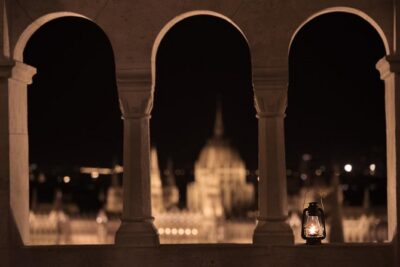
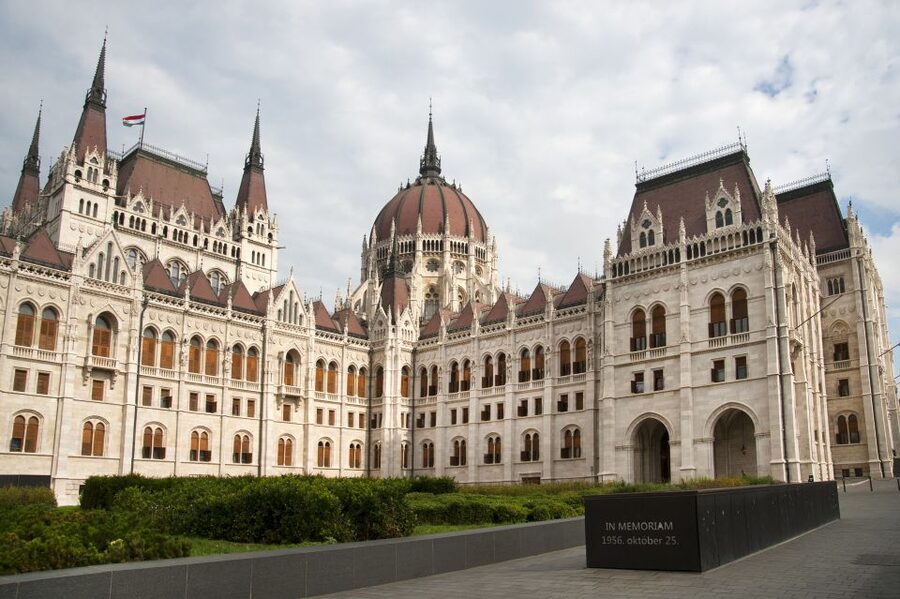
You begin at the Hungarian Parliament, a dramatic starting point because it signals the state itself. The guide points out key monuments, including one commemorating the many victims of the red dictatorship. It is a strong opener because it frames the tour as more than politics, it is about lives affected.
Practical tip: Budapest sidewalks can be uneven in spots. Wear shoes you trust, especially if your route includes frequent stops for photos and explanations.
Liberty Square and the Soviet Liberation Memorial
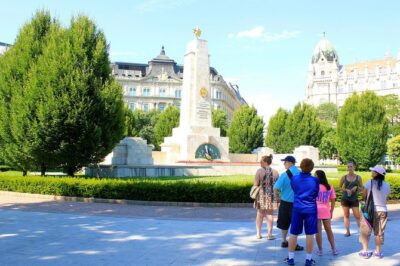
Next comes Liberty Square, where you see the Soviet Liberation Memorial, described as the last Communist monument still in its original place. That detail matters, because it shows how history does not disappear, it gets reinterpreted, moved, or left behind.
This stop is also useful for modern-day context. You will start to notice how Budapest communicates ideology in stone, signage, and the way people talk about the past.
Cardinal Mindszenty and the “famous windows”
Then you hear about Cardinal Mindszenty, the anti-Communist Catholic Church leader who spent years in exile. The tour ties this to the famous windows of Budapest where he was kept during that time. It is one of those details you could pass by without a guide, even though it is exactly the kind of story that makes the era feel real.
Cold War survival tech: ventilation channels and a nuclear bunker
One of the more unusual parts is exploring ventilation channels tied to a secret underground nuclear bunker built during the Cold War. This is where the tour earns its keep, because it connects ideology to infrastructure, fear, and survival planning.
Even if you are not a Cold War nerd, this stop makes the whole period feel less abstract. It is not only what leaders promised, it is what governments prepared for behind closed doors.
History told a different way, elsewhere in Budapest
1956 uprising: seeing the anti-Soviet revolt sites
Finally, the route brings you to sites connected with the Hungarian anti-Soviet revolution of 1956. Your guide walks you through what happened and why it mattered, including the way the revolution fits into the broader Soviet occupation story.
If you are short on time in Budapest, this is a smart chunk. Instead of jumping between landmarks with no thread, you get a narrative arc that makes 20th-century Hungary easier to follow.
Morning option: Budapest Retro Center, 1960s to 1980s made human
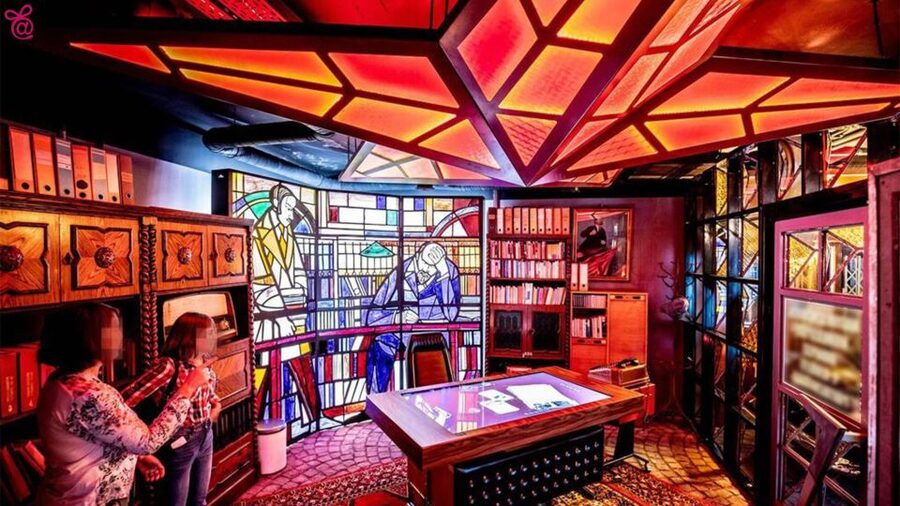
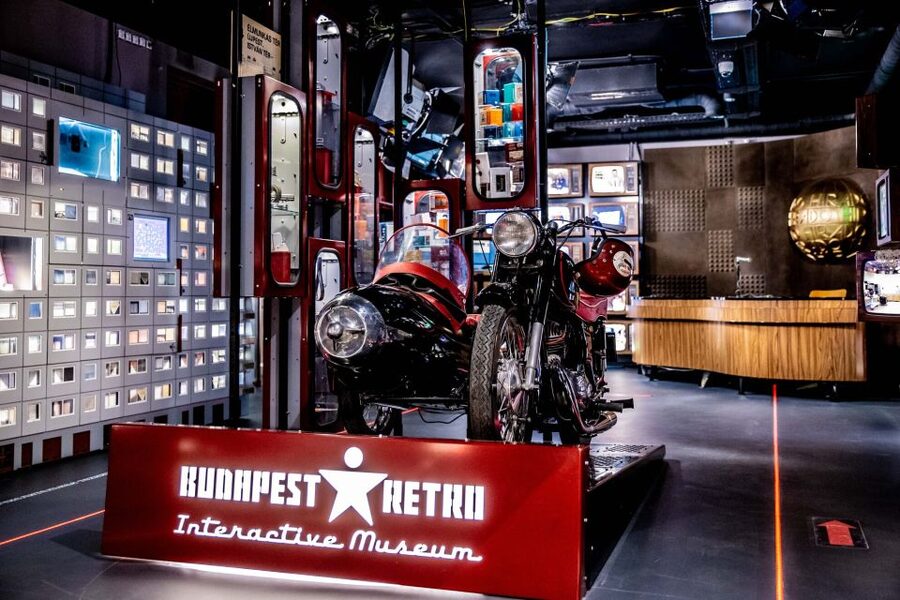
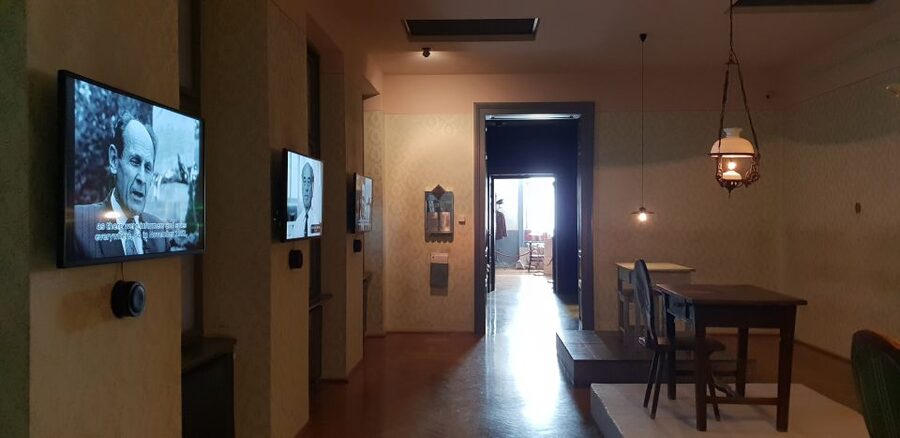
If you choose the morning walking tour, you get an additional 1-hour guided visit at the Budapest Retro Center. The vibe is very different from the House of Terror, and that contrast is part of the value.
You will see street views, typical vehicles, and interior home designs from the 1960-1980 period. The collection also includes objects tied to the Soviet-Hungarian space flight, and it uses three floors to keep things interactive.
The guide-led angle matters here. Without context, retro displays can feel like a fun museum stop. With a guide, you start to understand what people actually lived with day to day, how design and propaganda intersected, and what normal life looked like under Communist influence.
Two practical, fun details you might enjoy if they are offered during your visit:
- You may be able to dress as a Communist comrade.
- You may be able to try roles as a TV news presenter of the time.
That kind of participation is not mandatory, but it turns the exhibit into a memory you keep.
Who should pick the Retro Center option: people who want a lighter emotional tone, families, and anyone who likes the social side of history, not only the violent side.
Afternoon option: House of Terror Museum and the Communist machine
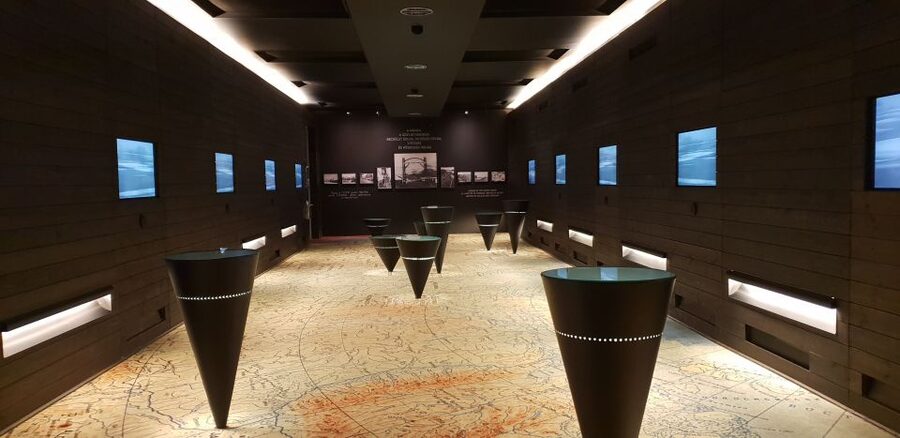
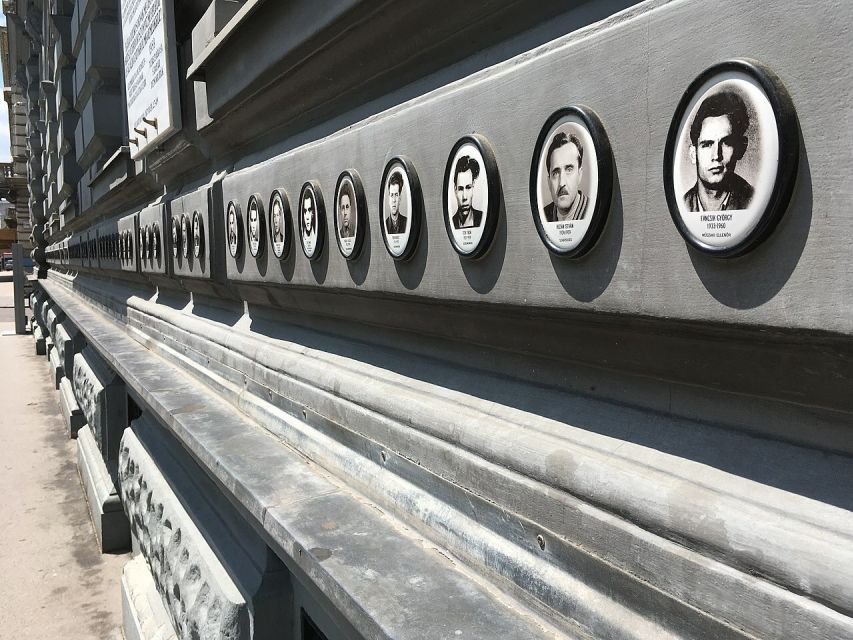
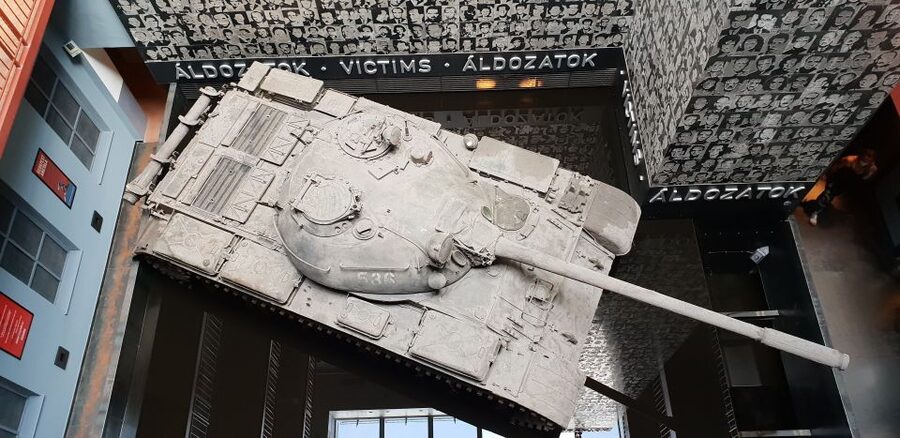
Choose the afternoon walking option and you add the House of Terror Museum. You can do it as a self-guided visit after you get your ticket, or you can book the guided House of Terror tour.
Either way, the subject is heavy. The museum covers the move from WWII into Nazi rule, then Soviet Communist occupation. You also get a guided pathway through the 1950s, including the everyday and economic side of the regime, not just the cruelty.
If you select the guided museum tour, your guide walks you through key elements such as:
- interrogation and torture cells
- the office room of the dreaded director
- stories tied to mass deportations, labor camps, and political trials
- the 1956 revolution and its consequences
- the end of Communism in 1989
A strong reason to pay for the guide inside the museum is clarity. These spaces and artifacts can be overwhelming. A good guide helps you connect what you are seeing to the larger story, so it does not become a blur of dark rooms.
Also, the House of Terror option can be affected by real-world constraints. In at least one recent experience, a guide found a way to make the tour better even when the museum was closed for renovations. So even if something is not perfectly smooth, the guiding team seems used to adapting.
Who should pick House of Terror: Cold War fans, history buffs, and anyone who wants the full emotional weight of how the regime operated. If you know torture or political persecution content is tough for you, consider the Retro Center option instead.
Guides in this tour: clear English, careful pacing, real care
This experience rises or falls on the guide, and the feedback leans hard toward strong guiding. Names that show up include Alexa, Beata, Alexandra, Flora, Naomi, Noémi, Veronika, and Adam. The pattern across them is not just facts. It is how they teach.
Several guides are praised for:
- explaining clearly in English without rushing
- answering questions with depth
- adjusting pacing when someone needs a slower tempo
- adding extra time in the museum when the group is still learning
One example worth noting from real-world experiences: a guide named Noémi was described as extending the museum time by about half an hour so the group could see and understand more. That is not something you should assume every time, but it does signal the kind of attention you are likely to get.
If you want an experience that feels respectful, not performative, look for guides who bring compassion to the subject. That shows up repeatedly in feedback, especially for the House of Terror portion.
Price and value: why $58 can be a good deal
At $58 per person for a 2-hour experience, you are paying for three things working together:
1) a live English guide who runs the walking route
2) a small group setting limited to 10 participants
3) an included museum ticket, either to the Budapest Retro Center or House of Terror, depending on your option
The value here is the pairing. You are not just buying entry into a museum, and you are not just buying a walk. You are getting interpretation for the street-level landmarks, then getting context inside the museum spaces.
Also, the tour includes skip the ticket line, which matters when museums have slow-moving counters. Less time waiting means more time learning.
One caution on value: the best option depends on your mood. If you really want the lighter, everyday-side perspective, House of Terror might feel like too much. If you want the direct story of repression, Retro alone may feel too distant from the core subject.
Who should book this tour, and who should choose a different option
I think this works best for three types of visitors:
- History-first travelers who want structure. This tour gives you a storyline, from Parliament to Soviet monuments to 1956.
- Cold War and 20th-century buffs who want specifics, like the bunker ventilation details and the Cardinal Mindszenty exile story tied to real locations.
- People connecting personally to the topic. Feedback mentions family ties to Hungary and deep emotion during the tour, especially with the House of Terror.
It may not be ideal if:
- you want only casual sightseeing and minimal emotion
- you are strongly sensitive to depictions of torture or political persecution and do not want that content at all
In that case, the Retro Center option is likely the safer mood choice, since it is playful and interactive and focuses on daily-life objects from the 1960s to 1980s.
Practical tips that make the experience smoother
A few small things make your time easier.
First, keep an eye on the meeting point. It can vary depending on which option you book, so check your confirmation details closely.
Second, the ticket process is straightforward. You will receive your ticket from your tour guide, and you should not go hunting for it at the ticket office.
Third, expect a true guided walking pace. The tour is only 2 hours, so you will want to come ready to walk, stop, listen, and take photos.
Lastly, pick the museum option that matches your energy level. Retro is the lighter, day-to-day side. House of Terror is the dark, institutional side. You can choose based on how you handle emotional weight.
Should you book this tour?
Book it if you want a guided thread through Communist-era Budapest, not just random monuments. The best reason is the combination of an expert walk across major landmarks and a museum visit that either explains daily life or explains repression, depending on your choice.
Skip or rethink the House of Terror option if you know the subject matter is very tough for you. If you still want the context and the Budapest story, start with the Retro Center mood.
If you love strong guides and small groups, this one fits. Names like Alexa, Beata, Flora, and Alexandra keep popping up in feedback for a reason: the tour seems built for clear teaching, careful pacing, and real attention to questions.
FAQ
How long is the Communist History tour?
The duration is 2 hours.
What language is the tour guide?
The tour is offered with a live English tour guide.
Where do I meet my guide?
The meeting point may vary depending on which option you booked.
Which museum ticket is included with the tour?
You get an entry ticket included for either the Budapest Retro Experience Center or the House of Terror Museum, depending on the option selected.
Do I pick up the tickets at the museum ticket office?
No. You will receive your ticket from your tour guide, so you should not look for it at the ticket office.
How large is the tour group?
It is a small group, limited to 10 participants.
More Tours in Budapest



More Tour Reviews in Budapest





More From the Socialist Years





Reviewed recently around Budapest
- Audio visual multi-sensory chefs journey dinner experience★ 5.0 · 3 reviews
- Tapolca Cave Lake and Tihany/ Balaton private tour from Budapest★ 4.5 · 3 reviews
- SzentEndre-SaintAndrew City Privately Shopping and Picturesque★ 4.5 · 3 reviews
- Sightseeing flight over Budapest★ 5.0 · 3 reviews
- Self Guided Tour In Budapest With 100 Captivating Audio Stories★ 5.0 · 3 reviews
- Private Danube Bend Visegrad and Szentendre Tour With Transport★ 5.0 · 3 reviews
Communist Era and Cold War Tours, compared.
 ★ 5.0Communism in Hungary with a HistorianFrom $5970 reviews
 ★ 4.73-Hour Walking Tour About Communism (Small Group)From $5770 reviews
 ★ 4.5Budapest Hammer & Sickle Communist Times TourFrom $7968 reviews
 ★ 5.0Lives of Hungarians Under Communist and Capitalist systemFrom $459 reviews
 ★ 5.0Guided Tour with Admission in Memento ParkFrom $3048 reviews
 ★ 4.5Memento Park TicketFrom $1046 reviews
 ★ 5.0Memento Park Visit with Private Trabant TransferFrom $30544 reviews
 ★ 4.5Memento Park Entrance TicketFrom $1138 reviews
Browse the lists this tour appears in