
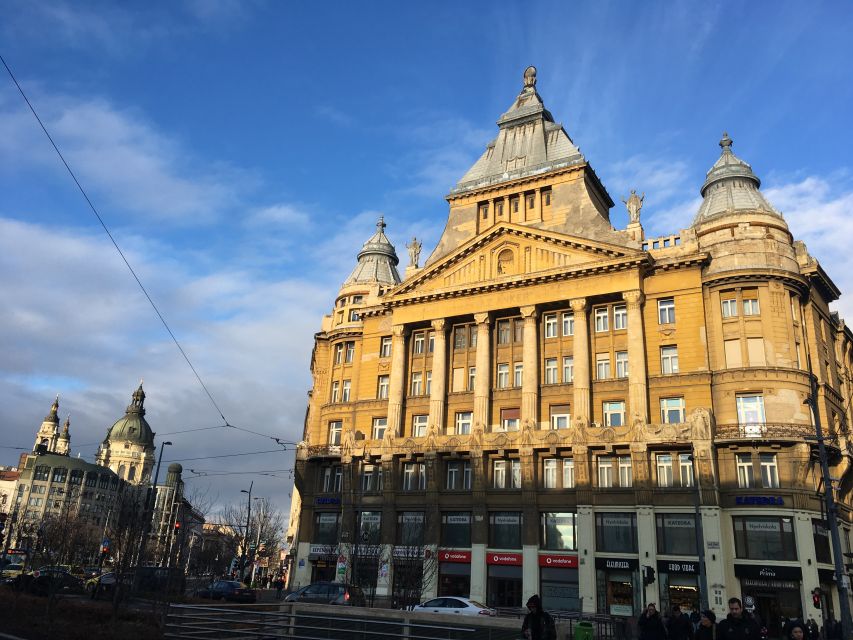
Review · JEWISH QUARTER AND HERITAGE
Budapest: Jewish District Private Walking Tour
The Jewish Quarter walks like a living timeline. I really like the start at the newly restored Rumbach Street synagogue, and I also love how the tour threads you toward Szimpla Kert while you spot the murals and street art that give the area its mood.
One practical catch: synagogue entrance tickets are not included, and interior visits are optional, so you should budget time and tickets if you want to go inside everything.
In This Review
- Key highlights to look for
- Why the 3-hour Jewish Quarter route feels efficient
- Rumbach Street synagogue, the restoration you can actually see
- Dohány Street Synagogue, Europe’s biggest scale plus human context
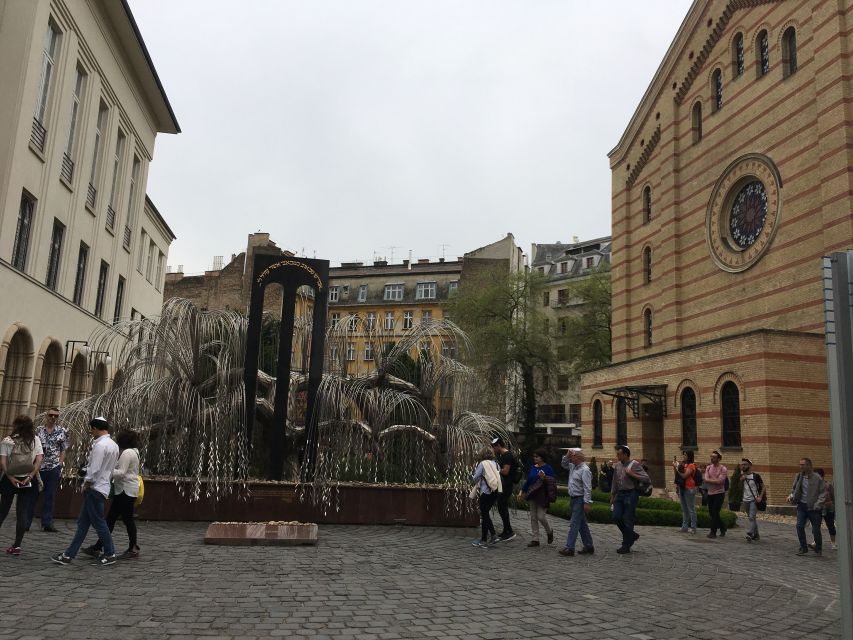
- Raoul Wallenberg Memorial Garden and the Tree of Life
- Gozsdu Court, ruin bars, and the street-level reality
- Kazinczy Street Orthodox Synagogue and Art Nouveau details
- Murals and street art, what to actually notice
- Guides matter: the difference between a walk and a story
- Price and value for a private group up to 20
- Timing and what can affect synagogue visits
- Dress code, luggage, and practical comfort
- Who this Budapest Jewish District tour is best for
- Should you book it?
- FAQ
- How long is the Budapest Jewish District private walking tour?
- Where does the tour start, and is pickup included?
- What is included in the tour price?
- Are synagogue entrance tickets included?
- Is the tour private or shared?
- When are the synagogues closed on this route?
- Are there any restrictions on bags or clothing?
Key highlights to look for
- Rumbach Street synagogue exterior and story, made easier to understand with a guide
- Dohány Street Synagogue visit, including context for Europe’s largest synagogue
- Hungarian Jewish Museum plus Raoul Wallenberg Memorial Garden, with the Tree of Life monument
- Gozsdu Court and the ruin bar vibe at Szimpla Kert, even though food and drinks are not included
- Kazinczy Street Orthodox Synagogue, where you can admire Art Nouveau and choose whether to go inside
Why the 3-hour Jewish Quarter route feels efficient
This is a tight, 3-hour walking route through Budapest’s Jewish District, built to show you both the sacred side and the street life side. The Jewish Quarter in Budapest can feel confusing if you only look at buildings. With a guide, you start seeing patterns: how worship spaces shaped the community, how survival and memory shaped what was built, and how today’s murals and ruin bars reflect the neighborhood’s layered history.
The private format helps a lot. You get an English live guide, and the guide meets you at your hotel lobby or wherever you request in advance. That means you can begin without wasting time figuring out meeting points, and you can ask questions on the spot. In my view, this tour is a smart choice if you want a concentrated, coherent walk instead of a random wander that might only scratch the surface.
Also, the pacing matters. You’ll move between several key stops, but it is designed around walking connections inside the Jewish Quarter. The goal is not to sprint. It is to give you time to look closely at details, then connect those details to the bigger story.
Rumbach Street synagogue, the restoration you can actually see
Most tours start with the biggest landmark, but this one begins at Rumbach Street. The synagogue here has been recently restored, and that matters. A restored building can be easier to read visually, because you can see what was meant to last, not just what is crumbling or hidden by time.
With your guide, you do more than admire the façade. You get the background that helps the building make sense in the neighborhood. That is where this stop pays off. If you have never studied Jewish history in Budapest, the facts can feel scattered. A good guide helps you place the synagogue in context, so the architecture turns into a timeline you can follow with your eyes.
Practical note: interior visits are optional, and tickets are not included. If you want to go inside, you should plan ahead. Even if you stay outside, you will still come away with a clearer understanding of the site’s role.
Deeper into the old Jewish Quarter
- Budapest Jewish Heritage Memorial Walking Tour & Synagogue Entry
★ 5.0 · 568 reviews - Budapest: Jewish Heritage Guided Tour with Synagogue Ticket
★ 4.8 · 533 reviews - Walking Tour Budapest incl. the Shoes on the Danube Bank
★ 5.0 · 387 reviews - Jewish Quarter of Budapest Walking Tour
★ 4.7 · 369 reviews
Dohány Street Synagogue, Europe’s biggest scale plus human context
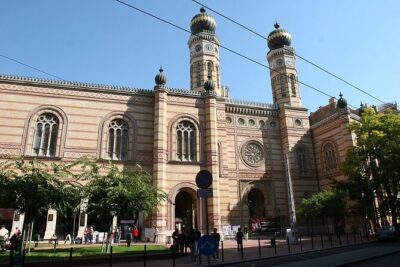
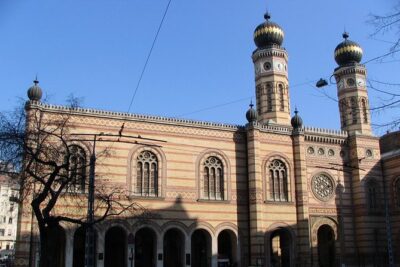
From Rumbach Street you continue to Dohány Street, home to the biggest synagogue in Europe. You cannot miss it. Even if you already know it from photos, seeing the building in person hits differently, because scale adds seriousness.
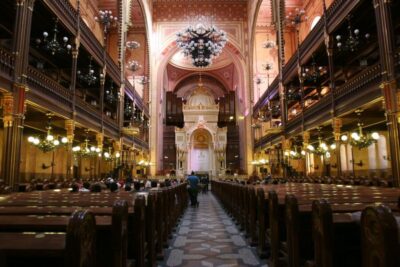
What makes this stop more than a photo moment is the way your guide connects the synagogue to the present and past of Jewish life in Budapest. A synagogue is not only a big structure. It is a community anchor. It is where people prayed, gathered, grieved, and persisted. When your guide frames that for you, the building stops being just impressive. It becomes meaningful.
You also visit the Hungarian Jewish Museum with your guide. That usually helps you connect what you learn at the synagogue to a broader set of stories, artifacts, and memories tied to the Jewish community. If you like history that has a physical place, you will appreciate this bridge.
One more key detail: you will be able to skip the ticket line, but entrance tickets are still not included in the tour price. So you can get through faster once you decide to purchase and enter interiors.
Raoul Wallenberg Memorial Garden and the Tree of Life
After the museum connection, the tour moves into reflection at the Raoul Wallenberg Memorial Garden. Wallenberg is tied to rescue efforts during a dark period, and a memorial garden works like a pause button in a walking itinerary.
The garden also includes the Tree of Life monument, which gives the stop a symbolic feel rather than turning it into only a lecture. If you are traveling with family or friends who tend to tune out during heavy history, this kind of stop is useful. It lets your brain process the information in a quieter setting.
Because this is still part of a guided route, you are not left guessing what to notice. Your guide helps you look at the space with purpose, and that makes the garden hit harder in a good way.
Gozsdu Court, ruin bars, and the street-level reality
After the synagogue and memorial stops, the tour shifts toward the neighborhood’s social side. You visit Gozsdu Court, which functions as a food and beverage district. Food and drinks are not included on this tour, but the point is to show you where the community energy lives today.
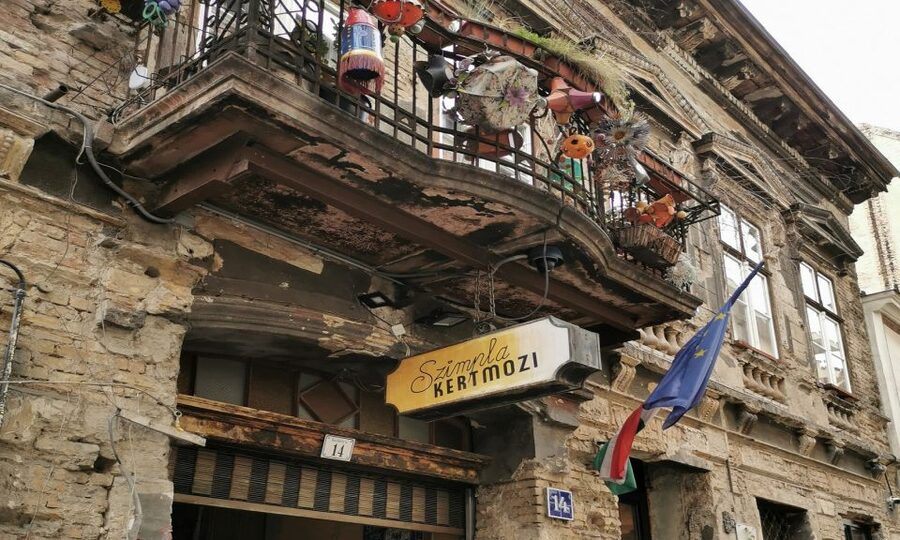
Then comes Szimpla Kert, one of the original ruin bars in Budapest. You will head toward the bohemian side of the Jewish Quarter and your guide takes you there to try the drinks at the bar area if you want. Again, you pay for what you order, since the tour price does not include food or drinks.
Why I like this segment: ruin bars are not just a party stop. In Budapest, they often sit inside spaces that feel like they were meant for something else. That transformation is a kind of living history. When your guide pairs that idea with earlier stops, you start to understand continuity. People still gather, still build culture, still claim the streets.
If you want a balanced experience, this part helps. It keeps the tour from turning into only solemn sightseeing. You get a sense of how the Jewish Quarter looks and feels now.
Kazinczy Street Orthodox Synagogue and Art Nouveau details
The final synagogue stop is Kazinczy Street Orthodox Synagogue. This is the kind of building where architecture becomes a clue. Your guide points out the Art Nouveau style, and if interiors are open and you choose to enter, you can see more details inside.
I especially like ending with a stop like this because it changes the way you look at the neighborhood. Earlier you focused on major scale and big symbolism. Here, you can slow down and notice how style and design communicate identity and intention.
Interior visits remain optional, and remember: entrance tickets are not included. Still, even if you only view from the outside, having a guide help you spot the style cues can make the synagogue feel less intimidating and more readable.
Other Budapest walks at a similar pace

Murals and street art, what to actually notice
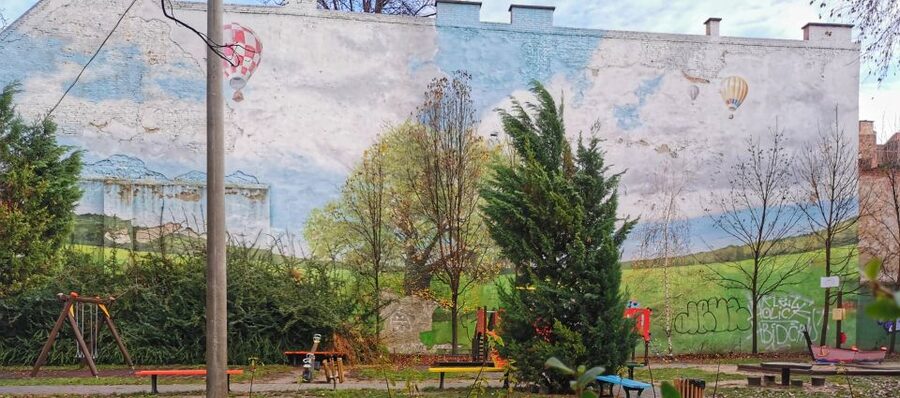
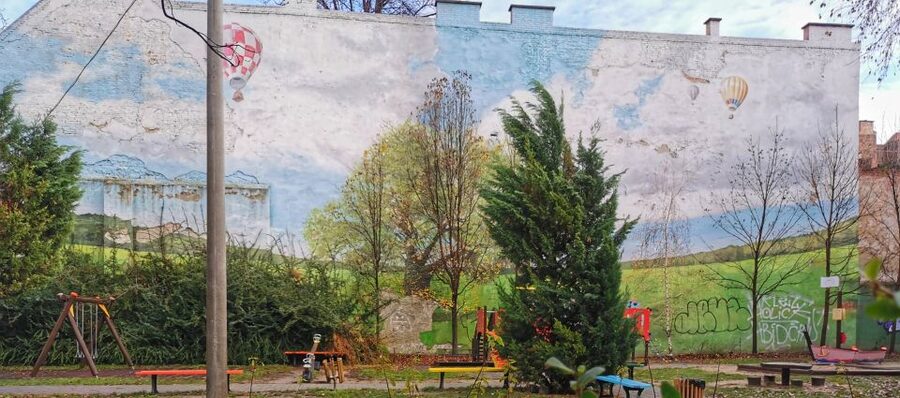
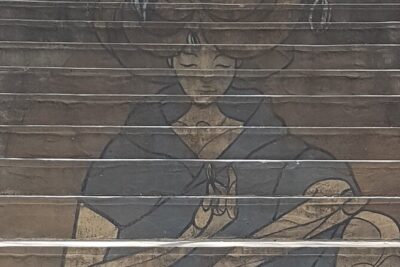
Throughout the tour you also get time to look at Budapest’s murals and underground street art in the Jewish Quarter. Street art can be hit or miss if you treat it like a background. On this tour, it works better because you have context from the synagogue stops and the memorial garden.
Here is what you can do to get more out of the street art segment:
- Look for recurring symbols and themes, then connect them to the stories your guide shared earlier.
- Pay attention to where the art is placed, because location often matters as much as the image.
- Ask your guide what the message is trying to say in plain language. You will get better answers when you ask directly.
This is also one of the reasons the private format shines. You can spend an extra minute on the detail you notice, instead of being pulled along to keep pace.
Guides matter: the difference between a walk and a story
What makes this tour stand out most is the way the guides handle questions and tone. English-speaking guides who have led this route, including Eszter, Emi, András (Andy), and Gary, are described as personable and focused on explaining the area clearly, with care.
That shows up in how the tour feels. You are not only seeing buildings. You are learning a sequence: what happened, where it happened, and why it matters for understanding the present neighborhood.
If you are the type of traveler who stops to ask why something is built a certain way, you will likely enjoy this. If you want a tour that is pure facts with no conversation, you can still do that by asking fewer questions. But the energy here tends to be interactive, and that is part of its value.
Price and value for a private group up to 20
The price is $229 per group, up to 20 people, for a 3-hour private walking tour. That structure can look different than a ticket-per-person tour. For a group of friends, it can feel like good value because you are buying shared guidance rather than paying per person for the same route.
Here is how to think about value:
- You are paying for a live guide, hotel pickup, and a planned route across multiple major stops.
- You also gain time management, since you get skip-the-ticket-line for participating interior visits.
- The biggest variable is not the base tour price. It is what you choose to pay for separately, since entrance tickets and any food or drinks are not included.
So, the best way to judge value is to ask yourself: will you actually go inside some synagogues or the museum spaces you are allowed to enter? If you will, the total cost may rise, but you will also get more out of the tour because you will see what you paid to access.
If you mostly want exterior views and street-level context, you can keep costs tighter. Either way, you still get the guided explanation, and the route is built so you are not just collecting photos.
Timing and what can affect synagogue visits
This tour includes synagogue visits, but openings depend on the calendar. The synagogues are closed on Friday afternoons, Saturdays, and on Jewish high holidays. That affects interior visits, so on those days you might expect more of an exterior-focused experience.
Also, interior visits are optional, and tickets are not included. That gives you choice, but it also means you should plan your expectations. If interiors matter to you, check the timing of your visit before you go. Your guide can only work within what is open.
Dress code, luggage, and practical comfort
There are a couple of rules you should know before you show up:
- No luggage or large bags
- No sleeveless shirts
For a walking tour, these rules are usually easy to follow if you pack light and dress respectfully. Wear comfortable shoes, and consider layering if the weather shifts. Three hours of walking adds up faster than you think.
Wheelchair assistance is mentioned as something you can request. If you need help, contact in advance so the team can plan around it.
Who this Budapest Jewish District tour is best for
This is a strong fit if you want:
- A guided, chronological-feeling walk through the Jewish Quarter, not just isolated landmarks
- A balance of synagogue history, memorial context, and modern neighborhood life
- A private guide who can answer questions and adjust to what you care about
It also works well for school groups and travelers who like structured learning, based on how guides have handled interactive questions. If you are visiting Budapest for the first time and you want the Jewish Quarter to feel coherent, this route is one of the clearer ways to do it in half a day.
Where it might not fit as well:
- If you only want nightlife and drinks, the synagogues and memorial stops will take up meaningful time.
- If you expect the price to cover entry everywhere and you hate extra steps, plan for optional interiors and separate ticket purchases.
Should you book it?
I think you should book this tour if you want a private, story-driven Jewish Quarter walk that connects major synagogues, memory spaces, and today’s street culture. The tour’s biggest strength is the way it pairs impressive places like the Dohány Street Synagogue with context that makes them easier to understand, plus a later shift to Gozsdu Court and Szimpla Kert so the neighborhood feels real, not museum-quiet.
Book it when you can also handle the practical bits: bring clothing that meets the sleeveless-shirt rule, keep bags small, and budget for entrance tickets if you want interiors. If you do those things, you will end with more than photos. You will have a clear map in your head of how Budapest’s Jewish District became what it is today.
FAQ
How long is the Budapest Jewish District private walking tour?
The tour lasts 3 hours.
Where does the tour start, and is pickup included?
Your guide meets you at your hotel or wherever you please, so pickup is included. The guide will wait in your hotel lobby or at the meeting point you request in advance.
What is included in the tour price?
The tour includes a live English-speaking guide and hotel pickup. It also includes the guided visits along the Jewish Quarter route.
Are synagogue entrance tickets included?
No. Entrance tickets are not included, and interior synagogue visits are optional.
Is the tour private or shared?
This is a private group tour.
When are the synagogues closed on this route?
The synagogues are closed on Friday afternoons, Saturdays, and on Jewish high holidays.
Are there any restrictions on bags or clothing?
Yes. Luggage or large bags are not allowed, and sleeveless shirts are not allowed.
More Tours in Budapest




More Tour Reviews in Budapest





The Jewish Quarter, Continued



Reviewed recently around Budapest
- Audio visual multi-sensory chefs journey dinner experience★ 5.0 · 3 reviews
- Tapolca Cave Lake and Tihany/ Balaton private tour from Budapest★ 4.5 · 3 reviews
- SzentEndre-SaintAndrew City Privately Shopping and Picturesque★ 4.5 · 3 reviews
- Sightseeing flight over Budapest★ 5.0 · 3 reviews
- Self Guided Tour In Budapest With 100 Captivating Audio Stories★ 5.0 · 3 reviews
- Private Danube Bend Visegrad and Szentendre Tour With Transport★ 5.0 · 3 reviews
Jewish Quarter and Heritage, compared.
 ★ 5.0Budapest Jewish Heritage Memorial Walking Tour & Synagogue EntryFrom $83568 reviews
 ★ 4.8Jewish Heritage Guided Tour with Synagogue TicketFrom $81533 reviews
 ★ 5.0Walking Tour Budapest incl. the Shoes on the Danube BankFrom $3387 reviews
 ★ 4.7Jewish Quarter of Budapest Walking TourFrom $2369 reviews
 ★ 5.0Best of Downtown and Jewish Quarter TourFrom $23312 reviews
 ★ 5.0Past and Present of Budapest Jewish District TourFrom $3264 reviews
 ★ 5.0Budapest City Walk in Jewish QuarterFrom $356218 reviews
 ★ 4.5Budapest Dohany Synagogue & Hungarian Jewish Museum & free extrasFrom $44218 reviews
Browse the lists this tour appears in