

Review · JEWISH QUARTER AND HERITAGE
Original Budapest Alternative Street Art & Jewish Tour
Colorful street art plus serious Jewish quarter stories, in one walk. I like the mix of street art and neighborhood context, so you are not just looking at walls. I also like that it is run in a friendly, social style where you can ask questions and get local recommendations. One possible drawback is that guide quality can vary, so if you want deep, precise Jewish history, pay attention to how clearly questions are handled.
You start near St. Stephen’s Basilica and spend about 30 minutes at each stop, keeping the pace easy even if you just arrived in Budapest. Another plus: the tour leans into local creative landmarks like Színes Város (the Colourful City), which gives you more than typical sightseeing photos. The tradeoff is that bottled water is not included, and the experience depends on good weather, so plan for walking time and bring basics.
Here is the good part for your trip planning: it is priced at $25.20, runs about 3 hours, and uses a mobile ticket. I’d treat it as a smart “orientation plus art” outing for your first or second day, not a slow museum-style deep study.
In This Review
- Key Highlights You Should Know
- Street Art Meets the Jewish Quarter, District by District
- Entering Lépcső Street Art for a Real Sense of “Street”
- Terézváros and the 6th District Mood Check
- Andrássy Avenue to Király utca, Where You Start Connecting the Dots
- Színes Város and Színes Esernyők, Art That Changes Landmarks
- What the 3 Hours Actually Feels Like on Foot
- Value for $25.20, and How to Think About Tips
- Who Should Book This Tour
- Should You Book Original Budapest Alternative Street Art & Jewish Tour?
- FAQ
- How long is the Original Budapest Alternative Street Art & Jewish Tour?
- Where does the tour start?
- What time does the tour begin?
- How much does the tour cost?
- Is admission included at the stops?
- What is included in the price?
- Is bottled water included?
- Do I need to print tickets?
- What happens if the weather is bad?
- How many people can be on the tour?
Key Highlights You Should Know
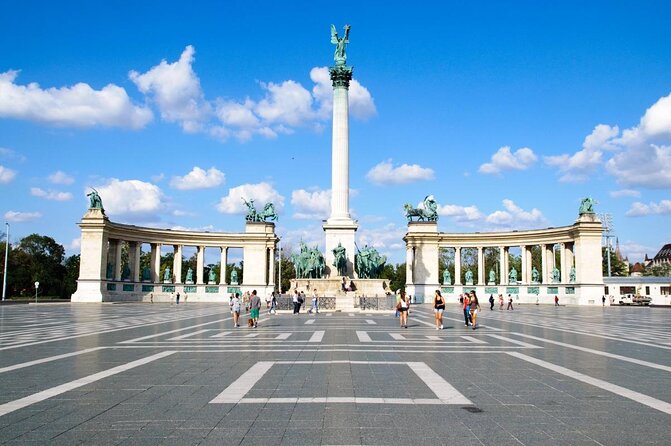
- Sixth and Seventh district focus: you get a feel for the areas where Budapest’s younger scene and street culture overlap
- Short, steady timing: four stops at about 30 minutes each keeps the walk moving without rushing
- Street art stops that connect to place: murals and landmark art are explained in context, not treated like random wall decoration
- Színes Város theme (Colourful City): local art is tied to a larger idea of how the city tells stories visually
- Tip-supported, choose-your-price vibe: guides work for tips, and the best results usually come when you match effort with generosity
- Group size capped at 100: you should still expect a crowd, but it is not designed as a tiny private experience
Street Art Meets the Jewish Quarter, District by District
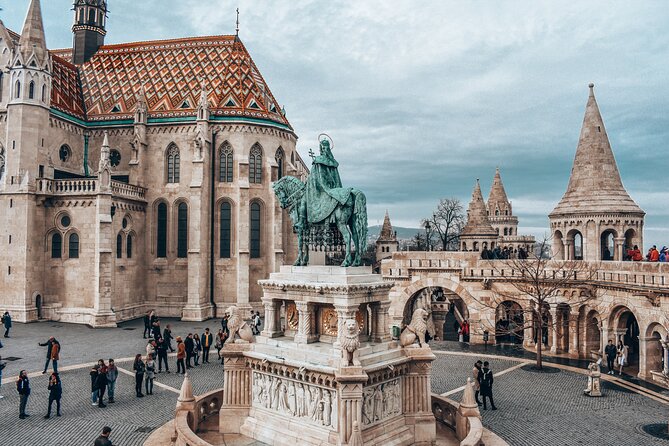
This is the kind of Budapest walk that makes sense when you want more than a checklist. You move through the city’s 6th and 7th districts, which is where you’ll often see street art energy and local life sitting close together. And because it is a social walking format, you can usually hear extra details as you go, especially if you ask questions at the right moment.
The tour also tries to connect what you see on walls to how neighborhoods feel. That matters, because street art can look like decoration if you only read it as style. Here, the idea is that the art is part of the city’s identity, and your guide helps you connect it to the surrounding streets and the stories people associate with them.
If you go in expecting a quiet, museum-like experience, you may be a little surprised. This is more conversational and movement-based. The payoff is speed: you can get your bearings fast and leave with clear ideas about where to explore next.
Entering Lépcső Street Art for a Real Sense of “Street”
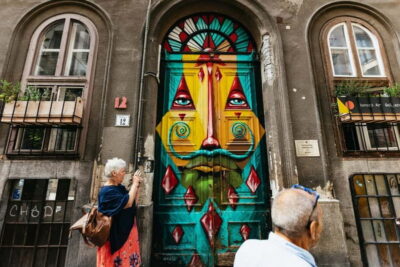
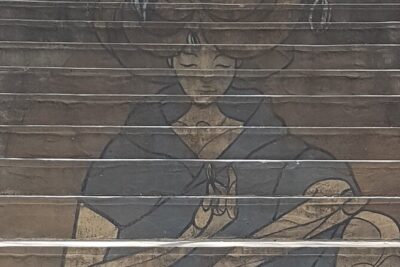
Your first stop is Lépcső Street Art, and it sets the tone: this is street art you can reach on foot, not something that requires a special ticket or a long journey. You’ll get about 30 minutes here, which is enough time to see how a guide frames the work and why it belongs in that specific setting.
What I like about kicking off here is how it lowers the barrier. Before you start talking about larger district stories, you’re already looking at art in the places where people actually walk. That makes it easier to picture how the city feels day-to-day, not just how it looks in postcards.
Potential drawback: if you are the type who needs a very structured art history lecture, the explanation time can feel short at each stop. The tour is built for learning-through-walking, not for reading walls for an hour at a time.
Practical tip: bring your phone camera, but also keep a couple of minutes without filming. You’ll understand the guide’s point better when you are not constantly checking your screen.
Deeper into the old Jewish Quarter
- Budapest Jewish Heritage Memorial Walking Tour & Synagogue Entry
★ 5.0 · 568 reviews - Budapest: Jewish Heritage Guided Tour with Synagogue Ticket
★ 4.8 · 533 reviews - Walking Tour Budapest incl. the Shoes on the Danube Bank
★ 5.0 · 387 reviews - Jewish Quarter of Budapest Walking Tour
★ 4.7 · 369 reviews
Terézváros and the 6th District Mood Check
The second stop takes you to Terézváros, one of Budapest’s districts that often feels more everyday than “big monument.” You get about 30 minutes here, and the point is less about one single landmark and more about how the neighborhood lives and how people describe it.
This stop matters because it helps you understand the tour’s framing. Street art works better when you know what kind of place it comes from. Terézváros gives you that texture, and it can also help you spot what kind of streets you’ll keep seeing later: side streets with personality, building fronts that feel improvised, and corners where art can become a conversation.
If you’re hoping for a deep, factual lecture on every street, this part might not be your favorite. Still, it is a strong setup for the next moments, especially once you cross into the 7th district’s energy.
Practical tip: wear comfortable shoes. Even “short stops” add up quickly when you’re walking between them.
Andrássy Avenue to Király utca, Where You Start Connecting the Dots
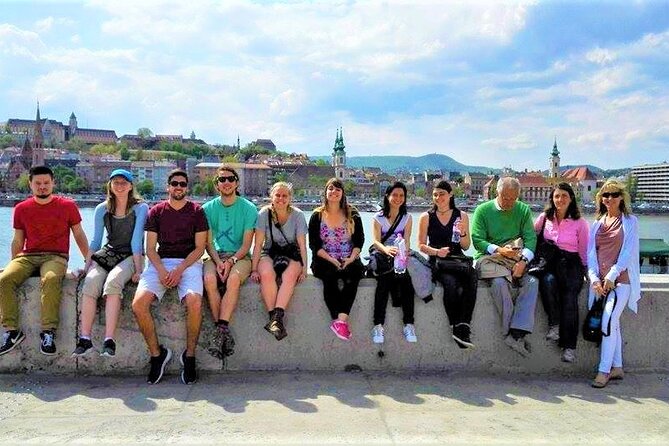
Stop three is Andrássy Avenue, a major urban axis, and then you cross toward Király u., which brings you into the 7th district. The tour gives you about 30 minutes at this point, and the value here is orientation. You learn how streets link, where district boundaries feel real, and how the vibe changes as you move.
This is also where the tour’s “social” style becomes useful. Since you are walking in a group and pausing in key spots, you have a chance to ask questions about what you should see next, or what to look for when you wander on your own later. That kind of guidance is often what turns a good walk into a memorable one.
A quick reality check: this part is in a central area, so expect foot traffic. It’s still a walk that works, just be ready for the city’s normal bustle.
Practical tip: if you plan to add more sightseeing after the tour, this stop helps you map it mentally. You’ll likely leave knowing how to return to major areas without feeling lost.
Színes Város and Színes Esernyők, Art That Changes Landmarks
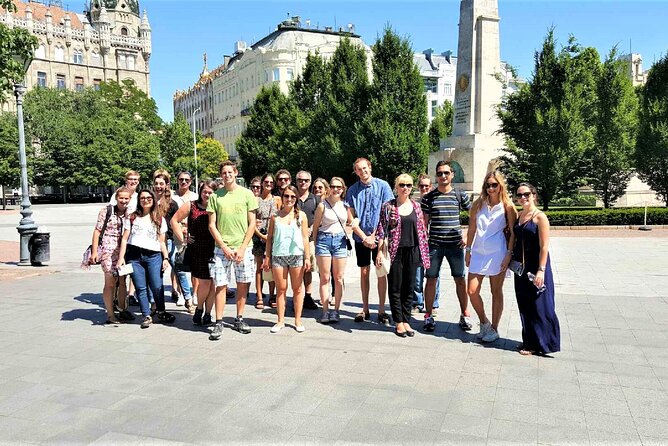
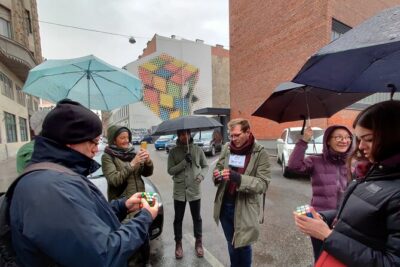
The final stop brings you to Szines Esernyok, and the tour explicitly connects it to local artist themes such as Színes Város or the Colourful City. In practice, this kind of street art is powerful because it turns a landmark or a regular street corner into a “you have to notice this” moment.
You get about 30 minutes here, and that is a good length. Enough time to see the work clearly, and enough time for the guide to explain why it caught on and what it represents. This is where the tour feels most like what people hope for when they sign up: you walk away with images, but also with meaning attached to those images.
Another thing I appreciate: the tour treats these works as part of a larger street art idea across Budapest, not as a one-off. That’s why it can work well for visitors who have only a day or two. You are not just finding art, you’re learning how Budapest talks through art.
Potential drawback: if your main goal is a strict, chronological Jewish quarter history tour, the emphasis on art may feel like more of a side focus. The best approach is to treat it as a street art tour with Jewish quarter context, not the other way around.
What the 3 Hours Actually Feels Like on Foot
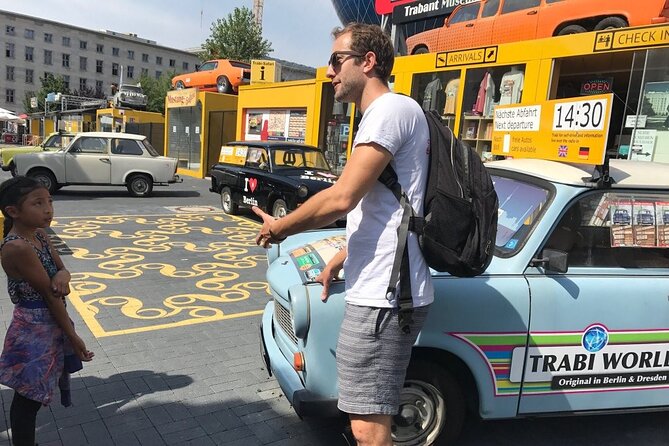
The schedule is simple: four stops, each around 30 minutes, for about 3 hours total. That pacing is part of the value. You get enough time for explanation and photos, but you are not stuck in one place. It also reduces the risk of boredom, because the scenery changes steadily.
The tour starts at 11:00 am at St. Stephen’s Basilica, Szent István tér 1, 1051 Hungary. You end in Budapest, and the end point can vary. That flexible ending is normal for walking tours, but it is worth noting if you have an appointment right after.
One important practical note: bottled water is not included. Budapest walking in the warmer months can sneak up on you. I’d plan to bring your own water or at least have a shop nearby in mind.
Also, the experience requires good weather. If it is raining hard, expect it to be rescheduled or refunded, depending on how the provider handles weather cancellations.
Other Budapest outings our reviewers kept coming back to


Value for $25.20, and How to Think About Tips

At $25.20 per person, this is not a “budget bus tour” price, but it is also not museum-ticket expensive. The key value driver is the format: a guided walk that uses your time well and helps you see street art as part of the city, not separate from it.
The tour is described as tip-based, with guides working for tips and you choosing your own price. That means you should think of your payment plus your tip as one combined decision. If you get a guide who answers questions clearly and connects the art to the streets you are standing on, a generous tip is the most direct way to reflect that.
If you want to maximize value, show up ready to interact. Ask one or two specific questions, like how a piece relates to the neighborhood, or what to look for if you keep walking after the tour.
The one caution I’ll give plainly: guide training can vary. If a guide cannot clearly answer questions, it can turn your “pay for guidance” moment into “pay for a slow walk.” If you feel that in the first stop, speak up early, because the tour moves quickly.
Who Should Book This Tour
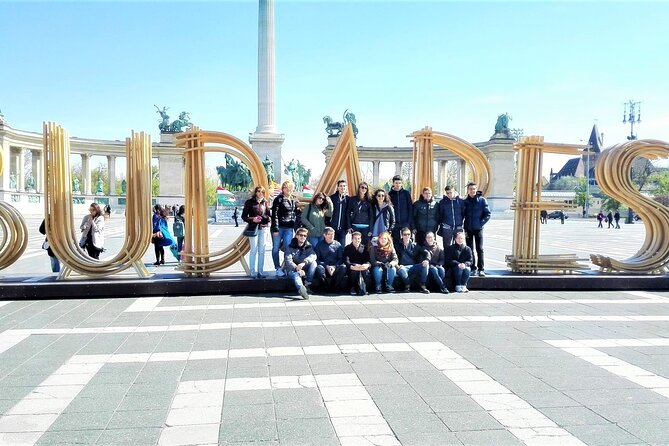
This works best for you if:
- you want street art and neighborhood context in one outing
- you enjoy walking and learning in short, focused segments
- you like tours where you can ask questions and get suggestions for what to do next
- you are curious about Budapest beyond the usual landmark circuit
It may not be your best match if:
- you want a highly structured, fact-heavy history seminar
- you prefer quiet, independent exploring with minimal group time
- you are traveling when weather is unreliable and you hate being out in the elements
Should You Book Original Budapest Alternative Street Art & Jewish Tour?
I think it is worth booking when you want an energetic, human-scale Budapest experience that connects street art to the feel of real districts. The best version of this tour is guided, social, and focused on how art changes how you read a neighborhood.
Book it if you go in with the right mindset: expect a walk with explanations, not a full textbook on every topic. Also, bring the practical basics, since bottled water is not included and good weather is required.
Skip or reconsider if you know you need deep, precise historical answers and you cannot tolerate a guide who is still finding their footing. In that case, look for another option, or be ready to ask direct questions right away.
FAQ
How long is the Original Budapest Alternative Street Art & Jewish Tour?
It runs for about 3 hours.
Where does the tour start?
It starts at St. Stephen’s Basilica, Szent István tér 1, 1051 Hungary.
What time does the tour begin?
The start time is 11:00 am.
How much does the tour cost?
The price is $25.20 per person.
Is admission included at the stops?
The stops are listed as free for admission.
What is included in the price?
A local tour guide is included.
Is bottled water included?
No. Bottled water is not included.
Do I need to print tickets?
No. It uses a mobile ticket.
What happens if the weather is bad?
The experience requires good weather. If canceled due to poor weather, you’ll be offered a different date or a full refund.
How many people can be on the tour?
The maximum group size is 100 travelers.
More Tours in Budapest




More Tour Reviews in Budapest





The Jewish Quarter, Continued




Reviewed recently around Budapest
- Audio visual multi-sensory chefs journey dinner experience★ 5.0 · 3 reviews
- Tapolca Cave Lake and Tihany/ Balaton private tour from Budapest★ 4.5 · 3 reviews
- SzentEndre-SaintAndrew City Privately Shopping and Picturesque★ 4.5 · 3 reviews
- Sightseeing flight over Budapest★ 5.0 · 3 reviews
- Self Guided Tour In Budapest With 100 Captivating Audio Stories★ 5.0 · 3 reviews
- Private Danube Bend Visegrad and Szentendre Tour With Transport★ 5.0 · 3 reviews
Jewish Quarter and Heritage, compared.
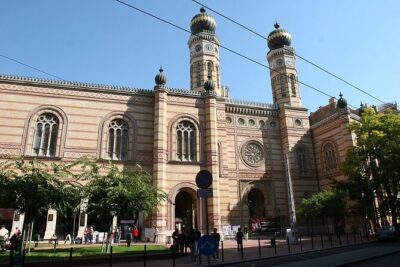 ★ 5.0Budapest Jewish Heritage Memorial Walking Tour & Synagogue EntryFrom $83568 reviews
 ★ 4.8Jewish Heritage Guided Tour with Synagogue TicketFrom $81533 reviews
 ★ 5.0Walking Tour Budapest incl. the Shoes on the Danube BankFrom $3387 reviews
 ★ 4.7Jewish Quarter of Budapest Walking TourFrom $2369 reviews
 ★ 5.0Best of Downtown and Jewish Quarter TourFrom $23312 reviews
 ★ 5.0Past and Present of Budapest Jewish District TourFrom $3264 reviews
 ★ 5.0Budapest City Walk in Jewish QuarterFrom $356218 reviews
 ★ 4.5Budapest Dohany Synagogue & Hungarian Jewish Museum & free extrasFrom $44218 reviews
Browse the lists this tour appears in