
Review · COMMUNIST ERA AND COLD WAR TOURS
Budapest Half-Day Tour: Life Behind the Iron Curtain
Cold War monuments are still everywhere in Budapest.
This half-day private tour puts you face to face with the stories behind the system, from the Citadella and the Freedom Statue on Gellert Hill to Memento Park and the Terror Museum. I especially love how it pairs eye-opening sites with a clear, guided narrative, then ends with something surprisingly human and light on the Children’s Railway. One drawback to plan for is that the Terror House content is heavy, so this is not a walk-by-at-your-own-pace kind of outing.
You’ll cover major points connected to Hungary’s decades behind the Iron Curtain without spending your whole day on transport. Expect a mix of riding and short stretches on foot, plus lots of stops where the guide helps you read what you’re looking at. If you want fast facts and photo spots only, you may find it too serious for that.
In This Review
- Key points to know before you go
- Budapest’s Iron Curtain shows up in plain sight
- Citadella and the siege story, plus the Freedom Statue on Gellert Hill
- The Terror House and what an audio guide adds
- Memento Park: Marx, Lenin, and the monuments that got moved out
- The Children’s Railway ride that closes on a surprising note
- Timing and how 5 hours usually feels
- Price and whether this is good value for your group
- Private guide quality makes a big difference here
- Who should book this Iron Curtain half-day tour
- Should you book it?
- FAQ
- How long is the Budapest Half-Day Tour: Life Behind the Iron Curtain?
- Is this a private tour?
- Where are the pickup and drop-off options?
- What does the tour include?
- Is there an audio guide at the Terror House?
- What languages are available for the live guide?
- What do I need to bring with me?
Key points to know before you go
- Liberty Statue math: 26 meters for the pedestal plus 14 meters for the statue, making it one of Europe’s tallest freedom-style monuments
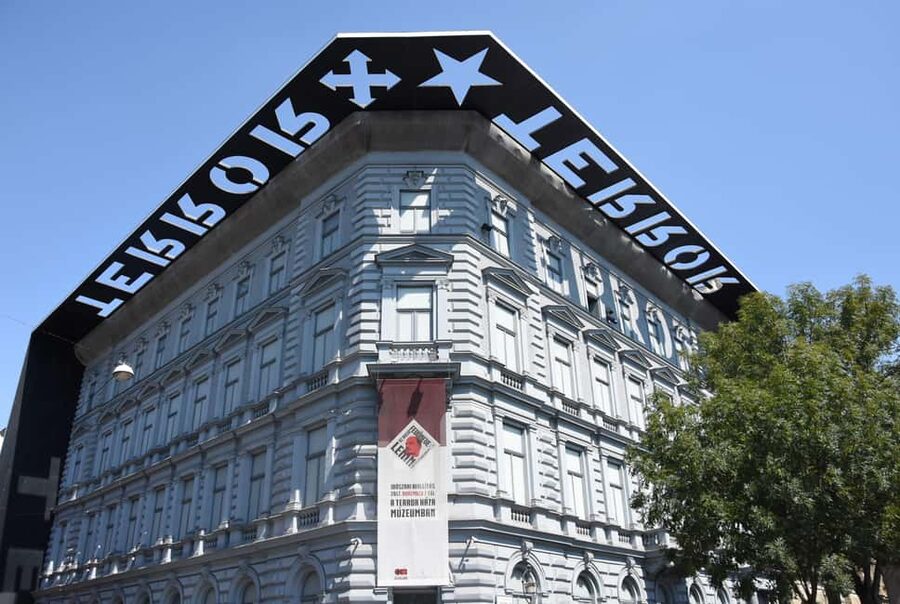
- Terror House, not just posters: the museum is dedicated to victims of the Communist era, with an audio-guide included
- Memento Park is an open-air “relocation story”: monuments from 1945 to 1989 were moved from the city into one curated outdoor space
- Major names you’ll see in sculpture form: Marx, Lenin, and other figures tied to the era, including Ostapenko
- A tonal reset at the end: the Children’s Railway, originally the Pioneer’s Railway, operated by children ages 10 to 14
- Private group pacing: up to 6 people with pickup and drop-off options across Budapest’s central districts
Budapest’s Iron Curtain shows up in plain sight
Budapest can feel glamorous and easy, especially by the river. But it also has scars, and some of them are built into the skyline. This tour helps you connect those dots, from the late World War II siege era to the later Communist period and the state propaganda that shaped daily life.
What makes this experience practical is that you’re not just seeing “old stuff.” You’re learning how power was displayed, how monuments were used, and how later generations tried to deal with what those symbols meant. That makes the photos more meaningful, even when the subject is uncomfortable.
Citadella and the siege story, plus the Freedom Statue on Gellert Hill
Your first stop is built around the late World War II turning point. From the Citadella area, you’ll learn about the siege of Budapest toward the end of the war, when the occupation story for Hungary truly began. This is one of those places where the view is great, but the point is bigger than sightseeing.
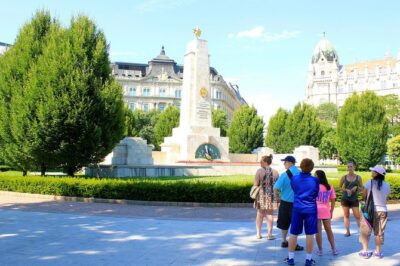
Then comes the Liberty Statue, also called the Freedom Statue. It was erected in 1947 on Gellert Hill and originally dedicated to the Russian troops. The monument is huge, with a 26-meter-high pedestal and a 14-meter statue on top. The tour notes that it’s probably the tallest monument of its kind in Europe.
Here’s why that matters to you: monuments like this are not neutral. They’re political statements that the city has to carry forward. Later, the statue became a universal symbol of freedom, so you’re standing in the middle of a shifting narrative, not a fixed one.
Practical tip: wear shoes with grip. You may be fine on level surfaces, but hills around Gellert Hill can be uneven, and you’ll want to stay stable while you listen.
More of the socialist decades, told on foot
- Budapest: Communist History Tour with House of Terror Option
★ 4.8 · 182 reviews - Communism in Hungary with a Historian
★ 5.0 · 70 reviews - Budapest: 3-Hour Walking Tour About Communism (Small Group)
★ 4.7 · 70 reviews - Lives of Hungarians Under Communist and Capitalist system
★ 5.0 · 59 reviews
The Terror House and what an audio guide adds
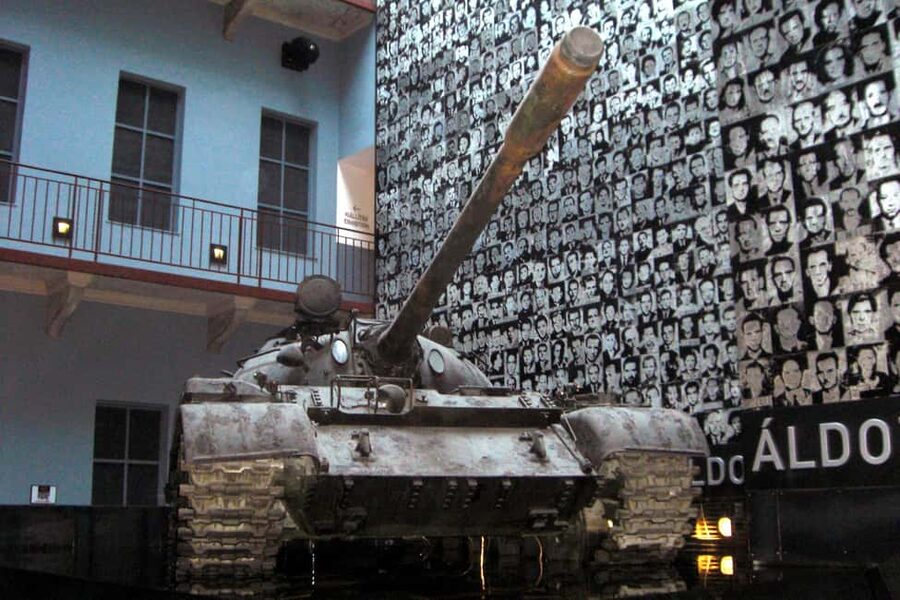
After the Citadella and viewpoints, the tour pivots hard into the Communist era’s human cost. The Terror Museum, often referred to as the Terror House, is dedicated to victims of the Communist era, and you get an audio-guide included.
Museums like this can be emotionally draining, and audio can be a big help. It keeps you from getting lost in dates and names, and it gives you structure while you absorb difficult material. It also means your guide can focus on context and interpretation rather than reading every label aloud.
A smart way to approach this stop: plan to slow down and let the museum do its job. If you keep rushing for photos, you’ll miss what the place is trying to communicate. This is the stop on this tour where your “information mode” should turn into “reflection mode.”
If you want the tone to feel less overwhelming, you’ll be glad the tour isn’t only museums. The itinerary builds to a lighter moment later.
Memento Park: Marx, Lenin, and the monuments that got moved out
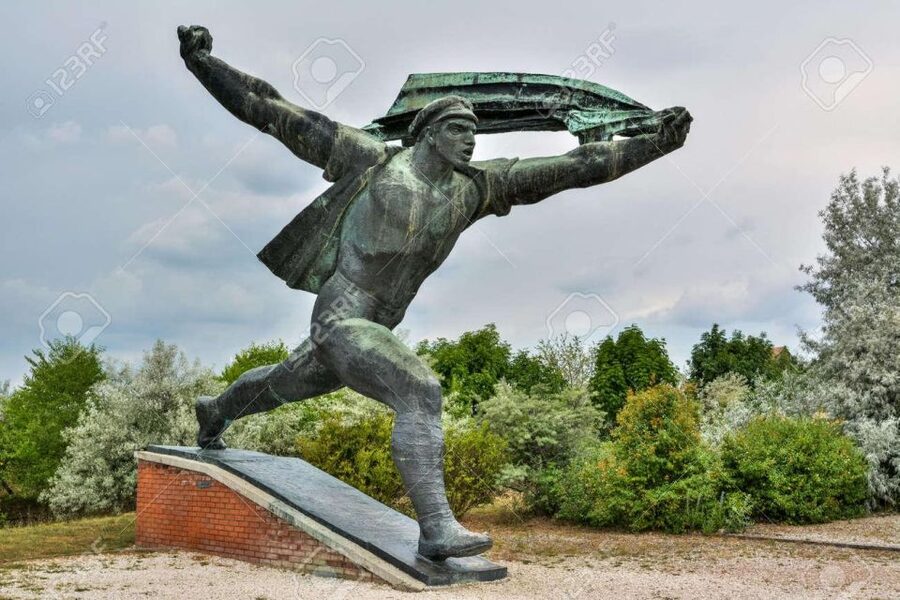
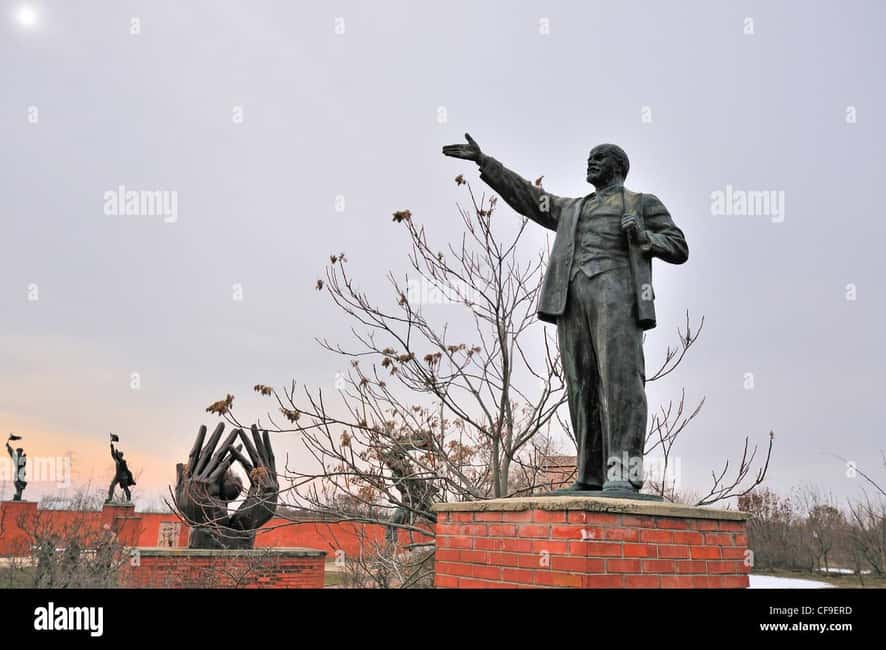
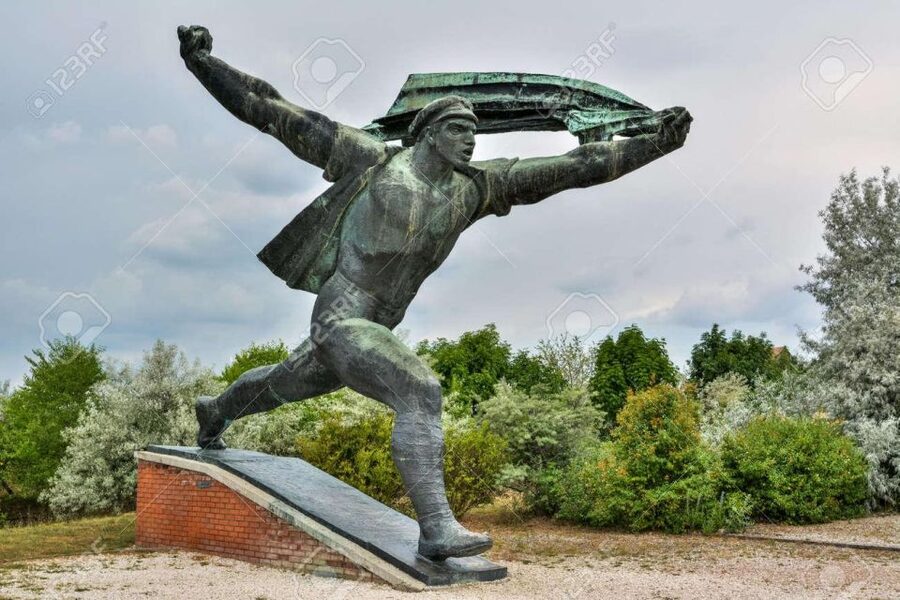
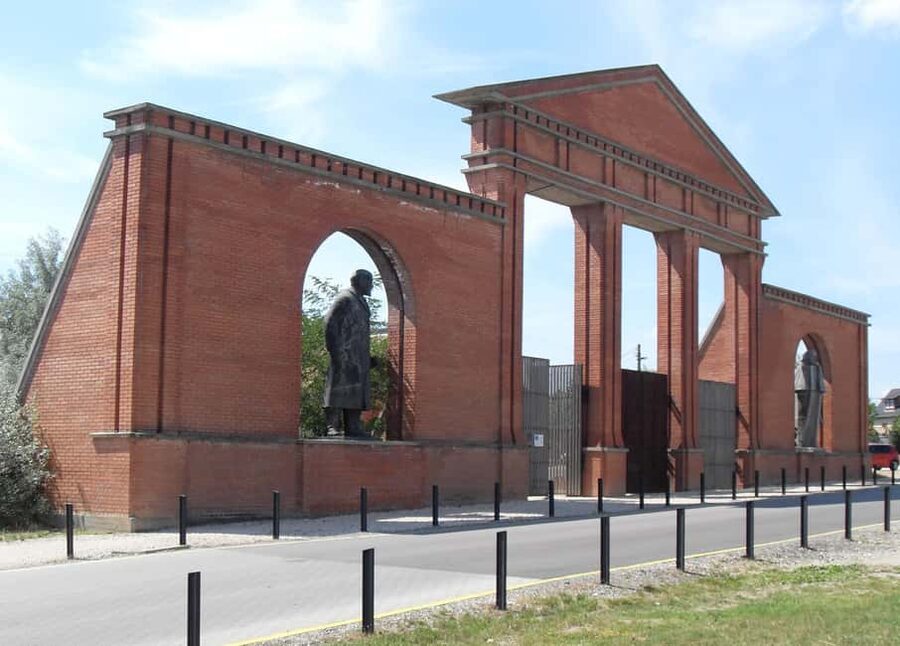
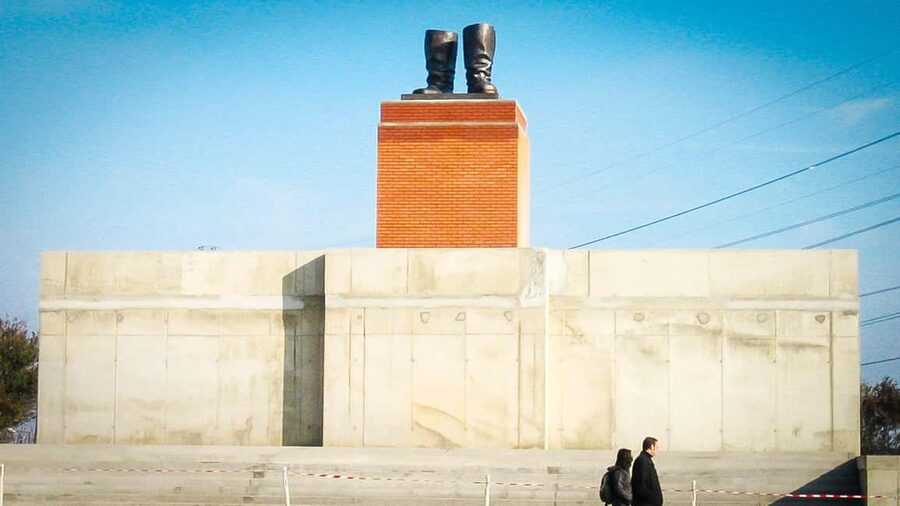
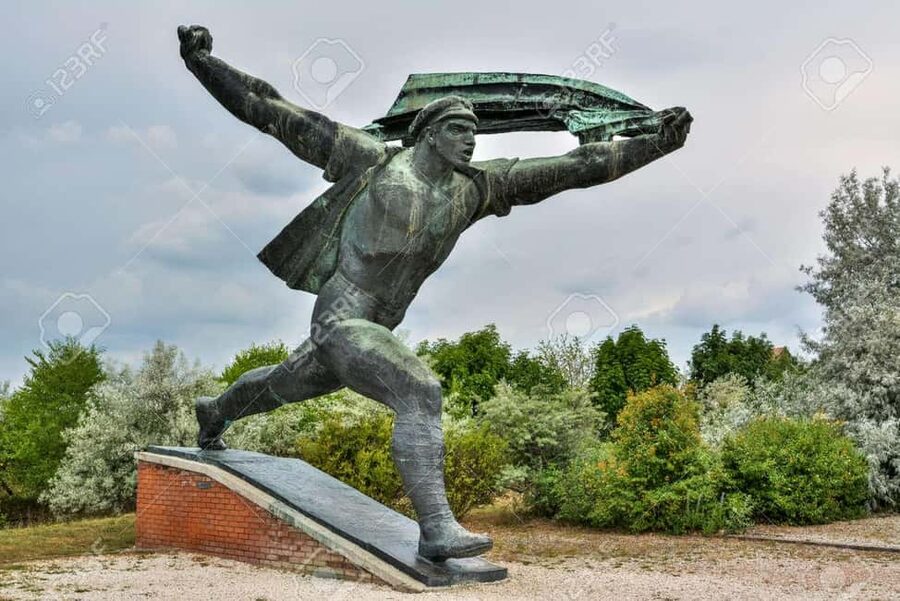
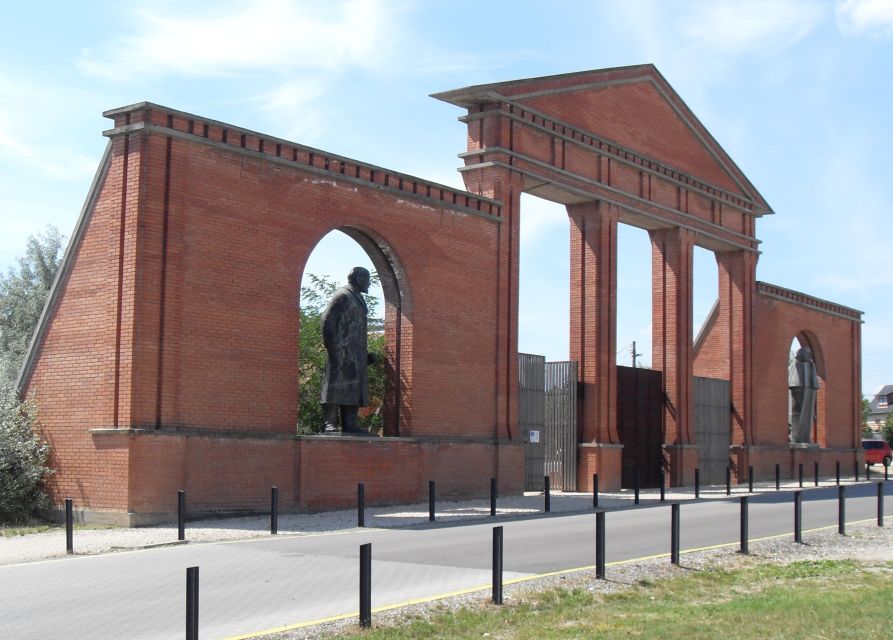
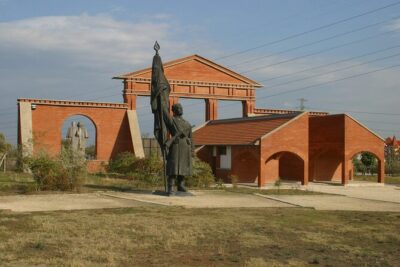
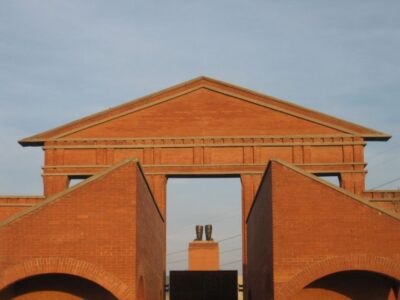
One of the best parts of this tour is how it explains Memento Park as a living record of propaganda. Instead of treating the statues as random artifacts, you’ll learn that the monuments of the era were relocated from the city to this open-air museum. The collection includes pieces installed between 1945 and 1989.
You’ll see famous figures turned into sculpture, including Marx and Lenin, plus Hungarian and Soviet-era leaders presented in the tour’s commentary. Another name you may hear in the guided walk is Ostapenko. You’ll also encounter other monumental themes, including the Memorial of the Hungarian-Soviet Friendship.
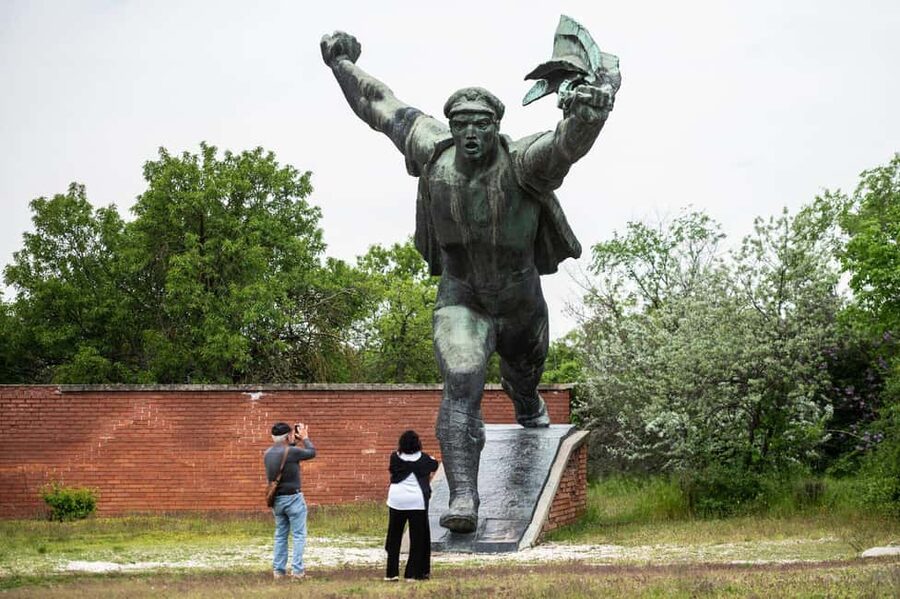
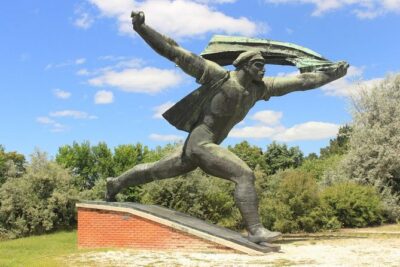
Why Memento Park is worth your time: the park’s 42 pieces let you compare styles and messages in one place. The tour highlights a 6-meter-high statue of the Liberation Army Soldier. When you stand near something that large, it becomes obvious how the regime used scale to demand belief, not just admiration.
Also, Memento Park is the most “readable” part of this experience for many visitors. You can look at a statue and then understand why it was made, why it was placed in the city, and why it later got moved. That turns your brain from passive looking into active understanding.
Value note: entry to Memento Park is included in the tour, so you’re not juggling extra tickets in the middle of the day.
The Children’s Railway ride that closes on a surprising note
After the weight of the Terror House and the symbolism of Memento Park, the tour ends with something almost playful. You’ll take a ride on the Children’s Railway in the Buda hills.
This line originally opened as the Pioneer’s Railway in 1949. The tour information also notes it was operated by children aged 10 to 14. That detail matters because it changes how you view the “child” angle in Communist-era Hungary. It’s not just a cute train. It’s a reminder of how institutions shaped young people too, through programs and responsibilities.
The tonal reset is purposeful. You finish with a moment that feels like a functioning piece of everyday Budapest life rather than an official monument. It’s a reminder that history is not only what governments built, it’s also what people endured, adapted to, and sometimes turned into routine.
Practical tip: the ride is the finish, so treat it like dessert, not like a meal. You’ll likely feel mentally tired by then, and that train helps you come back down to earth.
Timing and how 5 hours usually feels
This is a 5-hour half-day tour in a private group format, and the schedule includes pickup and drop-off options in central districts. Depending on your exact start time, you may be able to fit it between other plans without sacrificing an entire day.
One review detail I think you should take seriously is that the tour uses a mix of van time and walking. That’s a good compromise for a subject like this, where you want stops without overheating or burning out your legs. You’ll likely do enough walking to stay engaged, but not so much that the day turns into a slog.
Because you’re moving between hill viewpoints and museum spaces, the day can feel like it changes gears a few times. Plan for that. Bring water if it’s warm, and expect the pace to be mostly guide-led rather than freestyle.
Short outings that still fill a morning
Price and whether this is good value for your group
The price is $511 per group for up to 6 people. That matters because you’re not paying “per person” in the typical city tour way. If you’re traveling as a small family, or you’ve got a couple of friends to share with, this private setup can be a strong deal for Budapest.
Here’s what you’re getting for that money, based on what’s included:
- transfers
- a live guide
- entry into Memento Park
Audio-guide support is included with the Terror House experience, and that can be a big value driver because it means you’re not just relying on the guide’s speaking time to make sense of the museum.
What is not included: entry fees (other than the Memento Park entry) and lunch. So if you plan to eat between stops, factor in time and costs on your own. The good news is this is only 5 hours, so lunch can be light or skipped if you’re organized.
Who gets the best value from this tour? People who care about meaning. If you enjoy history that connects politics to real spaces, this format works. If you want only scenic highlights with minimal interpretation, the price might feel steep for how serious the content is.
Private guide quality makes a big difference here
This is exactly the kind of tour where the guide matters. The subject can turn into a list of names if the explanation isn’t clear, and you’ll feel that fast.
One guide name that stands out in the information you have is Thomas, praised for being exceptional and for sharing deep insights. The same feedback also notes the tour’s combination of van time and walking, with strong explanations that helped make the experience click.
Even if you don’t get Thomas, the best version of this tour will have a guide who can connect each stop to the bigger story: siege, occupation, Communist control, propaganda symbols, and the later shift in how those symbols are treated.
If you’re the type who likes asking questions, a private group is your friend. You can steer the conversation toward what you most want to understand.
Who should book this Iron Curtain half-day tour
Book it if you want to understand Budapest beyond the postcard layer. This tour is ideal if you:
- like political history that you can see in real places
- want to pair Citadella viewpoints with serious museum learning
- enjoy open-air memorials that show how ideology was displayed
- prefer a private group pace with pickup and drop-off convenience
Consider skipping or pairing it with lighter plans if you’re traveling with someone who struggles with heavy topics. The Terror House focus on Communist-era victims is not designed to be gentle.
It’s also worth noting that you should bring your passport or ID card, since the tour requests it as important information.
Should you book it?
Yes, if your idea of a great Budapest half-day includes learning how history is built into monuments and neighborhoods. The pairing of Citadella, the Terror House, and Memento Park is smart, because it takes you from event, to system, to symbolism. Then the Children’s Railway ride gives you a human, lighter finish that helps the day feel balanced.
If you’re short on time and you want a focused tour that actually helps you read what you’re seeing, this is a strong choice. If you only want casual sightseeing and you’re not interested in the Communist-era content, choose a different tour and save your energy.
FAQ
How long is the Budapest Half-Day Tour: Life Behind the Iron Curtain?
The tour lasts about 5 hours.
Is this a private tour?
Yes. It’s a private group experience.
Where are the pickup and drop-off options?
Pickup and drop-off are offered in three district options in Budapest: District XI, District V, and District VII.
What does the tour include?
It includes transfers, a live guide, and entry into Memento Park.
Is there an audio guide at the Terror House?
Yes. The Terror House includes an audio-guide.
What languages are available for the live guide?
The live guide is available in English, Spanish, Italian, German, Russian, French, and Portuguese.
What do I need to bring with me?
Bring a passport or ID card.
More Tours in Budapest


More Tour Reviews in Budapest





More From the Socialist Years




Reviewed recently around Budapest
- Audio visual multi-sensory chefs journey dinner experience★ 5.0 · 3 reviews
- Tapolca Cave Lake and Tihany/ Balaton private tour from Budapest★ 4.5 · 3 reviews
- SzentEndre-SaintAndrew City Privately Shopping and Picturesque★ 4.5 · 3 reviews
- Sightseeing flight over Budapest★ 5.0 · 3 reviews
- Self Guided Tour In Budapest With 100 Captivating Audio Stories★ 5.0 · 3 reviews
- Private Danube Bend Visegrad and Szentendre Tour With Transport★ 5.0 · 3 reviews
Communist Era and Cold War Tours, compared.
 ★ 4.8Communist History Tour with House of Terror OptionFrom $58182 reviews
 ★ 4.73-Hour Walking Tour About Communism (Small Group)From $5770 reviews
 ★ 5.0Communism in Hungary with a HistorianFrom $5970 reviews
 ★ 4.5Budapest Hammer & Sickle Communist Times TourFrom $7968 reviews
 ★ 5.0Lives of Hungarians Under Communist and Capitalist systemFrom $459 reviews
 ★ 5.0Guided Tour with Admission in Memento ParkFrom $3048 reviews
 ★ 4.5Memento Park TicketFrom $1046 reviews
 ★ 5.0Memento Park Visit with Private Trabant TransferFrom $30544 reviews
Browse the lists this tour appears in