
Review · COMMUNIST ERA AND COLD WAR TOURS
Communist Budapest Walking Tour
Communism in Budapest is written in stone. This 3-hour English walking tour strings together Kossuth Square, Freedom Square, and the Cold War symbols around them, so you learn what you are actually seeing, not just what it is called.
Two things I really liked: the small group size, which makes questions and discussion feel natural, and the local historian approach that turns monuments into real context. Guides such as Andras and Kata are especially good at answering follow-up questions and talking through what life under communism looked like.
One possible drawback: if you only want fast photo stops, this won’t feel like a classic sightseeing loop. You will spend time walking, standing, and listening, so bring good shoes, and plan to actually pay attention.
In This Review
- Key highlights worth your time
- Walking Budapest’s Communist story, square by square
- Parliament, 1956, and the Revolution that keeps echoing
- Freedom Square and the Cold War cast of characters
- House of Terror, outside first, then your choice
- Puskás Ferenc Stadium and socialist realist propaganda
- Bem József Square and the uprising’s starting spark
- Reagan, obligations, and why the Iron Curtain mattered
- What makes the guides the real draw
- Price and value: what you pay for, and what you get
- Logistics that matter on the ground
- Who should book this Communist Budapest walking tour
- Should you book it?
- FAQ
- How long is the Communist Budapest Walking Tour?
- What is the price per person?
- What language is the tour offered in?
- Where does the tour start?
- Where does the tour end?
- Is the House of Terror Museum included?
- What kind of transportation is used during the tour?
- How large is the group?
- Is there a choice of departure time?
- What is the cancellation policy?
Key highlights worth your time
- 3-hour, small-group format: Limited group size keeps the pacing human and the Q&A meaningful
- Cold War sites in walking distance, plus subway help: You cover big ground without feeling lost
- Freedom Square symbols: Soviet Army memorials, US Embassy area context, and the Reagan connection
- People’s Stadium legacy: Socialist realist propaganda still shows up around Puskás Ferenc Stadium
- A smart pairing with House of Terror: You end outside the museum that was tied to the communist secret services
- Guides who talk, not lecture: The best moments are the answers to your questions, not a one-way script
Walking Budapest’s Communist story, square by square
Budapest does not hide its political past. It is out in the open, in squares, statues, and government buildings, and it comes with a visual language that is easy to miss if you are only chasing views. This tour gives you the key to that language fast.
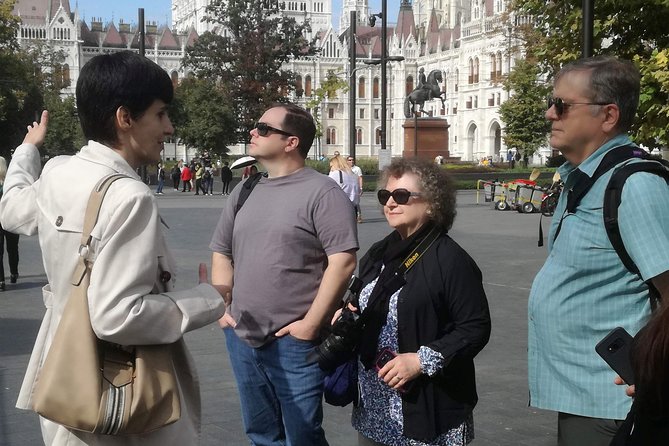
What I like most is how the guide keeps you oriented. You do not just hear about dates. You learn why certain buildings and monuments were placed where they were, and what they were meant to impress, warn, or reassure. You also get that practical, street-level pacing, with a bit of transit to save your legs.
And yes, it still has sightseeing value. The difference is that you leave with a story you can explain to someone else, not a list of names you forget the next day.
Parliament, 1956, and the Revolution that keeps echoing
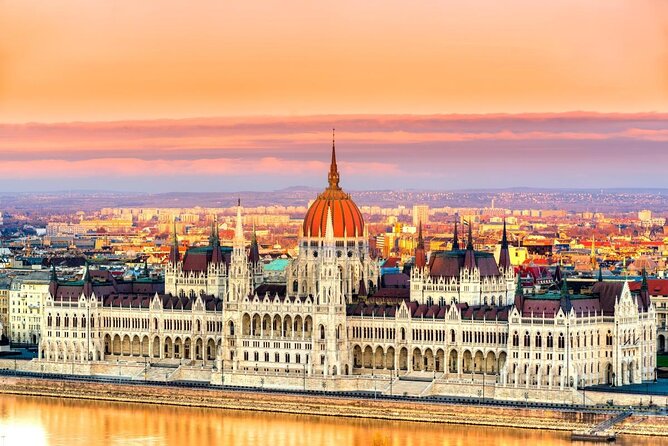
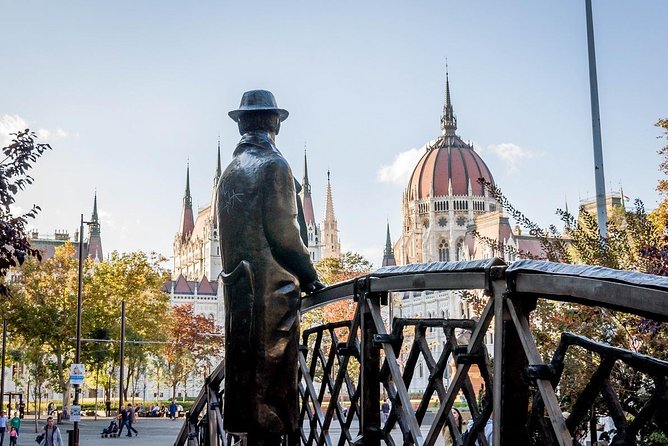
You start at the Hungarian Parliament Building area, traveling by subway so you get to the main stage quickly. From there, the conversation centers on the 1956 revolution, the moment when Hungarians pushed back against Soviet control and demanded change.
You will look at monuments around Kossuth Square before moving toward Liberty Square and Freedom Square context. The guide does a good job connecting the dots between political power and public space. The landmarks here matter because they were used to signal legitimacy, loyalty, and the right version of history.
The practical benefit for you is mental structure. You will hear enough background to make the rest of the day click, including how the post-revolution reality turned into a Cold War chessboard. If you have ever felt that Hungary’s 20th century is confusing, this is a fast way to get organized.
More of the socialist decades, told on foot
- Budapest: Communist History Tour with House of Terror Option
★ 4.8 · 182 reviews - Communism in Hungary with a Historian
★ 5.0 · 70 reviews - Budapest: 3-Hour Walking Tour About Communism (Small Group)
★ 4.7 · 70 reviews - Lives of Hungarians Under Communist and Capitalist system
★ 5.0 · 59 reviews
Freedom Square and the Cold War cast of characters
Freedom Square is where the Cold War becomes almost like a live set. You are in the right place to see the Soviet War Memorial presence, the symbolic weight around the US Embassy area, and the way political messaging was treated like architecture.
This is also where you pick up details that make the day more specific. You learn about a monument to the Soviet Army, the Reagan statue references, and even the idea of an atomic shelter being part of the public narrative. When you understand why these things were emphasized, they stop feeling random and start feeling intentional.
You might not realize it before, but statues and embassies are rarely just about aesthetics. In this part of Budapest, they are about messaging. The tour makes that clear without turning it into a textbook.
House of Terror, outside first, then your choice
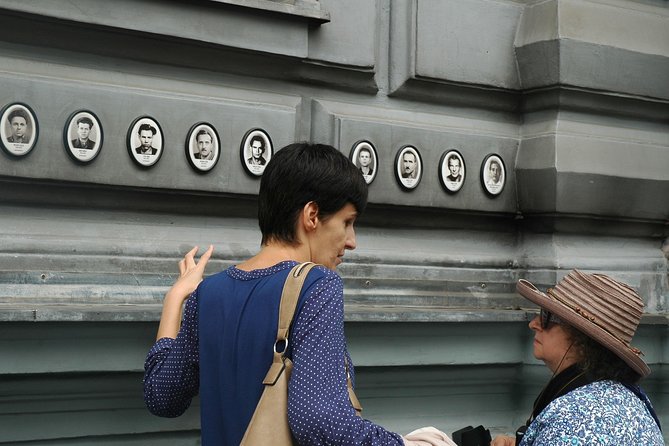
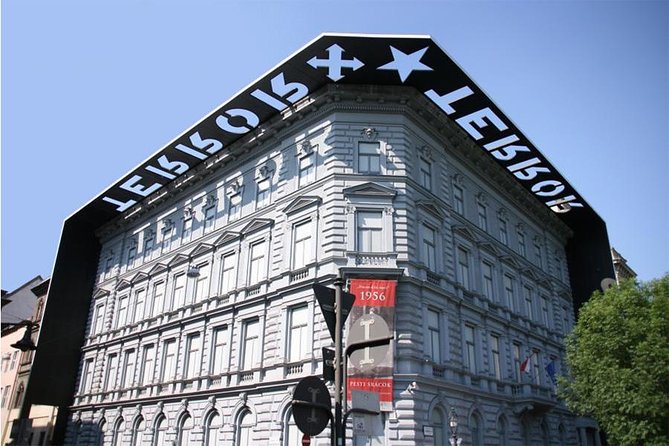
The tour ends outside the House of Terror Museum, which sits in a former headquarters associated with Hungary’s communist secret services. Even without stepping inside during the walk, the setting hits hard, because the building itself carries the weight of what happened there.
A standout detail is the Berlin Wall slab in front. It is a small physical marker compared to the museum size, but it is exactly the kind of contrast the Cold War produced. One wall can become a symbol, and once you notice symbols, you start noticing the whole system around them.
Important practical note: the House of Terror exhibit is not included. That is fine, because this gives you a natural “end the walk here, decide what to do next” moment. If you want to keep going, you can buy admission separately and go at your own pace. If you do not, you still leave with a strong finish and a clearer picture of why this site matters.
Puskás Ferenc Stadium and socialist realist propaganda
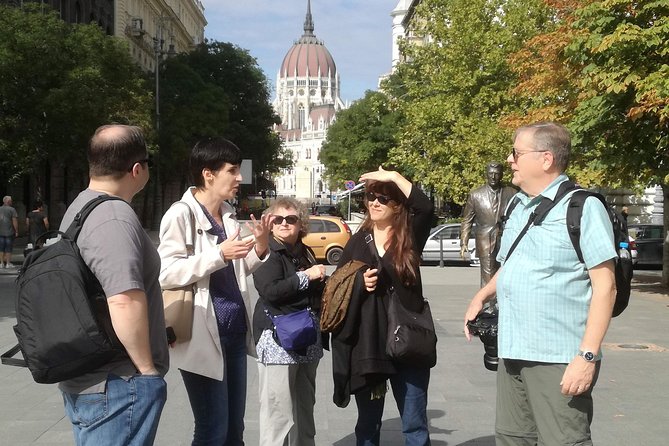
After the Freedom Square area, you head toward the former People’s Stadium, now Puskás Soccer Stadium. This is one of those stops that makes the day feel less like history class and more like cultural observation.
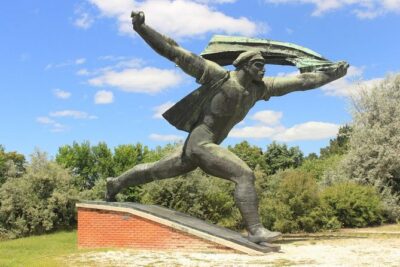
The reason is the visual style. Around the stadium, classic socialist realist statues are still present, and they carry the regime’s preferred look: confident, exaggerated, and built to project power. The guide helps you read those visuals in context, instead of just noticing them as decoration.
This stop is also valuable because it shows you communism was not only about fear or control. It was also about performance, mass events, and public spectacle. If you have ever wondered how ideology showed up in everyday life, a stadium is a surprisingly good answer.
One consideration: you will be outside for much of this portion. If you are visiting in hot weather or rainy season, plan your clothing and water accordingly.
Bem József Square and the uprising’s starting spark
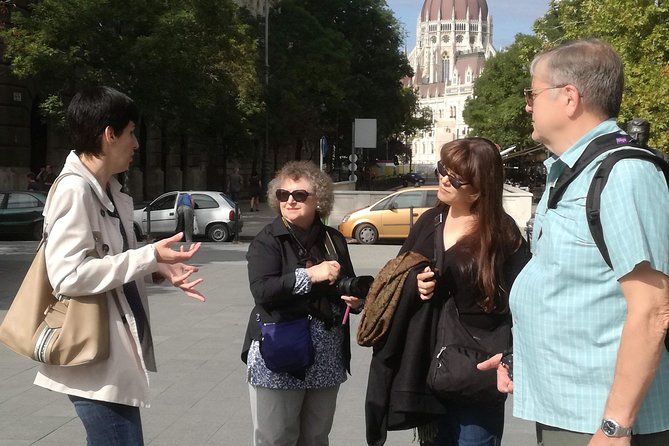
You spend time around Kossuth Lajos Square and Bem József Square, where the first major demonstration of the 1956 uprising started. This is where the day becomes grounded, because it is not only about monuments. It is about the crowd energy behind the movement.
The guide links what you see on the ground to what happened there, which makes the location feel real. It is easier to understand why these squares became targets, why they mattered to organizers, and why later regimes would treat them carefully.
There is also a small but memorable detail that you can enjoy even if you are not a museum person. On the square, there is a coffeehouse that has kept its original interior from the 1960s. That gives you a human-scale contrast to the political symbolism. You get a sense of how life continued, even under a system that was trying to control the story.
Other Budapest walks at a similar pace
Reagan, obligations, and why the Iron Curtain mattered
A key theme in the tour is the way Budapest relates to Western pressure on the communist bloc. You see references to Ronald Reagan, and you learn about the Hungarian sense of obligation to him for efforts tied to bringing down the Iron Curtain.
That might sound like a big, abstract political statement. The guide’s job is to make it legible at the street level. Once you hear the context, you understand why a Reagan statue or a Cold War reference is not just there for tourists. It is part of how the country remembers the endgame of that era.
This is one of the reasons this tour gets such strong reactions from people who are not history nerds. The narrative is tied to physical spots, so you keep feeling progress instead of drifting through dates.
What makes the guides the real draw
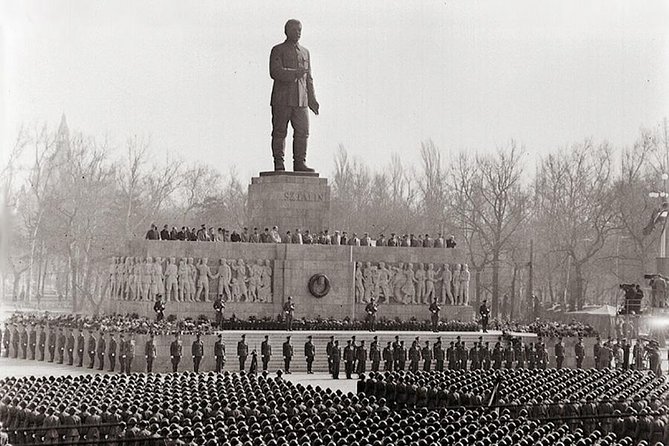
The strongest praise for this experience centers on the guides themselves. People talk about guides who can do more than recite facts, they lead discussions and answer questions with depth and patience.
You might meet Andras, or you might meet Kata, but either way the common thread is interactive hosting. You will be encouraged to ask, and the guide builds explanations around your curiosity. That is a big deal for a topic like communism, where myths and oversimplifications can spread easily.
I also like that the tour does not treat your brain like a storage locker for random trivia. It connects each stop into a single thread, so when you reach a monument later in the walk, you already have a mental map for why it matters.
Price and value: what you pay for, and what you get
At $126.50 per person for about 3 hours, you are paying for three things: a local historian, a focused route through major Cold War landmarks, and the small-group setup that keeps the pacing sensible.
Is it a budget option? Not really. But it is also not priced like a private driver plus museum tickets. The value comes from how efficiently it turns the city into a guided lesson you can walk through.
Most stops are exterior or free to view, and the tour includes transit support like help with tram and metro ticket purchasing if you do not already have a visitor pass. You also get a mobile ticket.
If you plan to independently visit Freedom Square sites, then separately try to piece together the communist and Cold War story from guidebooks, you will likely spend more than you think, and you will probably still feel like something is missing. Here, you buy the “missing piece” up front: a guide who explains the why behind the where.
Logistics that matter on the ground
This is a walking tour, but not a back-to-back marathon of hills and cobblestones. The route uses public transportation for key jumps, and the start point is set in a neighborhood that is near transit.
The meeting point is at Frankel Leó út 2-4, 1027, and you finish outside the House of Terror Museum at Andrássy út 60, 1062. Ending right at House of Terror is practical, because you can decide on the spot if you want to go inside after the walk.
The tour is offered in English, with confirmation received at booking. It is typically booked well in advance, so if you care about a specific departure time, plan ahead rather than assuming last-minute availability.
Who should book this Communist Budapest walking tour
Book this if you want Budapest to make sense. You do not need to be a history specialist. You do need to be willing to learn, ask questions, and slow down at a few meaningful corners.
It is especially a good fit if:
- You like tours that explain symbols and not just sightseeing
- You want context for 1956, the Soviet presence, and Cold War politics
- You enjoy discussion and getting answers, not silent guided marching
- You plan to add House of Terror later, since the walk sets you up well for it
If your ideal day is mostly light, relaxed wandering with minimal listening, you might find the pace more intense than you want. This tour asks you to participate.
Should you book it?
I think you should book this tour if you want a fast, structured way to understand Budapest’s Communist era without getting lost in names and dates. The combination of a small group, local historian hosting, and a route that keeps returning to cause-and-effect makes it feel worth your time.
It is also a smart choice if you are curious but uncertain about what to focus on. You will leave with a clear mental map of Freedom Square symbols, the stadium’s propaganda visual language, and why Bem József Square was such a flashpoint in 1956.
Just be honest with yourself about your style. If you want mostly scenery, pick a lighter day. If you want the story behind the stone, this tour is a strong bet.
FAQ
How long is the Communist Budapest Walking Tour?
It runs for about 3 hours.
What is the price per person?
The price is $126.50 per person.
What language is the tour offered in?
The tour is offered in English.
Where does the tour start?
The tour starts at Budapest, Frankel Leó út 2-4, 1027 Hungary.
Where does the tour end?
The tour ends outside the House of Terror Museum at Budapest, Andrássy út 60, 1062 Hungary.
Is the House of Terror Museum included?
The tour concludes outside the House of Terror Museum, but the exhibit inside is not included.
What kind of transportation is used during the tour?
You travel by subway to reach the Parliament area, and the guide can help with tram and metro tickets if you do not already have a visitor pass.
How large is the group?
It is limited to six people for a personalized experience, with a maximum of 8 travelers.
Is there a choice of departure time?
Yes, there is a choice of morning or afternoon departure.
What is the cancellation policy?
Free cancellation is available. You can cancel up to 24 hours in advance for a full refund.
More Tours in Budapest



More Tour Reviews in Budapest



More From the Socialist Years



Reviewed recently around Budapest
- Audio visual multi-sensory chefs journey dinner experience★ 5.0 · 3 reviews
- Tapolca Cave Lake and Tihany/ Balaton private tour from Budapest★ 4.5 · 3 reviews
- SzentEndre-SaintAndrew City Privately Shopping and Picturesque★ 4.5 · 3 reviews
- Sightseeing flight over Budapest★ 5.0 · 3 reviews
- Self Guided Tour In Budapest With 100 Captivating Audio Stories★ 5.0 · 3 reviews
- Private Danube Bend Visegrad and Szentendre Tour With Transport★ 5.0 · 3 reviews
Communist Era and Cold War Tours, compared.
 ★ 4.8Communist History Tour with House of Terror OptionFrom $58182 reviews
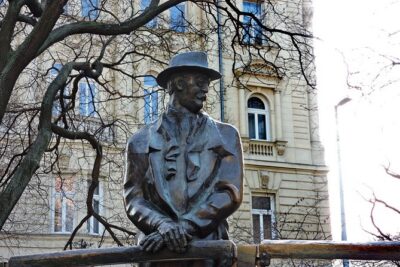 ★ 5.0Communism in Hungary with a HistorianFrom $5970 reviews
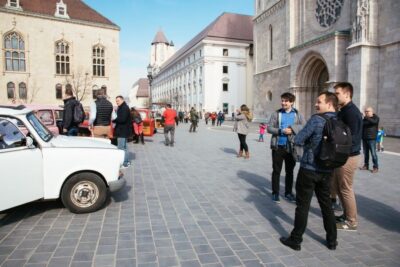 ★ 4.73-Hour Walking Tour About Communism (Small Group)From $5770 reviews
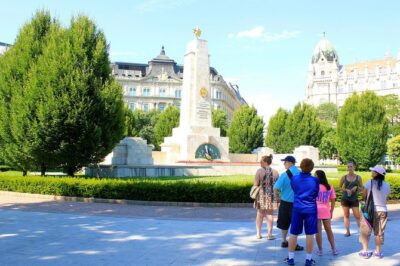 ★ 4.5Budapest Hammer & Sickle Communist Times TourFrom $7968 reviews
 ★ 5.0Lives of Hungarians Under Communist and Capitalist systemFrom $459 reviews
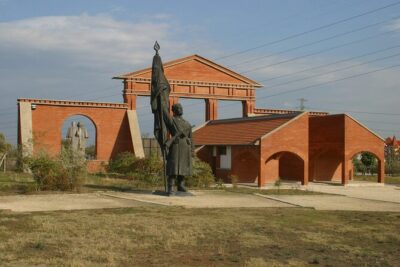 ★ 5.0Guided Tour with Admission in Memento ParkFrom $3048 reviews
 ★ 4.5Memento Park TicketFrom $1046 reviews
 ★ 5.0Memento Park Visit with Private Trabant TransferFrom $30544 reviews
Browse the lists this tour appears in